Application of sugar foam to vineyard acid soils under Mediterranean conditions
Abstract
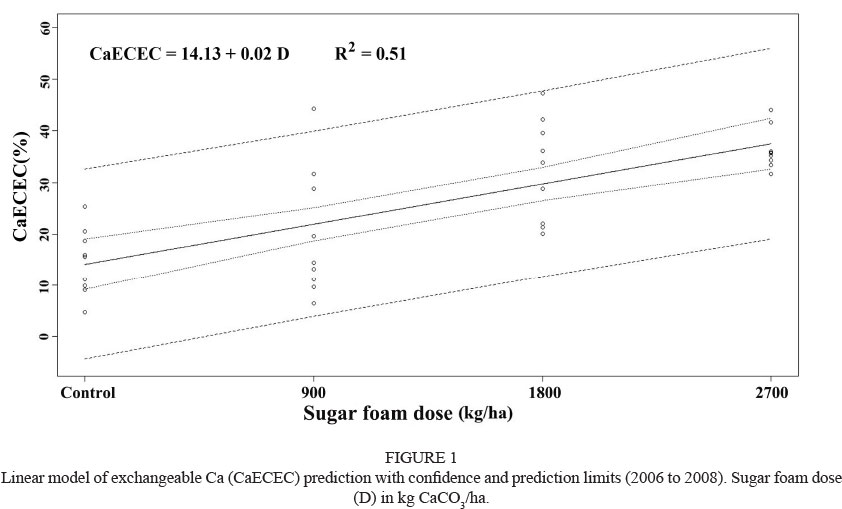
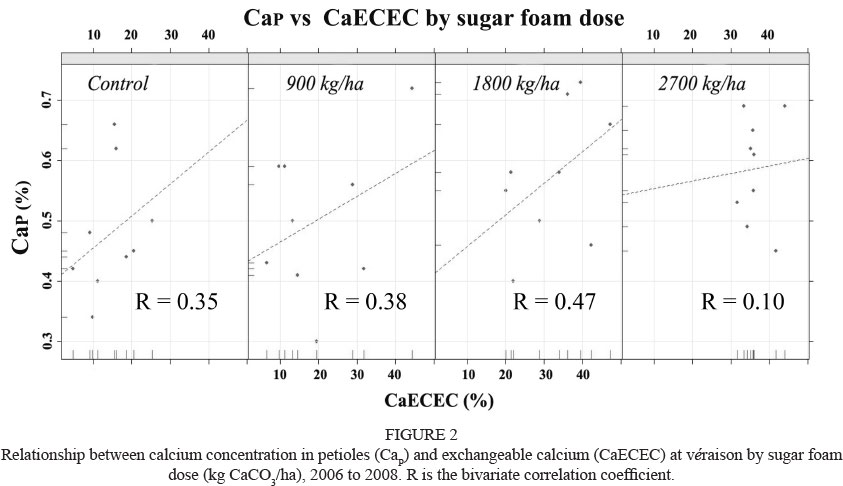
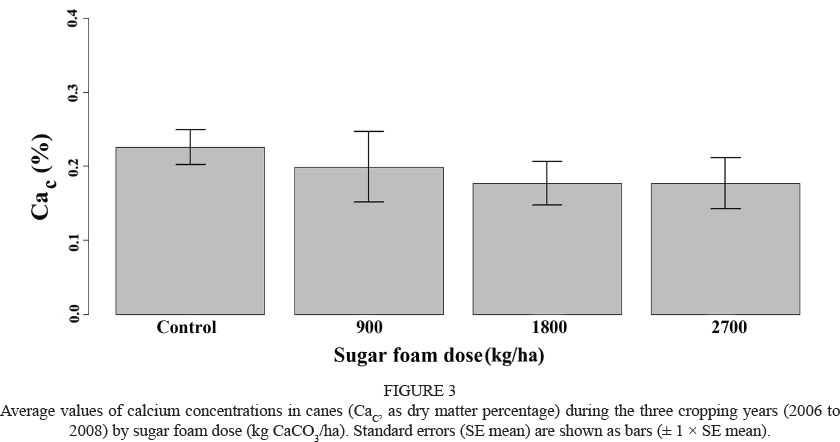
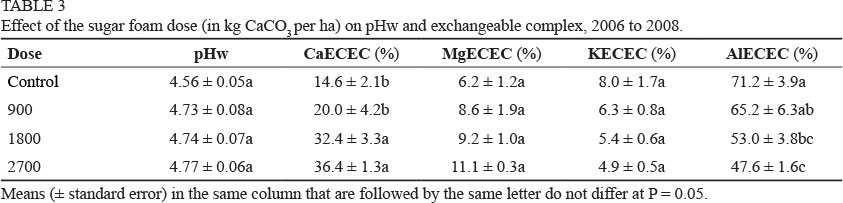
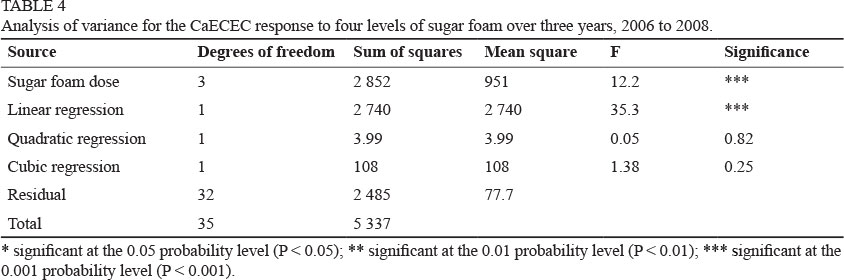
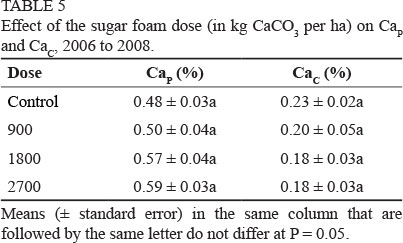
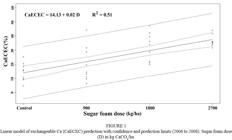
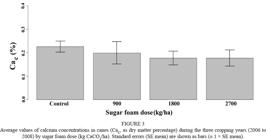
Calcium (Ca) deficiency and aluminium (Al) toxicity are considered major chemical constraints that limit vine growth in vineyard acid soils under Mediterranean conditions. The main aim of this work was to evaluate the effects of three doses of sugar foam (900, 1 800 and 2 700 kg CaCO3/ha) on five soil properties (pH in water, Ca, Mg, K and Al exchangeable contents) and Ca concentrations in petioles and canes of one wine grape variety. Research was conducted over three seasons (2006 to 2008) in a random block design at León (Spain). The results for plants and soils were subjected to general lineal model analysis. As a result, one linear model, validated through a cross-validation procedure, has been proposed to predict exchangeable calcium levels in vineyard acid soils at véraison. Based on the results for the soils, the higher doses of sugar foam (1 800 and 2 700 kg CaCO3/ha) were the most effective doses in decreasing Al exchangeable and increasing Ca exchangeable contents. In addition, liming increased Ca content in petioles and decreased Ca content in canes, but in both cases these differences were not significant.
Liming; linear model; cross-validation; petiole; cane
 Thumbnail
 Thumbnail
 Thumbnail