Response of Vitis vinifera L. cv. Sauvignon blanc to Irrigation Strategy and Trellis System in the Semi-Arid Breede River Valley Region: Vegetative Growth, Yield and Juice Characteristics
Abstract
Sauvignon blanc is South Africa's most popular wine for export. Forty percent of the wine grape vineyards in the Breede River Valley are Sauvignon blanc. Since rainfall in the region is low, vineyards depend on irrigation. Therefore, the sensitivity of Sauvignon blanc/99R to water deficits was studied in a field trial from 1998/1999 until 2000/2001. Producing more grapes with the same volume of irrigation water was also investigated. Irrigation strategies entailed combinations of 50% readily available water (RAW) depletion, 75% RAW depletion and no irrigation between various phenological stages. Irrigation applied at 50% RAW depletion from budbreak in September until harvest was regarded as the control. Each experimental plot was split into a six-strand vertical hedge and a two-tier vertical trellis. Cane mass on the two-tier trellis was lower compared to the six-strand hedge. Irrigation at a 75% RAW depletion level until harvest reduced cane mass compared to more frequent irrigation. Drier soil conditions reduced berry mass. Sustained water deficits reduced yield. Substantially more Sauvignon blanc grapes were produced on the two-tier vertical trellis compared to the six-strand hedge with the same amount of irrigation, thereby reducing the blue water footprint and increasing irrigation water use efficiency.
bunch mass; grapevines; irrigation strategies
INTRODUCTION
The cultivation of wine grapes is an important agricultural activity in many regions of South Africa, such as the Western Cape and Northern Cape. White grape cultivars are of particular importance to the South African wine industry and made up 65% of the tons of grapes crushed in the 2022/2023 season (SAWIS, 2023). Fifty-nine percent of the still wines exported from South Africa are white and 32% are red wines. In terms of wine exported from South Africa, Sauvignon blanc is the most popular.
Sauvignon blanc is a white wine grape cultivar that was bred in France (Goussard, 2008) and yields approximately 9 to 12 t/ha of grapes. Thirty-six percent of the wine grape vineyards in South Africa are located in the Breedekloof, Robertson and Worcester areas of the Breede River Valley, with 40% of these being Sauvignon blanc. The region has a Mediterranean climate and, based on the growing degree days (GDD) from September until March (Winkler, 1962), the specific locality is in a class IV climatic region (Bruwer, 2010). At Robertson, less than 70% of the annual precipitation occurs in winter (Myburgh, 2018). Vineyards growing in this particular region depend totally on irrigation to supply the grapevines with their water requirements.
Despite the popularity of the Sauvignon blanc cultivar, there is no local knowledge on the sensitivity of Sauvignon blanc growth, yield and wine quality characteristics to water constraints in a semi-arid region if irrigation is, or would become, limited. In a field study where Sauvignon blanc grapevines were subjected to different daily irrigation levels after véraison, the results showed that a lower yield was obtained where low daily irrigation volumes were applied, compared to a higher yield where higher daily irrigation volumes were applied (Naor et al., 1993). Previous research on irrigation strategies in a Sauvignon blanc vineyards growing in a cool climate in South Africa indicated that the stage of application of the irrigation could affect berry mass, but that yield and wine quality were not affected (Myburgh, 2005, 2006). However, application of water at pea size berries, as well as pea size berries plus véraison, increased leaf water potential, thereby reducing grapevine water constraints (Myburgh, 2005). In a cool climate area in Canada, irrigation of Sauvignon blanc grapevines at 25% evapotranspiration (ET) reduced berry mass in two seasons compared to irrigation at 100% ET, but only tended to reduce yield (Balint & Reynolds, 2013). It was also shown that irrigation of Sauvignon blanc grapevines at 40% ET reduced vegetative growth, berry and bunch mass in the 1999/2000 season compared to irrigation at 80% ET, but only tended to reduce yield (Gu et al., 2015). According to Wenter et al. (2018), deficit irrigation reduced vegetative growth, berry weight and yield of drip-irrigated Sauvignon blanc. Sauvignon blanc grapevines experiencing water constraints also produced smaller bunches and consequently less yield than a well-watered control (Cataldo et al., 2021). It should be noted that no literature could be found in which Sauvignon blanc grapevines were subjected to different levels of water constraints in the different phenological phases. When there is a prevailing drought, authorities could impose water restrictions, thereby forcing growers to manage their limited available water judiciously. Under such circumstances, information on the effect of water shortages during different phenological stages is critical so that growers can make informed decisions regarding the irrigation of their vineyards.
There are various ways in which the blue water footprint (WFblue) or water-use efficiency (WUEi) of vineyards can be improved (Howell & Myburgh, 2024). In this regard, the WUEi of Pinotage was increased by applying less irrigation and increasing the bearing capacity of a vineyard vertically. This indicated that increasing the vineyard in the vertical dimension holds promise to increase the effective use of irrigation water.
Considering the above-mentioned, the primary objectives of this study were to determine (i) during which stage(s) Sauvignon blanc per se is sensitive to water deficits, (ii) the most suitable irrigation strategy when water restrictions are imposed during periodic droughts and (iii) if more grapes can be produced with the same volume of irrigation water when the bearing capacity of the grapevines is increased.
MATERIALS AND METHODS Experimental vineyard
The field trial was carried out over three seasons, from the 1998/1999 season until the 2000/2001 season, in a three-year-old Sauvignon blanc/99Richter vineyard on the Agricultural Research Council (ARC) Research Farm near Robertson in the Breede River Valley of South Africa. Despite the completion of the field trial more than 25 years ago, the study generated important information that is still relevant today, particularly in the light of climate change. In this regard, the work done on Pinotage grapevines in the same field study was recently published by Howell and Myburgh (2024). Furthermore, two popular articles on the Pinotage field trial were also published in a popular journal for the South African wine industry (Howell, 2026a, 2026b), highlighting the significance of the research.
The locality has a BSk (semi-arid, cold) climate according to the Köppen-Geiger climate classification (Peel et al., 2007). Based on the growing degree days (GDD) of 1 497°C from 1 September to 31 March (Amerine & Winkler, 1944), the specific locality is in a class II climatic region that has the potential for the production of good quality red and white table wine (Le Roux, 1974). Given the mean February temperature of 23.1°C, low acid high pH wines can be produced (De Villiers et al., 1996). The soil was representative of the Hutton and Sterkspruit forms (Soil Classification Working Group, 1991) and was deep delved to ca. 90 cm using a crawler tractor before planting. Grapevines were planted at a spacing of 2.75 m χ 1.50 m. Irrigation was applied over the total area using 32 L/hour Eintal® micro-sprinklers. Standard viticultural management practices were applied in the vineyard. In this regard, grapevines were suckered at the beginning of the season. When the shoots reached a suitable length, they were tucked into the cordon wires. No leaves were removed, but leaves were thinned around the grape bunch. There was no bunch thinning or other crop adjustment. The experimental vineyard was mechanically cultivated only to establish Avena sativa L. cv. Pallinup (oats) as a winter cover crop, as proposed by Fourie (2021). Full surface chemical control was applied before budbreak. Given that the Breede River region received 116 mm of its annual rainfall of 280 mm in spring and summer (Myburgh, 2018), the management of grapevine diseases is of critical importance. For downy mildew, a combination of contact and systemic sprays were applied in a set schedule. For botrytis, fungicides were sprayed at flowering and véraison. All the pesticides, insecticides and fungicides were applied according to IPW guidelines for the South African wine industry (Anon, 2014).
Experimental layout
To determine the effect of water deficits at various stages, different irrigation strategies were applied, as described previously for Pinotage (Howell & Myburgh, 2024). Briefly, these irrigation strategies consisted of eight different combinations of 50% readily available water (RAW) depletion, 75% RAW depletion, and no irrigation between various phenological stages, viz. budbreak, flowering, pea size berries, véraison, 17°B and harvest, as indicated in Table 1. Irrigation applied at 50% RAW depletion from budbreak in September until harvest in February was regarded as the control. For the purpose of this study, RAW was defined as the water available between -5 kPa and -100 kPa soil matric potential. It should be noted that plant available water (PAW) is the water available between -5 kPa and -1 500 kPa soil matric potential. The experimental layout was a split-plot, randomised block design. Each experimental plot was split into a six-strand vertical trellis and a two-tier vertical trellis to give a total of 16 irrigation strategy/trellis system combinations, or treatments. Each of the 16 irrigation strategy/trellis system combinations were replicated three times. Grapevines were developed onto the respective trellis systems from establishment onwards. The cordon arms of grapevines on the two-tier trellis were developed to a length of 3 m (Fig. 1). The total height of the two trellis systems was the same. All grapevines were spur pruned in August, leaving two buds per spur. Plots consisted of eight experimental grapevines with two border grapevines at each end, as well as two border rows on either side of the experimental row to limit possible overlapping of treatment effects. Each experimental plot covered 247.5 m2.
Application of irrigation strategies
Soil water matric potential was measured weekly, as well as before and after irrigations, using tensiometers at 30 cm, 60 cm and 90 cm depths. A soil water retention curve was determined for each 30 cm depth increment using undisturbed soil cores and the pressure membrane technique. The RAW was determined between -5 kPa and -100 kPa. The soil water retention curves were comparable for the three depth increments, and total RAW amounted to 94 mm/m. Based on the soil water retention curves, 50% and 75% RAW depletion amounted to soil matric potentials of ca. -35 kPa and -65 kPa, respectively. Irrigation volumes were measured on the S1, S3, S6 and S7 plots by means of water meters. Grapevines were not irrigated during the winter months.
Vegetative growth
To quantify growth vigour, cane mass was measured at pruning in early August. A bundle was made of all the canes from the eight experimental grapevines in each plot and the weight thereof was determined using a hanging balance. Cane mass per plot (kg) was converted to tons per hectare. Shoots were slightly topped at the beginning of December. Topping of principal shoots was only required where irrigation was applied at 50% RAW depletion before véraison. On the two-tier trellis, shoots were topped on the lower as well as upper cordons. In July 2001, the number of primary and secondary shoots per grapevine were counted and their length was measured using a measuring tape.
Yield components
Véraison was defined as the stage when visual observation showed that c. 95% of the grape berries had changed colour. This was equivalent to stage 36 of the modified Eichhorn and Lorenz grapevine growth identification system (Coombe, 1995). At harvest, all bunches in each experimental plot were picked and counted using mechanical counters. In this regard, the person picking the bunches was accompanied by another person who counted the bunches with the mechanical counter as the bunches were harvested. The grapes were weighed to obtain the total mass per plot. Mean yield per grapevine was calculated and converted to tons per hectare. Bunch mass was determined by dividing the total grape mass per plot by the number of bunches per plot. The number of bunches per grapevine was calculated by dividing the total number of bunches per plot by the number of experiment grapevines per plot. Fresh berry mass was determined in all the plots at harvest. Berry samples were obtained by picking 20 berries along the longitudinal axis from each of ten bunches per experimental plot. Berries were removed from bunches by cutting through the pedicle as close as possible to the berry using a small pair of scissors (Van Schalkwyk, 2004). Berry mass was determined in the laboratory by weighing the samples using an electronic balance. It should be noted that an assessment of the impact of the combination of trellis systems/irrigation strategies on the effects of bunch diseases or foliar disease on grape berries was beyond the scope of the study.
Juice characteristics
The objective was to harvest grapes when the total soluble solids (TSS) in the juice reached 22°B. The TSS, total titratable acidity (TTA) and pH of the juice were determined according to standard procedures of the Infruitec-Nietvoorbij Research Institute for Viticulture and Oenology of the Agricultural Research Council (ARC) near Stellenbosch. Total soluble solids were determined using a digital refractometer (Pocket PAL-1, Atago U.S.A. Inc., Bellevue, WA, U.S.A.). Total titratable acidity and juice pH were measured using an automatic titrator (Metrohm 785 DMP Tritino, Metrohm AG, Herisau, Switzerland) against sodium hydroxide (NaOH) at a concentration of 0.33 M.
Statistical analyses
Raw data was captured and sorted in Microsoft® Excel. The data were subjected to an analysis of variance (ANOVA) using Statgraphics®. Least significant difference (LSD) values were calculated to facilitate a comparison between treatment means. Means that differed atp< 0.05 were considered significantly different.
RESULTS AND DISCUSSION
It should be noted that some of the results of S1 and S7 on the two trellis systems have been summarised previously (Myburgh, 2018 and references therein). The results obtained with all the irrigation strategy/ trellis system combinations will be discussed in detail below.
Soil water status and irrigation volumes
Grapevines were generally irrigated once a week from budbreak to maintain 50% RAW depletion (Howell & Myburgh, 2024). In order to allow 75% RAW depletion, irrigation was applied every 10 to 14 days depending on the weather. On average over three seasons, 619 mm of water was applied to the control strategy (S1). The irrigation of grapevines at 75% RAW depletion from budbreak in September until harvest (S7) required 462 mm of water. Where water deficits were imposed from flowering to véraison (S3), an average 572 mm of water was applied over the three years of the study. For grapevines irrigated at 75% RAW depletion with 50% RAW from flowering to véraison (S6), 509 mm of water was applied. It should be noted that grapevines on the two trellis systems received the same volume of irrigation water.
Effect of trellis systems
Vegetative growth
Since some cordon arm development was still required in 1998/1999, mean cane mass was lower than in 1999/2000 and 2000/2001, when the cordon arms were fully developed (Table 2). Although grapevines on the two-tier trellis had double the cordon length, the cane mass of grapevines on the two-tier trellis was substantially lower compared to the six-strand hedge. Cane measurements carried out in the 2000/2001 season showed that grapevines on the six-strand hedge had less primary shoots per grapevine (Fig. 2A), but longer shoots compared to the two-tier trellis (Fig. 2B). The distribution of growth potential over the longer cordons reduced the length of single primary shoots on the two-tier trellis. It should be noted that the secondary cane length was also lower for the two-tier trellis (data not shown). Based on the number of primary shoots per grapevine, spurs were ca. 14 cm apart on the six-strand hedge, whereas the spacing was ca. 17 cm on the two-tier trellis. However, the total cane length of grapevines on the two-tier trellis was comparable to the six-strand hedge (Fig. 3A). Visual observations revealed that the canes of grapevines on the two-tier trellis were thinner compared to those on the six-strand hedge. These observations were confirmed by the fact that cane mass per unit cane length was considerably lower for grapevines on the two-tier trellis compared to the six-strand hedge (Fig. 3B). This suggests that the lower cane mass on the two-tier trellis was due to thinner canes compared to the six-strand hedge (Table 2). Similar results were reported for Pinotage grapevines growing on the two trellis systems in the same field trial (Howell & Myburgh, 2024).
Yield components
Bunch number: In all three seasons, grapevines on the two-tier trellis bore substantially more bunches compared to those on the six-strand hedge (Table 3). On average, therefore, grapevines on the two-tier trellis bore substantially more bunches than those on the six-strand hedge (Fig. 4A). Based on the shoot counts carried out in 2000/2001, grapevines bore 1.6 bunches per shoot, irrespective of the trellis system. This was slightly less than the target of two bunches per shoot. However, grapevines on the two-tier trellis bore only ca. 44% more bunches per grapevine than those on the six-strand hedge. This was due to the wider spur spacing on the two-tier trellis, which on average resulted in only 55% more shoots per grapevine than on the six-strand hedge (Fig. 2A).
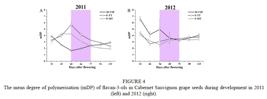
Berry mass: Although berry mass was higher on the six-strand hedge compared to the two-tier trellis in the 1998/1999 season (Table 3), the trellis system did not seem to have any effect on berry mass in the other two seasons (Table 3). This trend also reflected in the mean values over the three seasons (Fig. 4B).
Bunch mass: The trellis system did not affect bunch mass in the 1999/2000 season (Table 3). In the 1998/1999 and 2000/2001 seasons, bunches were smaller on the two-tier trellis than on the six-strand hedge. Considering the mean bunch mass over the three seasons, the trellis system affected bunch mass (Fig. 4C).
Yield: In the 1998/1999 and 1999/2000 seasons, yields were generally lower compared to 2000/2001 (Table 3). The lower yield in 1998/1999 was because some cordon arm development was still required. Although cordon arms were fully developed in 1999/2000, mean yield was appreciably lower than in 2000/2001. There was a period of drought over the entire Western Cape during 1999 and 2000 (Araujo et al., 2014). This probably contributed to the low grapevine yield in the 1999/2000 season. Since grapevines received adequate water via irrigation in summer, mild winter conditions such as higher air temperatures and lower humidity could have affected grapevine yield in this season. In fact, it was previously shown that low relative humidity and dry soil conditions in winter can reduce grapevine yields substantially (Myburgh, 2003a, 2003b; Myburgh & Van der Walt, 2005; Myburgh, 2008).
In all three seasons, yield on the two-tier trellis was higher compared to the six-strand hedge (Table 3). It is noteworthy that the average yield obtained on the six-strand hedge (Fig. 4D) was higher than the norm of 9 t/ha to 12 t/ha for Sauvignon blanc as proposed by Goussard (2008).
Juice characteristics
TSS: Given that grapes from the respective irrigation strategies were harvested as close as possible to 24°B, there were no meaningful differences in the TSS of the different irrigation strategy/trellis system treatment combinations. The sugar content at harvest varied between 20.2°B and 22.6°B (data not shown). However, the increase in sugar content of the grapes on the two-tier trellis was consistently slower than that on the six-strand hedge. Depending on the season, grapes on the two-tier trellis were harvested one to two weeks after those on the six-strand hedge. This agrees with slower sugar accumulation as yield increases (Williams & Heymann, 2017; Myburgh & Howell, 2023).
TTA: In the 1998/1999 season, TTA tended to be lower on the two-tier trellis compared to the six-strand hedge (Table 4). In the 2000/2001 season, TTA was lower on the two-tier trellis compared to the six-strand hedge. This trend was probably caused by slightly cooler grapes due to less exposure to solar radiation on the six-strand hedge than those on the two-tier trellis (Kliewer 1971; Iland, 1989). However, more exposed leaves on the six-strand trellis could also have contributed towards higher juice TTA (Iland, 1989). On average, the juice TTA produced by grapevines on the two-tier trellis combinations was within the typical range of 5 g/L to 8 g/L for grapes (Rajkovic et al., 2007), whereas the juice TTA of the six-strand hedge (Fig. 5) was slightly higher than the reported typical range.
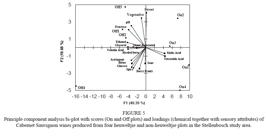
pH: In the 1998/1999 season, the trellis system had no effect on juice pH (Table 4). In the 1999/2000 and 2000/2001 seasons, results were inconsistent with respect to trellis systems. On average, juice pH was lower for grapevines growing on the six-strand hedge than those on the two-tier trellis (Fig. 5). It is also noteworthy that the juice pH for both trellis systems was in the optimum range of 3.0 to 3.5 for winemaking (Kodur, 2011; Walker & Blackmore, 2012).
Effect of irrigation strategy
Vegetative growth
As mentioned in the Materials and Methods section, grapevines from strategies that were irrigated at 50% depletion prior to véraison were topped in December. Within such constraints of doing a vineyard field study, it should be noted that it is most likely that the cane mass of such strategies should have been higher. Therefore, the differences between irrigation strategies would have been even more pronounced than reported in Table 5 if the canes had not been topped. Irrigation at 75% RAW depletion from budbreak until harvest (S7) reduced the cane mass of grapevines compared to irrigation applied at 50% RAW depletion over the period (S1) in the 1998/1999 and 2000/2001 seasons (Table 5). The cane measurements in August 2021 revealed that the length of the secondary canes was higher for the S1 grapevines compared to the S7 ones (data not shown). On average, S7 reduced cane mass compared to S1 (Fig. 6). The growth reduction in cases where irrigation was applied at higher soil water depletion levels from budbreak to harvest agrees with previous results (Van Zyl, 1984a; Myburgh, 1996; Lategan, 2011). The cane mass of suckered VSP-trained Shiraz grapevines also decreased with an increase in the level of PAW depletion (Stolk, 2014; Lategan & Howell, 2016). In contrast, deficit irrigation did not reduce the cane mass of Castelão grapevines, whereas no irrigation caused a substantial reduction compared to well-watered grapevines (Santos et al., 2005). Colombar grapevines irrigated every seven days throughout the season produced higher pruning mass than those irrigated every two, three or four weeks (Myburgh, 2007). Merlot grapevines subjected to continuous deficit irrigation also produced lower cane mass than those that were irrigated more frequently (Munitz et al., 2017). It has previously been shown that irrigation of Sauvignon blanc grapevines at 40% ET reduced the vegetative growth of the vines in the 1999/2000 season compared to irrigation at 80% ET (Gu et al., 2015). According to Wenter et al. (2018), deficit irrigation reduced the vegetative growth of drip-irrigated Sauvignon blanc.
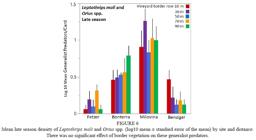
Water deficits applied from flowering up to pea size berries (S2) had no effect on the Sauvignon blanc grapevines (Table 5). However, where grapevines were subjected to water deficits over a longer period, i.e. from flowering to véraison (S3), cane mass was lower than that of S1 grapevines in the 1989/1999 season. Mean cane mass over three years followed similar trends (Fig. 6). Previous studies have also shown that vegetative growth was most sensitive to soil water constraints after flowering (Van Zyl, 1984a; McCarthy, 1997).
Where irrigation at 50% RAW depletion was terminated at véraison (S5), grapevines had lower cane mass compared to S1 for the 2000/2001 season (Table 5). Cane mass tended to be lower where the irrigation at 75% RAW depletion was terminated at véraison (S8), compared to that of grapevines that irrigated at 75% RAW depletion from budbreak until harvest in the 1998/1999 and 2000/2001 seasons (Table 5). Mean cane mass over three years showed similar trends (Fig. 6). This agrees with reduced grapevine cane mass caused by post-véraison deficits compared to a fully irrigated control (McCarthy, 1997). Irrigation of grapevines from flowering to véraison at 50% RAW depletion tended to increase vegetative growth compared to irrigation at 75% RAW depletion from budbreak until harvest (S7).
Yield components
Bunch number: Although the different irrigation strategies caused differences in bunch numbers, the differences were not consistent over the three seasons (Table 6). However, considering the mean values, grapevines that received the least irrigation (S8) had fewer bunches per grapevine compared to S1 and S2, which received the most irrigation (Fig. 7). Similarly, severe water constraints tended to reduce the number of bunches compared to well-watered grapevines (Hardie & Considine, 1976; Santos et al., 2005). Where irrigation at 75% depletion was changed to 50% depletion from flowering to véraison (S6), bunch numbers were lower than most of the wettest treatments (Fig. 7).
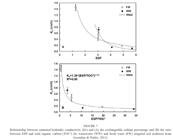
Berry mass: Irrigation applied at 75% RAW depletion until harvest (S7) reduced berry mass in the 1989/1999 and 1999/2000 seasons compared to S1 (Table 6). Irrigation applied at 75% PAW depletion from budbreak until harvest also reduced berry mass compared to irrigation at 10%, 30% and 50% depletion (Van Zyl, 1984b). It was previously reported that continued water deficits from budbreak until harvest reduced berry size (Santos et al., 2005; Myburgh, 2011; Pérez-Alvarez et al., 2021). Water deficits from flowering to pea size berries (S2) only tended to reduce berry size compared to continued irrigation at 50% RAW depletion (S1) in all three seasons. In contrast, water deficits from flowering until véraison (S3) caused a more pronounced reduction in berry size in the 1989/1999 and 1999/2000 seasons. Irrigation S6 increased berry size in the 1999/2000 season and tended to increase the berry size in the other two seasons compared to S8. Similarly, irrigation applied at 75% RAW depletion and stopped at véraison (S8) also reduced berry size compared to S1 in the 1999/2000 and 2000/2001 seasons. On average, water deficits from flowering to véraison (S3) reduced berry mass substantially compared to S1 (Fig. 8). The reduced berry size caused by pre-véraison water deficits agrees with earlier findings (Hardie & Considine, 1976; Van Zyl, 1984b; McCarthy, 1997). Irrigation applied at 75% RAW depletion until harvest (S7) also reduced berry mass compared to S1 (Fig. 8). Irrigation applied at 75% PAW depletion from budbreak until harvest likewise reduced berry mass compared to irrigation at 10%, 30% and 50% depletion (Van Zyl, 1984b). Irrigation applied at 50% RAW depletion and stopped at véraison (S5), as well as 75% depletion stopped at véraison (S8), similarly reduced berry mass (Fig. 7). Post-véraison water deficits caused a similar reduction in berry size of Cabernet Franc (Hardie & Considine, 1976). The application of irrigation at pea size berries and véraison affected Sauvignon blanc berry mass (Myburgh, 2005), while the irrigation of Sauvignon blanc grapevines at 25% evapotranspiration (ET) reduced berry mass in two seasons compared to irrigation at 100% Etd (Balint & Reynolds, 2013). It was also shown that irrigation of Sauvignon blanc grapevines at 40% ET reduced vegetative growth, berry and bunch mass in the 1999/2000 season compared to irrigation at 80% ET (Gu et al., 2015). According to Wenter et al. (2018), deficit irrigation reduced the berry mass of drip-irrigated Sauvignon blanc.
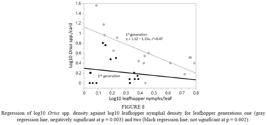
Bunch mass: Although there were differences in bunch mass between the irrigation strategies in the 1998/1999 and 2000/2001 seasons, there were no consistent trends (Table 6). On average, prolonged pre-véraison deficits (S3) tended to reduce bunch mass compared to the other treatments (Fig. 9). The sensitivity of bunch mass to pre-véraison water constraints has also been reported previously (McCarthy, 1997).
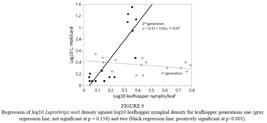
Yield: Although irrigation strategy had an effect on yield, it was not consistent over the three seasons (Table 7). However, Sauvignon blanc grapevines irrigated at 75% RAW depletion throughout the season (S7) on average produced fewer grapes than those irrigated at 50% depletion throughout the season (S1) (Fig. 10). Likewise, higher levels of soil water depletion maintained from budbreak to harvest reduced the yield of Manto Negro and Tempranillo (Medrano et al., 2003), Castelão (Santos et al., 2005), Merlot (Myburgh, 2011), Shiraz (Lategan, 2011; Lategan & Howell, 2016), Cabernet Sauvignon (Williams & Heymann, 2017), Verdejo (Vilanova et al., 2019) and Bobal (Pérez-Alvarez et al., 2021). In contrast, Merlot grapevines only tended to produce lower yields when subjected to a higher level of soil depletion from budbreak to harvest (Munitz et al., 2017). On average, irrigation at 50% RAW depletion from budbreak to harvest (S1) produced the highest yields (Fig. 10). The lowest yields were produced where irrigation at 50% RAW depletion was stopped from flowering to véraison (S3), in S6, and where irrigation at 75% depletion was stopped at véraison (S8). The sensitivity of grape yield towards pre-véraison as well as post-véraison water deficits agrees with previous findings (Hardie & Considine, 1976; McCarthy, 1997). Irrigation of Sauvignon blanc grapevines at 25% ET only tended to reduce yield (Balint & Reynolds, 2013). It was also shown that irrigation of Sauvignon blanc grapevines at 40% ET also tended to reduce yield (Gu et al., 2015).
It is noteworthy that the average yield obtained with the least irrigation, i.e. S8 (Fig. 10), was higher than the norms of 9 t/ha to 12 t/ha for Sauvignon blanc proposed by Goussard (2008). Furthermore, irrigation of the Sauvignon blanc grapevines growing in the semi-arid Breede River region produced substantially more grapes than the norms proposed by Goussard.
Juice characteristics
TTA: Although there were differences between irrigation strategies, they were not consistent in any of the three seasons (Table 7). On average, irrigation at 75% PAW depletion (S7 & S8) produced lower levels of juice TTA compared to most of the other strategies over the three seasons (Fig. 11). On average, the juice TTA produced by the grapevines of all the trellis system/irrigation strategy combinations were within the typical range of 5 g/L to 8 g/L for grapes (Rajkovic et al., 2007).
pH: On average, irrigation strategy had no effect on juice pH, except that grapevines where irrigation at 75% RAW depletion was changed to 50% from flowering to véraison (S3) had a lower pH compared to all of the other strategies (Fig. 12). The foregoing agrees with previous studies that showed that irrigation strategies do not have major effects on juice pH (Hardie & Considine, 1976; Van Zyl, 1984b; Myburgh, 2011; Williams & Heymann, 2017). It should also be noted that the juice pH for all the trellis system/irrigation strategy combinations was in the optimum range of 3.0 to 3.5 for winemaking (Walker & Blackmore, 2012).
Water footprint and water use efficiency
The average WFblue of the Sauvignon blanc grapes produced with micro-sprinkler irrigation was higher than the global value of 97 m3/t proposed by Mekonnen and Hoekstra (2010) (Table 8). This was probably due to the fact that drip irrigation requires less water than micro-sprinklers (Van Zyl & Van Huyssteen, 1988; Myburgh, 2012), and that most vineyards are drip irrigated (Way, 2014). Under the prevailing conditions, the WFblue of grapes produced on the two-tier trellis was substantially lower compared to the six-strand hedge, irrespective of the level of RAW depletion (Table 8). This confirmed that it is possible to reduce the WFblue if the bearing capacity of grapevines is extended vertically. In doing so, more grapes can be produced with the same irrigation volume. Although yields were marginally lower, irrigation at 75% RAW depletion tended to reduce the WFblue of grapes produced on both trellis systems compared to irrigation at 50% RAW depletion. Furthermore, the WFblue of grapes produced on the two-tier trellis where irrigation was applied at 75% RAW depletion was 44% lower compared to the six-strand hedge, where irrigation was applied at 50% RAW depletion (Table 8). The 148 m3/t WFblue of grapes produced on the two-tier trellis was similar to the 138 m3/t reported for drip-irrigated Cabernet Sauvignon grapes on a Scott Henry trellis with a vertically split canopy (Williams & Heymann, 2017). In the latter study, however, the WFblue was only reduced when less irrigation caused a concomitant reduction in yield. Consequently, such an approach is certainly not an economically viable option to reduce the WFblue of wine grapes.
As expected, the WUEi of the micro-sprinkler-irrigated grapevines on the six-strand hedge was substantially lower than the 10.4 kg/m3 reported by Myburgh (2011) for drip-irrigated Merlot on vertical trellis in the Coastal Region (Table 8). However, the WUEi of grapevines on the two-tier trellis was only slightly less than the 7.9 kg/m3 of Thompson Seedless grapevines on a horizontally orientated trellis system in the Breede River Valley (Myburgh & Howell, 2023). The WUEi of grapes produced on the two-tier trellis where irrigation was applied at 75% RAW depletion was 78% higher compared to the six-strand hedge with irrigation applied at 50% RAW depletion. The foregoing confirms that it is possible to reduce the WFblue, or increase the WUEi substantially, by producing more grapes, as well as using less irrigation water.
CONCLUSIONS
This was the first study in which Sauvignon blanc responses to water deficits were determined in a semi-arid region of South Africa. Furthermore, it is the only study where different irrigation strategies were applied in different phenological stages. The vegetative growth of Sauvignon blanc was sensitive to water deficits during various stages. The distribution of growth vigour over longer cordons on the two-tier trellis reduced the primary shoot length and thickness. Consequently, the cane mass of grapevines on the two-tier trellis was unexpectedly lower compared to the six-strand hedge with shorter cordon arms. Sauvignon blanc berry mass was most sensitive to water deficits during the pre- and post-véraison period, as well as from continued water deficits from budbreak to harvest. This eventually reflected in the yield. In the case of the six-strand hedge, the average yield of grapevines was above industry norms. Furthermore, water deficits did not have any detrimental effects on juice TTA and pH. The best irrigation strategy for Sauvignon blanc is to avoid water constraints during the pre-véraison period. If irrigation water is limited, or when water restrictions are imposed during droughts, irrigation can be reduced, or even terminated, during the post-véraison period. This study shows that more grapes can be produced with the same volume of irrigation water by extending the bearing capacity of grapevines vertically. Furthermore, it is possible to produce more grapes with less water, and in doing so reduce the WFblue, or increase the WUE, of wine grapes in a profitable way.
LITERATURE CITED
- Amerine, M.A. & Winkler, A.J., 1944. Composition and quality of musts and wines of California grapes. Hilgard 15, 493-673.
- Anon, 2014. IPW Wine and Spirit Board. Scheme for Integrated Production of Wine. Integrated production of wine: Manual for farms. Compiled by ARC Infruitec-Nietvoorbij in consultation with the vine and wine industry. 32 pp.
-
Araujo, J.A., Abiodun, B.J. & Crespo, O., 2014. Impacts of drought on grape yields in Western Cape, South Africa. Theor. App. Climatology, 2014, 1-14. https://hal.science/hal-01161906
» https://hal.science/hal-01161906 - Balint, G. & Reynolds, A.G., 2013. Effect of different irrigation strategies on vine physiology, yield, grape composition and sensory profile of Sauvignon blanc (Vitis vinifera L.) in a cool climate. J. Int. Sci. Vigne Vin. 47, 159-181.
- Bruwer, R.J., 2010. The edaphic and climatic effects on production and wine quality of Cabernet Sauvignon in the Lower Olifants River region. Thesis, Stellenbosch University, Private Bag X1, Matieland 7602, South Africa.
- Cataldo, E., Salvi, L. & Matii, G.B., 2021. Effects of irrigation on ecophysiology, sugar content and thiol precursors (3-S-cysteinylhexan-1-ol and 3-S-glutathionylhexan-1-ol) on Vitis vinifera cv. Sauvignon blanc. Plant Physiol. Biochem. 164, 247-259.
- Coombe, B.G., 1995. Adoption of a system for identifying grapevine growth stages. Aust. J. Grape Wine Res. 1, 104-110.
- De Villiers, F.S., Schmidt, A., Theron, J.C.D. & Taljaard, R., 1996. Subdivision of the Western Cape viticultural regions according to existing climate criteria (in Afrikaans). Wynboer Tegnies, January 1996, 10-12.
- Fourie, J., 2021. Cover crops in South African vineyards. Agricultural Research Council, Pretoria, South Africa.
- Goussard, P., 2008. Grape cultivars for wine production in South Africa. Cape Town, South Africa.
- Gu, S., Guoqiang, D., Zoldoske, D., Hakim, A., Cochran, R., Fugelsang, K. & Jorgensen, G., 2015. Effects of irrigation amount on water relations, vegetative growth, yield and fruit composition of Sauvignon blanc grapevines under partial rootzone drying and conventional irrigation in the San Joaquin Valley of California. J. Hortic. Sci. Biotech. 79, 26-33.
- Hardie, W.J. & Considine, J.A., 1976. Response of grapes to water-deficit stress in particular stages of development. Am. J. Enol. Vitic. 27, 55-61.
- Howell, C., 2026a. Irrigation strategy and trellis system (Part 1): Vegetative growth of Pinotage grapevines in the Breede River Valley region. Wineland Technical Jan/Feb 2026, 74-78.
- Howell, C. 2026b. Irrigation strategy and trellis system (Part 2): Yield of Pinotage grapevines in the Breede River Valley region. Wineland Technical March 2026, 54-60.
- Howell, C.L. & Myburgh, P.A., 2024. Response of Vitis vinifera L. cv. Pinotage to irrigation strategy and trellis system in the Breede River Valley Region: Vegetative growth, yield and juice characteristics. S. Afr. J. Enol. Vitic. 45, 92-106.
- Iland, P., 1989. Grape berry composition - the influence of environmental and viticultural factors. Part 2 - Solar radiation. Aust. Grapegrow. Winemaker, April 1989, 74-76.
- Kliewer, W.M., 1971. Effect of day temperature and light intensity on concentration of malic and tartaric acids in Vitis vinifera L. grapes. J. Amer. Soc. Hort. Sci. 96, 372-377.
- Kodur, S., 2011. Effects of juice pH and potassium on juice and wine quality, and regulation of potassium in grapevines through rootstocks (Vitis): A short review. Vitis 50, 1-6.
- Lategan, E.L., 2011. Determining of optimum irrigation schedules for drip irrigated Shiraz vineyards in the Breede River Valley. Thesis, Stellenbosch University, Private Bag X1, 7602 Matieland (Stellenbosch), South Africa.
- Lategan, E.L. & Howell, C.L., 2016. Deficit irrigation and canopy management practices to improve water use efficiency and profitability of wine grapes. WRC Report No. 2080/1/16. Water Research Commission and Winetech, Stellenbosch.
- Le Roux, E.G., 1974. A climate classification for the South Western Cape viticultural areas (in Afrikaans). Thesis, Stellenbosch University, Private Bag X1, 7602 Matieland (Stellenbosch), South Africa.
- McCarthy, M.G., 1997. The effect of transient water deficit on berry development of cv. Shiraz (Vitis vinifera L.). Aust. J. Grape Wine Res. 3, 102-108.
- Medrano, H., Escalona, J., Cifre, J., Bota, J. & Flexas, J., 2003. A ten-year study on the physiology of two Spanish grapevine cultivars under field conditions: effects of water availability from leaf photosynthesis to grape yield and quality. Func. Plant Biol. 30, 607-619.
- Mekonnen, M.M. & Hoekstra, A.Y., 2010. The green, blue and grey water footprint of crops and derived crop products. Value of Water Research Report Series No. 47, UNESCO-IHE, Delft, the Netherlands.
- Munitz, S., Netzer, Y. & Schwartz, A., 2017. Sustained and regulated deficit irrigation of field-grown Merlot grapevines. Aust. J. Grape Wine Res. 23, 87-93.
- Myburgh, P.A., 1996. Response of Vitis vinifera L. cv. Barlinka/ Ramsey to soil water depletion levels with particular reference to trunk growth parameters. S. Afr. J. Enol. Vitic. 17, 3-14.
- Myburgh, P.A., 2003a. Possible flood irrigation technologies to reduce water use of Sultanina grapevines in a hot, arid climate. S. Afr. J. Plant Soil 20, 180-187.
- Myburgh, P.A., 2003b. Responses of Vitis vinifera L. cv. Sultanina to water deficits during various pre- and post-harvest phases under semi-arid conditions. S. Afr. J. Enol. Vitic. 24, 25-33.
- Myburgh, P.A., 2005. Water status, vegetative growth and yield responses of Vitis vinifera L. cvs. Sauvignon blanc and Chenin blanc to timing of irrigation during berry ripening. S. Afr. J. Enol. Vitic. 26, 62-67.
- Myburgh, P.A., 2006. Juice and wine quality responses of Vitis vinifera L. cvs. Sauvignon blanc and Chenin blanc to timing of irrigation during berry ripening in the Coastal region of South Africa. S. Afr. J. Enol. Vitic. 27, 1-7.
- Myburgh, P.A., 2007. The effect of irrigation on growth, yield, wine quality and evapotranspiration of Colombar in the Lower Orange River Region. Wineland, Technical Yearbook 2007/08, 59-62.
- Myburgh, P.A., 2008. The contribution of atmospheric humidity to yield fluctuations of Sultanina in the Lower Orange River region. Wynboer Technical Yearbook, 2008/9, 38-41.
- Myburgh, P.A., 2011. Response of Vitis vinifera L. cv. Merlot to low frequency irrigation and partial root zone drying in the Western Cape Coastal Region - Part II. Vegetative growth, yield and quality. S. Afr. J. Enol. Vitic. 32(1), 104-116.
- Myburgh, P.A., 2012. Comparing irrigation systems and strategies for table grapes in the weathered granite-gneiss soils of the Lower Orange River Region. S. Afr. J. Enol. Vitic. 33, 184-197.
- Myburgh, P.A., 2018. Handbook for irrigation of wine grapes in South Africa. Agricultural Research Council, Pretoria, South Africa.
- Myburgh, P.A. & Howell, C.L., 2023. Effects of soil ameliorants produced from recycled glass on the establishment of table grapes. S. Afr. J. Enol. Vitic. 11, 101-111.
- Myburgh, P.A. & Van der Walt, L.D., 2005. Cane water content and yield responses of Vitis vinifera L. cv. Sultanina to overhead irrigation during the dormant period. S. Afr. J. Enol. Vitic. 26, 1-5.
- Naor, A., Bravdo, B. & Hepner, Y., 1993. Effect of post-véraison irrigation level on Sauvignon blanc yield, juice quality and water relations. S. Afr. J. Enol. Vitic. 14, 19-25.
- Peel, M.C., Finlayson, B.L. & McMahon T.A., 2007. Updated world map of the Köppen-Geiger climate classification. Hydrol. Earth Syst. Sci., 11, 1633-1644.
- Pérez-Alvarez, E.P., Intrigliolo Molina, D.S., Vivaldi, G.A., García-Esparza, M.J., Lizama, V. & Alvarez, I., 2021. Effects of the irrigation regimes on grapevine cv. Bobal in a Mediterranean climate: I. Water relations, vine performance and grape composition. Agric. Wat. Manage. 248. https://doi.org/10.1016/j.agwat.2021.106772
- Rajković, M.B., Novaković, I.D. & Petrović, A., 2007. Determination of titratable acidity in white wine. J. Agric. Sci. 52, 169-184.
- Santos, T.P., Lopes, C.M., Rodrigues, M.L., De Souza, C.R., Ricardo-da-Silva, J.M., Maroco, J.P., Pereira, J.S. & Chaves, M.M., 2005. Effects of partial root-zone drying irrigation on cluster microclimate and fruit composition of field-grown Castelão grapevines. Vitis 44, 117-125.
-
SAWIS, 2023. South Africa wine industry statistics. www.wosa.co.za
» www.wosa.co.za - Soil Classification Working Group, 1991. Soil classification - A taxonomic system for South Africa. Memoirs on natural agricultural resources of South Africa No. 15, Dept. of Agric. Develop., Private Bag X144, Pretoria, 0001 South Africa.
- Stolk, R.A., 2014. The effect of irrigation and canopy management on selected vegetative growth and reproductive parameters of Vitis vinifera L. cv. Shiraz in the Breede River Valley. Thesis, Stellenbosch University, Private Bag X1, Matieland 7602, South Africa.
- Van Schalkwyk, D., 2004. Methods to determine berry mass, berry volume and bunch mass. Wineland, September, 111-112.
- Van Zyl, J.L., 1984a. Interrelationships among soil water regime, irrigation and water stress in the grapevine (Vitis vinifera L.). Dissertation, Stellenbosch University, Private Bag X1, Matieland 7602, South Africa.
- Van Zyl, J.L., 1984b. Response of Colombar grapevines to irrigation as regards quality aspects and growth. S. Afr. J. Enol. Vitic. 5, 19-28.
- Van Zyl, J.L. & Van Huyssteen, L., 1988. Irrigation systems - Their role in water requirements and the performance of grapevines. S. Afr. J. Enol. Vitic. 9, 3-8.
- Vilanova, M., Rodriguez-Nogales, J.M., Vila-Crespo, J. & Yuste, J., 2019. Influence of water regime on yield components, must composition and wine volatile compounds of Vitis vinifera cv. Verdejo. Aust. J. Grape Wine Res. 25, 82-95.
- Walker, R.R. & Blackmore, D.H., 2012. Potassium concentration and pH inter-relationships in grape juice and wine of Chardonnay and Shiraz from a range of rootstocks in different environments. Aust. J. Grape Wine Res. 18, 183-193.
-
Way, R., 2014. Irrigation drip system design for a vineyard. https://api.core.ac.uk/oai/oai:digitalcommons.calpoly.edu:braesp-1140.
» https://api.core.ac.uk/oai/oai:digitalcommons.calpoly.edu:braesp-1140 - Wenter, A., Zanotelli, D., Montagnani, L., Tagliavini, M. & Andreotti, C., 2018. Effect of different timings and intensities of water stress on yield and berry composition of grapevine (cv. Sauvignon blanc) in a mountain environment. Sci. Hortic. 236, 137-145.
- Williams, L.E. & Heymann, H., 2017. Effects of applied water amounts and trellis/training system on grapevine water relations, berry characteristics, productivity and wine composition of "Cabernet Sauvignon". Acta Hortic. 1150, 413-426.
- Winkler, A.J., 1962. General viticulture. University of California Press, Los Angeles.

Date Accepted for Publication 20 May 2026