Response of Vitis vinifera L. cvs. Sauvignon blanc, Merlot and Shiraz to Deficit Drip-Irrigation Strategies in the Lower Olifants River Region of South Africa - Soil and Grapevine Responses
Abstract
The annual rainfall in the Lower Olifants River region is only 140 mm. Water therefore is a scarce resource that needs to be used optimally, and grapevines require irrigation. To this end, the effect of drip irrigation strategies on the vegetative growth, yield and wine quality of different grape cultivars growing in this region were investigated in a field trial. Grapevines growing in a red, sandy soil were subjected to four different irrigation strategies. Control grapevines were irrigated at 30% readily available water (RAW) throughout the season (S1). A second irrigation strategy entailed irrigation at 30% RAW depletion before véraison, followed by 75% RAW depletion until harvest (S2). Grapevines were also irrigated at 75% depletion before véraison, followed by 30% RAW depletion until harvest (S3). The driest strategy was irrigated at 75% depletion throughout the season (S4). For all three cultivars, S4 reduced cane mass. Less irrigation before véraison tended to reduce Sauvignon blanc and Merlot yields. Irrigation at 75% RAW depletion during berry ripening reduced Shiraz berry mass substantially, which resulted in significant yield losses. Under the prevailing conditions, S4 produced the best sensorial Sauvignon blanc wine quality. Prominent fresh vegetative and subdued tropical fruit aromas contributed to better wine quality. Reduced irrigation during ripening improved the berry and spicy character of Merlot and Shiraz wines, leading to better overall quality compared to irrigation at 30% RAW depletion. If improved wine quality is the primary consideration, drip-irrigated vineyards in the sandy soils of the region should be irrigated at 75% RAW depletion.
berry mass; cane mass; tensiometers; water constraints; wine colour
INTRODUCTION
The cultivation of wine grapes is an important agricultural activity in many regions of South Africa, particularly in the Western Cape and the Northern Cape. Ten percent of the hectares planted to wine grapes in South Africa can be found in the Lower Olifants River region (SAWIS, 2022). Seven percent of Sauvignon blanc in South Africa is produced in this region. Furthermore, 5.5% and 3.9% of South African Shiraz and Merlot vineyards, respectively can also be found in this region, which has a Mediterranean climate. Based on the growing degree days (GDD) from September until March (Winkler, 1962), the specific locality is in a class IV climatic region (Bruwer, 2010). Lutzville in the Lower Olifants River region receives ca. 47 mm and 93 mm of rainfall in spring and summer and in autumn and winter, respectively (Myburgh, 2018). In contrast, Stellenbosch in the Coastal region receives 250 mm and 490 mm of rainfall in spring and summer as well as autumn and winter, respectively. Given the prevailing climatic conditions in the Lower Olifants region (Myburgh, 2018), water is a scarce resource that must be used judiciously. In addition, the annual rainfall is too low for grape production. Although there is an extensive irrigation scheme in the region, water restrictions are frequently imposed during the droughts that occur periodically in the catchment area. According to the National Water Amendment Act 27 of 2014, water-use licences can be terminated if growers misuse water resources.
Previous research on irrigation strategies in South African vineyards indicates that the wine quality of white cultivars such as Bukettraube, Chenin blanc, Colombar and Sauvignon blanc show little or no response to different irrigation strategies (Van Zyl & Weber, 1977; Conradie & Myburgh, 2000; Myburgh, 2006, 2007b). However, less irrigation increases grapevine water constraints in some of these cultivars (Myburgh, 2005). More recently, irrigation of Sauvignon blanc grapevines at 75% readily available water (RAW) depletion throughout the season increased constraints and improved wine quality compared to 50% depletion (Myburgh, 2018).
For red cultivars, less frequent irrigation, i.e. drier soil conditions, improved the berry aroma character and overall quality of Cabernet Sauvignon, Merlot, Pinotage and Shiraz (Bruwer, 2010; Lategan, 2011; Myburgh, 2011b; Myburgh, 2018; Wenter et al., 2018; Lategan, 2024). However, grapevine yield normally decreases when irrigation is reduced (Myburgh, 2003, 2007b; Lategan, 2011; Myburgh, 2011a, 2011b, 2011c; Balint & Reynolds, 2013; Munitz et al., 2017; Vilanova et al., 2019; Howell & Myburgh, 2024; Lategan, 2024). The extent of yield loss depends on the climate, soil and the stage during which irrigation is reduced (Van Zyl, 1984; Howell & Myburgh, 2024). Most of the above-mentioned studies were carried out in micro-sprinkler-irrigated vineyards in the Western Cape region of South Africa. Consequently, little is known about the response of grapevines, particularly white cultivars, to different drip-irrigation strategies under South African conditions.
On the other hand, the area of wine grape vineyards being irrigated with drippers in South Africa has increased consistently, particularly from 1997 until 2015 (Myburgh, 2018). The area of vineyards under micro-sprinkler irrigation also increased until 2006, followed by a steady decline. This suggests that drip irrigation has become the most popular system by far compared to the other systems, and most of the new vineyards planted in the wine industry are being established under drip irrigation. Present knowledge on regulated deficit irrigation where only a small soil volume is wetted by drippers is insufficient to make reliable recommendations to grape growers about irrigation strategies to achieve optimum wine quality. Hence, the phenological stages when yield and/or wine quality would be sensitive to soil water deficits must be determined, particularly in sandy soil. Such information would enable growers to manage irrigation scheduling within the framework of limited water supplies according to strategies that would avoid water deficits at critical stages or, if necessary, induce water deficits to improve wine quality.
Taking the abovementioned into consideration, the objective of this study was to compare the effects of drip irrigation strategies on the growth, yield and wine quality of Sauvignon blanc, Merlot and Shiraz growing in sandy soil in the Lower Olifants River region of South Africa.
MATERIALS AND METHODS
Experimental layout
The study was carried out at the Lutzville Research Farm of the Agricultural Research Council (ARC) in the Lower Olifants River region during the 2005/2006, 2006/2007 and 2007/2008 seasons. This locality is at 31° 36' latitude and 18° 24' longitude, with an altitude of 31 m. The distance to the Atlantic Ocean is ca. 25 km (Fig. 1). The region has a Mediterranean climate and, based on the growing degree days (GDD) from September until March (Winkler, 1962), the specific locality is in a class IV climatic region (Bruwer, 2010). According to the Heliothermal Index (Huglin, 1978), the locality falls in the HI+2 class for wine quality potential (Bruwer, 2010). Rainfall is generally low, particularly during summer (Myburgh, 2018). The red sandy soil was representative of the Garies form, i.e. an orthic A horizon on a red apedal B with Dorbank (hard, massive, lime enriched) as the underlying material (Soil Classification Work Group, 1991). During soil preparation, a bulldozer was used to move the topsoil aside. Following this, a ripper was used to shatter the Dorbank before the topsoil was moved back. Four-year-old Merlot (Clone Mo348A), Shiraz (Clone SH99B) and Sauvignon blanc (Clone SB317A), all grafted onto 99Richter, were used. The three cultivars were planted in the same vineyard block. Grapevines were planted 2.7 m x 1.5 m and trained onto a five-strand lengthened Perold trellis (Booysen et al., 1992). The total area of the vineyard was ca. 1 ha. Oats was planted as a winter cover crop and chemically controlled before bud break in September (Fourie, 2021). The vineyard was irrigated using 2.3 L/h RAM® drippers (Netafim SA, Kraaifontein), spaced 0.6 m apart in the row. Due to the dry climate and sound management practices, all grapevines were visually free of diseases.
Treatment application
Soil bulk density was determined using 28.5 x 10⁻⁵ m3 undisturbed samples collected from the 0 to 300 mm, 300 mm to 600 mm and 600 mm to 900 mm depth increments. Soil water characteristic curves of 6.8 x 10⁻⁵ m3 undisturbed soil cores, sampled over the same depth increments as the bulk density, were determined by means of the ceramic pressure plate method (Klute, 1986). Samples were obtained from four soil pits that represented soil variation in the experimental vineyard. Soil particle size distribution was determined in samples collected in the pits at the same depths as the undisturbed samples.
Soil water matric potential was measured once a week, as well as before and after irrigations, by means of mercury manometer tensiometers. The latter were installed in the grapevine row ca. 500 mm from a grapevine, at 150 mm, 300 mm, 600 mm and 900 mm depths in four replications. The soil water characteristic curves and bulk densities were used to convert ψM to soil water content at each 300 mm depth increment. The soil water contents were summed to obtain the total soil water content, i.e. mm/900 mm depth.
Strategies were applied from the 2005/2006 to 2007/2008 seasons for Sauvignon blanc grapevines and from 2006/2007 to 2007/2008 for Merlot and Shiraz. Water meters were used to record irrigation volumes. Control grapevines were irrigated at 30% RAW depletion throughout the season (S1). A second irrigation strategy entailed irrigation at 30% RAW depletion before véraison, followed by 75% readily available water (RAW) depletion until harvest (S2). Grapevines were also irrigated at 75% depletion between pea-size berries and véraison, followed by 30% RAW depletion until harvest (S3). The driest strategy was irrigated at 75% depletion from pea-size berries until harvest (S4). Experimental plots comprised two rows of eight grapevines each, with two buffer grapevines at each end and a buffer row on each side to minimise overlapping treatment effects. Each strategy was replicated four times in a randomised block design.
Grapevine responses
Grapevine water status
Grapevine water status was measured before véraison and during the final stages of berry ripening in the 2006/2007 and 2007/2008 seasons for all three cultivars. Grapevine water potential measurements were carried out on days when all irrigation strategies had reached their specific irrigation refill point, i.e. the soil water content at which the next irrigation would need to be applied. Irrigations were applied for all the strategies the day after the grapevine water potential measurements had been determined. Predawn water potential (ΨPD) was measured at 04:00 using pressure chambers (Scholander et al., 1965), following the protocol described by Myburgh (2010). Midday leaf (ΨL) and stem (ΨS) water potential measurements started at 12:00. The different water potentials were measured in one grapevine per experimental plot. A round of measurements was completed within an hour by two people on motorcycles. Incoming solar radiation, air temperature, relative humidity (RH), wind speed, wind direction and precipitation were recorded hourly by means of an automatic weather station (MC Systems, Cape Town) that was erected next to the experimental vineyard.
Vegetative growth
To quantify growth vigour, cane mass at pruning (August) was measured for each experimental plot. The cane mass of all the experimental grapevines in each plot was determined using a hanging balance. Shoot mass per plot (kg) was converted to tonnes per hectare.
Yield components
Véraison was defined as the stage of the season when visual observation showed that ca. 95% of grape berries had changed colour. This was equivalent to stage 36 of the modified Eichhorn and Lorenz grapevine growth identification system (Coombe, 1995). The objective for making experimental wines was to harvest the grapes at 22°B for Sauvignon blanc and 24°B for Merlot and Shiraz. However, due to logistical constraints, this was not always possible. At harvest, all bunches in each experimental plot were picked and counted using mechanical counters. The grapes were weighed to obtain the total mass per plot. Mean yield per grapevine was calculated and converted to ton per hectare. Bunch mass was determined by dividing the total grape mass per plot by the number of bunches per plot. The number of bunches per grapevine was calculated by dividing the total number of bunches per plot by the number of experimental grapevines per plot. Fresh berry mass was determined in all the plots at harvest. Berry samples were obtained by picking 20 berries along the longitudinal axis from each of ten bunches per experimental plot. Berries were removed from bunches by cutting through the pedicle as close as possible to the berry using a small pair of scissors (Van Schalkwyk, 2004). Berry mass was determined in the laboratory by weighing the samples using an electronic balance.
Juice characteristics
Grape samples were collected at harvest from all experimental plots and juice was obtained by gently crushing the berries. The resultant juice was squeezed through cheesecloth and analysed for total soluble solids (TSS), total titratable acidity (TTA) and pH according to the standard procedures of the winery at ARC Infruitec-Nietvoorbji (The Fruit, Vine & Wine Institute of the Agricultural Research Council) near Stellenbosch.
Wine quality
Forty kilograms of grapes from each plot were transported to Stellenbosch, where wines were prepared according to the standard procedures for white and red wines of the winery at ARC Infruitec-Nietvoorbij (Myburgh, 2011b). The fresh vegetative, cooked vegetative and topical fruit aroma characters of the wine, as well as overall wine quality, were scored sensorially for the Sauvignon blanc wines according to an unstructured line scale by a panel of industry experts. The berry, spicy and vegetative aroma characters, as well as colour and overall wine quality, of the Merlot and Shiraz wines were sensorially scored according to an unstructured line scale by a panel of experts. The wines were tasted at ARC Infruitec-Nietvoorbij by industry panels consisting of 12 to 14 experienced wine judges. Judges were women and men, with their ages ranging from 24 to 65 years old. Each judge had a separate tasting booth, and coded wines for tasting were presented to the judges in a random order.
Statistical analyses
Raw data was captured and sorted by using the Microsoft® Excel program available on the ARC IT network. Currently, the data can be accessed on Microsoft® Excel for Microsoft 365. The data were subjected to an analysis of variance (ANOVA) using Statgraphic Centurion XV. The ANOVAs for the data for the grapevine water potentials were performed using SAS software (Version 9.4, SAS Institute Inc, Cary, USA). Least significant difference (LSD) values were calculated to facilitate a comparison between treatment means. Means that differed at p< 0.05 were considered significantly different.
RESULTS AND DISCUSSION
It should be noted that mean results over two years were previously summarised for cane mass, berry mass, yield, juice TTA and pH for S1 and S4 ( Myburgh, 2018), as well as for S1 to S4 (Myburgh, 2011d, 2011e, 2011f). For Sauvignon blanc, the mean over two years for vegetative and fruity character, as well as overall wine quality, were also previously presented for S1 and S4 (Myburgh, 2018) and for S1 to S4 (Myburgh, 2011f). Merlot and Shiraz mean wine colour, berry and spicy character, as well as overall wine quality over two years, were previously reported by Myburgh (2018). This was also done for S1 to S4 (Myburgh, 2011d, 2011e).
The results obtained with all the irrigation strategies in all the seasons are discussed in detail below.
Soil water status
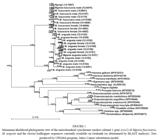
Previous in situ measurements showed that soil water matric potential (Ψm) was -0.0035 MPa when the water content of this particular soil was at field capacity (Conradie & Myburgh, 2000). A similar high Ψm at field capacity was previously reported for a sandy soil in the Hex River Valley (Myburgh, 1996). Due to the sandy nature of the soil, most of the plant-available water in the 900 mm deep root zone was retained above -0.1 MPa (Fig. 2). Consequently, RAW was calculated as the difference in soil water content between Ψm values of -0.0035 MPa and -0.1 MPa. Total RAW water content at field capacity amounted to ca. 140 mm per 900 mm soil depth. The high RAW was probably due to the high fine sand content in these soils (Bruwer, 2010).
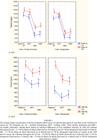
During the warmest months of the year, irrigation had to be applied three times per week to maintain ca. 30% RAW depletion, whereas a single irrigation every 14 days allowed 75% depletion. In the case of 30% and 75% RAW depletion, Ψm amounted to ca. -10 kPa and -60 kPa, respectively, before irrigation was applied. Wetting front detectors showed that free water never drained below 90 cm after irrigation. This confirmed that the irrigation intervals and amounts, as indicated in Table 1, did not cause over-irrigation. The Ψm was consistently within the measuring range of the tensiometers, i.e. not lower than -80 kPa. Due to the frequent measurements, the soil water content could be followed completely over the season (Fig. 3). Under the prevailing conditions, the different cultivars had no apparent effects on the soil water status (data not shown).
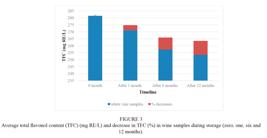
From pea-size berries until the beginning of March, grapevines irrigated at 75% RAW depletion (S4) received 33% less water compared to the control (S1) (Table 1). Approximately 14% less water was applied where irrigations were reduced from pea-size until véraison and during ripening, respectively. Irrigation was required throughout the year in this semi-arid region, therefore the periods during which water deficits could be applied were relatively short. Consequently, the percentage of water reduction obtained with the short deficit irrigation periods was small. The irrigation amounts were comparable to those of Cabernet Sauvignon vineyards in sandy soils in the Lower Olifants River region where no water deficits occurred (Bruwer, 2010). However, irrigation amounts were considerably more than the 156 mm applied to drip-irrigated Merlot in fertile, alluvial soil in the Breede River valley (Lategan & Howell, 2010a). Near Wellington, 128 mm was required during the season to irrigate Merlot in a sandy clay loam soil (Myburgh, 2011b). The irrigation amounts where grapevines were irrigated at a 30% plant available water (PAW) depletion level were lower compared to Shiraz grapevines irrigated at 30% depletion in the Breede River (Lategan, 2011; Lategan & Howell, 2016), but higher for the 75% depletion grapevines in the Lower Olifants River region in sandy soils where no water deficits occurred. In the warm, arid Lower Orange River region, 700 mm was required to produce Sultanina raisins under drip irrigation (Myburgh, 2007a). However, in the case of micro-sprinklers, 880 mm was required for the production of Colombar grapes in the latter region (Myburgh, 2007b). Near Robertson, ca. 619 mm of water was applied where micro-sprinklers were used to irrigate Pinotage, which was irrigated at 50% RAW depletion (Howell & Myburgh, 2024). The foregoing clearly illustrates the positive effect of drippers on efficient water use compared to micro-sprinklers.
Grapevine water status
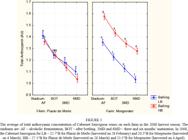
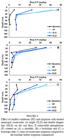
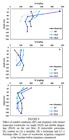
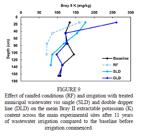
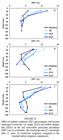
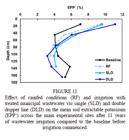
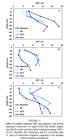
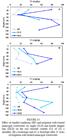
As expected, grapevines that were subjected to 75% RAW depletion throughout the season experienced more water constraints compared to those irrigated at 30% depletion (Figs. 4 to 9). Similar results were reported for Pinotage (Myburgh, 2018) and Shiraz (Lategan, 2011; Lategan, 2024). Furthermore, S2 grapevines of all three cultivars experienced more water constraints during ripening compared to S4 grapevines that were also subjected to 75% PAW depletion at that stage. This suggested that the S2 grapevines, i.e. grapevines that were subjected to water constraints only in the post-véraison period, were probably not physiologically adjusted to the same extent to withstand soil water deficits in comparison with the S4 ones, which were exposed to soil water deficits over a longer period (Fig. 3). The pre- and post-véraison grapevine water status followed similar trends during the 2006/2007 and 2007/2008 seasons (Figs. 4 to 9). Under the prevailing conditions, Merlot and Shiraz showed more water stress compared to Sauvignon blanc during the pre- and post-véraison periods. This suggested that Sauvignon blanc grapevines were able to regulate their water status more efficiently than Merlot, and particularly than Shiraz, using mechanisms such as partial stomatal closure.
Vegetative growth
In the 2005/2006 season, water deficits had no effect on the vegetative growth of Sauvignon blanc (Table 2). This was probably because the cordon arms of the young grapevines were not fully developed in the first year of treatment application. Similarly, the vegetative growth of Merlot and Shiraz grapevines did not respond to the irrigation treatments in the first year, i.e. 2006/2007 (Tables 3 & 4). However, in the 2006/2007 and 2007/2008 seasons, water deficits applied throughout the season (S4), as well as before véraison (S3), reduced the vegetative growth of Sauvignon blanc compared to the control (S1). In the 2007/2008 season, the vegetative growth of Merlot and Shiraz responded in a similar way to the water deficits. Reduced vegetative growth caused by higher water constraints that were induced by 75% RAW depletion was similar to findings by other researchers (Lategan & Howell, 2016 and references therein; Howell & Myburgh, 2024). Furthermore, pre-véraison water constraints also reduced the vegetative growth of grapevines compared to the fully irrigated control (McCarthy, 1997). Although grapevine growth responds readily to water deficits, the lack of larger differences between treatments was probably because water constraints were only induced after most of the shoot growth had occurred. This was done deliberately to avoid sparse canopies that might have caused over-exposure of the grapes under the warm, dry and windy conditions in the Olifants River valley.
For all three cultivars, irrigation applied at 75% RAW depletion prior to véraison (S3) or throughout the season (S4), i.e. the two irrigation strategies that induced high daytime water constraints before véraison, reduced cane mass compared to 30% depletion throughout the season (Fig. 10). This indicates that vegetative growth was primarily reduced by high water constraints in the first part of the season. The cane mass of Sauvignon blanc and Merlot grapevines was comparable, whereas that of Shiraz was higher compared to Bukettraube in the same sandy soil (Conradie & Myburgh, 2000). However, the cane mass of Sauvignon blanc was substantially lower compared to the ca. 3 t/ha reported for the same cultivar in a sandy loam soil near Robertson (Myburgh, 2011c). Similarly, the cane mass of Merlot was considerably lower than the 4 t/ha reported for drip-irrigated Merlot in fertile, alluvial soil (Lategan & Howell, 2010a). In the latter situation, the Ramsey rootstock could have contributed to the stronger growth vigour. The growth vigour of Sauvignon blanc was slightly stronger than that of Merlot, but weaker than that of Shiraz under the same conditions (Fig. 10). Although Shiraz experienced more water constraints than Merlot, cane mass was higher compared to Merlot (Fig. 10). This indicates that the natural growth vigour of these cultivars differed irrespective of the level of water constraints.
Yield components
Water deficits had no effect on the number of bunches per grapevine, irrespective of cultivar (data not shown). This was to be expected since the irrigation strategies were not applied during bunch initiation and/or the differentiation stages, when fruitfulness and bunch size could be affected.
Sauvignon blanc berry mass was only lower where water deficits were imposed during ripening (S2) compared with the wettest treatment (S1) in the 2005/2006 season, whereas water deficits had no effect in the 2006/2007 season (Table 2). Since S2 grapevines were not subjected to water deficits during berry size development and the ripening period was longer in the 2005/2006 season than in 2006/2007, berry shrinkage must have occurred during the later stages of ripening compared to the other irrigation treatments. The berry shrinkage was probably due to the higher water constraints in S2 grapevines compared with the other irrigation strategies, as discussed above. In the 2007/2008 season, all the deficit irrigation treatments reduced the berry mass of Sauvignon blanc compared to irrigation at 30% RAW depletion throughout the season (Table 2). This was probably because water deficits were induced at an earlier stage compared to the first two seasons. It was previously reported that water constraints between fruit set and véraison reduced the berry mass of Pinotage (Howell & Myburgh, 2024). Deficit irrigation treatments had no effect on the bunch mass of Sauvignon blanc compared to the wettest treatment (Table 2). Except in the 2007/2008 season, deficit irrigation did not affect Sauvignon blanc yield significantly (Table 2). In the 2007/2008 season, the yields of S3 and S4 grapevines were substantially less than of the S2 grapevines. This was probably a result of the longer exposure to water stress during the first part of the season.
In the 2006/2007 season, the combination of pre- and post-véraison water deficits (S4) reduced Merlot berry mass compared to S1 and S2, whereas in 2007/2008, the three deficit irrigation treatments reduced berry mass compared to the control (Table 3). The more pronounced effect in the 2007/2008 season was probably because water deficits were induced at an earlier stage than in 2006/2007, as discussed above. Reduced berry mass caused by higher water constraints that were induced by 75% RAW depletion is similar to the findings of other researchers (Lategan, 2011; Lategan & Howell, 2016; Howell & Myburgh, 2024; Lategan, 2024). Similar to Sauvignon blanc, the deficit irrigation did not seem to have any consistent effect on Merlot bunch mass compared to S1 (Table 3). The Merlot yield was not affected by water deficits during any season (Table 3), which indicated that the berry mass differences also did not reflect significantly in yield.
In the 2006/2007 season, the combination of pre-and post-véraison water deficits (S4), along with prevéraison water stress (S3), resulted in smaller Shiraz berries compared to S1 and S2 (Table 4). In the 2007/2008 season, S2 and S4 reduced berry mass compared to the control. The relatively high berry mass of S3 in the 2007/2008 season was probably due to the grapes of this particular strategy ripening more rapidly, being harvested eight days before S1, S2 and S4. This suggested that berry shrinkage during the longer ripening period reduced berry mass compared to grapes that had been harvested earlier. It should be noted that this shrinkage also occurred in grapes that had been irrigated at 30% PAW depletion. Unlike Sauvignon blanc and Merlot, deficit irrigation reduced the bunch mass of Shiraz compared to S1, particularly in the 2007/2008 season (Table 4). Similarly, the yield of Shiraz was reduced by water deficits in the 2007/2008 season.
Although the driest irrigation strategy (S4) reduced the mean berry mass of Sauvignon blanc and Merlot compared to the wettest one (S1) (Fig. 11A), this did not reflect significantly in bunch mass (Fig. 11B) or yield (Fig. 11C). High daytime water constraints of Sauvignon blanc, particularly before véraison, only tended to reduce yield (Fig. 11C). Under the prevailing conditions, the high to severe water constraints of Merlot did not reduce its yield significantly. The fact that irrigation was only reduced from pea-size berries onwards probably did not restrict berry development to such an extent that yield was significantly reduced. Mean yields of Sauvignon blanc produced in the sandy soil were appreciably lower compared to the ca. 16 t/ha reported by Myburgh (2011a) for a sandy loam soil. The average yield of Merlot was slightly lower than the 10 t/ha reported by Myburgh (2011b) for drip-irrigated Merlot in a sandy clay loam soil to which only three irrigations were applied during the season. Although the yield was within the norm of 8 t/ha to 12 t/ha reported by Goussard (2008) for the yield potential of Merlot, it was substantially lower than ca. 20 t/ha of drip-irrigated Merlot in fertile, alluvial soil (Lategan & Howell, 2010b).
Irrigation at 75% RAW depletion throughout the season reduced the berry mass of Shiraz compared to irrigation at 30% depletion (Fig. 11A). Pre- and post- véraison water deficits also reduced the berry mass of Shiraz. Similar results were reported for Shiraz subjected to different irrigation strategies in Australia (McCarthy, 1997). The smaller berries are reflected in lower bunch mass (Fig. 11B) and yield (Fig. 11C). The severe water constraints that occurred in Shiraz during the day were probably the major cause of the lower yield. However, mean yield was considerably higher than the ca. 7 t/ha reported by Du Toit et al. (2003) for drip-irrigated Shiraz in a duplex soil. The yield was also within the norm of 10t/ha to 15 t/ha reported for the yield potential of Shiraz (Goussard, 2008).
Juice characteristics
Berry ripening of the three cultivars responded differently to the irrigation treatments and seasons under the prevailing conditions. The Sauvignon blanc grapes ripened considerably faster in the 2006/2007 and 2007/2008 seasons compared to the 2005/2006 season. Consequently, grapes were harvested on 2007-02-05 and 2008-02-05, which was 17 days earlier than in the 2005/2006 season. This shortened the period during which grapes of S4, and particularly S2, were subjected to water stress. The Merlot grapes were harvested when the sugar content was approximately 24°B, on 2007-03-07 and 2008-02-18 respectively. Since the sugar content in the Shiraz grapes was only ca. 21°B on 2007-03-07, it was decided to harvest 14 days later. However, during that period the sugar content increased by ca. 6°B, which caused the sugar content in the Shiraz grapes to be higher than the target of 24°B when the grapes were harvested on 2007-03-21. In the 2007/2008 season, Shiraz grapes that were subjected to pre-véraison water deficits (S3) ripened more rapidly compared to the other three treatments. Consequently, the S3 grapes were harvested on 2008-03-11, whereas the remaining treatments were harvested on 2008-03-19, when their sugar contents reached ca. 24°B.
At harvest, the juice sugar content of Sauvignon blanc was higher where water deficits were only imposed during ripening (S2), compared with the driest treatment (S4) in the 2005/2006 and 2006/2007 seasons (Table 2). This difference could have been the result of slower sugar accumulation in the case of the S4 grapevines that were exposed to water deficits over a relatively long period, and/or a concentration effect caused by berry shrinkage in the case of the S2 grapevines. However, in the 2007/2008 season, deficit irrigation did not affect sugar compared to the wettest treatment (S1). In the 2005/2006 season, the various deficit irrigation treatments did not affect TTA in the juice compared to S1 (Table 2). However, the combination of pre- and post-véraison water deficits (S4) reduced juice TTA compared to S1 in the 2006/2007 and 2007/2008 seasons. At this stage it is not clear why the longer exposure to pre-véraison water deficits (S3) resulted in lower TTA in 2007/2008. In the 2005/2006 and 2006/2007 seasons, the juice pH of the S2 grapevines was higher compared with most of the treatments (Table 2). The differences in juice pH appeared to be a combination of TTA (Table 2) and K contents (data not shown).
The combination of pre- and post-véraison water deficits (S4) increased the sugar content in Merlot grapes, compared to the other treatments (Table 3). This was probably a concentration effect caused by smaller berries. Except for lower TTA in S4 grapes in the 2007/2008 season, the various deficit irrigation treatments did not affect the TTA in the Merlot juice compared to the control (Table 3). The pH in the Merlot juice was not affected in either of the two seasons (Table 3).
Unlike what was the case in Sauvignon blanc and Merlot, the sugar content in the Shiraz juice was not affected by the various deficit irrigation treatments compared to the control (S1) in any of the seasons (Table 4). In both seasons, pre-véraison water deficits (53) and continued deficits throughout the season (54) reduced the juice TTA compared to S1 and S2 (Table 4). Pre-véraison water deficits also resulted in lower juice pH compared to the other treatments (Table 4). As in the case of Sauvignon blanc, the differences in pH appeared to be a combination of TTA and K content effects.
Prolonged, high day-time water constraints (S4) probably reduced sugar accumulation by Sauvignon blanc compared to the strategy where high water constraints only occurred during ripening (S2) (Fig. 12A). The lower sugar content also indicates that smaller berries (Table 2) do not necessarily have a concentration effect on berry contents. The higher TTA (Fig. 12B) in grapes that were irrigated at 30% RAW depletion throughout the season (S1) seemed to have lowered the pH (Fig. 12C) compared to some of the drier strategies. For Merlot, the highest sugar occurred where grapevines were irrigated at 75% RAW depletion from pea-size berries to harvest (S4). Irrigation at 30% RAW depletion throughout the season (S1), as well as sudden water deficits after véraison (S2), reduced the sugar content compared to the strategies in which irrigation was applied at 75% depletion before véraison (S3 & S4). Bigger berries produced by the wettest strategy probably caused a dilution of sugar. In contrast, severe water constraints in the Merlot grapevines that were suddenly subjected to water deficits after véraison could have slowed the rate of sugar accumulation. The different irrigation strategies did not affect the Merlot juice TTA (Fig. 12B) or pH (Fig. 12C). Similar to Merlot grapes produced under the same conditions, the different irrigation strategies had no effect on Shiraz juice pH (Fig. 12C). However, it should be noted that, for Merlot and Shiraz, the juice pH was higher than 3.5, which could cause problems with wine colour stability. Moderate water constraints before véraison probably reduced the total titratable acidity in the juice compared to high to severe water constraints (Fig. 3). Concentration resulting from berry shrinkage during ripening could have caused relatively high acidity where 30% RAW depletion before véraison was followed by 75% depletion.
Wine quality
In the 2005/2006 season, when the irrigation treatments were only applied to Sauvignon blanc, water constraints throughout the season (S4), as well as from fruit set until véraison (S3), produced wines with a more intense fresh vegetative aroma (Table 5). Water constraints that were applied only during ripening (S2) increased the tropical fruit aroma but slightly reduced the acidic taste and wine fullness. A combination of pre- and post-véraison water deficits (S4) increased the acidic taste but reduced the cooked vegetative aroma and wine fullness. The combined effects of lower vegetative aroma, acidity and fullness resulted in lower overall wine quality where grapevines were only subjected to water deficits during ripening compared to the other treatments. In the 2006/2007 season, deficit irrigation had almost no effect on wine character and quality (Table 5), but water deficits during ripening (S2) increased the tropical fruit aroma compared to water deficits from fruit set until harvest (S4). In the 2007/2008 season, water deficits during ripening (S2) reduced the vegetative aroma and tended to increase the tropical fruit aroma (Table 5). Similar to the 2005/2006 season, the combination of lower vegetative aroma, acidity and fullness induced the poorest overall wine quality where grapevines were suddenly subjected to water stress during ripening (S2). The best wine quality was obtained where grapevines were subjected to water deficits from fruit set until harvest (S4).
Pre-véraison water deficits (S3) improved the colour of Merlot wines compared to continued irrigation at 30% RAW depletion (S1) in the 2006/2007 season (Table 6). Post-véraison water stress (S2) improved the berry and spicy aroma character of the wines compared to S4. The latter treatment also had negative effects on the spicy aroma character, acidity and fullness. Water deficits in general resulted in better overall wine quality compared to Merlot irrigated at 30% RAW depletion throughout the season (S1). In the 2007/2008 season, pre-véraison water deficits followed by irrigation at 30% RAW depletion during ripening (S3) had negative effects on all wine and quality aspects, except acidity. These negative effects resulted in poorer overall wine quality compared to the other treatments (Table 6).
In the 2006/2007 season, irrigation at 30% RAW depletion throughout the season (S1) as well as during ripening (S3) had negative effects on Shiraz wine colour compared to post-véraison water deficits (S2) (Table 7). Post-véraison water stress (S2) reduced the berry aroma character of the wines but improved the spicy aroma character of the wines compared to those that were made from grapes that were subjected to pre-véraison water stress (S3). Irrigation at 30% PAW depletion also had negative effects on wine fullness. Continued water deficits resulted in better overall wine quality compared to continued irrigation at 30% RAW depletion in the 2006/2007 season. In the 2007/2008 season, irrigation at 30% RAW depletion during ripening (S3) had negative effects on wine colour, berry aroma, spicy aroma and fullness compared to water deficits throughout the season (S4) (Table 7). These negative effects resulted in poorer overall wine quality compared to the other treatments.
Considering mean values for fresh vegetative and tropical aromas for the three seasons, irrigation at 75% RAW depletion from pea-size berries until harvest, as well as 75% depletion from pea-size berries to véraison, enhanced the vegetative aroma (Fig. 13A) of the Sauvignon blanc wines, but reduced tropical fruit aroma (Fig. 13B). The different irrigation strategies did not affect the cooked vegetative aroma (data not shown). Water deficits from fruit set until harvest (S4) produced Sauvignon blanc wines with higher overall wine quality compared to continued irrigation at 30% PAW depletion (S1), as well as pre- (S3) and post-véraison water deficits (S2) (Fig. 13C). This higher quality was associated with stronger fresh vegetative and lower tropical fruit character. Sauvignon blanc wine quality showed a similar positive response to water constraints in a sandy loam soil near Robertson (Myburgh, 2018). However, in the latter case, better wine quality was associated with a slightly stronger fruity character. The poorest wine quality was obtained where grapevines were suddenly subjected to water constraints during ripening. This result is also in agreement with the findings of Myburgh (2011a).
The Merlot wine colour was not affected by the different irrigation strategies (Fig. 14A). Berry character was the least prominent in wines where irrigation at 75% RAW depletion before véraison was followed by 30% depletion during ripening (S3). The opposite occurred where sudden water constraints occurred after véraison (S2). Irrigation at 75% RAW depletion throughout the season (S4) also enhanced the berry character by 3.3% compared to 30% depletion (S1) (Fig. 14B). The spicy aroma showed similar trends (Fig. 14C), but the different irrigation strategies did not affect the cooked vegetative character (data not shown). Considering the trends in the two seasons, water deficits from fruit set until harvest (S4) produced better Merlot wines compared to the control (S1) and pre-véraison water deficits (S3) (Table 5). Post-véraison water deficits (S2) also produced better wines compared to pre-véraison water deficits (S3). The positive effect of high water constraints during ripening on Merlot wine quality is in agreement with earlier findings (Lategan & Howell, 2010b; Myburgh, 2011b).
Irrigation at 75% RAW depletion from pea-size berries until harvest (S4), or only during ripening (S2), improved the wine colour of Shiraz by 8% and 5.7%, respectively, compared to 75% depletion before véraison followed by 30% depletion during ripening (S3) (Fig. 14A). This indicates that Shiraz wine colour responded more favourably to high water constraints than Merlot. Irrigation at 75% RAW depletion from pea-size berries to harvest (S4) improved berry aroma compared to grapevines subjected to water constraints for a limited period before véraison (S3). The spicy character (Fig. 14C) in the wine showed the same trends as the colour (Fig. 14A), but the different irrigation strategies did not affect the vegetative character (data not shown). Under the prevailing conditions, Shiraz wine colour, as well as berry and spicy character, generally tended to be higher than in Merlot. The better colour, along with the stronger berry and spicy aroma character probably contributed to the higher overall wine quality obtained with irrigation at 75% RAW depletion, either from pea-size berries until harvest or only during ripening. This indicates that the Shiraz wine quality responded more favourably in terms of overall wine quality to the severe water constraints induced by 75% RAW depletion compared to the moderate to high constraints induced by 30% RAW depletion.
Considering the trends in mean values in overall wine quality for the two seasons, water deficits from pea-size berries until harvest (S4), as well as during ripening (S2), produced wines with higher overall quality for Shiraz compared to the control (S1) and pre-véraison water deficits (S3) (Fig. 14). Other studies have shown that continued water deficits also improved the overall wine quality of Shiraz compared to more frequent irrigation in a field trial near Robertson (Lategan, 2011; Lategan & Howell, 2016; Lategan, 2024). In these particular studies, the overall wine quality was also evaluated by a trained panel of wine judges - as in the current study.
CONCLUSIONS
This was the first study in which the responses of Sauvignon blanc, Merlot and Shiraz to water deficits induced by drip irrigation were determined in the Lower Olifants Region of South Africa. The irrigation amounts were higher in the sandy soil typical of the region compared to those reported for drip irrigation in heavier soils. If vineyards were to be irrigated under the prevailing conditions by means of micro-sprinklers, substantially more water would have been required. The study shows that tensiometers can be used for irrigation scheduling in sandy soils, even if deficit irrigation is applied. Wetting front detectors can also be utilised to ensure that no drainage losses occur beyond the root zone. Pre-véraison water deficits and water deficits throughout the season reduced the vegetative growth of Sauvignon blanc, Merlot and Shiraz. The small differences in vegetative growth of the different strategies were probably because water constraints were only induced when most of the shoot growth had occurred. Pre-véraison water deficits and water deficits throughout the season tended to reduce the yield of Sauvignon blanc and Merlot. In contrast, pre- and post-véraison water constraints reduced the berry mass, bunch mass and yield of Shiraz grapevines. The results show that water deficits induced from fruit set until harvest produced better Sauvignon blanc wines compared to continued irrigation at 30% PAW depletion or pre- and post-véraison water deficits, whereas sudden water deficits after véraison produced the poorest quality. Sustained water deficits throughout the season, or applied in the post-véraison period, also improved Merlot wine quality. However, the combination of pre-véraison water deficits followed by irrigation at 30% RAW in the post-véraison period reduced Merlot wine quality. For Shiraz, post-véraison water deficits or sustained water deficits throughout the season improved wine quality. If improved wine quality is the primary objective, drip-irrigated Sauvignon blanc, Merlot and Shiraz vineyards in the sandy soils of the Olifants River valley should be irrigated at ca. 75% RAW depletion. Since deficit irrigation will reduce grapevine yields to some extent, such an irrigation strategy can only be recommended if higher grape prices will compensate for the yield losses.
LITERATURE CITED
- Balint, G. & Reynolds, A.G., 2013. Effect of different irrigation strategies on vine physiology, yield, grape composition and sensory profile of Sauvignon blanc (Vitis vinifera L.) in a cool climate. J. Int. Sci. Vigne Vin. 47, 159-181.
- Booysen, J.H., Steenkamp. J. & Archer, E., 1992. Names of vertical trellis systems (with abbreviations). Wynboer, September 15.
- Bruwer, R.J., 2010. The edaphic and climatic effects on production and wine quality of Cabernet Sauvignon in the Lower Olifants River region. Thesis, Stellenbosch University, Private Bag X1, 7602 Matieland (Stellenbosch), South Africa.
- Conradie, W.J. & Myburgh, P.A., 2000. Fertigation of Vitis vinifera L. cv. Bukettraube/110R on a sandy soil. S. Afr. J. Enol. Vitic. 21, 40-47.
- Coombe, B.G., 1995. Adoption of a system for identifying grapevine growth stages. Aust. J. Grape Wine Res. 1, 104-110.
- Deloire, A., Carbonneau, A., Wang, Z. & Ojeda, H., 2004. Vine and water: A short review. J. Int. Sci. Vigne Vin 38, 1-13.
- Du Toit, P.G., Dry, P.R. & Loveys, B.R., 2003. A preliminary investigation on partial rootzone drying (PRD) effects on grapevine performance, nitrogen assimilation and berry composition. S. Afr. J. Enol. Vitic. 24, 43-54.
- Fourie, J., 2021. Cover crops in South African vineyards. Agricultural Research Council, Pretoria, South Africa.
- Goussard, P., 2008. Grape cultivars for wine production in South Africa. Cheviot Publishing, Cape Town.
- Greenspan, M., 2005. Integrated irrigation of California winegrapes. Prac. Vineyard & Winery, March/April 2005, 21-79.
- Howell, C.L. & Myburgh, P.A., 2024. Response of Vitis vinifera L. cv. Pinotage to irrigation strategy and trellis system in the Breede River Valley Region: Vegetative growth, yield and juice characteristics. S. Afr. J. Enol. Vitic. 45, 92-106.
- Huglin, P., 1978. New method for evaluating the potential of solar thermal environments for wine. In: Intern. Symp. on Ecol. of Grapev., I, Constance, Romania, 1978. Ministry of Agriculture and Food Industry, p. 89-98.
- Klute, A., 1986. Water retention: Laboratory methods. In: Klute, A. (ed.). Methods of soil analysis. Part 1, Physical and mineralogical methods. No. 9, Agronomy Series. Madison, Wisconsin, USA. pp. 635 - 662.
- Lategan, E.L., 2011. Determining of optimum irrigation schedules for drip irrigated Shiraz vineyards in the Breede River Valley. Thesis, Stellenbosch University, Private Bag X1, 7602 Matieland (Stellenbosch), South Africa.
- Lategan, E.L., 2024. Deficit irrigation and canopy management practices to improve water use efficiency and profitability of wine grapes. Doctoral dissertation, Stellenbosch University, Private Bag X1, 7602 Matieland (Stellenbosch), South Africa.
- Lategan, E.L. & Howell, C.L., 2010a. Partial rootzone drying (PRD) of Merlot in the Breede River Valley (Part 1): Irrigation volumes, plant water stress and vigour. Wineland Technical Yearbook 2010, 19-21.
- Lategan, E.L. & Howell, C.L., 2010b. Partial rootzone drying (PRD) of Merlot in the Breede River Valley (Part 2): Yield, water use efficiency and wine quality. Wineland Technical Yearbook 2010, 22-24.
- Lategan, E.L. & Howell, C.L., 2016. Deficit irrigation and canopy management practices to improve water use efficiency and profitability of wine grapes. WRC Report No. 2080/1/16.
- McCarthy, M.C., 1997. Effect of timing of water deficit on fruit development and composition of Vitis vinifera cv. Shiraz. Dissertation, University of Adelaide, Adelaide, Australia.
- Munitz, S., Netzer, Y. & Schwartz, A., 2017. Sustained and regulated deficit irrigation of field-grown Merlot grapevines. Aust. J. Grape Wine Res. 23, 87-93.
- Myburgh, P.A., 1996. Response of Vitis vinifera L. cv. Barlinka/ Ramsey to soil water depletion levels with particular reference to trunk growth parameters. S. Afr. J. Enol. Vitic. 17, 3-14.
- Myburgh, P.A., 2003. Possible flood irrigation technologies to reduce water use of Sultanina grapevines in a hot, arid climate. S. Afr. J. Plant Soil 20, 1-8.
- Myburgh, P.A., 2005. Water status, vegetative growth and yield responses of Vitis vinifera L. cvs. Sauvignon blanc and Chenin blanc to timing of irrigation during berry ripening. S. Afr. J. Enol. Vitic. 26, 62-67.
- Myburgh, P.A., 2006. Juice and wine quality responses of Vitis vinifera L. cvs. Sauvignon blanc and Chenin blanc to timing of irrigation during berry ripening in the Coastal region of South Africa. S. Afr. J. Enol. Vitic. 27, 1-7.
- Myburgh, P.A., 2007a. An investigation into possible water savings using sub-surface irrigation (Part I) - Irrigation quantities, wetting patterns and root distribution. Wineland Technical Yearbook 2007/08, 33-37.
- Myburgh, P.A., 2007b. The effect of irrigation on growth, yield, wine quality and evapotranspiration of Colombar in the Lower Orange River region. Wineland Technical Yearbook 2007/08, 59-62.
- Myburgh, P.A., 2010. Practical guidelines for the measurement of water potential in grapevine leaves. Wineland Technical Yearbook 2010, 11-13.
- Myburgh, P.A., 2011a. Possible adjustments to irrigation strategy and trellis system to improve water use efficiency of vineyards (Part 7): Yield and quality of Sauvignon blanc. Wineland Technical Yearbook 2011, 1-3.
- Myburgh, P.A., 2011b. Response of Vitis vinifera L. cv. Merlot to low frequency drip irrigation and partial root zone drying in the Western Cape coastal region - Part II. Vegetative growth, yield and quality. S. Afr. J. Enol. Vitic. 32, 104-116.
- Myburgh, P.A., 2011c. Possible adjustments to irrigation strategy and trellis system to improve water use efficiency of vineyards (Part 1): Evapotranspiration and crop coefficients. Wineland Technical Yearbook 2011, 1-3.
- Myburgh, P.A., 2011d. Effect of different irrigation strategies on vineyards in sandy soil in the Lower Olifants River region (Part 3): Growth, yield and quality of Merlot. Wynboer Technical Yearbook, 2011, 30-31.
- Myburgh, P.A., 2011e. Effect of different irrigation strategies on vineyards in sandy soil in the Lower Olifants River region (Part 4): Growth, yield and quality of Shiraz. Wynboer Technical Yearbook, 2011, 32-33.
- Myburgh, P.A., 2011f. Effect of different irrigation strategies on vineyards in sandy soil in the Lower Olifants River region (Part 5): Growth, yield and quality of Sauvignon blanc. Wynboer Technical Yearbook, 2011, 33-35.
- Myburgh, P.A., 2018. Handbook for irrigation of wine grapes in South Africa. Agricultural Research Council, Pretoria, South Africa.
- Ojeda, H., Andary, C., Kraeva, E., Carbonneau, A. & Deloire, A., 2002. Influence of pre- and postveraison water deficit on synthesis and concentration of skin phenolic compounds during berry growth of Vitis vinifera cv. Shiraz. Am. J. Enol. Vitic. 53, 261-267.
- SAWIS, 2022. South Africa wine industry statistics, wwwwosa.co.za
- Scholander, P.F., Hammel, H.T., Bradstreet, E.D. & Hemmingsen, E.A., 1965. Sap pressure in vascular plants. Science 148, 339-346.
- Soil Classification Work Group, 1991. Soil classification - A taxonomic system for South Africa. Dept. Agric. Developm., Private Bag X144, Pretoria 0001, South Africa.
- Van Leeuwen, C., Tregoat, O., Choné, X., Bois, B., Pernet, D. & Gaudillère, J.-P., 2009. Vine water status is a key factor in grape ripening and vintage quality for red Bordeaux wine. How can it be assessed for vineyard management purposes? J. Int. Sci. Vigne Vin, 43, 121-134.
- Van Schalkwyk, D., 2004. Methods to determine berry mass, berry volume and bunch mass. Wineland, September, 111-112.
- Van Zyl, J.L., 1984. Interrelationships among soil water regime, irrigation and water stress in the grapevine (Vitis vinifera L.). Dissertation, University of Stellenbosch, Private Bag X1, Matieland 7602, South Africa.
- Van Zyl, J.L. & Weber, H.W., 1977. Irrigation of Chenin blanc in the Stellenbosch area within the framework of the climate-soil-water-plant continuum. Proc. Int. Symp. Quality Vintage, February 1977, Cape Town, South Africa. pp. 331-349.
- Vilanova, M., Rodriguez-Nogales, J.M., Vila-Crespo, J. & Yuste, J., 2019. Influence of water regime on yield components, must composition and wine volatile compounds of Vitis vinifera cv. Verdejo. Aust. J. Grape Wine Res. 25, 82-95.
- Wenter, A., Zanotelli, D., Montagnani, L., Tagliavini, M. & Andreotti, C., 2018. Effect of different timings and intensities of water stress on yield and berry composition of grapevine (cv. Sauvignon blanc) in a mountain environment. Sci. Hortic. 236, 137-145.
- Winkler, A.J., 1962. General viticulture. University of California Press, Los Angeles.

Date Accepted for Publication 03 June 2026