Bottle Fermented Sparkling Wine: Cork or Crown Closures During the Second Fermentation?
Abstract
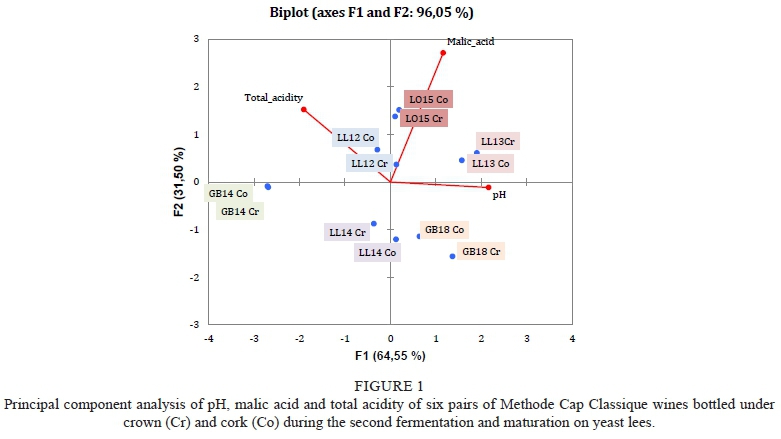
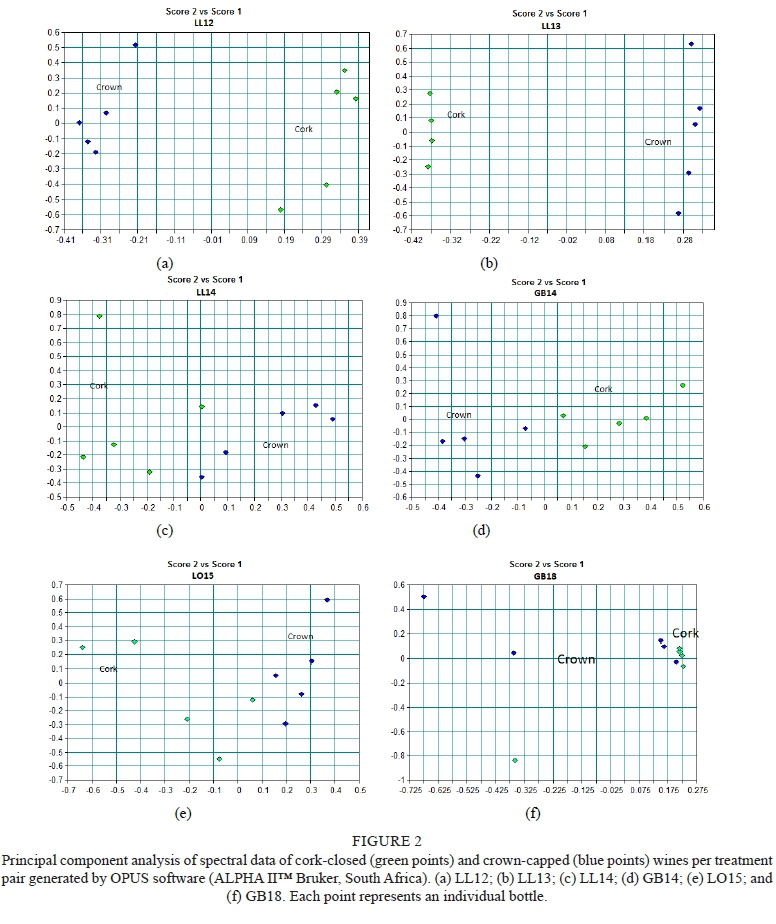
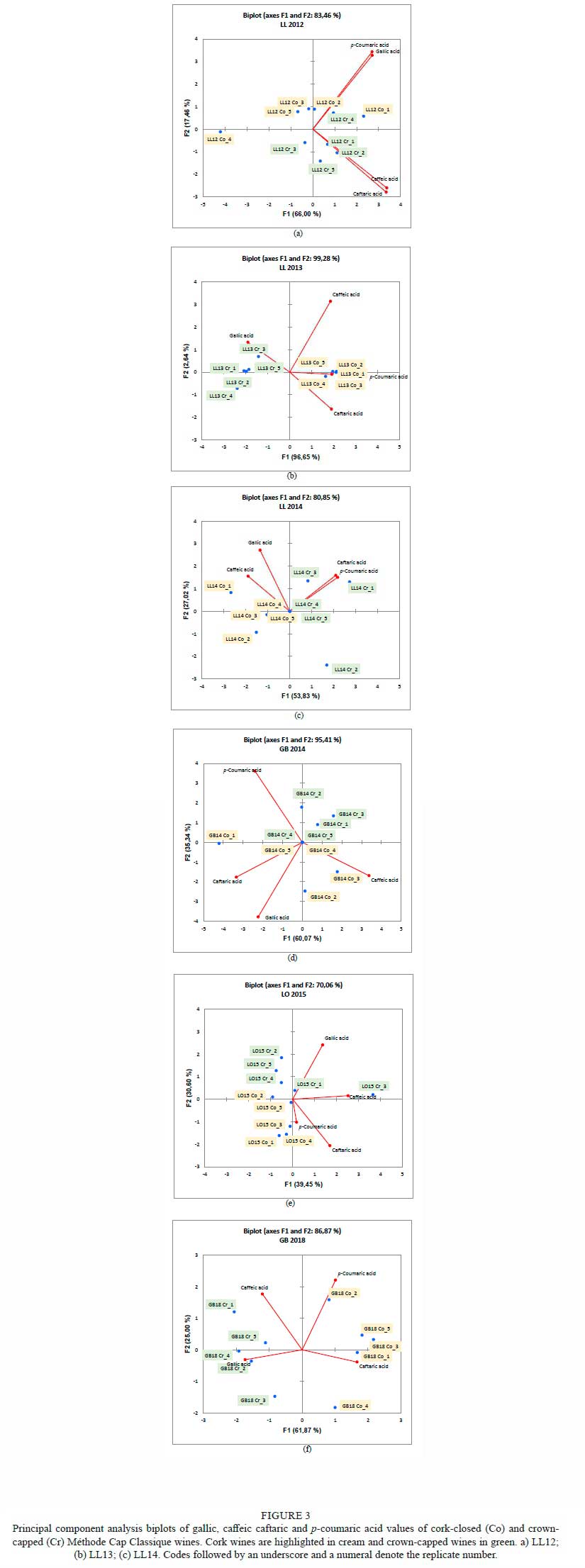
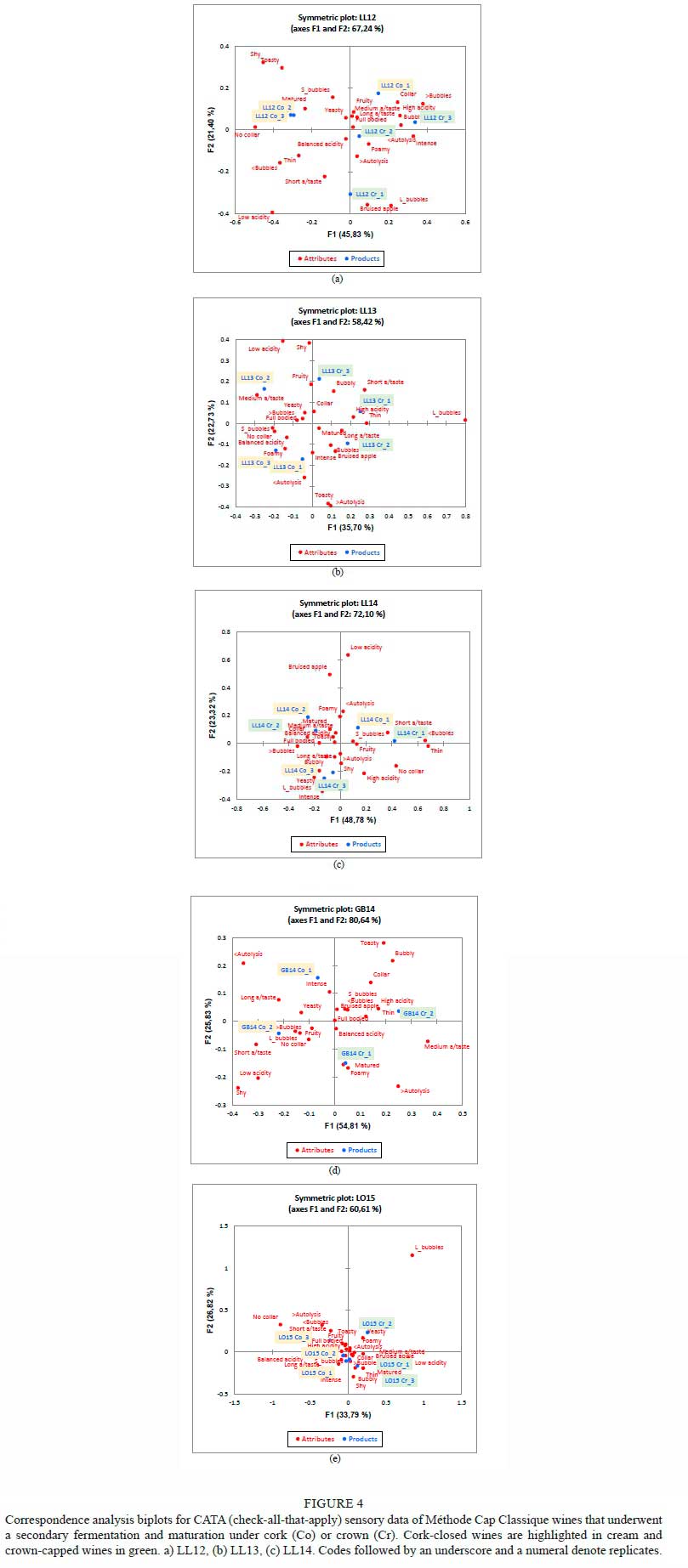
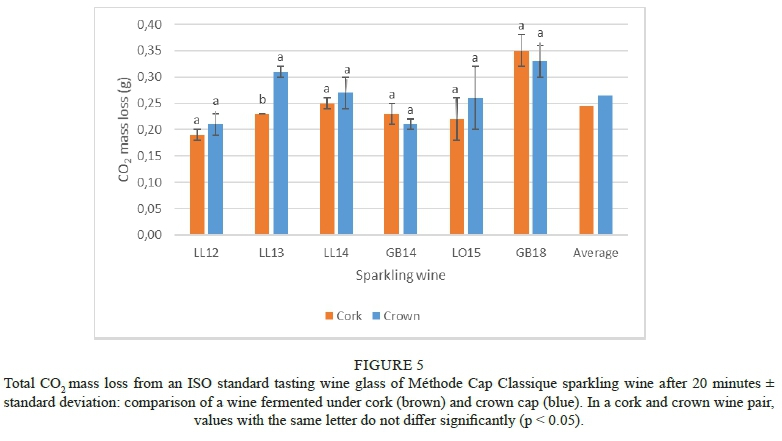
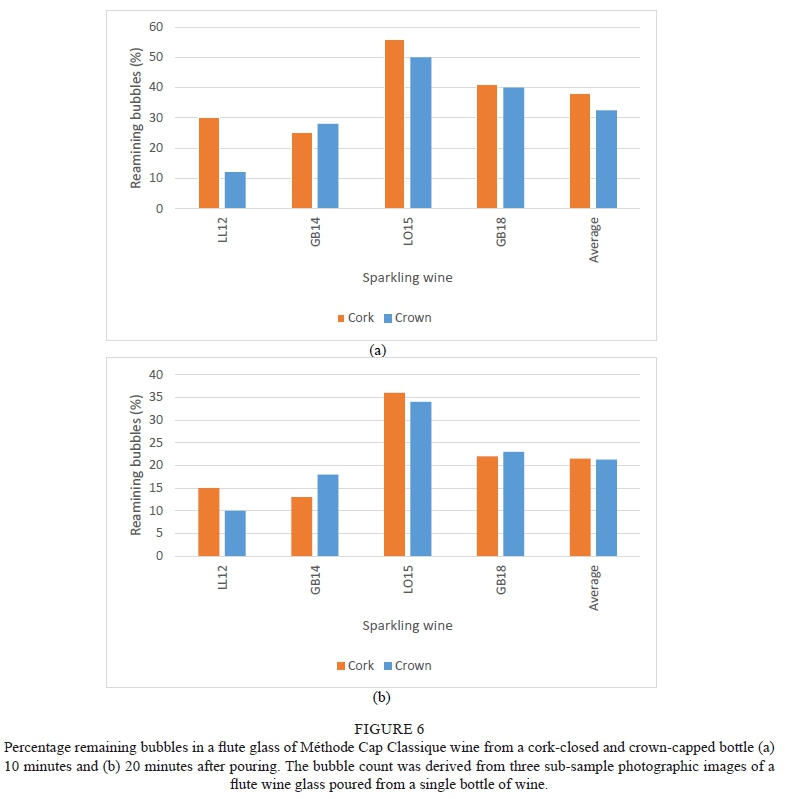
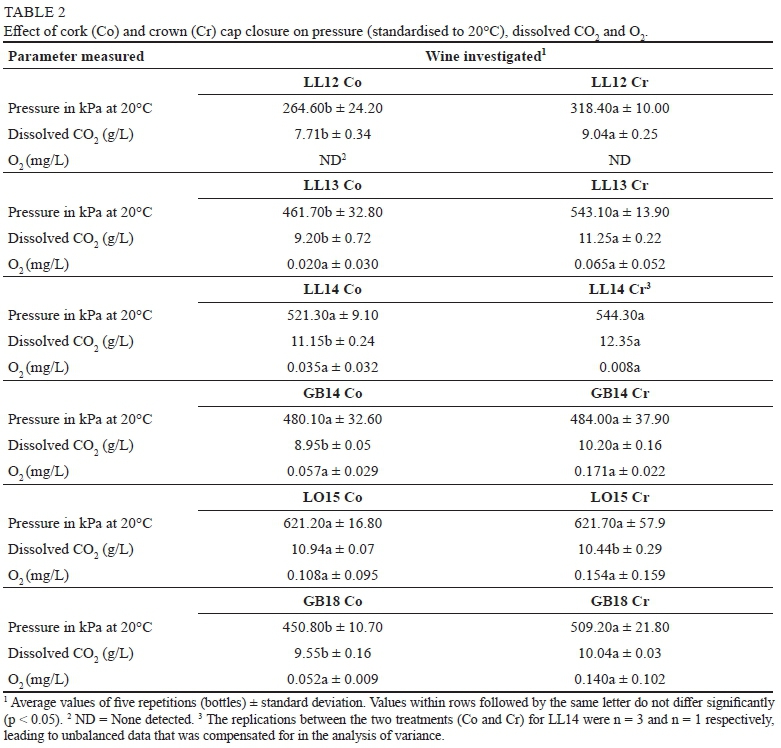
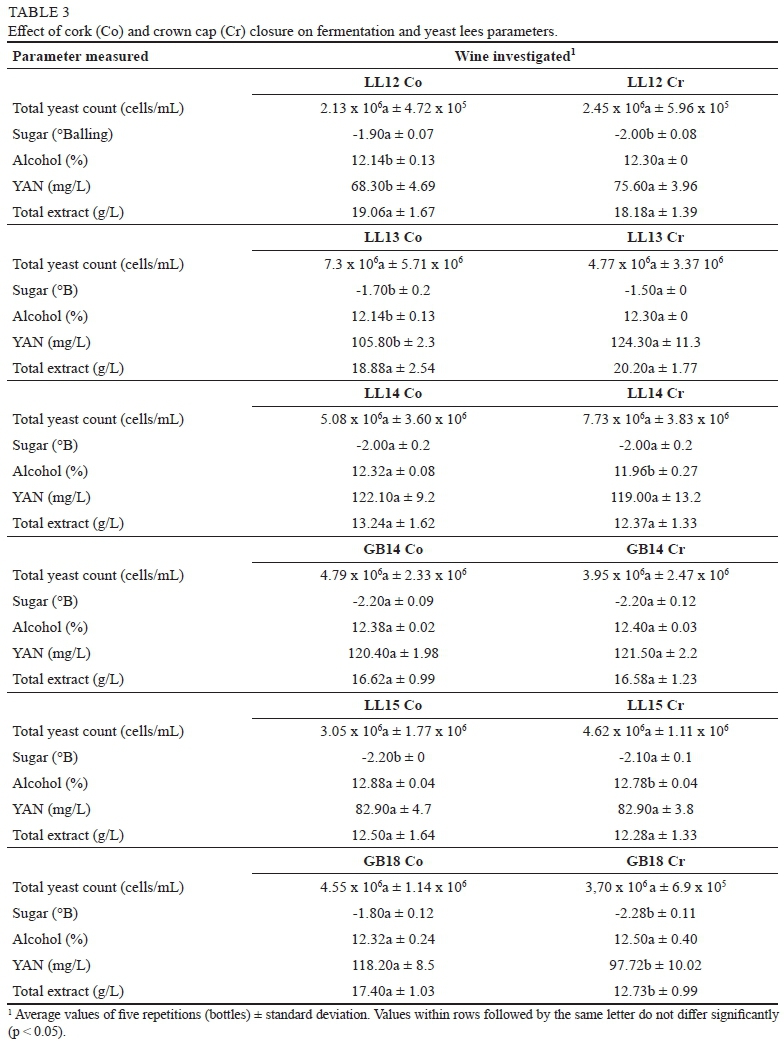
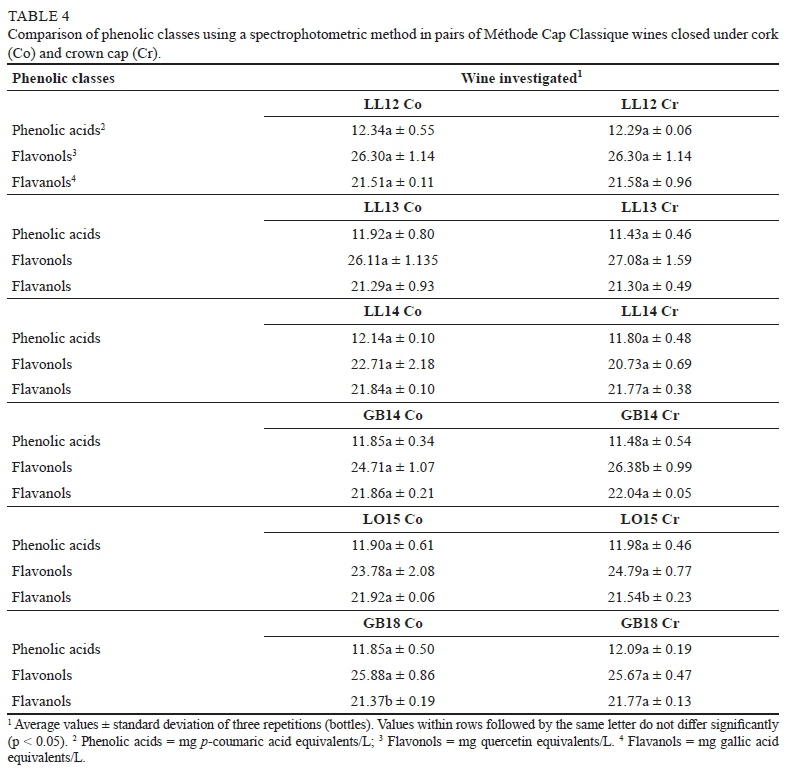
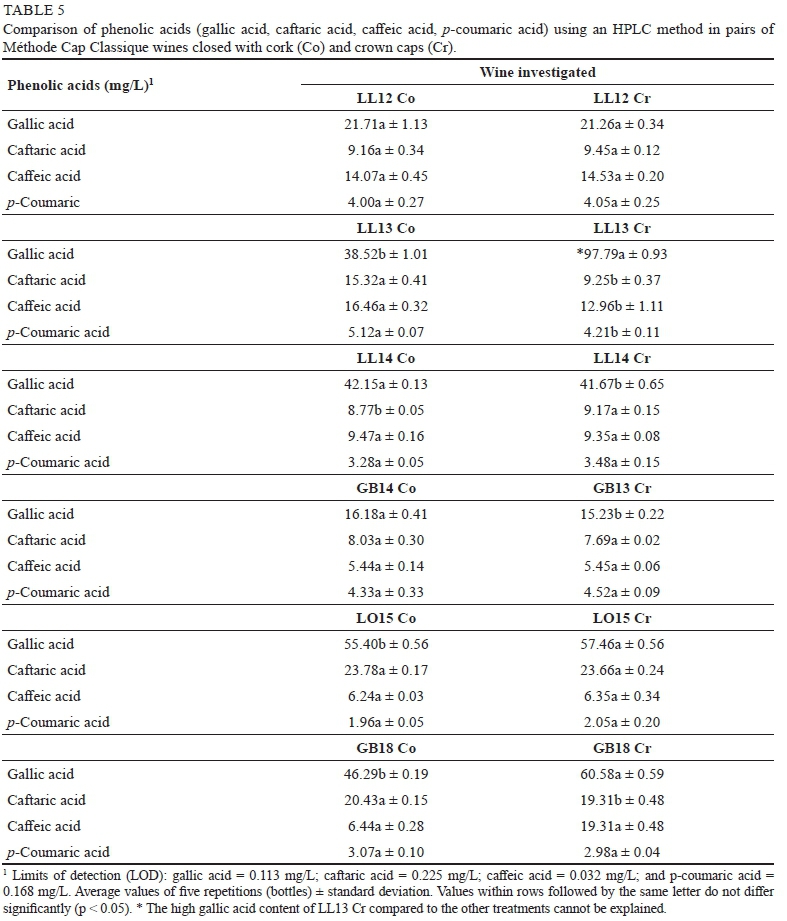
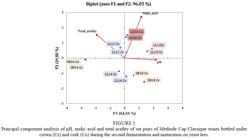
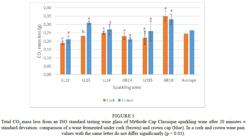
Bottle-fermented sparkling wine producers are continuously striving to increase quality and produce niche products. One production tool that could be used is a cork closure instead of a crown cap closure during the second fermentation and maturation on yeast lees. Anecdotal evidence suggests that this leads to stylistic differences in the wine. Six pairs of South African bottle-fermented sparkling wines (Méthode Cap Classique), closed by either a cork or crown cap, were investigated. Analyses included bottle pressure, infrared spectroscopy, phenolic acids, sensory attributes and CO2 kinetics. Generally, there were differences between the cork-closed and crown-capped wines. Cork-closed wines tended to have lower pressure compared to crown-capped wines, albeit still well within legal requirements. Other differences were evident in the infrared spectral data and in the polyphenol profile of the analysed wines. Levels of gallic, caftaric, caffeic and /7-coumaric acids could be used collectively as marker compounds to differentiate between cork-closed and crown-capped wines. The effect of the cork was also evident in the sensory attributes and CO2 kinetics. Cork-closed wines were judged to have smaller bubbles and a longer aftertaste. It was also shown that the cork-closed wines tended to lose CO2 from the glass slower after being poured than their crown-capped counterparts. The data tentatively support the anecdotal evidence that cork can be used during the second fermentation and maturation on the yeast lees to change the style of bottle-fermented sparkling wine.
Bottle-fermented sparkling wines; cork; crown cap; liquid chromatography; Méthode Cap Classique
 Thumbnail
 Thumbnail
 Thumbnail
 Thumbnail
 Thumbnail
 Thumbnail