Unlocking resource access for startups via the sharing economy
Abstract
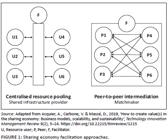
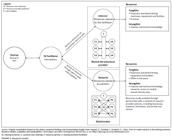
BACKGROUND: In recent years, the sharing economy (SE) has garnered increasing attention for its potential to enable businesses to access resources that would otherwise be difficult or costly to acquire. This is expected to be particularly beneficial for startups that face resource constraints AIM: This research aimed to explore how the SE principles can be applied to help startups gain access to resources for prototype development, testing and verification SETTING: This study investigated how two empirical cases (one in South Africa and another in Norway) apply the SE principles to provide startups with access to resources for prototype development, testing and verification METHODS: This study employed an embedded multiple case study design, drawing on in-depth interviews with key actors associated with the two cases. Interview data were combined with additional data sources, including field visits, observations and secondary data RESULTS: The research findings demonstrate how the SE principles can be applied to enable startups to access both tangible (e.g. specialised prototyping and test equipment) and intangible resources (e.g. technical and market knowledge, networks and pilot customers) through centralised resource pools and peer-to-peer intermediation CONCLUSION: The significance of hands-on engagement with startups is emphasised, as intangible resources (e.g. technical and industry knowledge) are shown to be necessary to facilitate the sharing of tangible resources (e.g. specialised equipment CONTRIBUTION: This study contributes to the growing body of knowledge on the SE, particularly in the context where startups participate in the SE as resource users
sharing economy; startups; networks; resourcing startup enterprises; resource access; prototyping; technology development; multiple case study
 Thumbnail
 Thumbnail