A conductive effect of aid volatility on health poverty in aid-recipient countries
Abstract
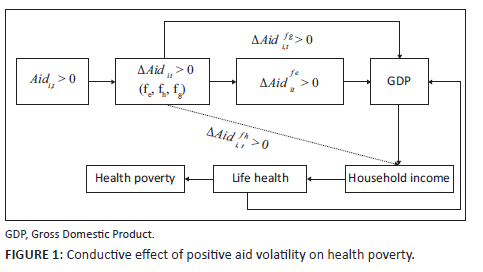
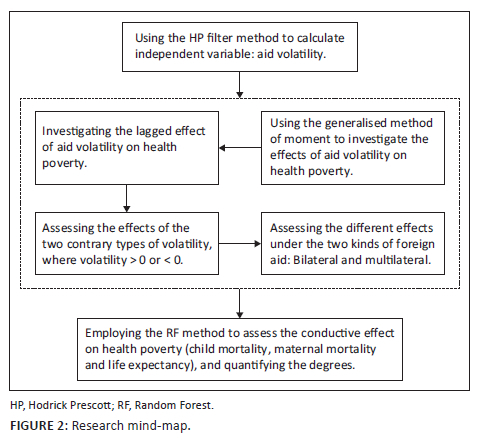
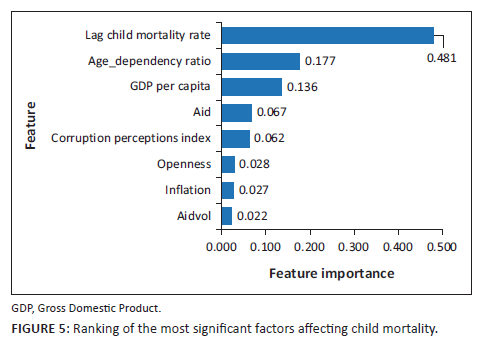
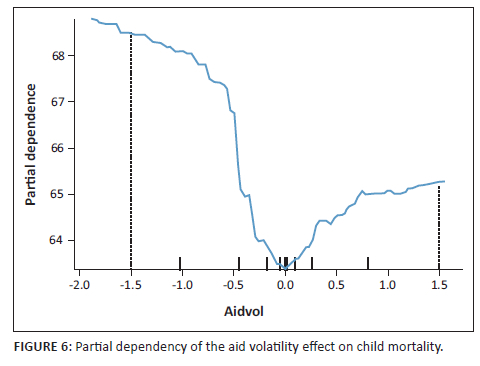
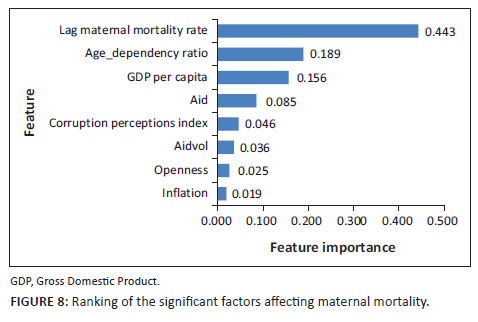
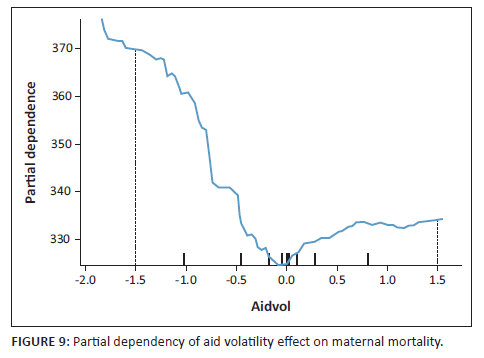
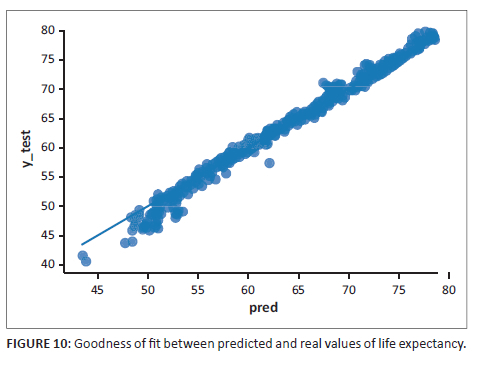
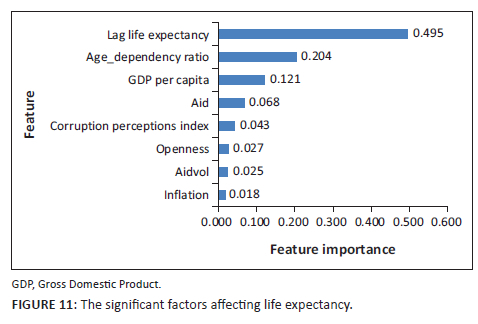
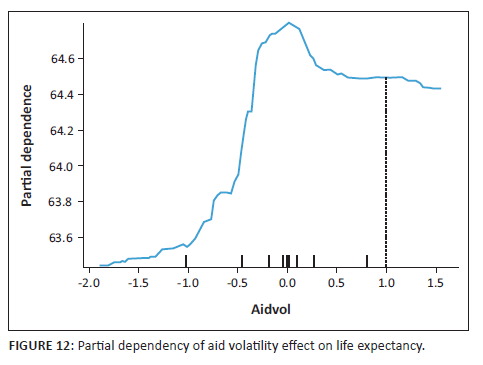
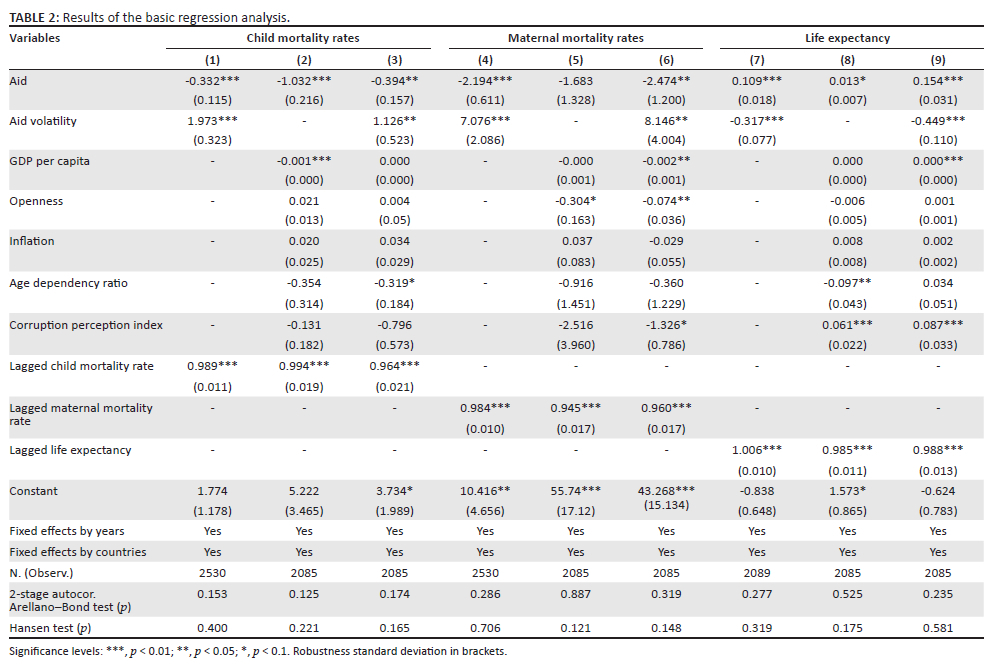
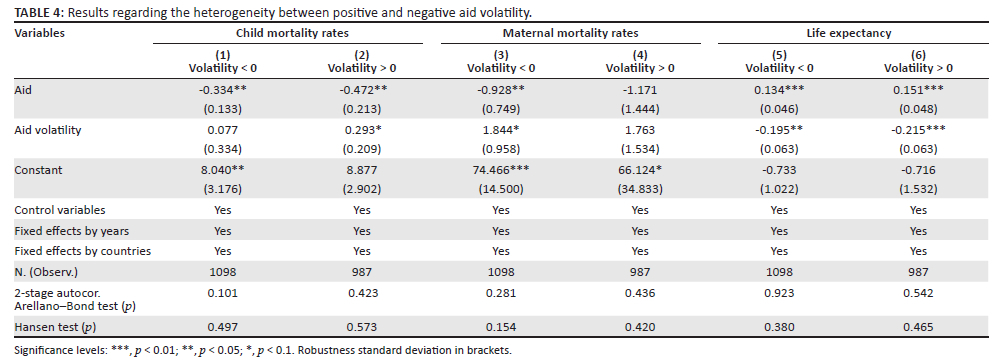
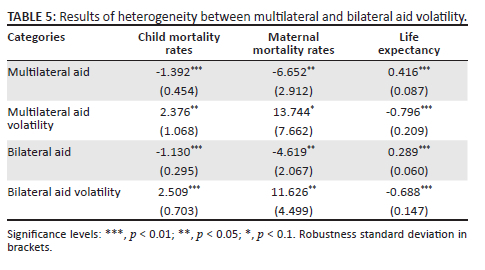
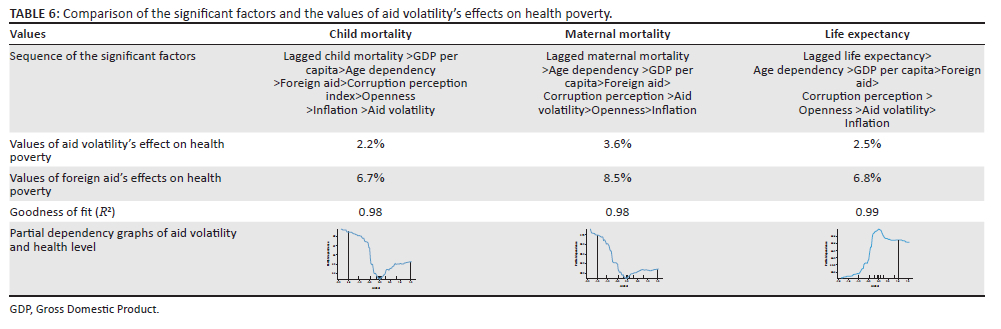
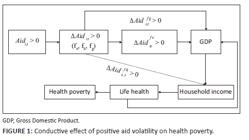
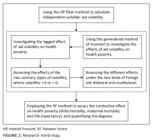
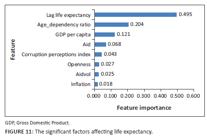
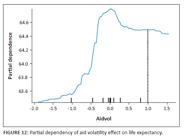
BACKGROUND: Aid volatility has been frequently discussed but its effect on health poverty has not. AIM: The aim of this study is to evaluate the effect of aid volatility on residential health in recipient countries. SETTING: Panel data from 91 recipient countries around the world from 1989 to 2017 were analysed. METHOD: The Random Forest algorithm in machine learning was used. RESULTS: It reveals a conductive effect of aid volatility on public health, as aid volatility accounts for approximately 2.2%, 3.6%, 2.5% significance in child mortality, maternal mortality and life expectancy, respectively. Positive volatility causes more child mortality than negative volatility, while it causes less maternal mortality, although both kinds of volatility have a significant effect on life expectancy. Additionally, multinational aid volatility has a greater impact than bilateral volatility. The age dependency ratio affects maternal health and public life expectancy, while foreign aid and aid volatility are not crucial. CONCLUSION: The donor nations or institutions should keep their aid growth-rate stable in order to ensure sustainable development in both the local economy and public health, while the recipient nations are encouraged to address these issues by developing their economy internally. CONTRIBUTION: According to a conductive effect framework developed during the research, theoretically, an indirect relationship between aid volatility and the health poverty level of recipient countries exists.
foreign aid; aid volatility; health poverty; aid-recipient countries; machine learning method
 Thumbnail
 Thumbnail
 Thumbnail
 Thumbnail
 Thumbnail
 Thumbnail
 Thumbnail
 Thumbnail
 Thumbnail
 Thumbnail
 Thumbnail
 Thumbnail