Earnings thresholds in South Africa listed enterprises: Manipulating research and developmental expenditures
Abstract
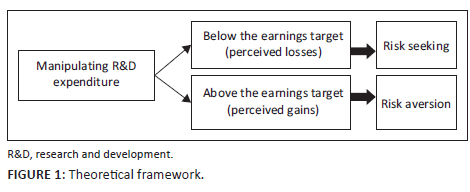
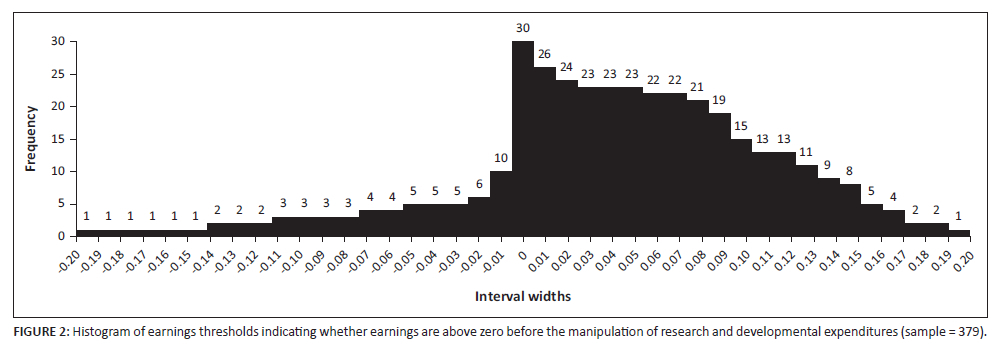
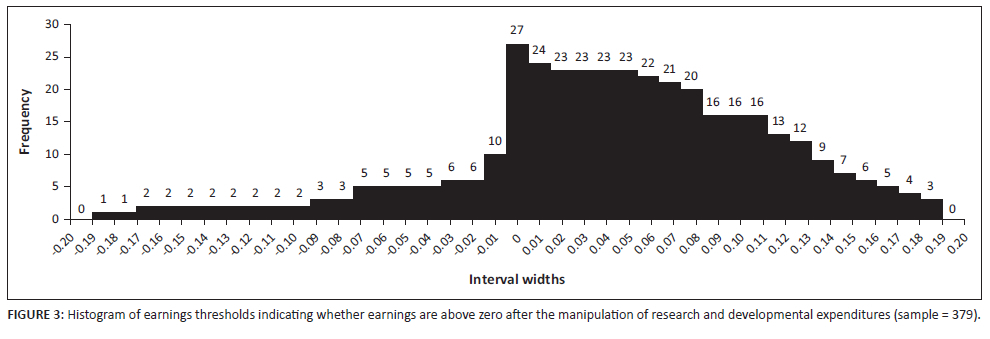
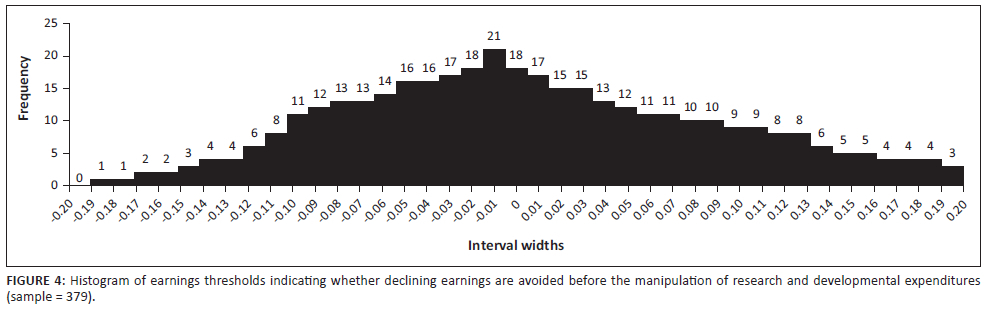
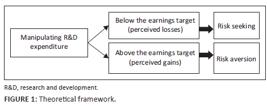
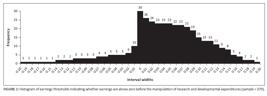
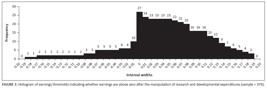
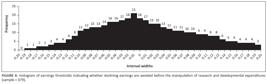
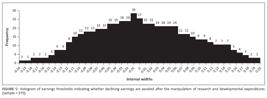
BACKGROUND: Research and developmental (R) expenditure directly affects profits. Therefore, managers are likely to manipulate R expenditure to meet earnings thresholds. AIM: This study investigates whether managers manipulate R expenditure to meet earnings thresholds, while analysing whether the prospect theory explains this behaviour. SETTING: The setting is 62 South African firms listed on the Johannesburg Stock Exchange (JSE) studied from 2011 to 2019. METHOD: We collected 379 annual samples from the S Capital IQ database and applied the earnings distribution model to estimate the effect of the prospect theory on earnings management. RESULTS: Most South African listed enterprises have earnings above zero, or have avoided reporting earnings in decline before earnings manipulation. Furthermore, the study's findings reveal that enterprises that have earnings above zero, or have maintained their earnings in the previous period after manipulation, are risk lovers, whereas enterprises with earnings below zero, or lower than those in the previous period, are risk averters. CONCLUSION: South African listed enterprises do not have a tendency to manipulate R expenditures to achieve earnings above zero or avoid reporting declining earnings. The prospect theory also fails to explain their behaviour. CONTRIBUTION: This study is the first to analyse how the prospect theory explains the behaviour of earnings manipulation by using a sample of South African listed enterprises and thereby fills a research gap.
earnings thresholds; South Africa; R& D expenditures; earnings management; earnings above zero; avoided earnings decreases
 Thumbnail
 Thumbnail
 Thumbnail
 Thumbnail
 Thumbnail