Lessons Learned from Developing a Massive Open Online Course (MOOC) to Support Citizen Scientists in Africa
Abstract
Data gaps limit solutions and policy development for environmental issues. Citizen science offers a possible solution to reduce data gaps at a limited cost while enhancing environmental education (EE). While highly effective in the latter, citizen science campaigns rarely produce reliable, comparable, and meaningful data. This often results from fragmented awareness, varying data collection methods, and little training prior to data collection. This article explores how Massive Open Online Courses (MOOCs) can be used to train citizen scientists, increase the value of citizen science data, and ensure that resources invested in citizen science initiatives are used more efficiently. We use a beach macrolitter monitoring course developed by Sustainable Seas Trust (SST) (NGO/NPO) and GRID-Arendal (a research foundation) as a case study in Africa, since the marine litter issue has widespread public support, and beaches are pleasant locations that attract potential citizen scientists. Beach macrolitter surveys utilise everyday equipment, and monitoring methods are simple if individuals are supported with appropriate training. This is especially relevant in Africa, where plastic pollution is forecasted to increase faster than other regions, and resources for research can be limited. This article gives a modified problem-solution model (mPSM) perspective, considering the challenges and solutions of MOOC development by two organisations working in the same space with limited resources. Challenges to inclusivity for online training in Africa included language barriers and limited technological access. Using Africa as a case study, we show that by combining professional abilities, inclusive digital education can be achieved using data-light MOOCs, offline engagement and other inclusive strategies to overcome the challenges of m- (mobile) and e- (electronic) learning. This kind of EE can be a powerful tool in developing reliable data while enhancing citizens' agency in working towards Sustainable Development Goals (SDGs).
data gaps; beach macrolitter monitoring; modified problem solution model; plastic pollution; Massive Open Online Courses (MOOCs)
Introduction
Reliable data are required to understand the extent of an environmental issue, its impact, and effectiveness of implemented solutions. Data-driven decision-making has become progressively more valuable in guiding local, regional, and global environmental protection strategies and policies (Naudé & Vinuesa, 2021). Without empirical credibility, it is challenging to establish evidence-based patterns (Adekunle, 2021) to support the implementation of viable solutions and policies, and measure their effectiveness. Regions lacking data are, therefore, at a disadvantage when tackling environmental issues. This lack of data, in turn, perpetuates inequality, poverty, and other vulnerabilities (Hilbert, 2016; World Bank, 2020a).
Data gaps can limit solutions and policy development, particularly regarding environmental issues (Jambeck et al., 2015). Where data shortfalls are driven by funding shortfalls, parachute science can occur. Parachute science is when data are gathered in lower-income regions predominantly by scientists and organisations from higher-income regions without the input or participation of local experts and citizens (Stefanoudis et al., 2021). Closing data gaps using this form of science can have long-term negative consequences on the science-policy interface in the country or region where the data are gathered but not shared (Stöfen-O'Brien et al., 2022). Therefore, data collection must proceed with the goal of consulting and/or partnering with local citizens, experts, and local decision-makers.
Citizen Science and Environmental Education (EE)
With the appropriate support, citizen science provides an opportunity to close gaps in data-scarce areas. Citizen science is scientific research conducted by people who are not scientists by profession (Callaghan et al., 2019), typically involving classification and monitoring (Wals et al., 2014). Involving citizens in scientific data collection enables the collection of large and significant datasets (Dunkley, 2017) since it extends coverage across both space and time, increases human and financial resources (Kobori et al., 2016; Van der Velde et al., 2017), and provides large-scale assessments that would otherwise not be possible due to logistical and financial constraints (Nelms et al., 2017).
Van der Velde et al. (2017) showed that citizen science data are robust and reliable when coupled with appropriate training. Indeed, citizen science data are used extensively in biodiversity and pollution studies (De Sherbinin et al., 2021, Gacutan et al., 2022). While training facilitates the collection of valuable and reliable data for formal studies, appropriately trained citizen scientists may also gain skills and knowledge needed to conduct related informal surveys and address local questions or issues. As a result, citizen scientists are further involved in the scientific process (Fraisl et al., 2022).
In addition to the obvious role of research and monitoring (Dunkley, 2017), citizen science is also recognised as a tool for conservation (Cooper et al., 2007). It is a valuable tool for awareness raising and knowledge enhancement as participants become aware of and directly experience the extent of a problem (Locritani et al., 2019; Rambonnet et al., 2019). In this way, citizen science can be considered a form of environmental education (EE). Participation in citizen science enhances scientific literacy (Miller-Rushing et al., 2012). Additionally, as EE is concerned with identifying causes and solutions (Wals et al., 2014), utilising citizens in the classification and quantification of an issue means they consider sources and solutions, and are equipped to become active in the mitigation of the problem. Such agency that allows mitigation can range from behaviour change to solution development and implementation as well as stakeholder engagement (IWMI [International Water Management Institute], 2024).
EE can be fundamentally complemented by post-normal science (PNS), especially in research related to the human-ocean relationship. PNS is a framework for interdisciplinary and transdisciplinary approaches to mitigation identification at the science-society interface (Buchan, 2022), supporting traditional science in dealing with issues that are complex or require complex solutions. PNS is a problem-solving strategy in which scientific inputs come from an 'extended peer community' allowing for inclusive participation from multiple stakeholders, including, in this case, citizen scientists. This allows the complexity and uncertainty of natural systems and human interaction to be captured (Funtowicz & Ravetz, 1993, 2003) and acknowledges citizens as legitimate peers in developing solutions to environmental problems (Buchan, 2022).
An outdated, problematic perspective of citizen science is the instrumentalist view which portrays volunteers (i.e. citizen scientists) as mere technicians working under 'real' scientists. However, citizen scientists are not tools for routine monitoring; they can be, and are, active and valuable contributors to scientific research. The instrumentalist view fails to recognise the expertise, passion, unique perspectives, and social capital, citizen scientists bring. Their involvement in data collection, analysis, and problem-solving is integral to advancing scientific knowledge. The collaborative nature of modern scientific inquiry is undermined by dismissing their contributions as merely freeing up resources for 'real' scientists. A well-designed interactive Massive Open Online Course (MOOC) using the modified problem-solution model (mPSM) and targeting citizen scientists' passion in a focussed area, offers greater public engagement with science, and promotes ownership over research outcomes, fostering trust between the scientific community and society. This results in more inclusive research practices that benefit scientists and society.
A modified Problem-Solution Model (mPSM)
In this study, we harness citizen science for classification and monitoring (Wals et al., 2014) and extend it to EE by identifying causes and solutions to environmental issues (Wals et al., 2014). This is considered within a mPSM framework, utilising plastic pollution in Africa as a case study.
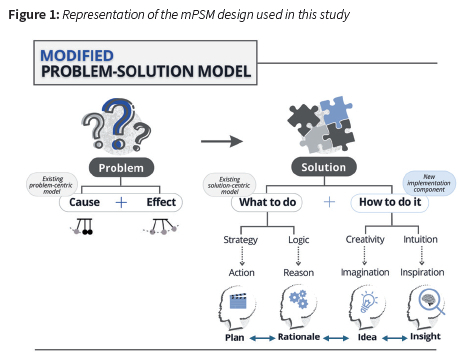
The traditional solution-centric approach to problem-solving, addresses problems individually without consideration for potential negative implications or knock-on effects of good-intentioned actions. The bigger picture is overlooked by viewing (and 'solving') the problem in isolation. Peter Senge's first law of The Fifth Discipline states that the problems we inherit today are likely the result of a series of past solutions which may have seemed right at the time (Senge, 1990). Therefore, a different problem-solving model is needed to ensure that environmental issues are tackled sustainably, with the bigger picture in mind (Senge, 1990). The mPSM considers a problem within a bigger picture (Figure 1) and is expected to provide sustainable solutions while reducing the likelihood of encountering unexpected knock-on effects. A mPSM combines a cause-and-effect analysis (Ishikawa & Loftus, 1990), a PSM (Firend, 2014) and implementation research (Peters et al., 2013). Cause and effect analysis was initially designed as a quality control tool; however, this also assists in discovering the root causes of problems, identifying bottlenecks, and understanding where and why a process is not working (Ishikawa & Loftus, 1990). Implementation research was used in the solution component. Where the solution is concerned with the users of the solution and not purely the production of knowledge, users comprise all who need to be informed, including citizens, practitioners, researchers, and policymakers (Peters et al., 2013). The most important consideration is that users must be considered at all stages of solution design, not simply as targets for disseminating results (Peters et al., 2013). Implementation interventions have improved health service delivery in low- and middle-income countries, working in the most resource-constrained environments, and are proven to measure change, inform stakeholders and guide decision-making (Peters et al., 2013; Peters & Waterman, 1984). Implementation strategies also work in complex systems as they allow for multiple methods and different sources of information to be used to understand an implementation problem (Peters et al., 2013).
mPSM: Beach macrolitter monitoring in Africa as a case study
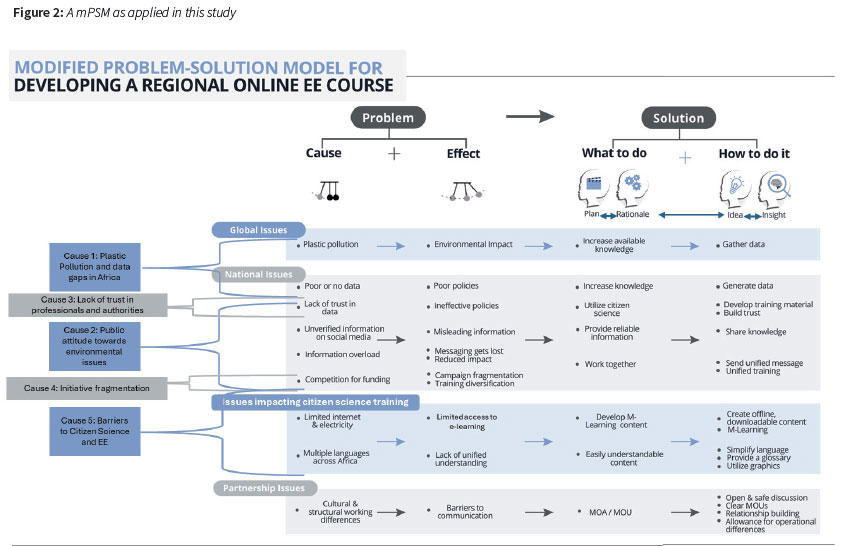
The mPSM provides a viable framework to address environmental issues holistically by articulating the causes of a problem, examining its effect(s), and exploring solutions with particular focus on how to effectively execute ideas. This research uses the waste issue in Africa, particularly marine litter, as a case study to explore a mPSM (summarised in Figure 2).
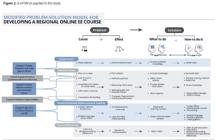
The mPSM focuses on articulating the causes of the problem, for example, plastic pollution as an environmental issue, and the fragmented initiatives aimed at solving this issue. It then examines the effect(s) of those causes on the problem, for example, fragmented initiatives lead to a lack of comparable data on marine litter. We focus on addressing data gaps of marine litter in Africa with a solution of organisational partnerships to create a MOOC to develop trusted citizen science and data collection, further equipping citizens with knowledge and skills to augment EE. We consider how the solution should be implemented (considering technological, language and partnership challenges). Furthermore, the implementation process (the 'how') is considered within a mPSM.
Plastic pollution is monitored based on size fractionates, with macrolitter (items > 25 mm) meso- (5 -25 mm), micro- (<5 mm) and nano-plastics (< 1μm) (GESAMP, 2019). Each size fractionate poses different threats to the environment and species (Arabi et al., 2023), and requires different monitoring methods (GESAMP, 2019). Beach macrolitter monitoring is ideally positioned to be supported by trained citizen scientists to collect accurate data, including baseline data, and monitor the effectiveness of mitigation measures. Beaches are popular locations that attract potential citizen scientists. Beach litter monitoring is a relatively pleasant and safe form of fieldwork that does not require complex equipment. With appropriate training, it is relatively simple. Thus, with the proper training and quality controls, beach clean-ups (where citizens currently collect litter but not data) can be harnessed into citizen science monitoring (using citizens to collect data while collecting litter) to collect valuable data and reduce data gaps. Beach litter monitoring provides a good case study for developing citizen science support platforms, such as MOOCs, thus harnessing citizen science in data collection while supporting EE.
This MOOC was designed to be a part of a larger course which was based on the book African Litter Monitoring Manual, 2nd Edition (Barnardo et al., 2023). The book consists of several chapters each denoting monitoring of either a specific fraction or environment for monitoring. The MOOC in question dealt with beach macrolitter monitoring.
Africa, considered as a whole, is a multifaceted region in which to work. From a marine plastic perspective, it is a data-scarce region (Chitaka et al., 2023), yet through South Africa, it also contains some of the earliest work on marine plastic pollution distribution, quantification and biota interaction (Hughes, 1974; Shaughnessy, 1980; Ryan, 1988; Ryan & Moloney, 1990), references the earliest mention of term "microplastics" in the context of marine plastic pollution (Ryan & Moloney, 1990 referenced in Godfrey, 2020) and has scientific datasets on marine litter spanning decades (summarised by Ryan et al., 2020). Similarly, waste production and management vary substantially across Africa, with municipal solid waste generation ranging from 0.09 to 3.01 kg per capita per day and the collection rate ranging from 18% to > 80% of municipal solid waste generated (UNEP [United Nations Environment Programme], 2018a). When considering economies, Africa contains both highly sophisticated economies with high GDPs and associated high carbon footprints (6.4 tonnes per capita), and economies with low GDPs and low carbon footprints (0.1 tonnes per capita) (Ritchie & Roser, 2020). With 54 countries, over 2 000 languages and a rich tapestry of cultures, one of the beauties and strengths of Africa lies in its diversity of people. Different languages and cultures allow for different approaches to solutions. The African Waste Management Outlook (UNEP, 2018a) highlights some of the relevant and excellent social and technological innovations that have emerged in the waste sector in the region. Africa's amalgamation of resources and lack thereof leads to an interesting rise of local solutions across the region, which should be recognised and supported.
In our case study here, we wanted to ensure that our MOOC did not create barriers to inclusion based on societal factors. By utilising an inclusive approach, our MOOC aimed to reach and enhance EE, while collecting data in both franchised and disenfranchised areas. Thus, the aim was to encourage an increased diversity of stakeholders collecting data, making waste management decisions and increasing ground-up solutions through increased agency. By enhancing citizen science scientific capacity, we also increase participants' potential to think about and act, for a more sustainable future. However, it is noted that to meet this aim, we need to discuss the barriers that arise from social and economic issues and language diversity and how we overcame them. These issues in designing a MOOC are not limited to Africa and can be utilised in other areas to overcome similar issues in a broader context. Africa provides an excellent space for developing a case study and working toward positive change and a more sustainable future.
Identifying the cause/s of the problem (Problem: Cause)
Utilising citizen science to tackle plastic pollution in Africa is a multifaceted issue. Firstly (Cause 1 in Figure 2), though plastic pollution is a global issue, plastic pollution in Africa is rapidly increasing and is projected to increase faster than in other regions (UNEP, 2018a). It is, therefore, imperative to utilise all tools available to address plastic pollution on the continent and its island states. Citizen science is one such tool. However, as described throughout this article, working in Africa comes with its own set of challenges which need to be overcome to harness citizen science successfully. It is noted that these challenges are also relevant in other regions globally. Secondly (Cause 2 in Figure 2), successful citizen science requires an understanding of the public attitude towards the environmental issue/s (Gelcich et al., 2014). It may take time and effort to obtain this information, but the knowledge is crucial to developing and planning the way forward. Thirdly (Cause 3 in Figure 2), there is a lack of trust in professionals and authorities in Africa (Glaeser et al., 2000; Gelcich et al., 2014; Ortiz-Ospina et al., 2016), so NGOs have a pivotal role in developing and measuring the effectiveness of solutions. Fourthly (Cause 4 in Figure 2), initiative fragmentation by multiple organisations utilising citizen science has made it difficult to compare and amalgamate citizen science data (Parker, 2015; Unmüβig, 2011). Lastly (Cause 5 in Figure 2), barriers such as limited electricity prevent the inclusive uptake of citizen science and EE. These causes are expanded on below.
Cause 1: Plastic pollution and data gaps in Africa
Plastic pollution is one of the most significant global environmental threats (UNEP, 2021). It is widely publicised and receives widespread public support.
Though plastic pollution is a global issue, the plastic pollution situation in Africa is rapidly increasing and is projected to increase faster than in other regions (UNEP, 2018a). Although some African countries are reportedly among the top marine litter polluters (Jambeck et al., 2015; Schmidt et al., 2017), relatively few marine litter studies have been conducted regionally (Chitaka et al., 2023). Global estimates of plastic entering the ocean via rivers vary from 0.41 to 12.7 million metric tonnes per year (Boucher & Billard, 2019; Boucher & Friot, 2017; Geyer et al., 2017; Jambeck et al., 2015; Lebreton et al., 2017; Meijer et al., 2021; Schmidt et al., 2017; UNEP, 2018b). Different models estimating plastic leakage utilise varying parameters, leading to variations in estimates. Where underlying data are lacking, estimates of plastic leakage are based on assumptions (Jambeck et al., 2015). As a result, the accuracy of these estimates has been challenged, with Verster and Bouwman (2020) indicating that Jambeck et al. (2015) overestimated South African plastic leakage by as much as six times. This variation in pollution estimates, the uncertainty about data accuracy and lack of critical data highlights the need for cost-effective monitoring and accurate field data.
Cause 2: Public attitude towards environmental issues
Behaviour is driven by structural factors like the social, economic and political environment people are exposed to, and by individual differences in perception and awareness (Beeharry et al., 2017). Citizen science and EE are useful tools to raise awareness and alter the perception of environmental issues. Indeed, public concern and willingness to support initiatives have been shown to increase the more people know and understand an issue (CLAMER, 2011; Hamilton et al., 2015). In turn, interventions and campaigns aimed at changing individuals' perceptions may shift public opinion and increase support for pro-environmental policies (Allcott & Mullainathan, 2010; Carattini et al., 2019). Public support is crucial to successfully implementing policy changes (O'Brien, 2013), especially those requiring behavioural change.
Environmental concerns like plastic pollution are increasingly entering the public and political mainstream (O'Brien, 2013). However, politicising environmental concerns often results in unclear messaging, fragmented or opposing efforts to address issues, and ultimately diminished support for environmental movements (Kulin & Johansson Sevä, 2020; O'Brien, 2013; Van der Heijden, 1999). Trust is a fundamental element of public support and is crucial to sustaining outcomes involving policy and behavioural change (Glaeser et al., 2000). Thus, aspects of trust around institutional structures are essential in considering who should be involved with environmental initiatives, which may include citizen science or EE.
Cause 3: Lack of trust in professionals and authorities
Trust in institutional authority across Africa depends on the type of institution. Studies have shown that the African public trusts their neighbours more than their governments (Glaeser et al., 2000; Ortiz-Ospina et al., 2016). Similarly, government-funded scientists are trusted less than those working for universities (Gelcich et al., 2014). For example, the perception of trust for scientists working on the UN Intergovernmental Panel on Climate Change is lower than when those same scientists represent their universities (O'Brien, 2013).
Across Africa, NGOs are generally more trusted than governments and are perceived as more effective and transparent than governments (O'Brien, 2013). Furthermore, despite the lack of empirical evidence, NGOs are believed to be more capable of reaching poor or marginalised communities more cost-effectively than governments (Ebrahim, 2003; O'Brien, 2013). Considering their positive public image and the fact that NGOs play a crucial role in collecting data and supporting policy development on a global scale (Jasanoff, 1997), these organisations are ideally positioned to promote both citizen science and EE and encourage the participation of local communities in environmental initiatives. Citizens themselves trust citizen science data (as they trust their neighbours), but policy and science sectors need to as well. This trust can only be built if the data are proven robust, for which correct training and checks on the data are critical.
Environmentally focused NGOs are well established in international governance related to environmental action (Jasanoff, 1997) but less established in their role of reporting local environmental data in developing countries (Adeyemi et al., 2020). NPOs, NGOs, Intergovernmental Organisations (IGOs) and research foundations are often (and can be further) leveraged to gather, and report, valuable data using citizen science (Fraisl et al., 2020) that can support solutions and policy development.
Cause 4: Initiative fragmentation
The sheer number of initiatives used to address environmental issues often undermine the success of such efforts. Additionally, potential citizen scientists are confronted by social media fragmentation competing with users' myriad interests. Environmental organisations compete for funding (Khan et al., 2021; Ngandu & Motala, 2019) and the public interest by working in isolation. As a result, the public is overwhelmed by large volumes of often conflicting, contradictory, and sometimes inaccurate or incomplete information. Furthermore, competition for funds and differing agendas result in fragmented and varying data collection methods. Varying data collection protocols reduce comparability and combined results between organisations and globally, further diminishing the benefit of NGOs and community involvement. Environmental goals are unlikely to be met without a harmonised way forward.
Cause 5: Barriers to citizen science and EE
The balance between advantages and barriers to citizen science and EE are discussed below.
For Africa to meet waste management challenges, it must recognise and support its existing ground-up solutions that have either developed utilising existing indigenous methods or new innovative solutions. It must also prioritise education, capacity building, and skills transfer (UNEA [United Nations Environment Assembly], 2017). Citizen science, especially combined with EE, can help achieve all three UNEA goals while addressing data gaps. Data collected by citizen scientists are valuable as they 1) increase datasets, 2) increase understanding of environmental issues and solutions, 3) provide information for policymaking, and 4) monitor progress towards meeting the UN Sustainable Development Goals (SDGs) (Fritz et al., 2019; Göbel et al., 2019). The public viewpoint (Irwin, 1995) and contribution of scientific data by citizens (Bonney, 1996) in conjunction with an expert opinion can, therefore, help focus international, national, and local initiatives on prioritising environmental policy (Jasanoff, 2003). As a result, the invaluable role of citizen scientists in scientific research is recognised by the UN in SDG 17 "Partnerships for the goals" (Schade et al., 2021). By involving citizens in data collection, one also begins to involve them in solutions, specifically when considering beach macrolitter monitoring. While focused on monitoring (classification and quantification), citizen science allows citizens to engage with the data, identify potential sources and solutions, thus enhancing EE. In this way, the citizen scientists can become active researchers developing beyond the training as they actively grow their capacity, understanding and agency (IWMI, 2024).
The ongoing development of the global legally binding instrument 'Treaty to End Plastic Pollution' (UNEP, 2023) underlines the need to develop quality data of potential indicators for SDGs. The use of citizen scientists to monitor water quality while advocating for positive management changes has already proven successful in Africa (Graham & Taylor, 2018; Gule et al., 2023; IWMI, 2024). Taylor et al. (2022) further develop this concept, highlighting that citizen science can be utilised to address data gaps for SDG 6 "clean water and sanitation" specifically. Lavelle et al. (2024) link data from beach macrolitter monitoring with policy recommendations, including SDG 6, SDG 14 "life below water" and SDG 10 "reduced inequalities". By harvesting citizen science that collects quality and comparable data, governments and conventions will be supported from the ground-up. Citizen science data already contribute to the indicators of the UN SDGs related to plastic pollution (e.g. indicator 14.1.1) and are recognised for their ability to develop further data (Fraisl et al., 2020). The role of online learning and its connection to SDGs has substantial potential to support not only the African region but all regions of the world.
Despite the advantages of citizen science, scientific initiatives are slow to embrace and fully utilise citizen science projects. Barriers to the utilisation of citizen science include lack of funding, lack of consistent training for volunteers, and concerns about the quality of data compared to data collected by experts (Elliott & Rosenberg, 2019). These challenges need to be addressed before embarking on citizen science initiatives. Mobile and electronic learning (also known as m- and e-learning) provides a space to overcome these challenges for citizen science and develop data collection that supports policy under limited funding conditions.
Identifying the effect of the problem (Problem: Effect)
The combined issues of plastic pollution, the public attitude towards the environment, a lack of trust in professionals and authorities, initiative fragmentation, and barriers to citizen science and EE mean that data gaps, which could be addressed by using citizen science, persist within Africa, as well as globally.
Significant data shortfalls (UNEP, 2018a) result in poor ineffective policies, and the inability to measure policy effectiveness. Development outcomes can be improved if data are collected and used systematically (World Bank, 2020a) to strengthen the science-policy transfer and support the development of suitable and tailor-made solutions (Stöfen-O'Brien et al., 2022). While the world's and Africa's quest for inclusive development and poverty eradication persists, little political thought is given to environmental sustainability. Increasing environmental degradation and pollution is a consequence of this oversight. A paradigm shift in policies for pollution reduction is needed globally. This is important, especially in Africa, if it is to reach the Africa 2063 Agenda (Adekunle, 2021). Accurate comparable data are critical for this.
One way to enhance the effective use of data is to ensure that comparable data are collected. Data collected by citizen scientists are known to have distinct spatial and temporal biases, which can create issues for statistical analysis (Callaghan et al., 2019; Gacutan et al., 2022). To be truly valuable in supporting solutions and policy development, accurate and comparable data must be collected on local, national, and regional scales.
Identifying the solution to the problem (Solution: What to do)
Solutions to environmental issues must rely on collaboration between researcher, organisations, and local stakeholders (Stöfen-O'Brien et al., 2022). Marine litter research has been subject to parachute science in the Caribbean (Stöfen-O'Brien et al., 2022), and it is important to prevent this mistake from occurring in Africa. To overcome the barriers to citizen science and EE discussed above, Sustainable Seas Trust (SST, an NGO/NPO) and GRID-Arendal (a research foundation) combined funding and expertise to address the data and science-policy gap related to marine pollution by creating a free MOOC which followed the education standards of the African Continental Qualification Framework. By meeting this qualification framework, the MOOC not only focuses on tackling marine litter, but also provides a resource for skills development, personal growth and economic empowerment.
The marine litter monitoring MOOC (available https://learn.sst.org.za/courses/beach-macrolitter-monitoring/) brings citizen science and EE together to collect valuable data for decision-makers and equip citizens with the skills to take the data further, identifying causes (sources) of marine litter and potential local solutions to local issues. The course structure is designed to take the citizen scientist on a learning journey, beginning with an introduction to plastic pollution from a global to a regional perspective, transitioning to beach litter monitoring protocols and data assessments, and then linking into mitigation and policy recommendations. Temporal and spatial scale discussions introduce the complexity of the drivers of marine litter and explain why the amount and type of litter may vary between sites and over time, thus highlighting the value of the citizen scientist's contribution to a more comprehensive dataset. After gaining a well-rounded perspective of the problem, the citizen scientist 'in training' is introduced to different monitoring methods that can be utilised before focusing on beach macrolitter monitoring methodology. At the time of print, the beach litter monitoring protocols on the MOOC are limited to macrolitter, with the option of course expansion to the other size fractionates in the future. As such, at time of print, the MOOC presents a sub-section (macrolitter monitoring) of the African Litter Monitoring Manual (Barnardo et al., 2023). Macrolitter monitoring requires no specialised equipment to collect and identify, making it easy to study (GESAMP, 2019). The importance of global data comparisons is highlighted, explaining why the data are collected as they are. With an introduction to simple data analysis, the citizen scientists can quantify marine litter on their chosen sites. This takes citizen scientists further than traditional citizen science projects, which leaves the analysis to scientists (Dunkley, 2017). By including data analysis and solutions to marine litter and different approaches in the MOOC, EE processes are supported, developing the skills of the citizens in identifying specific causes, solutions and mitigation measures (Wals et al., 2014).
As citizens understand how data can be fed into policy, they understand the importance of their data in long-term datasets to drive, review, and access change. In essence, the MOOC is designed to provide citizen scientists with an understanding of the scope of the problem, the issues it causes, and the drivers of the problem. It also brings in monitoring to drive action and potential solutions, including solutions the participants may develop.
Although Africa should not be considered homogeneous, we wanted to ensure that socioeconomic challenges arising from lower-income/infrastructure areas existing within parts of Africa did not act as a barrier to course uptake by any citizens. Thus, we identified the potential challenges more pertinent for some areas or countries than others, highlighting how we overcame them below. In approaching the MOOC as a solution, we recognised that many challenges are preventing the use of citizen science across Africa. These challenges must be overcome to gain adequate uptake of the course and allow for the collection of sufficient, usable, local, national, and regional data (Letseka et al., 2018). Thus, these challenges were considered in the development of the MOOC. The challenges include access to technology, different languages and dialects, different levels of skills, and limited access to the internet.
Identifying the solution strategy (Solution: How to do it)
Within this mPSM case study, solution strategies are detailed below.
To fully support individual learners the MOOC is situated on a learning management system (LMS) rather than a learning platform. Thus, the full MOOC needs to be completed, in full and in order. This not only meets the requirements of the African Continental Qualification Framework, but also supports each individual learner in an enhanced targeted learning experience.
It should be noted that the MOOC underwent extensive Beta testing to ensure the potential technological and language barriers were overcome as planned by the below strategies. This testing included first and second English language speakers from a variety of African countries with the demographics of the target market. Feedback used during this process was used to solve identified issues.
Empowering citizens for a sustainable future
This course takes a structured approach (Callaghan et al., 2019) to citizen science, with clear objectives and rigorous protocols. By constructing the MOOC with knowledge testing, an element of data quality control is built in. Continued engagement with course members on the MOOC LMS is possible by promoting new material or courses and encouraging students to engage on a forum. The MOOC is thus designed to meet the key elements (simple protocols, quality control, and engagement) needed for successful citizen science projects (Rambonnet et al., 2019) as well as following an ADDIE+M (Analysis, Design, Development, Implement, and Evaluate + Monitor) design process for learning material (Drysdale et al., 2011).
The MOOC focuses on empowering citizens in primarily data collection, as well as data-driven solution development or support in behaviour change. The MOOC facilitates structured action (data collection in fieldwork) so that the result (data collected and learning) have universal application. Thus, the action learning that the MOOC supports encourages behaviour outcomes needed to tackle marine litter. The MOOC focuses on practical applications as it upskills participants with the tools needed to conduct accurate and comparable beach macrolitter monitoring. By then putting these skills into action and conducting fieldwork, participants can look at their own and other data and develop and implement solutions to litter items they identify as part of their surveys within their own lives, communities, countries or region.
Wildlife and Environment Society of South Africa (WESSA) field centres have developed the 5Ts of Action Learning (O'Donoghue et al., 2018) as part of their education for sustainable development (ESD) approach, which supports education for behaviour change as part of a sustainable future. These 5Ts are Think (reflect and revise), Touch (field encounters), Take action, Tune-in (plan together) and Talk (dialogue). Though the MOOC is an online course, it takes these points into consideration, within the constraints of an online, non-group setting. This is done by creating discussion sections where learners are able to access other learners' thoughts and ideas. By creating the 'skills to do accurate fieldwork' (a central aim of the MOOC), the MOOC creates an environment to foster and support the 5Ts of Action learning. By developing and encouraging participants to engage on forums, interaction, planning and dialogue is encouraged. By including data understanding and data-driven solutions participants are not only encouraged to take action but are also supported in developing the skills needed to increase their voices in stakeholder engagement. The MOOC not only teaches the essential skills needed to collect accurate data but also strengthens the voices of the participants in localised solutions and broader policy development. Thus, the approach focuses on empowering citizens to create valuable data and supporting EE processes. This combination supports solution development while fostering the citizen's social capital and sense of agency.
Harmonised data collection that is comparable on a national, regional and global scale is crucial in environmental issues. We ensured adequate comparability by utilising a subsection of the African Litter Monitoring Manual approach (Barnardo et al., 2023). Through its definition of beach compartments (e.g. intertidal area) in data collection, the African Litter Monitoring Manual allows it to be compatible with approaches that only measure one compartment, such as the OSPAR approach (Wenneker & Oosterbaan, 2010) or the whole beach width approach (Chitaka & Von Blottnitz, 2019; Meakins et al., 2022; Okuku et al., 2020; Ryan et al., 2020).
Addressing technological challenges in the region
Technological variability and inequality are global issues but we can learn to overcome these using Africa as a case study. Technological variation and inequality limit the reach of citizen science (Pocock et al., 2019). Access to online learning is further hindered as technology generally relies on electricity. In Sub-Saharan Africa, only 48 % of the population (547 million people) has access to electricity (World Bank, 2020b). Furthermore, the electricity supply in many African countries is irregular and unreliable (Ayaburi et al., 2020; Avila et al., 2017). Regular online learning which requires access to reliable electricity and stable internet is therefore not suitable in many parts of Africa. Learning must instead be available offline so that materials can be downloaded when learners have access to internet (e.g. internet cafés) and accessed offline. This enables learners to complete assignments offline and upload them later when electricity and associated internet become available.
Mobile or m-learning provides a means to circumvent the challenges of unreliable electricity since mobile phones have increased internet access across Africa. However, e- and m-learning remains difficult for some users, as internet access remains costly (Moyoa & Munoriyarwa, 2021; Wyche & Olson, 2018) and although it has been said that many Africans lack technological and digital skills (Letseka et al., 2018), Africa is at the forefront of innovative technological advances such as digital and mobile banking, providing financial inclusion to millions (World Economic Forum, 2023). These issues are unfortunately beyond the scope of this paper and the organisations involved. As such, training through m-learning remains the best tool at present to reduce the inequality, marginalisation and exclusion generally associated with online learning. Our MOOC therefore had to be developed to be operational using m-learning to overcome regional technological issues.
For MOOCs to have good uptake in resource-limited areas, such as parts of Africa, it is essential to ensure m-learning can occur under the above constraints. As such, the following requirements needed to be met:
■ the course operating matrix needed to be compatible with mobile phones, and
■ the operating matrix needed the smallest amount of internet data possible to allow proper functionality.
This second point was achieved by a) using an operating site stripped down to the basics, without extensive, unnecessary, ideal-to-have functionality, and b) ensuring all course content, including videos, could be downloaded and accessed using minimum internet data requirements. Additionally, videos included in the learning experience are not hosted on the site but can be viewed offline.
Addressing language challenges
The diversity of culture and language is a strength in solution development. However, we need to ensure it is never a barrier in EE. Cultural and language connections can make distance learning difficult. Therefore, in language and culture-rich areas such as Africa, course design must consider effective communication techniques and strategies so that socio-linguistic variations do not restrict the delivery of ideas nor information. Course content (text and videos) was targeted at second-language English speakers with appropriate educational tie-ins. We examined the 1000 most frequently used words in nine African countries to consider language barriers. Words such as "marine", "pollution", and "plastic" are not featured on the common language list. Therefore, unfamiliar terms, i.e., those not commonly used, had to be defined, and definitions made readily available. Thus, a learning site glossary was created, which allows a learner to hover over an unknown word to obtain a definition. This congenial hybrid learning facilitates learning and reduces ambiguity or confusion in multilanguage settings.
Value of partnerships and addressing partnership challenges
SST and GRID-Arendal jointly developed an open-access MOOC on beach macrolitter monitoring for citizen scientists to harness the benefits of community involvement. SST works regionally to develop and support initiatives to mitigate plastic pollution in Africa, while GRID-Arendal works internationally, linking science with policy. Both organisations operate in the marine litter space across Africa and recognise the need to develop regional litter data collection to support policy and solutions. The two organisations partnered to work from different perspectives but with the same aim, bringing together unique skillsets and sharing funding, technical capacity, expertise, methodologies, and knowledge base to build comparable datasets on marine litter using citizen science while further enhancing EE skills.
When combining organisations on an international and regional level, cultural or structural differences must be considered, including an understanding of the structural makeup of each organisation and any resulting structural barriers that might arise. A clear Memorandum of Understanding (MOU) and Memorandum of Agreement (MOA) set out at the start of the project are vital in ensuring this. Open discussions on realistic targets, expectations, and limitations are needed. Buffers in time and funding are essential. A clear MOU and MOA create structural certainty for both parties, as well as involve higher management initially so resources can be assigned in the set time frame.
COVID-19 offered some unique challenges during the development of this work. Though the two organisations had worked previously on smaller projects together, this project involved personnel working together remotely within and between organisations for the first time. Relationships needed to be built while the work was developed - including remotely managing filming teams. Awareness and allowance for operational differences between teams and organisations become essential under such conditions.
On an organisational level, the staff delivering the work needed to be able to work and deliver the work without fear of damaging the broader relationship between the organisations. Clear, honest, and frank communications about work quality, deadlines, and limitations were needed throughout the project. Safe space discussions were crucial and should be encouraged as they are required to overcome any developing issues. Changes to initial plans may need to occur as the project develops, which must be communicated to everyone involved. Lastly, instructions within and between the organisations must be clear to prevent wasting time and effort.
Way forward
Further work is needed to ensure decision-makers take up the marine litter data. Additional effort is still required to capture, integrate and disseminate the data and information collected through this citizen science initiative (Stöfen-O'Brien et al., 2022). This may be particularly important regarding the ongoing development of an international legally binding instrument on plastic pollution (UNEP, 2023) and its associated indicators. Though considering water quality, the work of Pattinson et al. (2023) provides suggestions for citizen science data compilation utilising data innovation through smartphones for large cloud-based databases with automated data management and reporting to support developing countries in achieving their SDGs.
The MOOC was designed to aid citizen scientist in data collection for monitoring plastic pollution through beach macrolitter, specifically focusing on Africa. However, as noted in this article, the variation in technological access across Africa and the diversity in languages and cultures in Africa make it an ideal case study. It is perfectly possible to scale the MOOC to other regions. At this stage, the background information section of the course focuses on Africa, and the education standards follow that of the African Continental Qualification Framework, but the monitoring techniques taught are compatible globally. It is thus an option, even at this stage, for citizen scientists from other regions to participate in the MOOC, contribute to comparable global datasets on macrolitter, and develop localised solutions. The inclusion of additional monitoring techniques within the course, i.e., for other size fractionates, also remains an option for the future.
To fully utilise the opportunities available through this work, keeping the course updated with any potential changes to information regarding plastic pollution or monitoring methods will be essential. Learner comments regarding their assessment of the course must be considered, and, where possible, relevant actions must be implemented so that the course meets any changing learner needs going forward. It will be necessary to fully assess the reach of the MOOC and the issues and solutions covered in this article when considering further course development. Course success may be evaluated by the number of participants, country of participants, data generated, solutions developed, papers or policies linked to the course, as well as course completion and evaluation through built-in tests or quizzes.
The MOOC is designed with long-term sustainability in mind. Apart from the potential updates described above, it can run continuously without additional support from our two organisations. However, the potential expansion of the MOOC, such as, including additional monitoring methodologies or other updates described above, would require additional funding. Additionally, evaluating the MOOC and its success can be considered an ever-ongoing process, the long-term evaluation of which is not considered part of this paper.
The MOOC's design, particularly with regard to this article, has a broader influence than beach macrolitter monitoring in Africa. Inclusive digital education can be achieved using digital innovation and inclusivity strategies. Future MOOC designs, whether in Africa, other regions or on a global scale, would benefit from our approach, our mPSM, and lessons learnt. Such techniques can mean that EE becomes a powerful tool for collecting reliable data while enhancing citizen capacity and agency in working towards a greener future. By removing barriers in the design of MOOCs, digital education can become instrumental in closing gaps while supporting ground-up solutions through community agency and policy frameworks.
Conclusion
The mPSM utilised in developing the MOOC used marine litter as a case study to train citizen scientists to reduce data gaps in Africa. However, the model can be utilised for other environmental issues and on a global scale. Though this work focused on Africa, the MOOC itself is relevant to regions outside Africa due to the data-harmonised approach and challenges we strove to overcome. It is recommended that this model be utilised for other environmental issues, MOOC development, and regions with diverse populations and socioeconomic ranges.
Addressing marine litter requires scientific evidence to support and inform policy formation and decision-making. In data-limited regions, collaboration and cooperation among scientists, government, donors, and international and regional IGOs are essential (Stöfen-O'Brien et al., 2022). Using citizen science, supported by an open-access MOOC, is one way to do this.
Well-designed MOOCs allow the harnessing of citizen science to close data gaps. This is of particular importance for resource-constrained settings. Additionally, well-designed MOOCs enhance EE, developing skills within citizens to identify sources and solutions to the problem. Developing a beach macrolitter monitoring training course provided a case study for course development. The MOOC was designed to overcome barriers to e- and m-learning in Africa, such as variable technological access, technical skills, internet data availability, and language. The institutional partnership in developing the course was designed to a) take advantage of the different expertise in each organisation without repeating effort, b) share the financial costs of developing the course so that limited funding was not wasted, and c) enhance local outreach and ultimately provide quality data to help close data gaps, while supporting citizens in developing a stronger voice and agency for solution development and implementation.
Funding
The authors would like to acknowledge the Norwegian Agency for Development (NORAD) for financially supporting GRID-Arendal, and the Norwegian Ministry of Foreign Affairs in South Africa for financially supporting SST [Sustainable Seas Trust], thus allowing for the development of the MOOC.
Notes on Contributors and their ContributionsLead author
Preston-Whyte, Fiona
Fiona Preston-Whyte is a freelance researcher with a Master's in Zoology, currently consulting as a scientific expert for GRID-Arendal. Her scholarly interests include marine litter, waste management, climate change and the interface of science-policy.
Co-author
Barnardo, Toshka
Toshka Barnardo is a science educator with a Master's in Zoology and background in research, currently working as a Deputy Country Coordinator of the GLOBE Program (an international citizen science programme) in Ireland.
Co-author
Marlin, Danica
Danica Marlin has a PhD (Entomology) and is a freelance researcher with scholarly interests in marine pollution, plastic pollution, biological control and invasion biology.
Co-author
Robertson-Andersson, Deborah
Deborah Robertson-Andersson, PhD (IMTA), is a scientific advisor for the Chrysalis Training and Skills Development. Her scholarly interests include marine plastic pollution, aquaculture, adult skills development and training, education, citizen science, conservation and field guide training, as well as research and monitoring.
Co-author
Hewett, Tanna
Tanna Hewett is the Product Development Lead at an Integrated Pest Management company in Gqeberha, South Africa. Specializing in coordinating and optimising insect cultures to ensure high-quality, efficient production, her goal is to provide farmers with the most effective biological solutions for pest control.
Co-author
Maes, Thomas
Dr Thomas Maes, director of SEAMOHT Ltd, is a leading environmental scientist bridging science and policy on pollution. With a PhD in ecotoxicology, he supports global governance, capacity building, and marine litter research.
Acknowledgement
The authors would like to acknowledge the additional work from SST (Antonique Dicke) and GRID staff (Olivia Rempel, Clever Mafuta, Richard Dacosta) that went into creating this MOOC, especially the film teams.
References
-
Adekunle, I. A. (2021). On the search for environmental sustainability in Africa: The role of governance. Environmental Science and Pollution Research, 28(12), 14607-14620. https://doi.org/10.1007/s11356-020-11432-5
» https://doi.org/10.1007/s11356-020-11432-5 -
Adeyemi, A. A., Bakare, O. T., Akindele, A. J. & Soyode, O. (2020). Impact of the oversight role of NGOs on the environmental reporting and social responsibility of listed manufacturing companies in Nigeria. In K. C. Yekini, L. S. Yekini, & P. Ohalehi (Eds.), Environmentalism and NGO Accountability (Advances in Environmental Accounting & Management, Vol. 9) (pp. 107-121). Emerald Publishing. https://doi.org/10.1108/S1479-359820200000009006
» https://doi.org/10.1108/S1479-359820200000009006 -
Allcott, H. & Mullainathan, S. (2010). Behavior and energy policy. Science, 327(5970), 1204-1205. https://doi.org/10.1126/science.1180775
» https://doi.org/10.1126/science.1180775 -
Arabi, S., Neehaul, Y. & Sparks, C. (2023). Impacts and threats of marine litter in African seas. In T. Maes & F. Preston-Whyte (Eds.), The African Marine Litter Outlook. Springer. https://doi.org/10.1007/978-3-031-08626-7_3
» https://doi.org/10.1007/978-3-031-08626-7_3 -
Avila, N., Carvallo, J., Shaw, B. & Kammen, D. M. (2017). The energy challenge in sub-Saharan Africa: A guide for advocates and policy makers: Part 1: Generating energy for sustainable and equitable development. In Oxfam Research Backgrounder series. https://www.oxfamamerica.org/static/media/nles/oxfam-RAEL-energySSA-pt1.pdf
» https://www.oxfamamerica.org/static/media/nles/oxfam-RAEL-energySSA-pt1.pdf -
Ayaburi, J., Bazilian, M., Kincer, J. & Moss, T. (2020). Measuring 'reasonably reliable' access to electricity services. The Electricity Journal, 33(7). https://doi.org/10.1016/j.tej.2020.106828
» https://doi.org/10.1016/j.tej.2020.106828 - Barnardo, T., Marlin, D., Ribbink, A. J. & Pichegru, L. (Eds.). (2023). African Litter Monitoring Manual (2nd Ed.). African Marine Network, Sustainable Seas Trust. Gqeberha, South Africa.
-
Beeharry, Y. D., Bekaroo, G., Bokhoree, C., Phillips, M. R. & Jory, N. (2017). Sustaining anti-littering behavior within coastal and marine environments: Through the macro-micro level lenses. Marine Pollution Bulletin, 119(2), 87-99. https://doi.org/10.1016/j.marpolbul.2017.04.029
» https://doi.org/10.1016/j.marpolbul.2017.04.029 - Bonney, R. (1996). Citizen science: A lab tradition. Living Bird, 15(4), 7-15.
- Boucher, J. & Billard, G. (2019). The challenges of measuring plastic pollution. Field Actions Science Reports. Journal of Field Actions, 19, 68-75.
-
Boucher, J. & Friot, D. (2017). Primary microplastics in the oceans: A global evaluation of sources. https://doi.org/10.2305/IUCN.CH.2017.01.en
» https://doi.org/10.2305/IUCN.CH.2017.01.en - Buchan, P. M. (2022). Transformation through participation: Democratising the human-ocean relationship. In Transdisciplinary marine research (1st ed). Routledge.
-
Callaghan, C. T., Rowley, J. J. L. Cornwell, W. K., Poore, A. G. B. & Major, R. E. (2019). Improving big citizen science data: Moving beyond haphazard sampling. PLoS Biology, 17(6). https://doi.org/10.1371/journal.pbio.3000357
» https://doi.org/10.1371/journal.pbio.3000357 -
Carattini, S., Kallbekken, S. & Orlov, A. (2019). How to win public support for a global carbon tax. Nature, 565(7739), 289-291. https://doi.org/10.1038/d41586-019-00124-x
» https://doi.org/10.1038/d41586-019-00124-x -
Chitaka, T. Y. & Von Blottnitz, H. (2019). Accumulation and characteristics of plastic debris along five beaches in Cape Town. Marine Pollution Bulletin, 138 (September 2018), 451-457. https://doi.org/10.1016/j.marpolbul.2018.11.065
» https://doi.org/10.1016/j.marpolbul.2018.11.065 -
Chitaka, T. Y., Onianwa, P. C. & Nel, H. A. (2023). Marine litter sources and distribution pathways. In T. Maes & F. Preston-Whyte (Eds.), The African Marine Litter Outlook. Springer. https://doi.org/10.1007/978-3-031-08626-7_2
» https://doi.org/10.1007/978-3-031-08626-7_2 -
CLAMER. (2011). Report on European public awareness and perception of marine climate change risks and impacts. In Climate Change Impacts on the Marine Environment: Research Results and Public Perception. ENV.2009.1.1.6.3 FP7- 2009-1-244132 Seventh Framework Programme. https://www.vliz.be/projects/clamer/images/stories/deliverables/deliverable%202%202%20%20polling%20report%20%20-%20ñnal%20v3.pdf
» https://www.vliz.be/projects/clamer/images/stories/deliverables/deliverable%202%202%20%20polling%20report%20%20-%20ñnal%20v3.pdf -
Cooper, C. B., Dickinson, J., Phillips, T. & Bonney, R. (2007). Citizen science as a tool for conservation in residential ecosystems. Ecology and Society, 12(2). http://www.jstor.org/stable/26267884
» http://www.jstor.org/stable/26267884 -
De Sherbinin, A., Bowser, A., Chuang, T.-R., Cooper, C., Danielsen, F., Edmunds, R., Elias, P., Faustman, E., Hultquist, C., Mondardini, R., Popescu, I., Shonowo, A. & Sivakumar, K. (2021). The critical importance of citizen science data. Frontiers in Climate, 3(650760). https://doi.org/10.3389/fclim.2021.650760
» https://doi.org/10.3389/fclim.2021.650760 -
Drysdale, J., Flynt, J. & Hannon-Johnson, S. (2011). E-learning: Emergence of the profession. https://www.academia.edu/1549060/E_Learning_Emergence_of_the_Profession
» https://www.academia.edu/1549060/E_Learning_Emergence_of_the_Profession -
Dunkley, R. A. (2017). The role of citizen science in environmental education: A critical exploration of the environmental citizen science experience. In L. Ceccaroni & J. Piera (Eds.), Analysing the role of citizen science in modern research (pp. 213-230). IGI Global. https://doi.org/10.4018/978-1-5225-0962-2.ch010
» https://doi.org/10.4018/978-1-5225-0962-2.ch010 -
Ebrahim, A. (2003). Accountability in practice: Mechanisms for NGOs. World Development, 31(5). https://doi.org/10.1016/S0305-750X(03)00014-7
» https://doi.org/10.1016/S0305-750X(03)00014-7 -
Elliott, K. C. & Rosenberg, J. (2019). Philosophical foundations for citizen science. Citizen Science: Theory and Practice, 4(1), 9. https://doi.org/10.5334/cstp.155
» https://doi.org/10.5334/cstp.155 - Firend, A. R. (2014). The problem solving mode 'PSM'. International Journal of Business and Management Research, 7(1), 5-8.
-
Fraisl, D., Campbell, J., See, L., Wehn, U., Wardlaw, J., Gold, M., Moorthy, I., Arias, R., Piera, J., Oliver, J. L., Masó, J., Penker, M. & Fritz, S. (2020). Mapping citizen science contributions to the UN sustainable development goals. Sustainability Science, 15(6), 1735-1751. https://doi.org/10.1007/s11625-020-00833-7
» https://doi.org/10.1007/s11625-020-00833-7 -
Fraisl, D., Hager, G., Bedessem, B., Gold, M., Hsing, P. Y., Danielsen, F., Hitchcock, C. B., Hulbert, J. M., Piera, J., Spiers, H. & Thiel, M., 2022. Citizen science in environmental and ecological sciences. Nature Reviews Methods Primers, 2(1), 64. https://doi.org/10.1038/s43586-022-00144-4
» https://doi.org/10.1038/s43586-022-00144-4 -
Fritz, S., See, L., Carlson, T., Haklay, M., Oliver, J. L., Fraisl, D., Mondardini, R., Brocklehurst, M., Shanley, L. A., Schade, S., Wehn, U., Abrate, T., Anstee, J., Arnold, S., Billot, M., Campbell, J., Espey, J., Gold, M., Hager, G. & West, S. (2019). Citizen science and the United Nations Sustainable Development Goals. Nature Sustainability, 2, 922-930. https://doi.org/10.1038/s41893-019-0390-3
» https://doi.org/10.1038/s41893-019-0390-3 -
Funtowicz, S. O. & Ravetz, J. R. (1993). Science for the post-normal age. Futures, 25(7), 739-755. https://doi.org/10.1016/0016-3287(93)90022-L
» https://doi.org/10.1016/0016-3287(93)90022-L -
Funtowicz, S. O. & Ravetz, J. R. (2003). Post-normal science. International Society for Ecological Economics, Online Encyclopedia of Ecological Economics. https://isecoeco.org/pdf/pstnormsc.pdf
» https://isecoeco.org/pdf/pstnormsc.pdf -
Gacutan, J., Johnston, E. L., Tait, H., Smith, W. & Clark, G. F. (2022). Continental patterns in marine debris revealed by a decade of citizen science. Science of the Total Environment, 807(2), 150742. https://doi.org/10.1016/j.scitotenv.2021.150742
» https://doi.org/10.1016/j.scitotenv.2021.150742 -
Gelcich, S., Buckley, P., Pinnegar, J. K., Chilvers, J., Lorenzoni, I., Terry, G., Guerrero, M., Castilla, J. C., Valdebenito, A. & Duarte, C. M. (2014). Public awareness, concerns, and priorities about anthropogenic impacts on marine environments. Proceedings of the National Academy of Sciences of the United States of America, 111(42), 15042-15047. https://doi.org/10.1073/pnas.1417344111
» https://doi.org/10.1073/pnas.1417344111 - GESAMP. (2019). Guidelines for the monitoring and assessment of plastic litter in the ocean (P. Kershaw, A. Turra, F. Galgani, & J. A. van Franeker (Eds.)), GESAMP (Joint Group of Experts on the Scientific Aspects of Marine Environmental Protection) GESAMP Reports and Studies.
-
Geyer, R., Jambeck, J. R. & Law, K. L. (2017). Production, use, and fate of all plastics ever made. Science Advances, 3(7), 25-29. https://doi.org/10.1126/sciadv.1700782
» https://doi.org/10.1126/sciadv.1700782 -
Glaeser, E. L., Laibson, D. I., Scheinkman, J. A. & Soutter, C. L. (2000). Measuring trust. The Quarterly Journal of Economics, 115(3), 811-846. https://doi.org/10.1162/003355300554926
» https://doi.org/10.1162/003355300554926 -
Göbel, C., Nold, C., Berditchevskaia, A. & Haklay, M. (2019). How does citizen science 'do' governance? Reflections from the DITOS project. Citizen Science: Theory and Practice, 4(1). https://doi.org/10.5334/cstp.204
» https://doi.org/10.5334/cstp.204 -
Godfrey, L. (2020). Are there gaps in our understanding of marine plastic pollution? South African Journal of Science, 116(5/6). https://doi.org/10.17159/sajs.2020/8170
» https://doi.org/10.17159/sajs.2020/8170 -
Graham, M. & Taylor, J. (2018). Development of citizen science water resource monitoring tools and communities of practice for South Africa, Africa and the world. M. Graham & J. Taylor (Eds.). Water Research Commission (WRC) Report No. TT 763/18, Pretoria, South Africa. Available at https://www.wrc.org.za/wp-content/uploads/mdocs/TT%20763%20web.pdf
» https://www.wrc.org.za/wp-content/uploads/mdocs/TT%20763%20web.pdf -
Gule, N., Tshabalala, G. & Sithole, N. (2023). Empowering disenfranchised communities through citizen science - SAEON eNews. Retrieved 1 February 2025, from https://enews.saeon.ac.za/issue-04-2023/empowering-disenfranchised-communities-through-citizen-science/
» https://enews.saeon.ac.za/issue-04-2023/empowering-disenfranchised-communities-through-citizen-science/ -
Hamilton, L. C., Hartter, J. & Saito, K. (2015). Trust in scientists on climate change and vaccines. SAGE Open, 5(3). https://doi.org/10.1177/2158244015602752
» https://doi.org/10.1177/2158244015602752 -
Hilbert, M. (2016). Big data for development: A review of promises and challenges. Development Policy Review, 34(1), 135-174. https://doi.org/10.1111/dpr.12142
» https://doi.org/10.1111/dpr.12142 - Hughes G. R. (1974). The sea turtles of south-east Africa. Status, morphology and distributions. Oceanographic Research Institute investigative report. South African Association for Marine Biological Research.
-
Irwin, A. (1995). Citizen science: A study of people expertise and sustainable development. Routledge. https://doi.org/10.4324/9780203202395
» https://doi.org/10.4324/9780203202395 -
Ishikawa, K. & Loftus, J. H. (1990). Introduction to quality control (3rd ed.). 3A Corporation. IWMI (International Water Management Institute). (2024, February 20). Heroes of environmental stewardship. https://www.iwmi.org/blogs/heroes-of-environmental-stewardship/
» https://www.iwmi.org/blogs/heroes-of-environmental-stewardship/ - Jambeck, J. R., Geyer, R., Wilcox, C., Siegler, T. R., Perryman, M., Andrady, A., Narayan, R. & Law, K. L. (2015). Plastic waste inputs from land into the ocean. Science, 347(6223), 768-771.
-
Jasanoff, S. (1997). NGOs and the environment: From knowledge to action. Third World Quarterly, 18(3), 579-594. https://doi.org/10.1080/01436599714885
» https://doi.org/10.1080/01436599714885 - Jasanoff, S. (2003). Technologies of humility: Citizen participation in governing science. Minerva, 41(3), 223-244.
-
Khan, M. F. A., Uddin, M. S. & Giessen, L. (2021). Microcredit expansion and informal donor interests: Experiences from local NGOs in the Sundarbans Mangrove Forest, Bangladesh. World Development Perspectives, 21. https://doi.org/10.1016/j.wdp.2021.100295
» https://doi.org/10.1016/j.wdp.2021.100295 -
Kobori, H., Dickinson, J. L., Washitani, I., Sakurai, R., Amano, T., Komatsu, N., Kitamura, W., Takagawa, S., Koyama, K., Ogawara, T. & Miller-Rushing, A. J. (2016). Citizen science: A new approach to advance ecology, education, and conservation. Ecological Research, 31(1), 1-19. https://doi.org/10.1007/s11284-015-1314-y
» https://doi.org/10.1007/s11284-015-1314-y -
Kulin, J. & Johansson Sevâ, I. (2020). Who do you trust? How trust in partial and impartial government institutions influences climate policy attitudes. Climate Policy, 21(1), 33-46. https://doi.org/10.1080/14693062.2020.1792822
» https://doi.org/10.1080/14693062.2020.1792822 -
Lavelle, S., Preston-Whyte, F., Lamin, P. A., Sankoh, S. K., Timbo, I. & Maes, T. (2024). Troubled water: Tracing the plastic tide on Sierra Leone's beaches. Cambridge Prisms, 2, e28. https://doi.org/10.1017/plc.2024.27
» https://doi.org/10.1017/plc.2024.27 - Lebreton, L. C. M., Van der Zwet, J., Damsteeg, J.-W., Slat, B., Andrady, A. & Reisser, J. (2017). River plastic emissions to the world's oceans. Nature Communications, 8, 15611.
-
Letseka, M., Letseka, M. M. & Pitsoe, V. (2018). The challenges of e-learning in South Africa. Trends in e-learning (pp. 121-138). https://doi.org/10.5772/intechopen.74843
» https://doi.org/10.5772/intechopen.74843 -
Locritani, M., Merlino, S. & Abbate, M. (2019). Assessing the citizen science approach as tool to increase awareness on the marine litter problem. Marine Pollution Bulletin, 140, 320-329. https://doi.org/10.1016/j.marpolbul.2019.01.023
» https://doi.org/10.1016/j.marpolbul.2019.01.023 - Meakins, B., Preston-Whyte, F., Silburn, B., Binetti, U., Glassom, D., Kwoji, I. D., Singh, N., Boodraj, P., Makgolane, T., Mkhize, T., Barry, J. & Maes, T. (2022). Daily litter accumulation of beach litter in eThekwini, South Africa. Regional Studies in Marine Science, 53, 102421.
- Meijer, L. J. J., Emmerik, T., Van der Ent, R. Van Emmerick, T., Schmidt, C. & Lebreton, L. (2021). More than 1000 rivers account for 80 % of global riverine plastic emissions into the ocean. Science Advances, 7 (April), 1-14.
-
Miller-Rushing, A., Primack, R. & Bonney, R. (2012). The history of public participation in ecological research. Frontiers in Ecology and the Environment, 10(6), 285-290. https://doi.org/10.1890/110278
» https://doi.org/10.1890/110278 -
Moyoa, D. & Munoriyarwa, A. (2021). 'Data must fall': Mobile data pricing, regulatory paralysis and citizen action in South Africa. Information, Communication & Society, 24(3). https://doi.org/10.1080/1369118X.2020.1864003
» https://doi.org/10.1080/1369118X.2020.1864003 -
Naudé, W. & Vinuesa, R. (2021). Data deprivations, data gaps and digital divides: Lessons from the COVID-19 pandemic. Big Data and Society, 8(2). https://doi.org/10.1177/20539517211025545
» https://doi.org/10.1177/20539517211025545 -
Nelms, S. E., Coombes, C., Foster, L. C., Galloway, T. S., Godley, B. J., Lindeque, P. K. & Witt, M. J. (2017). Marine anthropogenic litter on British beaches: A 10-year nationwide assessment using citizen science data. Science of the Total Environment, 579, 1399-1409. https://doi.org/10.1016/j.scitotenv.2016.11.137
» https://doi.org/10.1016/j.scitotenv.2016.11.137 - Ngandu, S. & Motala, S. (2019). Typologies of civil society in South Africa: A critical review and analysis of the characteristics of the non-profit sector. Kagiso Trust.
-
O'Brien, T. (2013). Fragmentation or evolution? Understanding change within the New Zealand environmental movement. Journal of Civil Society, 9(3), 287-299. https://doi.org/10.1080/17448689.2013.818267
» https://doi.org/10.1080/17448689.2013.818267 -
O' Donoghue, R., Taylor, J. & Venter, V. (2018). Issues and trends in education for sustainable development. In A. Leicht, J. Heiss, & B. Won Jung (Eds.), Issues and trends in education for sustainable development. UNESCO. https://doi.org/10.54675/YELO2332
» https://doi.org/10.54675/YELO2332 -
Okuku, E. O., Kiteresi, L. I., Owato, G., Mwalugha, C., Omire, J., Otieno, K., Mbuche, M., Nelson, A., Gwada, B. & Mulupi, L. (2020). Marine macro-litter composition and distribution along the Kenyan Coast: The first-ever documented study. Marine Pollution Bulletin, 159(111497). https://doi.org/10.1016/j.marpolbul.2020.111497
» https://doi.org/10.1016/j.marpolbul.2020.111497 -
Ortiz-Ospina, E., Roser, M. & Arriagada, P. (2016). "Trust" Published online at OurWorldinData.org. Retrieved from: 'https://ourworldindata.org/trust' [Online Resource]
» https://ourworldindata.org/trust' - Parker, H. (2015). Viral marketing in the non-profit sector: Crafting messages that create awareness and call an audience to action. [Unpublished doctoral thesis]. University of Mississippi.
-
Pattinson, N. B., Taylor, J., Dickens, C. W. S. & Graham, P. M. (2023). Digital innovation in citizen science to enhance water quality monitoring in developing countries. International Water Management Institute (IWMI). https://doi.org/10.5337/2024.201
» https://doi.org/10.5337/2024.201 -
Peters, D. H., Adam, T., Alonge, O., Agyepong, I. A. & Tran, N. (2013). Implementation research: What it is and how to do it. British Medical Journal, 347. https://doi.org/10.1136/bmj.f6753
» https://doi.org/10.1136/bmj.f6753 - Peters, T. J. & Waterman, R. H. (1984). In search of excellence. Nursing Administration Quarterly, 8(3), 85-86.
-
Pocock, M. J. O., Roy, H. E., August, T., Kuria, A., Barasa, F., Bett, J., Githiru, M., Kairo, J., Kimani, J., Kinuthia, W., Kissui, B., Madindou, I., Mbogo, K., Mirembe, J., Mugo, P., Muniale, F. M., Njoroge, P., Njuguna, E. G., Olendo, M. I., Opige, M., Otieno, T., Chebet Ng'weno, C., Pallangyo, E. Thenya, T., Wanjiru, A. & Trevelyan, R. (2019). Developing the global potential of citizen science: Assessing opportunities that benefit people, society and the environment in East Africa. Journal of Applied Ecology, 56(2), 274-281. https://doi.org/10.1111/1365-2664.13279
» https://doi.org/10.1111/1365-2664.13279 -
Rambonnet, L., Vink, S. C., Land-Zandstra, A. M. & Bosker, T. (2019). Making citizen science count: Best practices and challenges of citizen science projects on plastics in aquatic environments. Marine Pollution Bulletin, 145, 271-277. https://doi.org/10.1016/j.marpolbul.2019.05.056
» https://doi.org/10.1016/j.marpolbul.2019.05.056 -
Ritchie, H. & Roser, M. (2020). CO2 emissions. Our World in Data. https://ourworldindata.org/co2-emissions
» https://ourworldindata.org/co2-emissions -
Ryan, P. G. (1988). The characteristics and distribution of plastic particles at the sea-surface off the southwestern Cape Province, South Africa. Marine Environmental Research, 25(4), 249-273. https://doi.org/10.1016/0141-1136(88)90015-3
» https://doi.org/10.1016/0141-1136(88)90015-3 - Ryan, P. G. & Moloney, C. L. (1990). Plastic and other artefacts on South African beaches: Temporal trends in abundance and composition. South African Journal of Science. 86, 450-452.
- Ryan, P. G., Pichegru, L., Perold, V. & Moloney, C. L. (2020). Monitoring marine plastics-will we know if we are making a difference? South African Journal of Science, 116(5/6).
-
Schade, S., Pelacho, M., van Noordwijk, T. (C. G. E. ), Vohland, K., Hecker, S. & Manzoni, M. (2021). Citizen science and policy. In K. Vohland, A. Land-Zandstra, L. Ceccaroni, R. Lemmens, J. Perelló, M. Ponti, R. Samson & K. Wagenknecht (Eds.), The Science of Citizen Science (Chapter 18). Springer. https://doi.org/10.1007/978-3-030-58278-4_18
» https://doi.org/10.1007/978-3-030-58278-4_18 -
Schmidt, C., Krauth, T. & Wagner, S. (2017). Export of plastic debris by rivers into the sea. Environmental Science & Technology, 15, 12246-12253. https://doi.org/10.1021/acs.est.7b02368
» https://doi.org/10.1021/acs.est.7b02368 - Senge, P. (1990). The fifth discipline: The art and practice of the learning organization. Doubleday.
-
Stefanoudis, P. V., Licuanan, W. Y., Morrison, T. H., Talma, S., Veitayaki, J. & Woodall, L. C. (2021). Turning the tide of parachute science. Current Biology, 31(4), R184-R185. https://doi.org/10.1016/j.cub.2021.01.029
» https://doi.org/10.1016/j.cub.2021.01.029 - Shaughnessy, P. D. (1980). Entanglement of Cape fur seals with man-made objects. Marine Pollution Bulletin, 11, 332-336.
-
Stöfen-O'Brien, A., Ambrose, K. K., Alleyne, K. S. T., Lovell, T. A. & Graham, R. E. D. (2022). Parachute science through a regional lens: Marine litter research in the Caribbean Small Island Developing States and the challenge of extra-regional research. Marine Pollution Bulletin, 174. https://doi.org/10.1016/j.marpolbul.2021.113291
» https://doi.org/10.1016/j.marpolbul.2021.113291 -
Taylor, J., Graham, M., Louw, A., Lepheana, A., Madikizela, B., Dickens, C., Chapman, D. V. & Warner, S. (2021). Social change innovations, citizen science, miniSASS and the SDGs. Water Policy, 24(5), 708-717. https://doi.org/10.2166/wp.2021.264
» https://doi.org/10.2166/wp.2021.264 -
UNEA (United Nations Environmental Assembly) (2017). Summary report of the third session of the United Nations Environmental Assembly: Towards a pollution free planet, 4-6 December 2017. Nairobi: United Nations Environmental Programme (UNEP). https://enb.iisd.org/events/unea-3/summary-report-4-6-december-2017
» https://enb.iisd.org/events/unea-3/summary-report-4-6-december-2017 - UNEP (United Nations Environment Programme). (2018a). Africa Waste Management Outlook. UNEP.
- UNEP (United Nations Environment Programme). (2018b). Mapping of global plastics value chain and plastics losses to the environment (with a particular focus on marine environment). (Eds. Ryberg, M., Laurent, A., Hauschild, M.) UNEP.
-
UNEP (United Nations Environment Programme). (2021). From pollution to solution. A global assessment of marine litter and plastic pollution. In New Scientist, 237(3169). https://doi.org/10.1016/S0262-4079(18)30486-X
» https://doi.org/10.1016/S0262-4079(18)30486-X -
UNEP (United Nations Environment Programme). (2023). Revised draft text of the international legally binding instrument on plastic pollution, including the marine environment. UNEP/PP/INC.4/3. https://wedocs.unep.org/bitstream/handle/20.500.11822/44526/RevisedZeroDraftText.pdf
» https://wedocs.unep.org/bitstream/handle/20.500.11822/44526/RevisedZeroDraftText.pdf -
Unmüβig, B (2011). NGOs in the climate crisis: Processes of fragmentation, lines of conflict, and strategic approaches. Heinrich-Böll-Stiftung. https://th.boell.org/en/2011/06/10/ngos-climate-crisis-processes-fragmentation-lines-conflict-and-strategic-approaches
» https://th.boell.org/en/2011/06/10/ngos-climate-crisis-processes-fragmentation-lines-conflict-and-strategic-approaches -
Van der Heijden, H. (1999). Environmental movements, ecological modernisation and political opportunity structures. Environmental Politics, 8(1). https://doi.org/10.1080/09644019908414444
» https://doi.org/10.1080/09644019908414444 -
Van der Velde, T., Milton, D. A., Lawson, T. J., Wilcox, C., Lansdell, M., Davis, G., Perkins, G. & Hardesty, B. D. (2017). Comparison of marine debris data collected by researchers and citizen scientists: Is citizen science data worth the effort? Biological Conservation, 208, 127-138. https://doi.org/10.1016/j.biocon.2016.05.025
» https://doi.org/10.1016/j.biocon.2016.05.025 -
Verster, C. & Bouwman, H. (2020). Land-based sources and pathways of marine plastics in a South African context. South African Journal of Science, 116(5-6), 1-9. https://doi.org/10.17159/sajs.2020/7700
» https://doi.org/10.17159/sajs.2020/7700 -
Wals, A. E., Brody, M., Dillon, J. & Stevenson, R. B. (2014). Convergence between science and environmental education. Science, 344(6184), 583-584. doi:10.1126/science.1250515 PMID:24812386
» https://doi.org/10.1126/science.1250515 - Wenneker, B. & Oosterbaan, L. (2010). Guideline for monitoring marine litter on the beaches in the OSPAR Maritime Area. OSPAR Commission, 1, 84-84.
-
World Bank. (2020a). World Development Report 2021: Data for better lives. Concept Note. World Bank. Washington DC https://documents1.worldbank.org/curated/en/778921588767120094/pdf/World-Development-Report-2021-Data-for-Better-Lives-Concept-Note.pdf
» https://documents1.worldbank.org/curated/en/778921588767120094/pdf/World-Development-Report-2021-Data-for-Better-Lives-Concept-Note.pdf -
World Bank. (2020b). Access to electricity (% of population). World Bank Global Electrification Database from Tracking SDG 7: The Energy Progress Report. https://data.worldbank.org/indicator/EG.ELC.ACCS.ZS?end=2020&start=2020&view=bar
» https://data.worldbank.org/indicator/EG.ELC.ACCS.ZS?end=2020&start=2020&view=bar -
World Economic Forum. (2023, November 21). Here's why Africa is the world leader in digital and mobile banking. https://www.weforum.org/stories/2023/11/africa-digital-mobile-banking-financial-inclusion/
» https://www.weforum.org/stories/2023/11/africa-digital-mobile-banking-financial-inclusion/ - Wyche, S. & Olson, J. (2018). Kenyan women' s rural realities, mobile internet access, and 'Africa Rising'. Information Technologies & International Development (Special Section), 14, 33-47.