Social and structural barriers related to menstruation across diverse schools in the Eastern Cape
Abstract
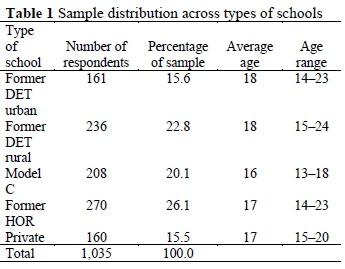
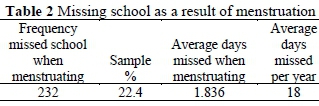
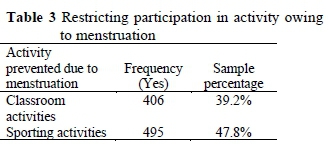
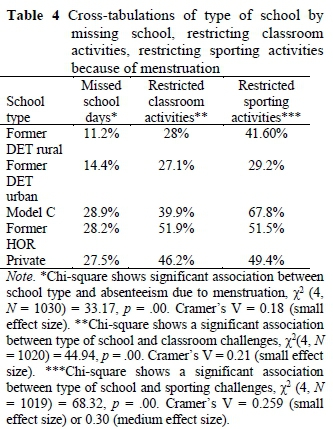
The barriers to education associated with menstruation vary from country to country and within countries. We report on a cross-sectional survey conducted in diverse schools in 2 districts of the Eastern Cape, South Africa. Using multi-stage sampling (stratified random sampling of schools, and purposive sampling of Grade 11 female-identifiedii learners), we accessed 1,035 respondents with an average age of 17.2 years. Respondents completed a questionnaire developed from previous questionnaires and our readings of the literature. We report here on results pertaining to the social and structural barriers related to menstruation. Just over one fifth of young womeniii across the whole sample reported missing an average of 1.8 days of school per menstrual cycle, while a significant minority reported restrictions related to sporting and classroom activities. Results show, contrary to expectations, that young women attending under-resourced schools report missing fewer days than young women attending resourced schools, despite young women in under-resourced schools experiencing inadequate sanitation facilities and feeling unsafe using these facilities. This research indicates the importance of recognising social as well as structural features when considering the gendered barriers to education that menstruation may represent.
barriers; education; gender; menses; menstruation; schooling