Distinguishing developmental dyslexia from foundational delay: Reading proficiency of Afrikaans learners after COVID-19 lockdowns
Abstract
The COVID-19 lockdowns and related school closures severely disrupted early literacy development worldwide. In this study we examined the long-term impact of these disruptions on Afrikaans-speaking learners in South Africa who were in the Foundation Phase (Grades 1-3) during the lockdowns and were later assessed in Grades 5, 6, and 7. Grounded in the simple view of reading (SVR), which defines reading comprehension as the product of decoding and language comprehension, we explored how delayed acquisition of foundational skills may be misinterpreted as developmental dyslexia (DD). We propose the concept of foundational delay phenomenon (FDP), a novel term describing persistent literacy difficulties stemming from disrupted foundational instruction, which do not align with established classifications such as developmental dyslexia (DD) or general learning delays. The results show that learners in all 3 grades - especially those in Grade 7 - performed well below chronological age expectations in reading and spelling, with some deficits exceeding 30 to 40 months. While a subset met DD criteria, a larger group displayed compounded foundational delays consistent with FDP. These findings highlight the urgent need for refined diagnostic practices to differentiate between reading disorders and entrenched instructional delays caused by the COVID-19 education disruptions.
Afrikaans; COVID-19 lockdowns; developmental dyslexia; foundational delay phenomenon; reading proficiency; simple view of reading
Introduction
The Coronavirus pandemic (COVID-19) disrupted education globally, severely affecting early literacy development - also in South Africa (Ardington, Wills & Kotze, 2021). Extended disruptions during lockdowns placed South Africa among the countries with the most prolonged school closures worldwide, primarily affecting the acquisition of foundational literacy during the early grades (Spaull & Van der Berg, 2020; United Nations Educational, Scientific, and Cultural Organization [UNESCO], 2020; United Nations Children's Fund [UNICEF], 2021).
School closures and limited access to remote learning led to substantial setbacks in foundational literacy, especially among under-resourced learners (Koen, Neethling, Esterhuysen & Taylor, 2021). South African research highlights that Grade 2 learners lost up to 70% of their typical reading skills, while Grade 4 learners experienced even greater losses (Ardington et al., 2021). The 2021 Progress in International Reading Literacy Study (PIRLS) reveals that 81% of South African Grade 4 learners struggled to read for meaning, a decline from 78% in 2016 (Department of Basic Education [DBE], 2023a). Despite regional recovery initiatives, such as increased instructional time for reading in the Western Cape, national efforts have remained inconsistent (Spaull & Taylor, 2022). These inconsistencies can be attributed to systemic and structural challenges (Soudien, 2024). While small-scale interventions such as the early grade reading studies (EGRS) have demonstrated success, national rollouts often suffer from poor implementation fidelity, limited teacher support, and unequal resource distribution across provinces (Sayed, Singh, Bulgrin, Henry, Williams, Metcalfe, Pesambili & Mindano, 2021). Furthermore, variations in provincial capacity, coupled with inadequate monitoring and evaluation mechanisms, have hindered the sustainability and scalability of reforms (Böhmer & Wills, 2025).
The compounded impact of COVID-19-related learning losses has further exacerbated these disparities, particularly in under-resourced schools (Koen et al., 2021). This gap in response, coupled with a lack of focus on language-specific needs, particularly for Afrikaans-speaking learners, presents a critical area for investigation (Böhmer & Wills, 2025). Addressing this issue requires a nuanced understanding of how the language of learning and teaching (LoLT) interacts with foundational reading instruction and learner outcomes (Greyvenstein, 2024). Existing literacy research and interventions predominantly focus on English and selected African home languages, with minimal empirical studies addressing Afrikaans-speaking learners' developmental needs (Ardington et al., 2021). This lack of language-specific research constrains the ability to design contextually responsive interventions and underscores the need for targeted studies in this area (Grøver, Rydland, Gustafsson & Snow, 2020). As a result, critical distinctions between various reading difficulties - such as those arising from instructional gaps versus neurodevelopmental conditions like developmental dyslexia (DD) - remain underexplored in the Afrikaans-speaking population.
Developmental Dyslexia (DD)
DD is a neurodevelopmental disorder characterised by persistent difficulties with accurate and/or fluent word recognition and poor spelling and decoding abilities (Ozernov-Palchik & Gaab, 2016). DD typically results from a hereditary biological predisposition and is present from birth (Xu, 2024). Research indicates structural and functional differences in brain regions associated with phonological processing and reading in individuals with DD (Peterson & Pennington, 2015). Despite adequate instruction, cognitive ability, and opportunities, learners with DD struggle with acquiring foundational literacy skills, and these challenges are consistent and lifelong (Xu, 2024). While some learners may meet established criteria for DD, emerging evidence suggests that not all persistent reading difficulties can be fully explained by neurodevelopmental factors alone. This raises the need for a new conceptual framework to account for literacy delays rooted in disrupted early instruction, such as the proposed foundational delay phenomenon (FDP).
A Foundational Delay Phenomenon (FDP)
Despite growing recognition of the long-term educational effects of COVID-19-related lockdowns (Skar, Graham & Huebner, 2022), a conceptual gap remains in distinguishing between developmental reading disorders and persistent literacy delays caused by disrupted early instruction (Molnár & Hermann, 2023). In this study we introduced a newly coined conceptual term for novel investigation in the South African context: foundational delay phenomenon (FDP).
FDP refers to a pattern of persistent literacy difficulties observed in older learners, which originate from missed or inadequate instruction during the Foundation Phase of schooling (Grades 1-3), particularly due to external disruptions such as lockdown-related school closures (Shaul, Lipka, Tal-Cohen, Bufman & Dotan, 2024; Skar et al., 2022). These learners often present with significant delays in decoding, spelling, and reading comprehension - like those seen in DD - but their difficulties are rooted not in intrinsic cognitive or neurological causes, but in the absence of systematic and sufficient early literacy instruction (Relyea, Rich, Kim & Gilbert, 2023).
Dyslexia or Foundational Delay Phenomenon?
FDP is proposed as a distinct construct because the reading profiles of these learners do not align neatly with existing diagnostic classifications, such as DD or general learning delays. While DD is a neurological and hereditary disorder characterised by unexpected and persistent difficulties with accurate and/or fluent word recognition despite adequate instruction and intelligence (Lyon, Shaywitz & Shaywitz, 2003), FDP learners have not received sufficient foundational instruction to begin with (Conto, Akseer, Dreesen, Kamei, Mizunoya & Rigole, 2021). In contrast, FDP may present in learners with average or above-average cognitive abilities who have missed critical windows for structured reading development (Ludewig, Kleinkorres, Schaufelberger, Schlitter, Lorenz, König, Frey & McElvany, 2022).
This conceptual distinction is vital in post-COVID educational contexts, where the long-term consequences of foundational instructional loss are just beginning to emerge. Recognising FDP allows educators, clinicians, and researchers to better differentiate between learners who require intensive reading remediation due to missed instruction and those with neurodevelopmental disorders such as dyslexia. It also reinforces the need for context-sensitive diagnostic frameworks that consider historical access to instruction when evaluating persistent academic difficulties.
While DD and FDP may present with similar surface features such as poor decoding, slow reading, and spelling errors, their origins, persistence, and response to intervention differ markedly (Staller, 2024; Wu & O'Brien, 2024). Dyslexia is intrinsic, neurologically based, and typically requires long-term support; FDP is extrinsic, shaped by environmental factors, and often resolves with structured literacy intervention (Mascheretti, Arrigoni, Toraldo, Giubergia, Andreola, Villa, Lampis, Giorda, Villa & Peruzzo, 2024; Rinne, Wikman, Sahari, Salmi, Einarsdóttir, Kere & Alho, 2024). Accurate differentiation is critical, as mislabelling FDP learners as dyslexic could lead to unnecessary remediation paths, while failing to identify actual dyslexia risks leaves persistent needs unaddressed.
Literature Review
Global reading proficiency disparities after COVID-19
International research consistently indicates that the COVID-19 pandemic and associated school closures had a detrimental impact on foundational reading skills across various educational contexts. Studies from Portugal (Filipe & Frota, 2023), Chile (Kuzmanic & Valenzuela, 2024), and Germany (Förster, Forthmann, Back & Souvignier, 2023) highlight notable decline in early and intermediate reading proficiency, with particular concern over learners' struggles to regain pre-pandemic benchmarks. Comparative analyses, such as that by Delgado (2023), reveal that learners engaged in remote learning during lockdown experienced significant setbacks in reading performance due to reduced student-teacher interaction. In Finland, Lerkkanen, Pakarinen, Salminen and Torppa (2023) observed a dual decline in reading and mathematics, indicating broader academic consequences. Large-scale studies conducted by Rogerson (2024) and Schult, Mahler, Fauth and Lindner (2022) corroborate declines in educational achievement among elementary and middle school learners, particularly in high-poverty contexts, including regions in Germany and the Midwestern and Rocky Mountain areas of the United States of America. Long-term concerns have also emerged, with Ramphele (2024) warning of compromised cognitive and motor development in early-grade learners, likely to hinder later literacy acquisition. Despite these challenges, evidence from Seybold (2023) suggests that intensive reading interventions can mitigate some of the learning losses, reinforcing the need for adaptive, targeted support strategies during recovery phases.
Reading challenges in the South African context
The impact of the COVID-19 pandemic on early literacy acquisition in South Africa has been highlighted by several studies positing significant learning losses, particularly among learners in under-resourced and rural contexts (Böhmer & Wills, 2025; Koen et al., 2021). Evidence from systemic assessments, such as those in the Western Cape, also confirms disruptions in foundational language acquisition during the early grades (Arend, 2024; Spaull & Pretorius, 2022). While some recovery efforts have emerged, for example, extended instructional time for reading, their implementation and efficacy have varied widely across provinces (Drake, 2022). Moreover, existing research has yet to address how these interventions meet the specific needs of Afrikaans-speaking learners adequately, especially within the broader framework of post-pandemic education policy (Mpanza, 2024; Van der Berg & Böhmer, 2025).
Explorative in-depth investigations of the current status quo may better inform such tailor-made intervention needs. Such investigations should naturally be initiated in the Foundation Phase, where the building blocks for literacy are established. However, although early grade reading is recognised as essential for academic success (DBE, 2023a), targeted support for Afrikaans home language learners remains limited. Current policy responses tend to generalise multilingual contexts without sufficiently considering language-specific pedagogical adaptations (Soudien, Reddy & Harvey, 2024). As a result, there is growing advocacy for targeted interventions that account for the unique linguistic features of Afrikaans and address the contextual educational vulnerabilities intensified by the COVID-19 pandemic (Böhmer & Wills, 2025). Therefore, we aimed to make a novel contribution to early literacy research in South Africa by examining Afrikaans-speaking learners who were in the Foundation Phase during the 2020 COVID-19 lockdowns.
Unlike existing studies that have primarily focused on Grade 4 learners who were in Grade 3 during the pandemic or on learners from rural communities, we targeted an underrepresented group. Moreover, prior investigations have primarily centred on English-speaking learners or data collected before the pandemic. There is a noticeable absence of studies that explore post-pandemic literacy outcomes for Afrikaans learners in the intermediate grades (Grades 5, 6, and 7), whose foundational learning phase was directly disrupted by the lockdowns. The primary objective with the study was to determine the reading proficiency of Afrikaans-speaking learners in the Intermediate Phase who were in the Foundation Phase during the COVID-19 lockdowns. We pursued three objectives: (i) to assess general reading proficiency - including rate, accuracy, fluency, and comprehension - of these learners; (ii) to evaluate learners who did not meet grade-level reading norms for potential dyslexia; and (iii) to describe a possible phenomenon of foundational phase delay in learners who demonstrated inadequate reading performance but did not have dyslexia. By focusing on this specific cohort, we addressed a critical gap in the literature. The study offers insight that could inform more equitable, language-specific educational recovery strategies grounded in evidence-based approaches, from which the central research question was formed: What is the current reading proficiency of South African Afrikaans-speaking learners who were in the Foundation Phase during the COVID-19 lockdowns?
Theoretical Framework
The simple view of reading (SVR) framework (Gough & Tunmer, 1986) served as the theoretical lens for this study, underpinning its dual focus on decoding and language comprehension as key contributors to reading proficiency. This framework guided the exploration of Afrikaans-speaking learners' decoding abilities, language comprehension, and reading comprehension, addressing a pressing gap in the literature concerning this underrepresented group in post-pandemic educational research (Mpanza, 2024). We specifically investigated the possibility of FDP among Afrikaans-speaking learners whose early literacy development was disrupted during the COVID-19 lockdowns. This is particularly relevant as learners transition to the Intermediate Phase where literacy demands intensify (Pretorius & Murray, 2023). While FDP may be mitigated through targeted remediation (Spaull & Pretorius, 2022; Van der Berg & Böhmer, 2024), DD is a lifelong condition that requires specialised support (Catts, 2021; Snowling, 2019). Without accurate differentiation, learners affected by environmental disruptions risk being misdiagnosed, which may result in inappropriate interventions and lost opportunities for recovery.
To examine this issue comprehensively, we employed a convergent, mixed-methods design, combining both quantitative and qualitative data (Creswell & Creswell, 2023). Quantitative data were gathered from assessments administered to Grade 5, 6, and 7 learners, while qualitative insights were derived from observations using screening and diagnostic instruments. This equal-status triangulation enabled the identification of patterns, consistencies, or discrepancies across variables, supporting a more precise differentiation between developmental delays and dyslexia.
Methodology
Research Approach
In this study we employed a convergent, mixed-methods design with a diagnostic focus of identifying the root causes of reading difficulties among Afrikaans-speaking learners who were in the Foundation Phase during the COVID-19 lockdowns.
The diagnostic design followed three distinct phases:
1) Inception, which involved problem identification, development of research objectives, theoretical grounding, and the planning of a mixed-methods approach, with ethical and practical feasibility considerations;
2) Implementation (diagnostics), encompassing the collection of both quantitative (reading and spelling assessments) and qualitative (parent questionnaires and dyslexia assessment) data, systematic data management, and the initial analysis of learner profiles to distinguish between DD and the proposed FDP; and
3) Integration and interpretation, which involved merging findings from both data strands, defining the characteristics of FDP, differentiating it from DD, and formulating a basis for diagnostic measures which could result in profound policy recommendations. This model, which includes evaluation, analysis, and application, is based on various paradigms to improve structured diagnostic processes (Leh, 2025).
Participants and Sampling
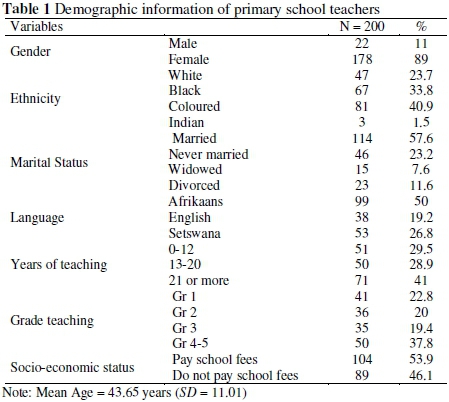
A purposive sampling strategy was employed to select participants who met the objectives with the study (Obilor, 2023). The sample comprised 165 learners in Grades 5, 6, and 7, all enrolled in an Afrikaans-medium public school in the Sedibeng East district of the Vaal Triangle, Gauteng province. All learners had been enrolled in the same school since Grade 1, ensuring consistency in teaching context and reducing variability in exposure to instructional methods. The sample included male and female learners (see Table 1).
Inclusion criteria were:
1) Learners had to have been continuously enrolled at the same school from Grade 1 to their current grade; and
2) Learners had to have been in Grade 1, 2, or 3 during the 2020 lockdown period, corresponding to their current placement in Grades 5, 6, or 7, respectively.
No learners were excluded from participation. Five Afrikaans-speaking professional examiners conducted the assessments: the principal researcher and four registered psychometrists. To reduce potential bias, the study was conducted blind - the examiners had no prior knowledge of the learners' academic performance or learning difficulties (Leedy & Ormrod, 2021).
Materials and Instruments
Afrikaans standardised assessments were used to measure each SVR component to ensure validity and contextual relevance. The decision to use these tools was grounded in the understanding that employing imported English assessments - or merely translations thereof - would not only fail to capture linguistic nuances but also risk compromising the scientific integrity of the results. Therefore, Afrikaans assessments that have been normed for the local population were selected to provide accurate, culturally appropriate measures of learner proficiency.
The following standardised instruments and assessments were used:
1) UCT Spelling Test (University of Cape Town, 1985): A South African standardised test containing words of increasing complexity to assess spelling proficiency.
2) One-Minute Reading Test (Transvaal Education Department, 1987): Evaluates reading accuracy and fluency using monosyllabic word lists to derive a chronological reading age (Le Roux, Geertsema, Jordaan & Prinsloo, 2017).
3) Paragraph Reading Rate Test: Measures reading speed using graded passages (Le Roux et al., 2017).
4) Paragraph Accuracy Test: Evaluates the number of errors made during reading of a passage (Le Roux et al., 2017).
5) Paragraph Comprehension Test: Assesses reading comprehension using graded text passages (Le Roux et al., 2017).
6) Stark Griffin™ Dyslexia Determination Test (DDT) Form A Decoding Test: Assesses decoding proficiency through eidetic (visual recognition) and phonetic (sound-symbol correspondence) processing, yielding an estimate of the learner's functional reading grade level (Stark, 2020b).
7) Stark Griffin™ Dyslexia Assessment: A comprehensive assessment tool that evaluates multiple decoding-related constructs, enabling the classification of DD across seven subtypes and eight severity levels (Stark, 2020a, 2020b).
An outline of the SVR framework employed in this study and the methods used to assess the reading proficiency of the participants are presented in Table 2.
Data Collection Procedure
Data were collected during the 2024 academic year. All learners underwent assessment in spelling, reading accuracy, reading rate, decoding, and comprehension. The decoding subtest for dyslexia (Stark Griffin™ DDT Form A) revealed that 105 learners were performing below expected levels based on their chronological age. Of these, only 13 had a known family history of reading and scholastic problems and they were subsequently evaluated using the Stark Griffin™ Dyslexia Assessment, which is a comprehensive standardised instrument endorsed and listed by the Health Professions Council of South Africa (HPCSA) to diagnose and subtype DD directly in seven subtypes and eight severity levels. This dual data collection approach enabled differentiation between foundational reading delays and potential dyslexia.
Data Analysis
Assessment results were recorded in spreadsheets and exported to the IBM Statistical Package for the Social Sciences (SPSS) for statistical analysis. To determine whether the observed values significantly differed from the normative mean (NM) values reported in the literature, one-sided t-tests were conducted. Although the Shapiro-Wilk test indicated that some variables were not normally distributed, the t-test was deemed appropriate because only normative means - rather than medians - were available in the literature. Since parametric tests (such as the t-test) compare means and nonparametric tests (such as the Wilcoxon signed-rank test) compare medians, the use of the t-test was justified. Where appropriate, descriptive statistics were reported using measures of location (such as the mean [M] and median [Mdn]), and measures of spread (such as the standard deviation [SD] and interquartile range [IQR]).
Ethical Considerations
Ethical clearance was obtained from the relevant institutional and district authorities (details were removed to ensure a blind review). Written informed permission was secured from school governing bodies, assent from all participants, and consent from their parents or legal guardians before data collection commenced. The best interests of each learner and parent, confidentiality, expertise of the test users, informed consent, and individual differences were considered during each assessment and the entire research study (American Psychological Association, 2002).
Results
Descriptive analyses of the seven literacy measures (chronological age equivalents and grade-level decoding) for Grades 5 to 7 are summarised in Table 3. A total of 165 learners were assessed, of which 105 (64%) exhibited potential indicators of DD after the assessment. Among these, only 13 learners had a family history of dyslexia. These learners were subsequently diagnosed with DD based on persistent difficulties in word reading, spelling, and decoding despite adequate instruction, as confirmed through diagnostic testing. These data sets illustrate learners' performance relative to age and grade-level expectations following COVID-19-related disruptions in early literacy instruction.
Spelling (CA in Months)
Descriptive statistics for spelling CA revealed concerning underperformance across all grades. Grade 5 learners had a mean spelling age of 118.53 months (SD = 16.49), with a median of 118.00 months (IQR = 25). This is approximately 14 months below their actual median age of 132.18 months. Grade 6 learners demonstrated even lower performance, with a mean spelling age of 114.23 months (SD = 16.68), a median of 113.00 months (IQR = 22) - nearly 30 months below their CA of 144.11 months.
By Grade 7, the mean spelling age increased slightly to 121.89 months (SD = 17.25), but this still placed learners on average 35 months (nearly 3 years) below their actual age of 156.87 months. Despite the older age group, spelling proficiency remained substantially delayed, and variability increased (IQR = 29). These results suggest that the spelling gap was not closing over time and may have been widening.
One-minute Reading Test (Chronological Age in Months)
Grade 5 learners had a mean reading age of 118.65 months (SD = 20.10), a median of 114.00 months (IQR = 26), roughly 13 months below their actual age. In Grade 6, the M reading age dropped further to 114.90 months (SD = 20.51), with an Mdn of 112.00 months (IQR = 22), placing learners nearly 30 months behind their actual age. Grade 7 learners had the lowest relative performance, with a mean of 116.09 months (SD = 17.31) and a median of 114.00 months (IQR = 24). This represents a 41-month gap compared to their CA, indicating that reading fluency deficits were not addressed over time.
Stark Griffin™ Dyslexia Academy Dyslexia Determination Test (SGDA DDT) Form A - Decoding (Grade Level Equivalent)
In Grade 5, learners had an M decoding level of 4.90 (SD = 1.97), nearly on par with expected grade level, with an Mdn of 5.00 (IQR = 2) grade levels. Grade 6 learners averaged 5.21 (SD = 2.18), with an Mdn of 5.00 (IQR = 3), indicating that they were performing below grade level. Grade 7 learners had a mean DL of 5.47 (SD = 2.03), with an Mdn of 5.00 (IQR = 4). This places them over one and a half grade levels behind expectations, with increasing variability. Decoding development appeared to stagnate rather than progress over time.
Paragraph Reading - Reading Speed (Chronological Age in Months)
Grade 5 learners had a mean reading speed age of 127.12 months (SD = 23.94), with a median of 121.00 months (IQR = 45), which is approximately 5 months below their actual age. In Grade 6, the M increased to 130.38 months (SD = 25.85), with an Mdn of 127.00 months (IQR = 47), nearly 14 months behind their actual age. Grade 7 learners reached an M of 139.06 months (SD = 24.54), an Mdn of 142.00 months (IQR = 45), still 18 months below age expectations. The large spread suggests that many learners remained significantly behind in reading fluency.
Paragraph Reading - Reading Accuracy (Chronological Age in Months)
The mean reading accuracy age in Grade 5 was 116.78 months (SD = 13.09), with a median of 114.00 months (IQR = 20), approximately 15 months behind CA. Grade 6 learners showed similar results, with an M of 117.33 months (SD = 15.13), an Mdn of 115.00 months (IQR = 25), which is 27 months below their actual age. Grade 7 learners showed the most significant gap: an M accuracy age of 123.30 months (SD = 15.74), and an Mdn of 123.00 months (IQR = 28), more than 33 months below CA. These deficits suggest cumulative effects of unresolved reading difficulties over time.
Paragraph Reading - Reading Comprehension (Chronological Age in Months)
Grade 5 learners had a mean comprehension age of 122.53 months (SD = 16.20), and a median of 131.00 months (IQR = 23), which was approximately 10 months behind their CA. Grade 6 learners scored a mean of 131.36 months (SD = 15.92) and a median of 134.00 months (IQR = 22), which is approximately 13 months behind their actual age. Grade 7 learners had a mean comprehension age of 138.02 months (SD = 11.86), and a median of 140.00 months (IQR = 14), which is roughly 19 months behind expected norms. While comprehension showed relatively stronger results than decoding or fluency, the gap remained and appeared to widen slightly in higher grades.
Summary of Emerging Patterns of Foundational Delay Across Grades
The NM was used as a benchmark for comparison throughout the analysis. Based on the data presented in Table 4, the observed "gap" scores may be interpreted in terms of CA equivalents, with standardised assessments typically designed so that a 12-point difference corresponds to approximately 1 year of developmental progress (particularly for age-standardised measures such as spelling, fluency, and accuracy). In contrast, decoding scores are reported as grade-level equivalents and may, therefore, be interpreted directly. Grade 7 learners demonstrated the largest mean deficits relative to CA norms, most notably in 1-minute reading (M = 116.09 vs. NM = 156.87 months; Δ = 40.78 months) and spelling (M = 121.89 vs. NM = 156.87 months; Δ = 34.98 months).
Across all grades and skill areas, learners consistently performed below normative benchmarks, with decoding skills in Grade 7 lagging by more than one full grade level (GL); (M = 5.47 GL vs. the expected 7.00 GL). While all three grades showed underperformance, the severity of delays increased with GL. Grade 5 learners were approximately 0.4 to 1.3 years behind normative expectations, with decoding performance remaining relatively close to GL. By Grade 6, learners fell between 1.1 and 2.5 years behind, particularly in spelling and accuracy. In Grade 7, the delays widened further, ranging from 1.5 to 3.4 years, with the most pronounced deficits in reading fluency, spelling, and accuracy. Although decoding delays were less marked in the earlier grades, they compounded over time, suggesting a cumulative impact of disrupted foundational instruction. These findings lend strong support to the conceptualisation of the FDP, highlighting how early learning disruptions - such as those caused by COVID-19 school closures - may result in increasingly severe delays across multiple dimensions of reading proficiency over time.
Figure 1 shows a comparison between the mean CA equivalents across six reading and spelling skills by GL. The dashed lines represent the average CAs of learners in Grade 5 (132 months), Grade 6 (144 months), and Grade 7 (157 months), providing reference points for interpreting performance relative to age expectations.
Discussion
Literacy development in the early years is a structured continuum, with each grade contributing uniquely to a learner's reading proficiency and academic success. Grade 1 is the fundamental phase in which learners transition from pre-literacy to structured reading instruction, acquiring essential phonemic awareness and decoding skills (National Reading Panel (U.S.) & National Institute of Child Health and Human Development (U.S.), 2000; Snow & Matthews, 2016). Empirical research underscores the significance of explicit phonics instruction in fostering early reading acquisition (Doty, 2024; Gates, 2021), while studies highlight the importance of decoding skills and fluency development (Ecalle, Dujardin, Gomes, Cros & Magnan, 2021). The foundational experiences during this phase play a pivotal role in establishing fluency, as learners develop word recognition abilities essential for later reading success (Silinskas, Gedutiene, Torppa & Raiziene, 2024).
In Grade 2, learners consolidate their foundational reading skills, with increased emphasis on comprehension rather than decoding (Chall, 1996; Vellutino, Fletcher, Snowling & Scanlon, 2004). The relationship between morphological awareness and reading fluency is particularly significant, as vocabulary expansion supports text comprehension and literacy progression (Kargiotidis, Tafa, Mouzaki & Manolitsis, 2025). Additionally, research highlights the impact of socio-economic disparities on reading acquisition, emphasising the role of personalised instruction in mitigating barriers for students from disadvantaged backgrounds (Chari, 2024).
Grade 3 represents a critical transition marking the shift where learners move from developing basic reading skills to using reading as a tool for acquiring knowledge (Biancarosa & Snow, 2006). Learners refine their comprehension strategies at this stage and engage with increasingly complex texts (Denton & West, 2002). The cumulative literacy skills developed in prior grades facilitate this transition, as phonological processing and fluency become integral to higher-order reading abilities (Ergül, Akoğlu, Yalçın, Akçamuş, Tülü & Kudret, 2024). Furthermore, vocabulary growth during this phase ensures that learners can navigate the advanced literacy demands across academic subjects (Aşıkcan & Saban, 2021). In summary, Grades 1, 2, and 3 collectively function as a foundational literacy trajectory, each playing an indispensable role in shaping reading proficiency and future academic success.
The results of this study highlight the enduring consequences of interrupted early literacy instruction. Even by Grades 6 and 7, these Afrikaans-speaking learners have not remedied the gap that first emerged in the foundational phase. In the cohort of 165 learners, 105 (64%) exhibited markers of reading difficulty, and 13 of these (12.4%) - all with a family history of dyslexia - were formally diagnosed in the second phase of the study. While a subset of underperformance reflects specific learning disorders, such as dyslexia, most learners, regardless of their diagnosis, remained well below age- and grade-level benchmarks, indicating a more pervasive delay in foundational literacy acquisition.
As is shown in Figure 1 across all reading and spelling measures, all learners in Grades 5 and 6, and especially Grade 7 were performing well below their CA expectations. While raw scores sometimes increase across grades, these gains do not keep pace with age progression. The performance gap widened as learners moved through the grades. Grade 7 learners showed the largest deficits, with spelling, decoding, and reading fluency all trailing their CA by over 30 to 40 months in some cases. This suggests that early literacy gaps - likely exacerbated by the COVID-19 disruptions during the Foundation Phase - have persisted and compounded over time.
Interestingly, while most reading-related skill deficits over Grades 5 to 7 were statistically significant, Grade 5 learners' decoding performance (measured as reading GL) and reading speed did not significantly differ from the normative benchmarks. The decoding gap was minimal (approximately 1 month), with a p-value of 0.724, indicating no statistically meaningful difference from expected performance. Similarly, although reading speed showed a slightly larger delay of about 5 months, this result was only marginally non-significant (p = 0.069). These findings may reflect a transitional stage in reading development; learners may be on the cusp of establishing automaticity in decoding, which could help maintain adequate speed despite weaknesses in deeper processing. However, the absence of statistical significance in these two areas should be interpreted with caution. When considered alongside significant deficits in reading accuracy, comprehension, and spelling, it becomes clear that foundational reading skills remain fragile. The relative stability in decoding and speed may mask broader reading difficulties that persist beyond the surface level of fluency.
National data from PIRLS 2021 reiterates this pattern: the mean reading score of Afrikaans-speaking Grade 4 learners fell from approximately 446 in 2016 to 387 in 2021, dipping below the international low benchmark of 400 for the first time (DBE, 2023b). By contrast, Grade 6 Afrikaans learners - whose foundational skills had already been more firmly established when the pandemic struck - scored a robust 456, above the international average and low benchmark. Together, these findings demonstrate that learners who had consolidated core decoding, fluency, and comprehension abilities in the Foundation Phase (Grades R to 3) were better able to withstand COVID-related disruptions. However, even this relatively resilient group showed measurable setbacks compared to pre-pandemic trajectories, confirming that loss of structured instruction during the Foundation Phase may have lasting, compounding effects.
Our findings, combined with the PIRLS data, emphasise the necessity of continuous, high-quality foundation-phase instruction, not only for immediate skills acquisition but also for mitigating future learning disruptions. Since most of the learners in our study consistently underperformed across seven essential literacy measures, we infer that they encountered delays in foundational learning rather than experiencing isolated, late-emerging disorders. This underscores the urgent need for universal prevention, such as high-quality, evidence-based reading curricula in the Foundation Phase, and targeted remediation for those already showing significant lags, to forestall the widening achievement gaps as learners progress through the grades.
Conclusion
The specific contextual findings in our study align with international evidence of pandemic-related backsliding in phonological awareness and reading comprehension (Breckenridge, 2024; Starling-Alves, Hirata & Oliveira, 2023) and support the PIRLS 2021 data, which show significant learning losses among South African learners in the Foundation Phase (Böhmer & Wills, 2025). It also underscores the pivotal role of the SVR in diagnosing and addressing long-term literacy deficits among intermediate-phase learners whose foundational instruction was disrupted by COVID-19. By systematically mapping decoding and language comprehension deficits across Grades 5 to 7, we have identified critical areas that require targeted support, particularly in spelling, fluency, and comprehension, where learners continue to lag 2 to 3 years behind age norms.
Implementing the SVR as a routine component of reading assessment enables educators to tailor evidence-based interventions that simultaneously build decoding skills and oral language proficiency, fostering remediation for those diagnosed with dyslexia and prevention for the broader cohort experiencing foundational delays. Looking ahead, sustained investment in high-quality reading curricula, continuous SVR-guided monitoring across all languages, and holistic support structures for learners and teachers will be essential to rebuild literacy resilience. As schools recover from the disruptions of the pandemic, these coordinated, equity-focused strategies will be crucial to avert enduring achievement gaps and to ensure that every learner attains the literacy skills necessary for academic success in an increasingly complex world.
At the same time, several limitations of the study must be acknowledged. The study findings, while valuable, are drawn from a specific socio-economic and educational context and may not be generalisable to all South African settings. Although the assessments used were normed for Afrikaans speakers, they may not fully capture the impact of individual differences such as socio-emotional well-being and home literacy environments. Differentiating between foundational delay and dyslexia also remains inherently complex, and further longitudinal research is needed to clarify which difficulties are persistent versus transient. Additionally, despite efforts to minimise bias through a blind assessment process, the small number of examiners may have introduced subjectivity in the qualitative observations.
These limitations inform several recommendations. Future studies should broaden sampling across provinces and socio-economic contexts and employ longitudinal designs to track developmental trajectories over time. A pressing need also exists to develop culturally and linguistically relevant screening instruments that account for cognitive, emotional, and environmental factors influencing literacy acquisition. Educational stakeholders should prioritise targeted intervention programmes that distinguish between foundational delays and dyslexia, ensuring early identification and differentiated support tailored to Afrikaans-speaking learners. Capacity-building initiatives for teachers and school-based practitioners are equally critical to strengthen diagnostic accuracy and intervention practices. Policymakers, in turn, should integrate these distinctions into post-pandemic recovery strategies to guide equitable resource allocation. Finally, further exploration of transitional reading profiles - particularly among Grade 5 learners who may appear superficially age-appropriate in decoding yet struggle with accuracy, comprehension, and spelling - is warranted to determine whether such learners stabilise or face enduring literacy challenges.
Authors' Contributions
All authors contributed equally to the study.
Conflict of Interest
No potential conflict of interest can be reported.
Notesi. Published under a Creative Commons Attribution Licence.
Acknowledgements
The authors gratefully acknowledge the school, its staff, and the learners who generously participated in this research study.
References
-
Ardington C, Wills G & Kotze J 2021. COVID-19 learning losses: Early grade reading in South Africa. International Journal of Educational Development, 86:102480. https://doi.org/10.1016/j.ijedudev.2021.102480
» https://doi.org/10.1016/j.ijedudev.2021.102480 -
American Psychological Association 2002. Ethical principles of psychologists and code of conduct. American Psychologist, 57(12):1060-1073. https://doi.org/10.1037/0003-066X.57.12.1060
» https://doi.org/10.1037/0003-066X.57.12.1060 -
Arend M 2024. Teachers' instructional strategies of teaching reading comprehension in grade three: A case study of three primary schools in the Western Cape. MEd thesis. Bellville, South Africa: University of the Western Cape. Available at https://uwcscholar.uwc.ac.za/items/a507e8c1-a3c7-403d-ab31-f610fa77a815. Accessed 24 February 2025.
» https://uwcscholar.uwc.ac.za/items/a507e8c1-a3c7-403d-ab31-f610fa77a815 -
Aşıkcan M & Saban A 2021. An action research on improving fluent reading skills of third-grade primary school students. Education and Science, 46(205):19-47. https://doi.org/10.15390/EB.2020.9015
» https://doi.org/10.15390/EB.2020.9015 -
Biancarosa G & Snow CE 2006. Reading next-A vision for action and research in middle and high school literacy: A report to Carnegie Corporation of New York (2nd ed). Washington, DC: Alliance for Excellent Education. Available at https://media.carnegie.org/filer_public/b7/5f/b75fba81-16cb-422d-ab59-373a6a07eb74/ccny_report_2004_reading.pdf. Accessed 28 February 2026.
» https://media.carnegie.org/filer_public/b7/5f/b75fba81-16cb-422d-ab59-373a6a07eb74/ccny_report_2004_reading.pdf -
Böhmer B & Wills G 2025. COVID-19 and inequality in reading outcomes in South Africa: PIRLS 2016 and 2021. Large-scale Assessments in Education, 13:24. https://doi.org/10.1186/s40536-025-00256-9
» https://doi.org/10.1186/s40536-025-00256-9 -
Breckenridge MV 2024. The reading and phonological awareness skills of elementary English language learners post COVID-19 pandemic. MCD thesis. Jonesboro, AR: Arkansas State University. Available at https://arch.astate.edu/cgi/viewcontent.cgi?article=1074&context=all-etd. Accessed 24 February 2025.
» https://arch.astate.edu/cgi/viewcontent.cgi?article=1074&context=all-etd -
Catts HW 2021. Commentary: The critical role of oral language deficits in reading disorders: Reflections on Snowling and Hulme (2021). The Journal of Child Psychology and Psychiatry, 62(5):654-656. https://doi.org/10.1111/jcpp.13389
» https://doi.org/10.1111/jcpp.13389 - Chall JS 1996. Stages of reading development (2nd ed). Fort Worth, TX: Harcourt Brace.
-
Chari SG 2024. Bridging gaps, building futures: Tackling socio-economic disparities through education and technology. London Journal of Research in Humanities and Social Science, 24(16):17-87. Available at https://journalspress.uk/index.php/LJRHSS/article/view/1122/3995. Accessed 28 February 2026.
» https://journalspress.uk/index.php/LJRHSS/article/view/1122/3995 -
Conto CA, Akseer S, Dreesen T, Kamei A, Mizunoya S & Rigole A 2021. Potential effects of COVID-19 school closures on foundational skills and Country responses for mitigating learning loss. International Journal of Educational Development, 87:102434. https://doi.org/10.1016/j.ijedudev.2021.102434
» https://doi.org/10.1016/j.ijedudev.2021.102434 - Creswell JW & Creswell JD 2023. Research design: Qualitative, quantitative, and mixed methods approaches (6th ed). Thousand Oaks, CA: Sage.
-
Delgado N 2023. The effects of learning environments on fourth-grade reading scores in a suburban school district: Pre-pandemic, virtual, and post-pandemic. PhD dissertation. Union, NJ: Kean University. Available at https://www.proquest.com/openview/2661325030c791cace3b43e360d00a7f/1?pq-origsite=gscholar&cbl=18750&diss=y. Accessed 24 February 2025.
» https://www.proquest.com/openview/2661325030c791cace3b43e360d00a7f/1?pq-origsite=gscholar&cbl=18750&diss=y -
Denton K & West J 2002. Children's reading and mathematics achievement in kindergarten and first grade. Washington, DC: National Center for Education Statistics. Available at https://nces.ed.gov/pubs2002/2002125.pdf. Accessed 24 February 2025.
» https://nces.ed.gov/pubs2002/2002125.pdf -
Department of Basic Education 2023a. Progress in International Reading Literacy Study 2021: South African main report. Pretoria, South Africa: Author. Available at https://repository.up.ac.za/handle/2263/93145. Accessed 31 May 2025.
» https://repository.up.ac.za/handle/2263/93145 -
Department of Basic Education 2023b. Progress in International Reading Literacy Study 2021: South African preliminary highlights report. Pretoria, South Africa: Author. Available at https://www.education.gov.za/Portals/0/Documents/Reports/2023/PIRLS%202021_Highlights%20Reports.pdf?ver=2023-05-25-100949-603. Accessed 14 April 2025.
» https://www.education.gov.za/Portals/0/Documents/Reports/2023/PIRLS%202021_Highlights%20Reports.pdf?ver=2023-05-25-100949-603 -
Doty P 2024. The effect of phonemic awareness intervention on reading acquisition for readers at risk. M.A.Ed. thesis. St Paul, MN: Bethel University. Available at https://spark.bethel.edu/etd/1127/. Accessed 7 May 2025.
» https://spark.bethel.edu/etd/1127/ -
Drake N 2022. Afrikaans First Additional Language teachers' experiences teaching online during COVID-19 at two public high schools in Gauteng. MEd dissertation. Johannesburg, South Africa: University of Johannesburg. Available at https://search.proquest.com/openview/f41aecc4b223f6064fb7872151ac8005/1. Accessed 7 May 2025.
» https://search.proquest.com/openview/f41aecc4b223f6064fb7872151ac8005/1 -
Ecalle J, Dujardin E, Gomes C, Cros L & Magnan A 2021. Decoding, fluency and reading comprehension: Examining the nature of their relationships in a large-scale study with first graders. Reading & Writing Quarterly, 37(5):444-461. https://doi.org/10.1080/10573569.2020.1846007
» https://doi.org/10.1080/10573569.2020.1846007 -
Ergül C, Akoğlu G, Yalçın S, Akçamuş MÖ, Tülü BK & Kudret ZB 2024. The role of phonological processing and language skills in the longitudinal development of reading fluency. Education and Science, 49(219):27-48. https://doi.org/10.15390/EB.2024.12029
» https://doi.org/10.15390/EB.2024.12029 -
Filipe MG & Frota S 2023. Exploring the impact of the COVID-19 lockdown on pre-reading skills among Portuguese children. Frontiers in Education, 8:1282227. https://doi.org/10.3389/feduc.2023.1282227
» https://doi.org/10.3389/feduc.2023.1282227 -
Förster N, Forthmann B, Back MD & Souvignier E 2023. Effects of the COVID-19 pandemic on reading performance of second grade children in Germany. Reading and Writing, 36:289-315. https://doi.org/10.1007/s11145-022-10379-y
» https://doi.org/10.1007/s11145-022-10379-y -
Gates M 2021. Explicit instruction to improve phonics and decoding skills in elementary newcomers. MEd dissertation. Orange City, IA: Northwestern College. Available at https://nwcommons.nwciowa.edu/education_masters/359/. Accessed 7 May 2025.
» https://nwcommons.nwciowa.edu/education_masters/359/ -
Gough PB & Tunmer WE 1986. Decoding, reading, and reading disability. Remedial and Special Education, 7(1):6-10. https://doi.org/10.1177/074193258600700104
» https://doi.org/10.1177/074193258600700104 -
Greyvenstein CE 2024. The linguistic realities of foundation phase teachers in a single-medium multilingual classroom. MEd dissertation. Pretoria, South Africa: University of Pretoria. Available at https://search.proquest.com/openview/e077e7742877c60b9dd265fbbcf8c684/1. Accessed 7 May 2025.
» https://search.proquest.com/openview/e077e7742877c60b9dd265fbbcf8c684/1 -
Grøver V, Rydland V, Gustafsson JE & Snow CE 2020. Shared book reading in preschool supports bilingual children's second-language learning: A cluster-randomized trial. Child Development, 91(6):2192-2210. https://doi.org/10.1111/cdev.13348
» https://doi.org/10.1111/cdev.13348 -
Hoover WA & Gough PB 1990. The simple view of reading. Reading and Writing, 2:127-160. https://doi.org/10.1007/BF00401799
» https://doi.org/10.1007/BF00401799 -
Kamhi AG 2007. Knowledge deficits: The true crisis in education. The ASHA Leader, 12(7):28-29. https://doi.org/10.1044/leader.FMP.12072007.28
» https://doi.org/10.1044/leader.FMP.12072007.28 -
Kargiotidis A, Taf E, Mouzaki A & Manolitsis G 2025. Predicting reading comprehension difficulties in the context of an extended simple view of reading model. Reading and Writing:1-20. https://doi.org/10.1007/s11145-025-10677-1
» https://doi.org/10.1007/s11145-025-10677-1 -
Koen M, Neethling MM, Esterhuysen S & Taylor B 2021. The impact of COVID-19 on the holistic development of young South African at-risk children in three early childhood care and education centres in a rural area. Perspectives in Education, 39(1):138-156. https://doi.org/10.18820/2519593X/pie.v39.i1.9
» https://doi.org/10.18820/2519593X/pie.v39.i1.9 -
Kuzmanic D & Valenzuela JP 2024. Post-pandemic learning trajectories in oral reading proficiency: Results from twelve Chilean schools. Social Sciences & Humanities Open, 10:100995. https://doi.org/10.1016/j.ssaho.2024.100995
» https://doi.org/10.1016/j.ssaho.2024.100995 - Leedy PD & Ormrod JE 2021. Practical research: Planning and design (12th ed). Harlow, England: Pearson.
-
Leh JM 2025. Stopping the avalanche of trauma in schools through early intervention: A three-phase model proposal. Journal of Applied Research in Higher Education, 17(1):365-382. https://doi.org/10.1108/JARHE-08-2023-0363
» https://doi.org/10.1108/JARHE-08-2023-0363 -
Lerkkanen MK, Pakarinen E, Salminen J & Torppa M 2023. Reading and math skills development among Finnish primary school children before and after COVID-19 school closure. Reading and Writing, 36:263-288. https://doi.org/10.1007/s11145-022-10358-3
» https://doi.org/10.1007/s11145-022-10358-3 -
Le Roux M, Geertsema S, Jordaan H & Prinsloo D 2017. Phonemic awareness of English second language learners. South African Journal of Communication Disorders, 64(1):a164. https://doi.org/10.4102/sajcd.v64i1.164
» https://doi.org/10.4102/sajcd.v64i1.164 -
Ludewig U, Kleinkorres R, Schaufelberger R, Schlitter T, Lorenz R, König C, Frey A & McElvany N 2022. COVID-19 pandemic and student reading achievement: Findings from a school panel study. Frontiers in Psychology, 13:876485. https://doi.org/10.3389/fpsyg.2022.876485
» https://doi.org/10.3389/fpsyg.2022.876485 -
Lyon GR, Shaywitz SE & Shaywitz BA 2003. A definition of dyslexia. Annals of Dyslexia, 53:1-14. https://doi.org/10.1007/s11881-003-0001-9
» https://doi.org/10.1007/s11881-003-0001-9 -
Mascheretti S, Arrigoni F, Toraldo A, Giubergia A, Andreola C, Villa M, Lampis V, Giorda R, Villa M & Peruzzo D 2024. Alterations in neural activation in the ventral frontoparietal network during complex magnocellular stimuli in developmental dyslexia associated with READ1 deletion. Behavioral and Brain Functions, 20(1):16. https://doi.org/10.1186/s12993-024-00241-2
» https://doi.org/10.1186/s12993-024-00241-2 -
Molnár G & Hermann Z 2023. Short- and long-term effects of COVID-related kindergarten and school closures on first-to eighth-grade students' school readiness skills and mathematics, reading and science learning. Learning and Instruction, 83:101706. https://doi.org/10.1016/j.learninstruc.2022.101706
» https://doi.org/10.1016/j.learninstruc.2022.101706 -
Mpanza CD 2024. One-size-fits-all does not fit all: Rethinking the language-in-education policy and language teaching practices in South Africa post-Covid-19. Journal of African Education, 5(2):155-173. https://doi.org/10.31920/2633-2930/2024/v5n2a9
» https://doi.org/10.31920/2633-2930/2024/v5n2a9 -
National Reading Panel (U.S.) & National Institute of Child Health and Human Development (U.S.) 2000. Teaching children to read: An evidence-based assessment of the scientific research literature on reading and its implications for reading instruction: Reports of the subgroups. Washington, DC: National Institute of Child Health and Human Development. Available at https://www.nichd.nih.gov/sites/default/files/publications/pubs/nrp/Documents/report.pdf. Accessed 27 March 2025.
» https://www.nichd.nih.gov/sites/default/files/publications/pubs/nrp/Documents/report.pdf -
Obilor EI 2023. Convenience and purposive sampling techniques: Are they the same? International Journal of Innovative Social & Science Education Research, 11(1):1-7. Available at https://www.researchgate.net/profile/Esezi-Obilor/publication/398681103_Convenience_and_Purposive_Sampling_Techniques_Are_they_the_Same/links/693fe9e8a1fd01798907e406/Convenience-and-Purposive-Sampling-Techniques-Are-they-the-Same.pdf. Accessed 28 February 2026.
» https://www.researchgate.net/profile/Esezi-Obilor/publication/398681103_Convenience_and_Purposive_Sampling_Techniques_Are_they_the_Same/links/693fe9e8a1fd01798907e406/Convenience-and-Purposive-Sampling-Techniques-Are-they-the-Same.pdf -
Ozernov-Palchik O & Gaab N 2016. Tackling the 'dyslexia paradox': Reading brain and behavior for early markers of developmental dyslexia. Wiley Interdisciplinary Reviews: Cognitive Science, 7(2):156-176. https://doi.org/10.1002/wcs.1383
» https://doi.org/10.1002/wcs.1383 -
Peterson RL & Pennington BF 2015. Developmental dyslexia. Annual Review of Clinical Psychology, 11:283-307. https://doi.org/10.1146/annurev-clinpsy-032814-112842
» https://doi.org/10.1146/annurev-clinpsy-032814-112842 -
Pretorius E & Murray S 2023. A review of the curriculum in foundation phase for English First Additional Language (EFAL). Johannesburg, South Africa: Zenex Foundation. Available at https://natu.org.za/wp-content/uploads/2023/08/1.-Final-Review-of-EFAL-CAPS-in-Foundation-Phase_July-2023-b.pdf. Accessed 31 May 2025.
» https://natu.org.za/wp-content/uploads/2023/08/1.-Final-Review-of-EFAL-CAPS-in-Foundation-Phase_July-2023-b.pdf -
Ramphele L 2024. Impacts of the COVID-19 pandemic on the development of cognitive and motor skills of Grade R learners. MEd dissertation. Bloemfontein, South Africa: University of the Free State. Available at https://scholar.ufs.ac.za/items/3fbe84ee-9de8-4904-928d-ef869d178d1c. Accessed 24 February 2025.
» https://scholar.ufs.ac.za/items/3fbe84ee-9de8-4904-928d-ef869d178d1c -
Relyea JE, Rich P, Kim JS & Gilbert JB 2023. The COVID-19 impact on reading achievement growth of Grade 3-5 students in a U.S. urban school district: Variation across student characteristics and instructional modalities. Reading and Writing, 36(2):317-346. https://doi.org/10.1007/s11145-022-10387-y
» https://doi.org/10.1007/s11145-022-10387-y -
Rinne N, Wikman P, Sahari E, Salmi J, Einarsdóttir E, Kere J & Alho K 2024. Developmental dyslexia susceptibility genes DNAAF4, DCDC2, and NRSN1 are associated with brain function in fluently reading adolescents and young adults. Cerebral Cortex, 34(4):bhae144. https://doi.org/10.1093/cercor/bhae144
» https://doi.org/10.1093/cercor/bhae144 -
Rogerson J 2024. Impact of the COVID-19 pandemic on middle school ELA proficiency: A paired t-test analysis of high-poverty schools. PhD dissertation. Minneapolis, MN: Capella University. Available at https://www.proquest.com/docview/3148358020?pq-origsite=gscholar&fromopenview=true&sourcetype=Dissertations%20&%20Theses. Accessed 24 December 2024.
» https://www.proquest.com/docview/3148358020?pq-origsite=gscholar&fromopenview=true&sourcetype=Dissertations%20&%20Theses -
Sayed Y, Singh M, Bulgrin E, Henry M, Williams D, Metcalfe M, Pesambili J & Mindano G 2021. Teacher support, preparedness and resilience during times of crises and uncertainty: COVID-19 and education in the Global South. Journal of Education, 84:125-154. https://doi.org/10.17159/2520-9868/i84a07
» https://doi.org/10.17159/2520-9868/i84a07 -
Schult J, Mahler N, Fauth B & Lindner MA 2022. Did students learn less during the COVID-19 pandemic? Reading and mathematics competencies before and after the first pandemic wave. School Effectiveness and School Improvement, 33(4):544-563. https://doi.org/10.1080/09243453.2022.2061014
» https://doi.org/10.1080/09243453.2022.2061014 -
Seybold MR 2023. Effects of implementing an intensive reading intervention for middle school struggling readers during the COVID-19 pandemic. PhD thesis. Monroe, LA: University of Louisiana Monroe. Available at https://www.proquest.com/docview/2816704741?pq-origsite=gscholar&fromopenview=true&sourcetype=Dissertations%20&%20Theses. Accessed 24 February 2025.
» https://www.proquest.com/docview/2816704741?pq-origsite=gscholar&fromopenview=true&sourcetype=Dissertations%20&%20Theses -
Shaul S, Lipka O, Tal-Cohen D, Bufman & Dotan 2024. The impact of school closures during the COVID-19 pandemic on reading fluency among second grade students: Socioeconomic and gender perspectives. Frontiers in Psychology, 15:1289145. https://doi.org/10.3389/fpsyg.2024.1289145
» https://doi.org/10.3389/fpsyg.2024.1289145 -
Silinskas G, Gedutiene R, Torppa M & Raiziene 2024. Simple view of reading across the transition from kindergarten to grade 1 in a transparent orthography. Scientific Studies of Reading, 28(1):60-78. https://doi.org/10.1080/10888438.2023.2220848
» https://doi.org/10.1080/10888438.2023.2220848 -
Skar GBU, Graham S & Huebner A 2022. Learning loss during the COVID-19 pandemic and the impact of emergency remote instruction on first grade students' writing: A natural experiment. Journal of Educational Psychology, 114(7):1553-1570. https://doi.org/10.1037/edu0000701
» https://doi.org/10.1037/edu0000701 - Snow CE & Matthews TJ 2016. Reading and language in the early grades. The Future of Children, 26(2):57-74.
- Snowling MJ 2019. Dyslexia: A very short introduction. Oxford, England: Oxford University Press.
-
Soudien C 2024. The quest for educational equity in schools in South Africa. Dædalus, 153(4):146-164. https://doi.org/10.1162/daed_a_02109
» https://doi.org/10.1162/daed_a_02109 -
Soudien C, Reddy V & Harvey J 2024. Fragility compounded: The state of the South African educational system in the aftermath of Covid-19. In FM Reimers (ed). Schools and society during the COVID-19 pandemic: How education systems changed and the road ahead. Cham, Switzerland: Springer. https://doi.org/10.1007/978-3-031-42671-1_12
» https://doi.org/10.1007/978-3-031-42671-1_12 - Spaull N & Pretorius E 2022. Coming or going? The prioritisation of early grade reading in South Africa. In N Spaull & E Pretorius (eds). Early grade reading in South Africa. Cape Town, South Africa: Oxford University Press Southern Africa.
- Spaull N & Taylor S 2022. Impact or scale? The trade-offs of early grade reading and mathematics interventions in South Africa. In N Spaull & S Taylor (eds). Early grade reading and mathematics interventions in South Africa. Cape Town, South Africa: Oxford University Press Southern Africa.
-
Spaull N & Van der Berg S 2020. Counting the cost: COVID-19 school closures in South Africa and its impact on children. South African Journal of Childhood Education, 10(1):a924. https://doi.org/10.4102/sajce.v10i1.924
» https://doi.org/10.4102/sajce.v10i1.924 - Staller J 2024. Neurological correlates of reading failure. In MH Singer (ed). Competent reader, disabled reader: Research and application. Abingdon, England: Routledge.
-
Starling-Alves I, Hirata G & Oliveira JBA 2023. Covid-19 school closures negatively impacted elementary-school students' reading comprehension and reading fluency skills. International Journal of Educational Development, 99:102753. https://doi.org/10.1016/j.ijedudev.2023.102753
» https://doi.org/10.1016/j.ijedudev.2023.102753 -
Stark S 2020a. A comparison of Dyop color perception and dyslexia diagnosis. Optometry & Visual Performance, 8(4):176-190. Available at https://chart2020.com/wp-content/uploads/2021/05/Dyslexia_and_Color_Perception-SandraStark.pdf. Accessed 24 February 2026.
» https://chart2020.com/wp-content/uploads/2021/05/Dyslexia_and_Color_Perception-SandraStark.pdf - Stark S 2020b. Stark Griffin dyslexia assessment: Theory manual. Vereeniging, South Africa: Prestige Art Press (Pty) Ltd.
- Transvaal Education Department 1987. One-minute reading test. Pretoria, South Africa: Author.
-
United Nations Children's Fund 2021. Learners in South Africa up to one school year behind where they should be. Available at https://www.unicef.org/press-releases/learners-south-africa-one-school-year-behind-where-they-should-be. Accessed 7 June 2025.
» https://www.unicef.org/press-releases/learners-south-africa-one-school-year-behind-where-they-should-be -
United Nations Educational, Scientific, and Cultural Organization 2020. Education: From COVID-19 school closures to recovery. Available at https://en.unesco.org/covid19/educationresponse. Accessed 3 May 2025.
» https://en.unesco.org/covid19/educationresponse - University of Cape Town 1985. UCT spelling test. Cape Town, South Africa: Author.
-
Van der Berg S & Böhmer B 2025. South Africa: COVID-19 learning losses and attempts at recovery in a poorly performing and unequal education system. In N Crato & HA Patrinos (eds). Improving national education systems after COVID-19: Moving forward after PIRLS 2021 and PISA 2022. Cham, Switzerland: Springer. https://doi.org/10.1007/978-3-031-69284-0_11
» https://doi.org/10.1007/978-3-031-69284-0_11 -
Vellutino FR, Fletcher JM, Snowling MJ & Scanlon DM 2004. Specific reading disability (dyslexia): What have we learned in the past four decades? The Journal of Child Psychology and Psychiatry, 45(1):2-40. https://doi.org/10.1046/j.0021-9630.2003.00305.x
» https://doi.org/10.1046/j.0021-9630.2003.00305.x - Wu CY & O'Brien BA 2024. Brain signatures of reading within different types of learners and across written languages: Evidence and implications for education. In WLD Hung, A Jamaludin & AA Rahman (eds). Applying the science of learning to education: An insight into the mechanisms that shape learning. Gateway East, Singapore: Springer.
-
Xu Y 2024. Early pathogenesis, risks, and interventions of dyslexia. Theoretical and Natural Science, 35:102-111. https://doi.org/10.54254/2753-8818/35/20240920
» https://doi.org/10.54254/2753-8818/35/20240920
Revised: 10 December 2025
Accepted: 19 December 2025
Published: 28 February 2026