Teaching and learning Physics using interactive simulation: A guided inquiry practice
Abstract
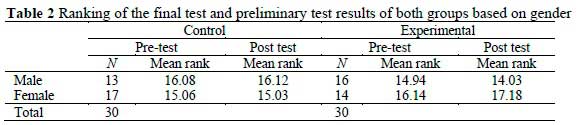
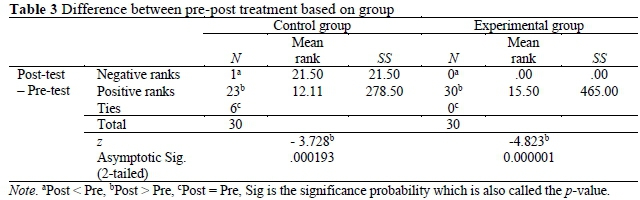
The research reported here examined the outcome of using interactive simulation technology (1ST) as a guided-inquiry approach to enhance learners' conceptual knowledge of electrostatics in physics. Participants were Grade 11 physical sciences learners (n = 60) and a teacher from a rural school in South Africa. Learners were randomly assigned to an experimental group (n = 30) that took part in the intervention lesson using the integration of 1ST in the science classroom, and a control group (n = 30) that continued with the conventional teaching method. We adopted a mixed-method approach for this research. Data were collected through a pre-post achievement instrument, classroom observations, and focus group interviews. Data were analysed using the Mann-Whitney {/-test, the Wilcoxon signed-rank test, and content analysis. It was found that the mean rank rating of the pre-test results for learners in both groups was not significantly different. However, the Mann-Whitney /-test indicated that learners' conceptual understanding measured in the post-test result was greater for the experimental group (mean rank gain score = 38.83) compared to the control group (mean rank gain score = 22.17), U = 200.0, p = 0.000185. This finding indicates that integrating 1ST into inquiry-based activities can be used efficiently to improve learners' in-depth knowledge of science concepts.
electrostatics; inquiry; instructional pedagogy; interactive simulation; physics
 Thumbnail