Instructional resources in the teaching of geography in secondary schools: The case of the Plateau State, Nigeria
Abstract
The purpose with the study reported on here was to establish the role of instructional resources in the learning of geography. Instructional resources are objects used by teachers to make learning meaningful. Studies have shown that learners perform poorly in geography. With this study we examined instructional resources for the teaching of geography in secondary schools: the case of the Plateau State, Nigeria. We used mixed methodology. We purposively selected the sampled population of 284 secondary school geography teachers from 195 secondary schools. Data collection involved observations, semi-structured interviews, and a survey questionnaire. Analysis of the data was done using descriptive and inferential statistics and content analysis. The findings revealed the following challenges faced by teachers: poor budgetary allocation to education, inadequate instructional resources, lack of resource rooms, poor electricity supply, lack of internet connection, negative teachers' attitudes towards effective use of instructional resources and teachers' lack of skills regarding geography improvisation. Some implications when teaching without instructional resources are a reduction in learners' academic achievement, an increase in drop-out rates and an increase in behavioural problems. Positive implications of the use of instructional resources include making learning practical, realistic, and appealing, providing room for acquisition of skills, self-actualisation, knowledge, and self-confidence, and enable learners to participate actively in lessons. From the findings we recommend that teachers should be trained well in modern use of instructional resources such as the geographic information system (GIS), projectors, e-books, digital maps for innovative and technology-driven instruction, and an increase in budgetary allocation to education by the government for the construction of resource rooms, libraries, and laboratories. Parents and stakeholders should supply resources to schools. This study contributes to knowledge by promoting more accessible and engaging learning experiences, enhancing teaching effectiveness, and bridging the gap between abstract concepts and practical understanding, thereby fostering deeper information retention among diverse learners.
geography education; geography teachers; instructional resources; program and senior secondary schools
Introduction
Instructional resources are objects or devices that can be perceived or touched, and spaces that teachers incorporate in the teaching and learning practice. Instructional resources include teaching resources, audio-visual aids, video cassettes, curriculum resources, video compact discs (VCDs), digital video discs (DVDs), and models of actual objects. Other instructional resources include computer devices, multimedia projectors and internet services (Kipkoech, Kipgosgei & Ngeno, 2020). With this study we aimed at contributing to the knowledge in the field by enhancing geography teaching and learning through breaking down complex concepts for easy understanding; engaging learners more meaningfully in classroom activity; fostering critical thinking in learners; contributing to productive learning and increased student creativity; providing a spatial perspective for easy understanding of the world which comprises natural and human phenomena, especially on the distribution of things on Earth. The use of instructional resources is important in all disciplines since it stimulates learners' interest and improves retention through concrete learning experiences that help learners to visualise and interact in diverse ways. Geography is an optional subject in secondary schools in Nigeria. Quality instruction in geography requires the use of various kinds of instructional resources. These resources assist the teacher to develop and present stimulating teaching and learning activities. Geography is concerned with the interaction between humans and the natural environment. It deals with land, features, society, and global phenomena. It bridges physical and social sciences, divided into human and physical geography (Messerli & Rey, 2012). According to Aina (2019), geography is a multidimensional science that examines the structure and behaviour of human society while addressing real-world problems that include the development of culture and civilisation.
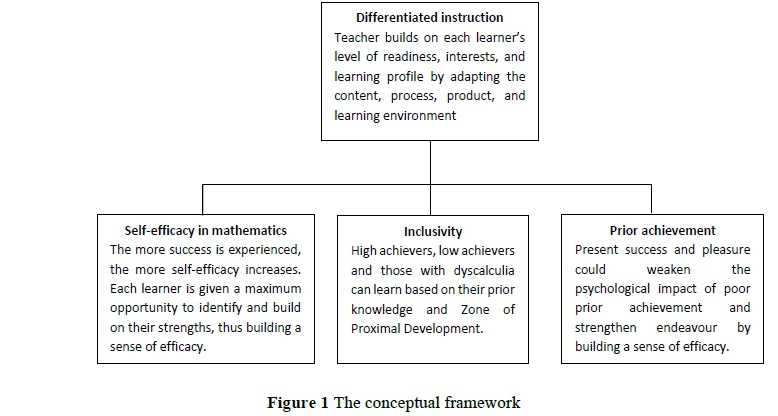
Poor academic performance in geography among secondary school learners is influenced by the unavailability of instructional resources and unskilled and poorly trained geography teachers. With this study we examined instructional resources in the teaching of geography in secondary schools in the Plateau State, Nigeria.
Table 1 shows the poor performance of geography learners in secondary schools in the Plateau State, Nigeria. The poor results may partly be attributed to the poor use of instructional resources by geography teachers.
Background to the Study
The limited availability of instructional resources in the Plateau State, Nigeria, hinders effective geography teaching and student performance. The lack thereof forces teachers to rely on lecture-based methods (Creswell & Creswell, 2018). Bature and Atweh (2020) found that teachers preferred teacher-centred instruction due to difficulties with learner-centred approaches. Most geography teachers who have been poorly trained lack knowledge of instructional resources (Dhakal, 2017), which contributes to poor learner performance (Mwesiga, 2017). This study is valuable to instructors, learners, publishers, policymakers, the Ministry of Education, programme development institutes, and commercial vendors. Memorisation and rote learning among geography learners can be improved by teachers' effective use of instructional resources in the teaching of geography (Chukwuna, Okwuchukwu & Chikendu, 2022). According to Akanbi (2018), the constructive interaction of instructional resources and geography teaching develop learners' critical thinking and closes the gap between the informal and formal learning.
The harsh economic situation in countries faced with hardship like Nigeria, South Sudan, Liberia, Mali, Nepal, Niger, Senegal, Rwanda, et cetera, calls for proper knowledge of geography to contribute to overcome some of these challenges. The high cost of living, rising poverty, rising fuel price, poor exchange rates, out-of-school children, child labour, banditry, early marriage, Boko Haram, and climate change have affected society. As a result, geography teachers and learners are encouraged to master and use local instructional resources to engage in various economic activities such as agriculture, fishing, mining, lumbering, beekeeping, and forestry. Many challenges associated with the teaching of geography and other disciplines are experienced in many countries like Nigeria, Tanzania, Ghana, South Africa, the United Kingdom (UK), Malaysia, and Kenya. According to Thenga, Goldschagg, Ferguson and Mandikonza (2020), teacher-centred instruction leads to poor outcomes, hence the urgent need for learner-centred instruction using the right instructional resources.
Instructional resources are essential for effective teaching, enhancing teachers' efficiency and improving student performance. They include concrete and non-concrete resources that make learning practical, engaging, and realistic (Ibeneme, 2000). These resources foster critical and creative thinking, encourage analytical inquiry, and motivate learners to produce their own resources (Shariffudin, 2007). Mostly, it is said that one picture is equivalent to a thousand words (Creswell & Creswell, 2018). Instructional resources help teachers and learners move beyond rote memorisation, providing practical experiences that develop skills and concepts (Barnes & Christophers, 2018), while instructional resources aid the comprehension (Dhakal, 2017). Sufficient resources enhance lesson clarity and retention (Shariffudin, 2007). Essential tools like maps and atlases support spatial learning, while modern methods - the geographic information system (GIS), projectors, electronic book (e-books), and digital maps - should be integrated for innovative, technology-driven instruction (Ediyang & Effiom, 2017; Khashoggi & Murad, 2020).
Table 2 below categorises the use of instructional resources in physical, social, and regional geography and shows the educational benefits of each.
Instructional resources enhance learners' understanding and retention. These include printed texts, graphics, audio-visual aids, and local resources (Abaidoo, 2018). As interpreters and implementers of the curriculum, teachers hold significant authority and responsibility (Aina, 2019). The fundamental role of geography instructional resources is to stimulate learners' senses to enhance knowledge construction (Creswell & Creswell, 2018; Gregory, 2020). According to Yavuz and Güzel (2020), these roles ease learning and make it more interesting, practical, realistic, and appealing.
Objectives of the Study
The specific objectives of this study were:
1) To investigate how successful instructional resources improve the performance of secondary learners in geography.
2) To determine the process of acquiring geography instructional resources and how effective the resources are in the teaching of geography.
3) To determine the challenges faced by secondary school geography teachers in the use of instructional resources and the extent to which the resources could be used in the teaching of geography.
Research Questions
The study was guided by the following research questions:
1) To what extent are instructional resources successful in improving learners' performance in geography?
2) What is the process of acquiring geography instructional resources and how effectively are the resources used in the teaching of geography?
3) What challenges do secondary school geography teachers face in using instructional resources and to what extent could the resources be used in the teaching of geography?
Theoretical/Conceptual Framework
This study is grounded on the social learning theory (Bandura, 1977) and the constructivist learning theory (Piaget, 1972; Vygotsky, 1978), which collectively provide a comprehensive understanding of how instructional resources influence the teaching and learning of geography in secondary schools.
According to the social learning theory, learning occurs through observation, imitation, and modelling of behaviour within a social context (Bandura, 1977). In the geography classroom, instructional resources such as maps, displays, and multimedia resources serve as models that learners can observe and engage with. These resources facilitate vicarious learning, through which learners acquire knowledge by watching demonstrations and examples presented by teachers or peers (Gotep, Adejo & Igwe, 2017; Zhou, 2024). Additionally, direct or indirect reinforcement encourages learners to develop and sustain productive learning habits, which improve their engagement and academic success (Bandura, 1977). As a result, educational resources not only offer information but also act as motivators to encourage engagement and a lifelong love of geography.
The constructivist learning theory emphasises that learners actively construct their own knowledge through experiences and reflection rather than through passively receiving information (Piaget, 1972; Vygotsky, 1978). The theory advocates for learner-centred approaches where learners engage in cognitive activities such as analysing, evaluating, and synthesising geographical information, with teachers acting as facilitators (Adak, 2017). Nevertheless, instructional resources in geography, including physical models, maps, and digital simulations, support experiential learning by enabling learners to explore real-world phenomena and develop critical-thinking skills (Khashoggi & Murad, 2020). Additionally, Vygotsky's concept of the zone of proximal development (ZPD) highlights the role of scaffolding, whereby teachers use instructional resources to assist learners in mastering tasks they cannot achieve independently, promoting gradual knowledge acquisition and self-regulation (Viz & Kaur, 2017).
Constructivist and social learning theories highlight the diverse roles that teaching resources play in geography education, both as social mediators that inspire and mentor learners and as cognitive tools that facilitate comprehension. Our investigation of the use of instructional resources, the difficulties encountered in their application, and their effect on learners' performance in secondary schools in the Plateau State, Nigeria, is guided by these theoretical frameworks.
Literature Review
Instructional resources are concrete or physical objects that cater to learners' visual and auditory senses. Geography is a practical interdisciplinary course of study which requires the use of instructional resources and learner-centred strategies (Kipkoech et al., 2020).
According to the West African Examination Council, learners perform poorly in map reading due to a lack of knowledge in identifying and interpreting topographical features (Dlamini, 2019). Research highlights that instructional resources like audio-visual aids, charts, and maps are crucial for geography education, significantly improving student performance (Chukwuna et al., 2022). These resources foster hands-on learning, enhancing 21st-century skills such as creativity, critical thinking, and collaboration (Dlamini, 2019). Teachers play a key role in creating learning experiences that help learners grasp geography concepts (Moses, 2023). According to Johnson and Christensen (2017), effective geography instruction relies on visual and auditory learning, improving retention through proper use of instructional resources.
Research (Ashaver & Igyuve, 2013; Dhakal, 2017; Maranto, Al Awawdeh, Blomli, Christensen, Eversmann, Hansson, Johnston, Lawrie, Pandey, Richardson & Verwoerdt, 2017) identifies various instructional resources in geography, including audio-visual aids, videos, radio, tapes, films, projectors, computers, printed texts, maps, diagrams, and laboratory equipment like thermometers and rain gauges. These resources enhance knowledge acquisition, clarify object-concept relationships, facilitate practical learning, and help overcome language barriers for better comprehension and retention (Gaudence, Too & Nabwire, 2013).
Ediyang, Ejoh and Adams (2020) examined geography teachers' perceptions of innovative teaching and found that, despite challenges, teachers are eager to use available technology effectively. Gatsinzi, Ndayisenga, Mukamazimpaka and Kabeja (2020) emphasise that providing adequate instructional resources is essential for improving education quality in poorly resourced and overcrowded classrooms. This highlights a common challenge in many African countries, including Nigeria, where instructional resources are often insufficient.
The importance of instructional resources in geography education is widely recognised. They enhance learners' engagement, foster independent learning, and develop essential skills (Creswell & Plano Clark, 2018). They also guide teachers in explaining geography concepts effectively. Key factors for improving geography education include categorising instructional outcomes, emerging instruction, and assessing effectiveness (Creswell & Creswell, 2018). Inadequate instructional methods hinder effective learning environments and activities. The proper use of instructional resources is essential for facilitating geography teaching and achieving learning objectives (Reddy, 2021).
Studies from South Africa provide valuable insight into similar challenges faced in Nigerian geography education. In South Africa, instructional resources play a crucial role in achieving learning objectives. Effective lesson planning, incorporating instructional resources, enhances learner-teacher relationships and fosters deeper learning (Reddy, 2021). The use of instructional resources in the teaching of climate change has been emphasised (Thenga et al., 2020), reinforcing the importance of proper training for geography teachers. However, South African geography education has faced setbacks, with declining emphasis on the subject in tertiary institutions in support of spatial technology courses such as GIS (Innes, 2012).
Despite these insights, South African schools struggle with similar constraints as in Nigeria, including limited instructional maps, under-resourced schools, and instructing in non-native languages (Anyanwu, Le Grange & Beets, 2015; Ashwell, 2007). To improve geography education, there is a need for better teacher training and classroom resources (Britz & Webb, 2016). A key challenge is the lack of infrastructure, affecting GIS and information communication technology (ICT) integration which is also a pressing issue in Nigeria (Fleischmann & Van der Westhuizen, 2017). According to Fleischmann and Van der Westhuizen (2017) and Wilmot and Dube (2015), limited funding for instructional resources, large class sizes, and language barriers further hinder effective geography instruction.
While these challenges exist in most African countries, Nigeria requires context-specific solutions. Drawing from research in Kenya and Zimbabwe, studies have shown that video instructional resources significantly improve learners' engagement and retention (Mupa & Chinooneka, 2015). Similarly, the United Nations Educational, Scientific and Cultural Organization ([UNESCO], 2012) highlights the shortage of instructional resources across Africa, emphasising the need for better resource allocation. The Nigerian government and educational stakeholders must take decisive action to address the scarcity of instructional resources, ensuring that geography education is adequately supported for improved learner outcomes.
Methodology
In this section we present the research design used; a description of the study area; population and sample; validity and reliability; data collection instrument; data analysis and ethical considerations.
Research Design
In this study we adopted a mixed research approach in which the convergent parallel design was used. Qualitative and quantitative research methods (mixed methods) were applied. Quantitative and qualitative data provide a comprehensive analysis of the research problem. We employed descriptive survey research in this study. We used sequential phases to describe the research in depth using qualitative and quantitative procedures. Descriptive statistics survey is a tool that describes and reduces the properties of a mass of sample data under consideration to a manageable amount. Qualitative research is grounded in the interpretive philosophical position. It is concerned with how the social world is interpreted and understood. Descriptive methods are used widely to obtain data which is useful in the evaluation of present practices and providing a basis for decision-making (Creswell & Creswell, 2018).
Description of the Study Location
Plateau State is located in the north central geopolitical zone of Nigeria (see Figure 1). In the study we involved secondary school geography teachers in the Plateau State, Nigeria, with a projected population of 4,200,442 according to National Bureau of Statistics. Nigeria has 36 states with Abuja as its federal capital city. The Ministry of Education has the responsibility to ensure that schools are provided with adequate instructional resources (Joventa, Kazaara & Kazaara, 2023).
Population and Sample
The study participants were selected using the purposive sampling technique. The sample size for the study was 284 secondary school geography teachers (SSGT) drawn from 195 secondary schools in the Plateau State, Nigeria. A focus group of 30 participants (20 male and 10 female) was interviewed. We developed a survey questionnaire with 23 items and 15 interview questions for data collection in the study.
Validity and Reliability of Instrument
Content validity was used to ensure that the instruments measured accurately what they were supposed to. Suggestions made by professors of the Institute of Education, Department of Educational Programs, and Instruction in the Division of Curriculum and Instruction at the Near East University, Nicosia, North Cyprus, were incorporated in these instruments. The t-test was used to evaluate the hypothesis formulated at 0.05 significance level. The reliability of the research instruments was accepted using the split-half method in which the data received from the pre-test were analysed by dividing the instruments into two parts. Even-numbered items and odd-numbered items, including the score rankings and the established differences, were divided into two groups (even numbered and odd numbered). The scores were correlated by means of the Spearman Brown proficiency formula: r = 1, in which r = correlated coefficient amid rank order, D2 = difference among the rankings, n = number of pairs of rankings. A correlation coefficient, r, of 0.789 was acceptable.
Instrument(s) for Data Collection
The data were collected using both primary and secondary sources. A structured 23-item survey questionnaire was administered to 284 SSGT. Interviews using 15 open-ended questions were held with a focus group of 30 geography teachers with visitations to the participants in the 195 secondary schools in the Plateau State, Nigeria. The design of the structured questionnaire on the subject matter was inspired by other research questions. The questionnaire is a summary of the explanation of the instruments used for data collection. De Vaus (2014) clarifies that the decision of research instruments relies upon the idea of the exploration questions. The survey questionnaire was administered using an adopted research work by Japhet Kirkiui Ng'eno (2015) from Nigeria.
A pilot study was conducted to pre-test the questionnaire and interview guide. In-depth, face-to-face interviews ensured direct interaction, minimising non-response rates. Qualitative data collection involved focus group discussions with participants from similar backgrounds. To limit withdrawal of participants, a structured consent letter outlining the study aims was sent to principals and participants in advance. However, ethical considerations determine that participants may withdraw from the study without penalty at any stage. The study was conducted at Government College Pankshin, the Plateau State, Nigeria, with participants selected for their diverse communication and thinking skills. We recorded responses through field notes and semi-structured formats (Ab Razak, Bahoron, Abdullahi, Hamdam, Abd Aziz & Anuar, 2019; Reilly & Jones, 2017).
Data Analysis
We employed descriptive and inferential statistics, content analysis, and a thematic approach for the analysis of qualitative interview data. Codes were categorised into themes, and univariate analysis determined variable distributions using percentages and frequencies. Multiple response percentages were calculated for open-ended questions. The Statistical Package for the Social Sciences (SPSS) was used, incorporating descriptive statistics such as percentages, frequencies, means, and standard deviations. A t-test was conducted to evaluate the hypotheses at p < 0.05 level of significance.
Ethical Considerations
Authorisation for this study was sought in writing from the relevant authorities such as the Ministry of Education of the Plateau State, principals of secondary schools and the teacher participants. The participants were well informed about the purpose and the importance of the study.
Results
Mixed methods integrate philosophical frameworks of both post-positivism and interpretation of both quantitative and qualitative data. Quantitative data bring breadth to the study while qualitative data provides depth. Mixed methods of research allow researchers to seek a wide view of study. It also enables them to view a phenomenon from different perspectives and research lenses (Shorten & Smith, 2017).
Quantitative Results
Research question 1: To what extent are instructional resources successful in improving learners' performance in geography?
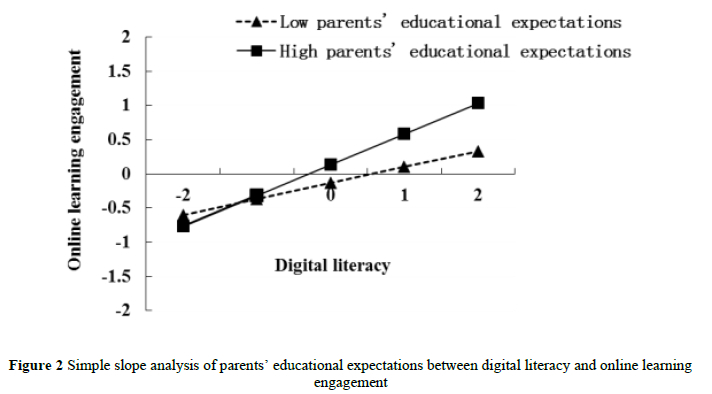
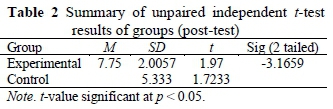
Table 3 shows the extent to which the use of instructional resources is successful in improving learners' performance in geography. The mean score (M) for lessons using instructional resources was 73.2 (SD = 11.56), while lessons without them had a mean score of 51.7 (SD = 9.10) (see Figure 2). The mean difference was 21.5, clearly demonstrating that the use of instructional resources significantly improved learning outcomes.
Table 4 presents geography teachers' perceptions of how successful or not programmes based on instructional resources are in improving learner's performance. Most respondents (58.8%) considered the programme successful, indicating strong support among educators for the positive impact of instructional resources on students' learning outcomes. An additional 12.7% rated the programme as partially successful, suggesting that while improvements were observed, effectiveness may be limited by factors such as resource quality, availability, or usage. However, a notable 28.5% of teachers viewed the programme as not successful, reflecting significant concerns about its implementation or impact in certain contexts (see Figure 3).
Research question 2: What is the process of acquiring geography instructional resources and how effective are the resources used in the teaching of geography?
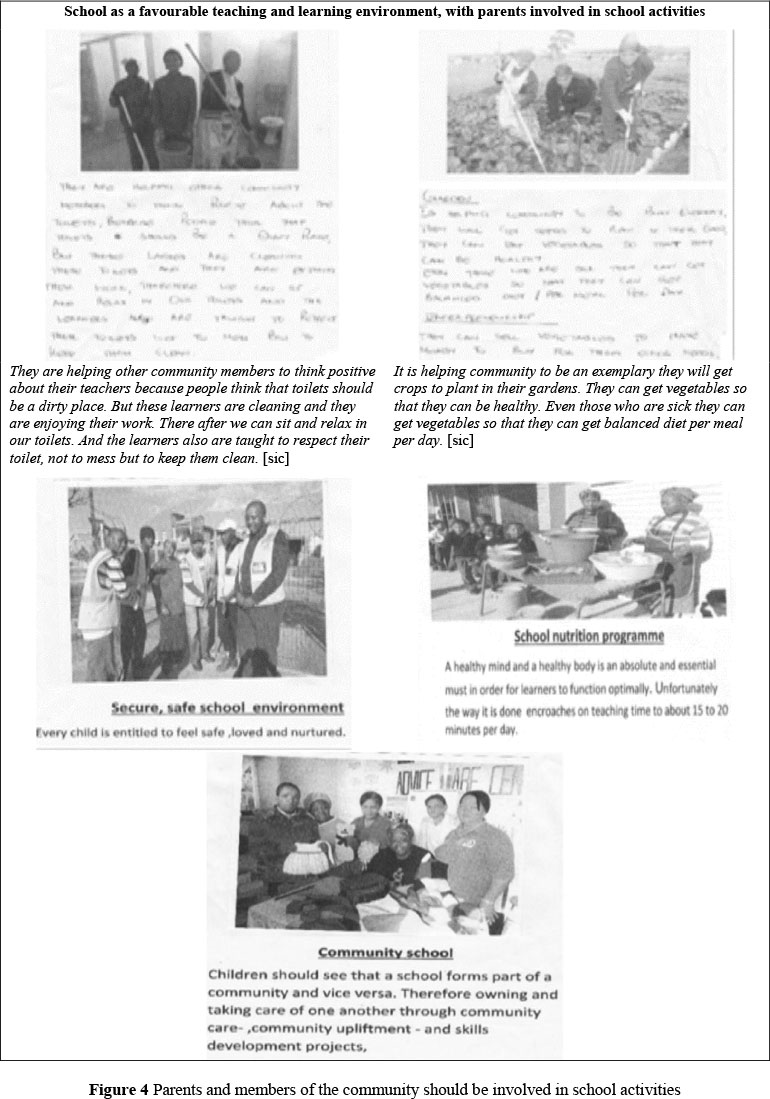
Table 5 shows how instructional resources for use in the teaching of geography are acquired. The data reveal that the acquisition of instructional resources for the teaching of geography is primarily dependent on institutional and governmental support, with 30.7% of respondents indicating that resources were purchased by school principals and 30.4% indicated that they were supplied by the Plateau State Ministry of Education. Improvisation (21.7%) also plays a significant role, reflecting efforts by teachers to compensate for shortages through creativity and resourcefulness. Acquisition through parents (12.6%) shows some level of community involvement, although to a lesser extent. Minimal contributions come from donations (2.5%), teachers' personal purchases (1.6%), and digital or library sources (each 0.2%), suggesting limited reliance on personal initiative or digital resources (see Figure 4).
How effective are geography instructional resources in the teaching of geography?
Table 6 shows how effective instructional resources are in the teaching of geography. The data reveal that the effectiveness of geography textbooks in teaching is primarily attributed to content-related qualities, with content accuracy (17.5%), text clarity (15.8%), and relevance to the syllabus (14.3%) the most valued attributes. Notably, only 0.7% of respondents valued textbooks recommended by the Ministry of Education, indicating a possible disconnect between official endorsements and classroom utility (see Figure 5).
Research question 3: What challenges do secondary school geography teachers face in using instructional resources and to what extent could the resources be used in the teaching of geography?
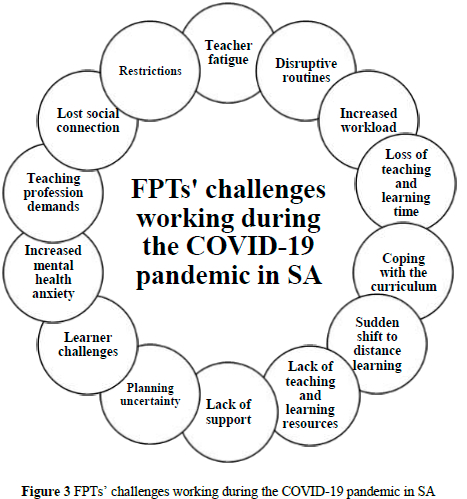
Table 7 shows the challenges that SSGT face in using instructional resources and the extent to which the resources could be used in the teaching of geography. With an overall mean score of 3.76, the responses show that teachers experience major obstacles. The most notable difficulties include a lack of government encouragement (M = 4.57), unstable internet connectivity (M = 4.33), and limited computer access (M = 4.09), indicating that infrastructure and systemic impediments are significant constraints. Other obstacles that the respondents agreed on include a lack of technical support, insufficient time for improvisation, limited support from school authorities, and instructors' inability to pick or improve relevant resources. Notably, the only item with which the respondents disagreed was a lack of teacher expertise (M = 2.64), indicating that while teachers typically felt competent, they believed that external factors hampered their practice (see Figure 6).
To what extent could instructional resources be used in the teaching of geography?
Table 8 shows the frequency of the use of computers in the teaching of geography. The data indicate that only a few teachers (7.0%), consistently used computers for teaching geography. While 6.3% often used it, an additional 16.2% indicated rare use (see Figure 7). We found that 200 teachers (70.4%) never used computers due to limited supply from the government and school authorities.
Qualitative Results
Data collection involved field observations, document analysis, face-to-face and focus group interviews, and our field notes (Ahmad, 2017). Qualitative researchers use a bottom-up approach, arranging data into patterns, categories, and themes to develop more abstract insight (Creswell & Creswell, 2018).
Research question 1: To what extent are instructional resources successful in improving learners' performance in geography?
Theme 1: Teachers' reluctance to use geography instructional resources
A male participant (42 years old) observed that only a few teachers exhibited a positive attitude toward using geography instructional resources during geography lessons.
Theme 2: No encouragement from the government A female participant (47 years old) highlighted the lack of government support in the provision of geography instructional resources. She further noted that teachers' salaries were both insufficient and irregularly paid.
Theme 3: Poor supply of electricity
A male participant (30 years old) mentioned that the irregular supply of electricity hindered the use of technology in geography teaching, particularly for topics that required computer-related instructional resources.
Theme 4: Unqualified teachers
A male participant (57 years old) admitted that some teachers were not adequately qualified to teach geography effectively.
Theme 5: Inadequate supply of instructional resources to schools
A female participant (59 years old) emphasised that there was a critical shortage of relevant geography instructional resources, which made it difficult for teachers to conduct lessons effectively.
Research question 2: What is the process of acquiring geography instructional resources and how effective are the resources used in the teaching of geography?
Process of acquiring geography instructional resources
Theme 1: Improvise to suit each lesson
A female participant (33 years old) reported that most teachers devoted a significant amount of time to improvising geography instructional resources to suit each week' s lessons.
Theme 2: Not enough time to improvise A male participant (50 years old) indicated that teachers rarely had enough time to improvise, leading them to teach without instructional resources.
Theme 3: No knowledge of how to improvise A female participant (20 years old) indicated that most teachers did not have the knowledge of how to improvise instructional resources because no workshops or training sessions had been provided for this purpose.
Theme 4: Do not improvise at all
A male participant (54 years old) admitted that some teachers did not improvise at all and had been teaching geography without the use of instructional resources.
Theme 5: No encouragement from principals to improvise
A male participant (42 years old) noted that principals did not encourage teachers to improvise, which further hindered the effective use of instructional resources.
Effectiveness of resources used in the teaching of geography
Theme 1: Engage learners to actively participate
A male participant (51 years old) mentioned that most teachers engaged their learners to participate actively during geography lessons using instructional resources.
Theme 2: Ensure visual quality
A male participant (42 years old) stated that teachers ensured the visual quality of instructional resources to enhance learning.
Theme 3: Ensure content relevance
A female participant (48 years old) emphasised that only a few teachers ensured the relevance of the content when using instructional resources in geography lessons.
Theme 4: Ensure that the lesson is concise and to the point
A male participant (39 years old) pointed out that some teachers used instructional resources in a direct and concise manner, focusing on key points.
Theme 5: Ensure proper evaluation for feedback
A female participant (52 years old) mentioned that only a few teachers ensured proper evaluation and feedback when using instructional resources.
Research question 3: What challenges do geography teachers face in using instructional resources?
Theme 1: Financial constraints from government and authorities
A female participant (42 years old) shared that both the government and educational authorities provided limited financial support to the education sector, affecting the availability of instructional resources.
Theme 2: Non-availability of relevant resources A male participant (45 years old) pointed out that geography concepts can be abstract and indicated that there was a critical need for relevant resources. However, the response from the government and educational authorities to this challenge was minimal.
Theme 3: Lack of skills and strategies
A female participant (30 years old) admitted that most teachers lacked the necessary skills and strategies to effectively use geography instructional resources in their teaching.
Theme 4: Negative attitudes towards the use of geography instructional resources
A male participant (50 years old) observed that some teachers displayed negative attitudes towards using instructional resources in geography lessons.
Theme 5: Lack of support from school authorities A female participant (55 years old) stated that some principals did not support workshops or seminars aimed at improving the use of instructional resources.
Suggestions on how geography teachers may overcome the challenges
Theme 1: Encouragement and adequate supply of instructional resources from both government and school authorities
A female participant (53 years old) suggested that government leaders needed to demonstrate the political will to provide funding to the education sector for the supply of adequate instructional resources.
Theme 2: Geography teachers should develop positive attitudes towards the use of instructional resources
A newly recruited male participant (20 years old) stated that most teachers exhibited negative attitudes towards using instructional resources with their learners.
Theme 3: Arrange regular field trips for geography teachers
A female participant (55 years old) mentioned that principals did not allow teachers to go on field trips due to a lack of funds, which limited exposure to practical geography learning experiences.
Theme 4: Training and retraining of teachers A male participant (46 years old) emphasised the need for serious training and retraining of geography teachers, particularly through workshops, seminars, and in-service training on improvisation and the use of electronic instructional resources.
Theme 5: Regular review of the educational programme for updates and allocating more time for geography
A female participant (47 years old) observed that the geography curriculum had not changes and that the time allocation for the subject was inadequate.
To what extent should instructional resources be used in the teaching of geography?
Theme 1: Consider the age of the learners A male participant (53 years old) mentioned that many teachers did not consider their learners' age when selecting and using instructional resources for geography lessons.
Theme 2: Consider the target learners' level of ability
A male participant (48 years old) stated that most teachers did not consider their learners' level of ability when using instructional resources.
Theme 3: Ensure careful selection of instructional resources
A female participant (40 years old) candidly noted that only a few teachers ensured the careful selection of instructional resources for geography lessons.
Theme 4: Ensure that instructional resources are diverse
A male participant (49 years old) observed that some teachers ensured that the instructional resources they used in the teaching of geography were diverse to cater for different learning needs.
Theme 5: Ensure that instructional resources are appealing and attractive
A female participant (30 years old) admitted that some teachers did not use instructional resources that were visually appealing or attractive to learners.
Discussion
The research findings and classroom records indicate that the effective use of instructional resources enhances learner performance. However, challenges persist in the implementation thereof. The professional development of secondary school geography teachers, particularly in content knowledge and pedagogical skills related to instructional resources, has received minimal attention from stakeholders and the government. The study reveals that teachers and learners improvised instructional resources from local content. Instructional resources were supplied to secondary schools by principals, parents, stakeholders, and the Ministry of Education. The data collected indicate that many teachers had little knowledge of ICT and the use of computers (Yavuz & Güzel, 2020).
Instructional resources found in most of the schools were insignificant. The findings reveal that most instructional resources used were purchased by authorities and parents. The performance of participating learners who used instructional resources such as audio-visual aids, visual aids, television, video cassettes, VCDs, DVDs, models of real objects, print and non-print resources showed a high mean performance compared to those who were taught without instructional resources. This finding agrees with those of Kipkoech et al. (2020) who state that instructional resources promote meaningful and effective learning, promotes fast retention, and makes the inaccessible accessible. Interview results confirm that effective instructional resources enhanced learning and improved student performance. The findings show the importance of the use of such resources and demonstrate how their use positively impacts learners' attitudes and academic outcomes (Ediyang et al., 2020).
We found that learners who were taught using traditional chalk-and-talk methods performed significantly worse than those taught using the constructivist model. This supports social learning theory and constructivism, which view knowledge as socially constructed through collaboration. Geography should be taught with an awareness of its historical and contextual development. Creswell and Creswell (2018) confirm that constructivist teaching strategies enhance higher-order cognitive abilities and academic achievement, making concrete knowledge acquisition superior to rote learning. However, poor remuneration and working conditions negatively impact teachers' motivation and the effective use of instructional resources, contributing to high attrition among geography teachers. Additionally, many unqualified teachers serve as ad hoc staff, with economics or government teachers often assigned to teach geography (Atubi, 2021). The study also highlights numerous challenges in using instructional resources, which is in line with findings by Anthony, Kazaara, Kazaara, Ismail and Prudence (2023). These authors identified issues such as ineffective teaching methods, resource scarcity, poor attitudes, and a lack of managerial support as some of these challenges. Teachers should adopt a positive approach to using and improvising instructional resources for effective geography instruction.
Instructional resources reduce classroom monotony, engage learners, and stimulate curiosity by presenting content in an interactive and relatable manner (Mwesiga, 2017). Teachers play a crucial role in fostering faster learning, mental development, and personality growth, especially in early education. Introducing GIS in South African schools enhances spatial competence and complements traditional tools like globes, wall maps, and computers. When linked to a digital projector, GIS improves lesson delivery alongside other instructional resources (Ross, 2018).
Conclusion
Instructional resources are essential for achieving educational goals. In this study we identified key challenges in the teaching of geography, including inadequate instructional resources, low teacher salaries, unreliable electricity supply, unqualified teachers, and a lack of government support. Negative teacher attitudes and insufficient instructional resources hindered effective instruction. Many teachers lacked subject expertise, with teachers of different disciplines often assigned to teach geography. Additionally, the few available visual resources were not used effectively by SSGTs, further impacting learning outcomes.
Recommendations
We recommend that government and school authorities increase the financial allocation for education. The Government should ensure prompt payment of teachers' salaries, supply of relevant instructional resources, and construction of resource rooms, libraries, and laboratories. Geography teachers should be allowed to attend regular seminars and workshops to update their knowledge on improvisation and effective use of modern instructional resources. SSGTs should develop positive attitudes in the use of instructional resources. Parents and stakeholders should encourage teachers and learners to be more serious in geography classroom activities. Apart from these recommendations, this study serves as a foundational step towards understanding the challenges and opportunities in geography instruction. In future research the impact of digital technologies and interactive media on students' engagement and achievement in geography, particularly in resource-constrained environments, should be explored.
Authors' Contributions
FDT contributed to the conception of the study, data collection, writing of the manuscript, and interpretation of the results. EB contributed to the study design, critical revision of the manuscript for important intellectual content, and overall supervision of the research. Both authors read and approved the final manuscript.
Notesi. Published under a Creative Commons Attribution Licence.
References
- Abaidoo A 2018. Factors contributing to academic performance of students in a Junior High school. BEd thesis. Winneba, Ghana: University of Education.
-
Ab Razak WMW, Bahoron SAS, Abdullahi Z, Hamdam H, Abd Aziz NU & Anuar AIM 2019. Academic performance of university students: A case in a higher learning institution. KnE Social Sciences:1294-1304. https://doi.org/10.18502/kss.v3i13.4285
» https://doi.org/10.18502/kss.v3i13.4285 -
Adak S 2017. Effectiveness of constructivist approach on academic achievement in science at secondary level. Education Research and Reviews, 12(22):1074-1079. https://doi.org/10.5897/ERR2017.3298
» https://doi.org/10.5897/ERR2017.3298 - Ahmad IS 2017. Doing qualitative research for beginners: From theory to practice. Singapore: Partridge Publishing.
- Aina EH 2019. Effects of formative feedback instructional strategy on upper basic Social Studies students' academic achievement in Edo State. PhD dissertation. Abraka, Nigeria: Delta State University.
- Akanbi K 2018. Selection, utilization and evaluation of instructional media (2nd ed). Ibadan, Nigeria: Y Books Press.
-
Anthony D, Kazaara AG, Kazaara AI, Ismail L & Prudence K 2023. The impact of teachers' teaching methods on students' performance in English subject in secondary schools in Uganda, A case study of selected secondary schools in Kampala & wakiso. International Journal of Academic Pedagogical Research, 7(3):290-297. Available at https://www.researchgate.net/proffile/Ariyo-Gracious-Kaazara/publication/371751961_The_Impact_of_Teachers'_Teaching_Methods_on_Students'_Performance_in_English_Subject_in_Secondary_Schools_In_Uganda_A_Case_Study_Of_Selected_Secondary_Schools_In_Kampala_Wakiso/links/6492fce1b9ed6874a5c5570f/The-Impact-of-Teachers-Teaching-Methods-on-Students-Performance-in-English-Subject-in-Secondary-Schools-In-Uganda-A-Case-Study-Of-Selected-Secondary-Schools-In-Kampala-Wakiso.pdf. Accessed 31 May 2026.
» https://www.researchgate.net/proffile/Ariyo-Gracious-Kaazara/publication/371751961_The_Impact_of_Teachers'_Teaching_Methods_on_Students'_Performance_in_English_Subject_in_Secondary_Schools_In_Uganda_A_Case_Study_Of_Selected_Secondary_Schools_In_Kampala_Wakiso/links/6492fce1b9ed6874a5c5570f/The-Impact-of-Teachers-Teaching-Methods-on-Students-Performance-in-English-Subject-in-Secondary-Schools-In-Uganda-A-Case-Study-Of-Selected-Secondary-Schools-In-Kampala-Wakiso.pdf -
Anyanwu R, Le Grange L & Beets P 2015. Climate change science: The literacy of Geography teachers in the Western Cape Province, South Arica. South African Journal of Education, 35(3):Art. # 1160, 9 pages. https://doi.org/10.15700/saje.v35n3a1160
» https://doi.org/10.15700/saje.v35n3a1160 - Ashaver D & Igyuve SM 2013. The use of audio-visual materials in teaching and learning process in colleges of education in Benue State-Nigeria. IOSR Journal of Research & Method in Education, 1(6):44-55.
- Ashwell A 2007. Youth, GIS and urban nature. Report tabled at a Geography teacher's seminar during GIS week 2007 at the University of the Western Cape, Cape Town, South Africa.
-
Atubi OF 2021. Influence of Multimedia Resources on Social Studies: Exploring teachers and students experiences in Delta State, South South Nigeria. Library Philosophy Practice:5319. Available at https://scholarworks.sjsu.edu/cgi/viewcontent.cgi?article=9862&context=libphilprac. Accessed 15 January 2024.
» https://scholarworks.sjsu.edu/cgi/viewcontent.cgi?article=9862&context=libphilprac - Bandura A 1977. Social learning theory. Englewood Cliffs, NJ: Prentice Hall.
- Barnes TJ & Christophers B 2018. Economic geography: A critical introduction. West Sussex, England: John Wiley & Sons.
-
Bature IJ & Atweh B 2020. Mathematics teachers reflection on the role of productive pedagogies in improving their classroom instruction. International Journal of Educational Methodology, 6(2):319-335. https://doi.org/10.12973/ijem.6.2.319
» https://doi.org/10.12973/ijem.6.2.319 -
Britz HW & Webb P 2016. The effect of an intervention using GIS-generated geo-spatial data on the promotion of spatial cognition and spatial perspective taking in grade 11 learners. South African Geographical Journal, 98(1):182-193. https://doi.org/10.1080/03736245.2014.977815
» https://doi.org/10.1080/03736245.2014.977815 -
Chukwuna OM, Okwuchukwu OK & Chikendu RE 2022. Interaction effects on teaching with improvised instructional materials and standard instructional materials in secondary school chemistry. ISSRA Journal of Education, Linguistics and Literature, 2(2):19-25. https://doi.org/10.5281/zenodo.6476197
» https://doi.org/10.5281/zenodo.6476197 - Creswell JW & Creswell JD 2018. Research design: Qualitative, quantitative, and mixed methods approaches (5th ed). Los Angeles, CA: Sage.
- Creswell JW & Plano Clark VL 2018. Designing and conducting mixed methods research (3rd ed). Thousand Oaks, CA: Sage.
- De Vaus D 2014. Surveys in social research (6th ed). London, England: Routledge.
-
Dhakal KR 2017. Availability and utilization of instructional materials in teaching geography in secondary schools. The Third Pole: Journal of Geography, 17:51 -58. https://doi.org/10.3126/ttp.v17i0.19982
» https://doi.org/10.3126/ttp.v17i0.19982 -
Dlamini BB 2019. Teacher' approaches to the teaching of geography in Eswatini school. MEd dissertation. Durban, South Africa: University of KwaZulu-Natal. Available at https://researchspace.ukzn.ac.za/server/api/core/bitstreams/1e72bcd3-b1c9-41dd-b60d-ea338fa625d0/content. Accessed 31 May 2026.
» https://researchspace.ukzn.ac.za/server/api/core/bitstreams/1e72bcd3-b1c9-41dd-b60d-ea338fa625d0/content -
Ediyang SD & Effiom NV 2017. Social Studies teaching resources in the 21st century. International Journal of Sociology and Anthropology Research, 3(4):8-14. Available at https://eajournals.org/wp-content/uploads/Social-Studies-Teaching-Resources-in-the-21st-Century.pdf. Accessed 31 May 2026.
» https://eajournals.org/wp-content/uploads/Social-Studies-Teaching-Resources-in-the-21st-Century.pdf -
Ediyang SD, Ejoh AO & Adams AP 2020. The role of instructional materials among social studies teachers in Nigeria: The quest for effectiveness in classroom pedagogy. Journal of Educational and Social Research, 10(2):164-176. https://doi.org/10.36941/jesr-2020-0036
» https://doi.org/10.36941/jesr-2020-0036 -
Fleischmann EML & Van der Westhuizen CP 2017. The Interactive-GIS-Tutor (IGIST): An option for GIS teaching in resource-poor South African schools. South African Geographical Journal, 99(1):68-85. https://doi.org/10.1080/03736245.2016.1208576
» https://doi.org/10.1080/03736245.2016.1208576 -
Gatsinzi P, Ndayisenga W, Mukamazimpaka MC & Kabeja MJ 2020. Innovative approaches to ensuring quality education in poorly resourced and over-crowded classrooms of the public schools of Gasabo district-Kigali City. Journal of Research Innovations and Implications in Education, 4(2):102-110. Available at https://www.researchgate.net/publication/359462214_Innovative_Approaches_to_Ensuring_Quality_Education_in_Poorly-resourced_and_Over-crowded_Classrooms_of_the_Public_schools_of_Gasabo_District-Kigali_City. Accessed 31 May 2026.
» https://www.researchgate.net/publication/359462214_Innovative_Approaches_to_Ensuring_Quality_Education_in_Poorly-resourced_and_Over-crowded_Classrooms_of_the_Public_schools_of_Gasabo_District-Kigali_City - Gaudence O, Too JK & Nabwire VK 2013. Enhancing learning of Geography: A focus on video use. International Journal of Social Sciences and Education, 4(1):277-288.
- Gotep DM, Adejo MJ & Igwe DO 2017. Effects of constructivist instructional approach on junior secondary students achievement in basic science concepts in Plateau State, Nigeria. International Journal of Research in Science Technology and Mathematics Education, 5(1).
- Gregory KJ 2020. The changing nature of physical geography. London: Arnold.
- Ibeneme OT 2000. Provision and utilization of instructional equipment for teaching and learning science and technology. Issues in Educational Journal, 1:139-144.
- Innes LM 2012. South African school Geography: Underpinning the foundation of geospatial competence. South African Journal of Geomatics, 1(1):92-108.
-
Isa Abdulsalami Ahovi J 2015. Fear grips Plateau over terrorism threat. The Guardian, 23 October. Available at https://guardian.ng/news/fear-grips-plateau-over-terrorism-threat/. Accessed 19 May 2026.
» https://guardian.ng/news/fear-grips-plateau-over-terrorism-threat/ - Johnson RB & Christensen L 2017. Educational research: Quantitative, qualitative, and mixed approaches (6th ed). Los Angeles, CA: Sage.
-
Joventa K, Kazaara AG & Kazaara AI 2023. Assessing the impact of early marriage on girl child education in Uganda: A case study of Nyankwanzi Sub-County, Kyejonjo District. International Journal of Academic Pedagogical Research, 7(3): 183-190. Available at https://www.researchgate.net/publication/371747905_Assessing_the_Impact_of_Early_Marriage_on_Girl_Child_Education_in_Uganda_a_Case_Study_of_Nyankwanzi_Sub-County_Kyejonjo_District. Accessed 31 May 2026.
» https://www.researchgate.net/publication/371747905_Assessing_the_Impact_of_Early_Marriage_on_Girl_Child_Education_in_Uganda_a_Case_Study_of_Nyankwanzi_Sub-County_Kyejonjo_District -
Khashoggi BF & Murad A 2020. Issues of healthcare planning and GIS: A review [Special issue]. International Journal of Geo-Information, 9(6):352. https://doi.org/10.3390/ijgi9060352
» https://doi.org/10.3390/ijgi9060352 -
Kipkoech KJ, Kipgosgei AK & Ngeno V 2020. Influence of headteachers' monitoring allocations of teaching and learning materials on learners' performance in activity areas in public pre-primary schools in Narok County, Kenya. Global Journal of Education Research, 9(1):39-53. https://doi.org/10.4314/gjedr.v19i1.9
» https://doi.org/10.4314/gjedr.v19i1.9 -
Maranto R, Al Awawdeh IA, Blomli S, Christensen S, Eversmann E, Hansson M, Johnston C, Lawrie J, Pandey G, Richardson E & Verwoerdt F 2017. The quality learning framework. London, England: Save the Children International. Available at https://resourcecentre.savethechildren.net/pdf/00_quality_learning_framework_september_2017.pdf. Accessed 31 May 2026.
» https://resourcecentre.savethechildren.net/pdf/00_quality_learning_framework_september_2017.pdf -
Messerli P & Rey L 2012. Integrating physical and human geography in the context of mountain development: The Bernese approach. Geographica Helvetica, 67(1/2):38-42. https://doi.org/10.5194/gh-67-38-2012
» https://doi.org/10.5194/gh-67-38-2012 -
Moses T 2023. On the job training and its implication on staff performance in Uganda: A case study of Kasanda district local government. International Journal of Academic Multidisciplinary Research, 7(4):155-163. Available at http://ijeais.org/wp-content/uploads/2023/4/IJAMR230418.pdf. Accessed 31 May 2026.
» http://ijeais.org/wp-content/uploads/2023/4/IJAMR230418.pdf -
Mupa P & Chinooneka TI 2015. Factors contributing to ineffective teaching and learning in primary schools: Why are schools in decadence? Journal of Education and Practice, 6(19):125-132. Available at https://ffiles.eric.ed.gov/fulltext/EJ1079543.pdf. Accessed 31 May 2026.
» https://ffiles.eric.ed.gov/fulltext/EJ1079543.pdf - Mwesiga F 2017. Factors influencing students' poor performance in Geography subject in Tanzania: The case of community secondary schools in Morogoro Municipality. MAED dissertation. Mzumbe, Tanzania: University of Umzumbe.
-
Ng'eno JK 2015. Challenges facing effective use of Geography instructional materials by teachers in public secondary schools, Bureti sub-county, Kericho County-Kenya. MEd thesis. Nairobi, Keny: Kenyatta University. Available at https://ir-library.ku.ac.ke/server/api/core/bitstreams/da5abc0f-8007-43e5-9b76-d93eee1d0852/content. Accessed 31 May 2026.
» https://ir-library.ku.ac.ke/server/api/core/bitstreams/da5abc0f-8007-43e5-9b76-d93eee1d0852/content - Piaget J 1972. The psychology of the child. New York, NY: Basic Books.
- Plateau State Ministry of Education 2021. Report on students ' performance in the West African Senior School Certificate Examination (WASSCE), 2015-2019 [Unpublished statistical report]. Jos, Nigeria.
-
Reddy C 2021. Environmental education and teacher education: Enabling meaningful environmental learning in local contexts. South African Journal of Higher Education, 35(1):161-177. https://doi.org/10.20853/35-1-4427
» https://doi.org/10.20853/35-1-4427 -
Reilly TM & Jones R, III 2017. Mixed methodology in family business research: Past accomplishments and perspectives for the future. Journal of Family Business Strategy, 8(3):185-195. https://doi.org/10.1016/j.jfbs.2017.08.003
» https://doi.org/10.1016/j.jfbs.2017.08.003 -
Ross EW 2018. The challenges of teaching social studies: What teachers? What citizenship? What future? A tribute to Joan Pagès Blanch. Keynote address at XV International Conference of Research in Didactics of Social Sciences, Catalonia, Spain, 8-10 February. Available at https://www.researchgate.net/publication/323666733_The_Challenges_of_Teaching_Social_Studies_What_Teachers_What_Citizenship_What_Future_A_Tribute_to_Joan_Pages_Blanch. Accessed 31 May 2026.
» https://www.researchgate.net/publication/323666733_The_Challenges_of_Teaching_Social_Studies_What_Teachers_What_Citizenship_What_Future_A_Tribute_to_Joan_Pages_Blanch - Shariffudin RS 2007. Design of Instructional Materials for teaching and learning purposes: Theory into practice. Malaysia Education Dean's Council Journal, 1:97-110.
-
Shorten A & Smith J 2017. Mixed methods research: Expanding the evidence base. Evidence-Based Nursing, 20(3):74-75. https://doi.org/10.1136/eb-2017-102699
» https://doi.org/10.1136/eb-2017-102699 -
Thenga M, Goldschagg P, Ferguson R & Mandikonza C 2020. Teacher professional development and Geography teachers' pedagogical practices for climate change education. South African Journal of Environmental Education, 36:34-47. https://doi.org/10.4314/sajee.v36i3.17
» https://doi.org/10.4314/sajee.v36i3.17 - United Nations Educational, Scientific and Cultural Organization 2012. Quality of education and improvement of school achievement.
- Viz D & Kaur N 2017. Effects of blended approach on achievement in geography at secondary school stage. Scholarly Research Journal of Humanity Science & English Language, 4(22):5478-5485.
- Vygotsky LS 1978. Mind in society: The development of higher psychological processes. Cambridge, MA: Harvard University Press.
-
Wilmot D & Dube C 2015. School geography in South Africa after two decades of democracy: Teachers; experiences of curriculum change. Geography, 100(2):94-101. https://doi.org/10.1080/00167487.2015.12093961
» https://doi.org/10.1080/00167487.2015.12093961 -
Yavuz S & Güzel Ü 2020. Evaluation of teachers' perception of effective communication skills according to gender. African Educational Research Journal, 8(1):134-138. https://doi.org/10.30918/AERJ.81.20.010
» https://doi.org/10.30918/AERJ.81.20.010 -
Zhou X 2024. Sociocultural theory in Early Childhood Education. Lecture Notes in Education Psychology and Public Media, 5:190-196. https://doi.org/10.54254/2753-7048/51/20240981
» https://doi.org/10.54254/2753-7048/51/20240981
Revised: 6 October 2025
Accepted: 5 November 2025
Published: 31 May 2026