Qualification of exhibition areas as the main spaces of science centres and their use by visitors: The Sultans of Science exhibition area at Konya Science Centre
Abstract
In this article we emphasise the importance of enhancing not only the number but also the quality of science centres equipped with multi-dimensional educational units worldwide. Significant steps have been taken by governmental institutions to increase the number of centres that meet global standards in terms of space and equipment. The purpose of the study reported on here was to determine the spatial needs and how these spaces should be designed, especially considering that the primary users of science centres are children. Within this scope, the behaviour of students in and their use of interactive and mechanical exhibition areas during their visits to the science centre were analysed using the evaluation method. Behavioural maps were created by observing students in the exhibition areas, and interviews were conducted with 15 students, 4 teachers, 4 guide teachers, and administrators. We found that while students found science centres engaging, they did not prefer the Sultans of Science exhibition area due to its design, resulting in the space not being used efficiently while the students even reported boredom. Nevertheless, students' overall interest in science centres remained unchanged. With this study we aimed to provide valuable insight for designers, educators, and relevant institutions. The aim was to offer expertise, guidance, and recommendations for the establishment and long-term operation of science centres.
informal education; interactive exhibition; learning technology; mechanical exhibition; science centre
Introduction
Rapid technological advancements have improved methods of acquiring knowledge and information while also bringing a huge number of conveniences (Gül & Sönmez, 2023; Jewitt, Bezemer & O'Halloran, 2016; Starkey, 2011). The primary driver of technology is human capital. Innovation movements in education have accelerated due to a lack of available human resources. These advancements have made it impossible to think about technology and its application in education as two distinct concepts. It has become essential to introduce and endear science to future generations to keep up with changes in science and technology and to ensure its sustainability. Research shows that learning about any subject by doing, touching, and trying increases memorability. Therefore, alternative education has been sought in addition to formal education, and informal education areas such as science centres that support science and technology studies have emerged. Current educational programmes are developed around student-centred approaches and experiential learning. According to research, when science centres are linked to educational initiatives, it results in significant improvements in terms of efficient learning, long-term concept acquisition, attitudes, and abilities (Çığnk, 2016).
Science centres are informal educational institutions that contain exhibition facilities as well as educational programmes. Science centres have traditionally served an educational function, providing visitors with informal and lifelong science learning opportunities, and are frequently regarded as crucial actors in the transmission and dissemination of science to society (Bandelli & Konijn, 2012). Although science centres appeal to people of all ages, the main target audience is school children. Science centres would be incredibly beneficial to developing countries. For instance, South Africa is regarded as a multi-ethnic coastline nation with a good infrastructure. As in other developing countries, South Africa experiences similar difficulties in science education (Ogegbo, Gaigher & Salagaram, 2019). These difficulties include instructors' low levels of proficiency in the use of information and communication technology ([ICT] Jarosievitz, 2017) along with values and teaching approaches that impact their selection of teaching techniques and contribute to learners' poor achievement in physical sciences (Ramnarain & Hlatswayo, 2018).
The need for the education system to stay abreast with the changing and developing world order has resulted in the formation of alternative informal education areas. The South African government has launched science, technology, engineering, and mathematics (STEM) awareness campaigns through the Department of Science and Innovation (DSI) in collaboration with various institutions, including science centres (South African Agency for Science and Technology Advancement, n.d.). Similarly, since 2014, science centres such as the Feza Gürsey Science Centre in Türkiye have been supported by The Scientific and Technological Research Council of Türkiye (TUBITAK), which is affiliated with the Ministry of Industry and Technology. In this study, the Konya Science Centre was examined. This was the first project in Türkiye with comprehensive mechanical and interactive exhibition areas designed according to world standards and supported by TUBITAK. By examining the spread of science centres and the quality of the exhibition areas, observations in the exhibition space were conducted to assess the experiences of the children during the time spent at the centre. Furthermore, interviews were conducted about the centre with teachers, administrators, and students. The purpose for this study was to document how students in Türkiye used exhibition elements during their visits to science centres and how these units supported their learning.
Many countries, cities, and regions do not yet have science centres. With the study we aimed to examine the spatial configuration of science centres and the effects of interior design on users. Based on the findings, we sought to provide designers with perspectives derived from the users' experiences. In this way, suggestions for improving the visitor experience and designing exhibition areas in science centres were made. Consequently, potential future problems may be avoided while also allowing science centres to continue to provide lifelong learning opportunities outside of the classroom.
Theoretical Framework
Informal educational environments
The aim of modern education is to develop individuals who think, examine, and produce. In modern education students actively participate in all the processes of thinking, observation, questioning, learning, and practice (Kuruoğlu Maccario, 2002:275). With the growth of the industry in the 1980s, it became clear that education provided solely in schools was insufficient and could not keep up with the times, resulting in a shortage of well-trained individuals capable of using high technology. It became clear that diversifying activities offered to children plays an effective role in developing skills acquired at school. Additionally, out-of-school learning could serve as an effective tool for supporting formal education through informal learning environments (Karabulut, Özdemir & Kariper, 2024; Şen, 2019).
Informal education is a lifelong process that happens on its own terms. It is irregular rather than deliberate and planned. As a person interacts with people in their group and the situations in which they finds themselves, they discover new information unconsciously. Children learn cooperation, solidarity, following the rules, and absorbing the group' s values while they play with their friends, and young people socialise with each other in the groups they form with their peers (Fidan, 2012). According to Jeffs and Smith (2021), education that occurs outside of the classroom is the orientation and learning process that results from experiences. Within the context of after-school education, learning activities refer to those that are conducted in all areas outside of the school building in a planned and scheduled manner, consistent with course objectives (Ernst, 2014; Fırat Durdukoca, 2023). These activities cover a wide range of topics, including homework and projects directly related to the relevant place, sports activities, social, cultural, and scientific programmes, and applications for lifelong learning. They also include trips and visits to places with social, cultural, industrial, and scientific functions (museums, planetariums, botanical gardens, etc.); virtual reality applications; nature education; club events; media (radio, film, video, magazines, television, internet, etc.); and nature education (Fidan, 2012, Fırat Durdukoca, 2023; Türkmen, 2010).
Through activities and applied education in areas such as technology, science, art, and history outside of school, students may learn more permanently by feeling and experiencing the information conveyed to them in the school curriculum. Informal education environments are settings that allow students to study on their own by putting what they learn in school into practice and retain their knowledge more permanently. These environments, which actively engage individuals in the learning process, teach new information through social experiences, and enable the establishment of diverse connections between pieces of knowledge, are among the out-of-school learning settings (Kırnık, 2024).
According to Falk (2005), informal education is defined as free-choice education which is defined as regular self-directed learning in environments such as national parks, nature centres, nature-history museums, zoos and aquariums, science centres, printed and electronic media, libraries, nature, and botanical gardens (Bozdoğan, 2016:114; Braund & Reiss, 2006; Sırtkaya Uzun & Ertaş Beşir, 2022).
People of all ages and social classes who are interested in science and technology find science centres quite intriguing. Through their non-profit, public-benefit operations, these institutions not only make science and technology more accessible but also make it easier to understand. Various activities and practical experiment sets provide visitors with relevant experiences. The most important way in which science centres differ from museums is the active involvement of guests (Karabulut et al., 2024).
The boundaries of the informal learning environment have evolved to include virtual spaces like social media, mass media, and internet searches. Learning environments encompass social, cultural, and physical environments and attract students through technology, visual presentations, and informal settings (Özcan, 2021:57).
To guarantee the transfer of knowledge in a lasting and significant way, both public and private institutions currently offer students a variety of learning environments. To improve the quality and sustainability of education, it has become essential to take advantage of informal education spaces. In addition to ensuring that education is permanent, informal education sectors support formal education (İnce, 2017:54-57; Sturm & Bogner, 2010:14-15). Given that people retain the knowledge they require and use daily for the rest of their lives, training ought to be imparted in an engaging and useful way. This situation indicates that formal and informal education should progress simultaneously (Ambrose, Bridges, DiPietro, Lovett & Norman, 2010:3-5; Bozdoğan, 2016:115). Formal education encompasses structured programmes offered in schools and other institutions, while informal education takes place through daily life experiences and social interactions. These two types of education should support each other to provide individuals with a more comprehensive learning experience.
Science centres and spatial organisation
Incorporating informal education into formal education ensures a relevant and applicable learning experience. Informal learning environments like science centres, museums, energy parks, and planetariums help to bridge the gap between formal and informal education in this type of environment. Science centres, which have become increasingly popular as discovery and technology centres in recent years, bring people together through science. Science centres are non-profit, inspiring and dynamic centres where people of all kinds can find answers to the questions that they may have about science. These constitute significant learning spaces with interactive displays, multidisciplinary education-focused workshops and laboratories, and planetariums hosting science-themed performances. Over 3,000 science centres are located throughout the world, and these centres are starting to proliferate in our own country. Although science centres are informal education environments, they are not only places for students to observe the exhibited objects but also provide opportunities for teachers and students to do research and activities.
Science centres around the world collaborated and established the Association of Science and Technology Centres (ASTC) in 1973 to support the opening of new science centres. Through efforts of the Science City La Cité des Sciences in France, representatives of the leading science centres in Europe gathered in Paris in 1988 and established the European Network of Science Centres and Museums (ECSITE) in 1989. Science centres have spread, and new associations have emerged throughout other parts of the world because of the associations formed by ASTC and ECSITE. The Asia Pacific Network of Science and Technology Centres (ASPAC), the Chinese Association of Natural Science Museums (CANSM), the National Council of Science Museums of India (NCSM), the Latin American and Caribbean Network for the Popularization of Science and Technology (RedPOP) and the South African Association of Science and Technology Centres (SAASTEC) are some of them.
The most important elements of science centres are interactive exhibits. Interactive exhibits prepared within a specific theme are presented for visitors' appreciation. Individuals learn the scientific facts presented in the exhibits by touching, seeing, hearing, reading, and in short, experiencing them, all while enjoying the experience (Heper, 2023). Through the chance to observe the exhibition areas where a variety of subjects are explained by trained centre staff and teachers, students can seek answers to their questions and solidify their knowledge at these centres (Ok, 2018:13; Öz, 2015). Beyond education, the retention of learned information is also essential. Study findings indicate that the best method for ensuring permanence is one-on-one interactive learning through experimentation.
Science centres are holistic institutions that support formal education and contain spaces with diverse functions such as educational units, exhibition areas, planetariums, and service areas. Apart from the factors about the user which define the intended function of the structure, another essential component is the scientific branches that it contains.
The advancement of science is aided by the development of technological tools and equipment that are fully integrated into our lives, as well as the growth of centres that teach technology in free environments where children, teens, and adults learn through touching, trying, and experiencing with their five senses. In this case, the significance of these centres in human-space interaction arises.
Science centres are all-encompassing buildings that complement traditional education. They include classrooms, exhibition areas, planetariums, service areas, and other spaces with different purposes. While science centres cater to a wide range of age groups and cultural backgrounds, their primary target audience is children and young adults. In addition to the user factor, which establishes the purpose of such buildings' use, the scientific disciplines housed within the buildings are significant determining factors. The primary purpose of science centres is to set up numerous permanent spaces and lay the groundwork for choosing the centre's theme, which intimately connects with the scientific disciplines. Based on the science centre activity areas mentioned above, there are six fundamental schemes on which spatial fiction can be constructed. These include the planetarium, social areas, management unit, exhibition units, education and culture units, and service units. Figure 1 presents the spatial organisation scheme of a science centre by illustrating the relationship between the planetarium, social areas, management unit, exhibition units, education and culture units, and service units.
Exhibition units are designed in two different formats: permanent and temporary. Permanent exhibitions consist of display units and designs that reflect the main theme of a centre. Temporary exhibition spaces are areas where products from other locations can be displayed periodically. Typically, depending on their themes, exhibition setups in different spaces convey information interactively, engaging all the senses. These setups are composed of both mechanical and digital elements.
Exhibition areas should be the focal point of science centres. These spaces and setups are selected and designed according to the theme of the science centre. Exhibition areas in science centres should differ completely from the traditional concept of gallery exhibitions. Interactive setups that encourage touching and participation, rather than focusing on objects, should be incorporated to centre the experience around visitors. Images from the Science Museum Príncipe Felipe (Figure 2) show this visitor-centred and participatory approach to exhibition design as an example of an exhibition environment arranged around interaction, experience and user engagement.
Exhibition areas in science centres, which serve as the first point of interaction for visitors, should be vibrant, stimulating, dynamic, inspiring, thought-provoking, filled with movement and entertainment, while also offering a friendly and warm environment. Above all, the primary goal should be to foster a love for science.
An important aspect of the design of exhibition areas in science centres is the use of physical signage, such as verbal and written direction boards and labels, which guide visitors. Another crucial factor is ensuring that the exhibition setup is clear, accessible, and visually appealing, aligning with the surrounding space.
The educational and cultural units consist of workshops and laboratories. These spaces, created through the combination of multiple disciplines, are designed for activities where knowledge is not directly provided to students, but where outcomes are reached through observation and experimentation, promoting experiential learning. In these spaces, activities that may be related to daily life are conducted (Kırgız, 2018:7). Generally, activities in workshops and laboratories focus on technology, science, robotics, and design.
Workshop and laboratory activities are conducted under the guidance of an educational facilitator. Through these hands-on learning experiences, the goal is to diversify and enhance the participants' experiences at the science centre (Ok, 2018:15; Taber, 2022). "Planetarium, cinema and theatre halls differ in that they are venues where scientific topics are presented in a striking, entertaining, and exciting manner on a dome-shaped screen." The shows, which immerse the audience, provide a realistic visual experience. Cafeterias and retail units are examples of social spaces where visitors can spend time without being involved in activities. Administrative units are the sections designated for the staff working at the science centre. It includes the manager' s office and departments where the centre' s educators are located. Service areas are the areas that remain in the background but support the operations. The service areas may be grouped as reception and circulation areas with memorable architecture capable of impressing visitors. The entrances of these buildings should also support the architecture. Considering that school groups and general visitors may use the building simultaneously, multiple entrances and exits may be necessary to separate groups. After security-controlled access, reception and ticket counters should meet the needs of large groups. Vertical circulation elements such as stairs, escalators, and elevators should be planned based on the expected number of visitors and their characteristics. Additionally, separate entrance doors and loading areas should be planned to allow for the entry of heavy loads and materials, ensuring that pedestrian circulation and entrances are not obstructed. The quality of a building is related to whether all its wet rooms meet health and safety criteria. The number of wet rooms should be determined according to the number of users and floors, taking the needs of male, female, and disabled individuals into account. Furthermore, the primary users of science centres are children, so the design of washrooms and toilets should also cater for children of different age groups. Technical rooms and storage/archives often house equipment that contains digital units. Therefore, depending on the characteristics of the equipment, technical rooms or spaces of appropriate size are necessary. Service areas may also include areas where various materials and exhibition units are stored. The primary purpose of a centre determines the layout for numerous permanent spaces and lays the groundwork for deciding on the centre's theme. Science subfields are closely tied to the theme in this sense. Upon closer inspection, it becomes evident that science centres around the world encompass activities specific to one scientific field and those that resort under multiple fields.
The most distinctive characteristics of science centres are that they have interactive exhibition areas. Exhibition areas, which are the focal point of science centres, were examined as subject of our study. The Konya Science Centre, where this study was conducted, has seven exhibition areas, of which one is outdoors. The indoor exhibition areas are Sultans of Science, Our Body, Our World, Our Universe, Basic Steps, and New Horizons exhibition areas. Considering the characteristics of all the exhibition areas, we focused on the Sultans of Science exhibition area, which had the largest area, was the most comprehensive exhibition area with more than one theme and was located on the ground floor of the centre.
The Sultans of Science exhibition area, with the history of science as its theme, sheds light on the history of science and provides visitors with information about the origins, foundations, and the scientists behind the technology used today. The spatial features of the Sultans of Science exhibition areas are determined by the equipment, exhibition units, and applications. The Sultans of Science exhibition area contains 35 exhibition setups on the themes of water transport systems, astronomy, chemistry, medicine and surgery, optics, mathematics and architecture, aeronautics, and famous Muslim explorers and their discoveries (Figure 3).
The exhibition features setups such as "Takiyüddin's six-cylinder pump in water transport systems, suction and pressure pumps, visual illusions, kaleidoscope, Pepper's ghost, compasses and discoveries of new places, pioneers of flight, flight physics, chemistry section, astronomy, house of wisdom, medical inventions and discoveries, the history of and current medical instruments, the abdestmatic (the ritual washing performed by Muslims before prayer), the elephant clock, the peacock fountain, locks, number guessing, circular and camel's neck arch construction, and tangram" (Sırtkaya Uzun, 2019:224-228; Sırtkaya Uzun & Ertas Beşir, 2022:1218-1219). The exhibition units are separated with light partition panels in a sequential manner. However, there is no fixed layout or thematic structure in the placement of the exhibition units. Each exhibition section includes written, verbal, and digital explanations with simple narratives to facilitate the understanding of the topic.
Research Model
A qualitative case study was conducted to determine the characteristics of the exhibition areas - the main spaces in science centres consisting of informal education areas - and how guests tended to use these areas. A case study is a methodology used to explore a particular instance in detail. The instance must be identifiable as having clear boundaries and could be a group visit to a science centre by one class of students (Taber, 2014, 2022). Various methods and techniques were employed in the planning and fieldwork for this study. We focused on the quality of the centre and usage tendencies. Analysis of the interior space of the selected exhibition area was done to determine the quality thereof. Subjective evaluations were performed using observations and semi-structured interviews to identify the behaviour that determines the level of use. The post-occupancy evaluation method (POE) was used to guide the design and implementation phases of the users' perspectives. POE is essential in the acquisition of knowledge and the application of such information to the design process (Pannier, Lemoine, Amiel, Boileau, Buhé & Raymond, 2021; Pastore & Andersen, 2019; Woo, 2017; Zhao, Abdul Azizn, Deng, Ujang & Xiao, 2024). Hadjri and Crozier (2009:22) state that "post-occupancy evaluation (POE) is the process of systematically and rigorously evaluating buildings after they have been constructed and used for some time." Contemporary definitions describe POE as a systematic process for assessing whether built environments perform as intended and meet the evolving needs, satisfaction, and well-being of their users after a period of occupancy (Pannier et al., 2021; Zhao et al., 2024). This evaluation goes beyond technical performance to encompass the social, psychological, and environmental dimensions of the user experience.
The POE method most commonly employs the simple method, systematic observation, and survey/interview techniques. Although different studies state that various techniques are mainly used, it is recommended that more than one technique is used simultaneously to reach the best results (Pouya & Topaloğlu, 2021). Stakeholders play a significant role in shaping the purpose of POE. In this process, investors assess the quality of design; building managers aim to minimise energy consumption; building occupants focus on improving productivity, well-being, and health; architects or consultants seek to create the most effective building; and stakeholders from institutions encourage the adoption of better design practices (Pastore & Andersen, 2019; Zhao et al, 2024).
Research Procedure
Our study was conducted in two stages linked to each other, namely the planning and fieldwork phases (Figure 4).
In the planning phase the study area and the subject group was determined, and the main planning of the research was done. A literature review was conducted, and spaces were analysed in examples from Türkiye and around the world. Subsequently, we decided on the spatial setup of the Sultans of Science interactive exhibition area as the study area.
The field study consisted of creating behaviour maps and conducting observations and interviews. Behaviour maps were prepared for 15 students aged 10 to 13 on the Sultans of Science exhibition area in the Konya Science Centre. By allowing students to move freely in the selected exhibition area, they were able to experience the space and the exhibition settings. Because school visits to the science centre were arranged by appointment, the fieldwork schedule was determined according to the centre's reservation calendar.
The observation study was conducted on 16 and 17 February 2019 while 15 students experienced the Sultans of Science exhibition area. The observations were carried out by three final-year interior architecture students and the project supervisor. In the final stage of the study, face-to-face interviews were conducted. The interviews were recorded and the interviewers took down notes. Fifteen students that were observed and four classroom teachers, four guide teachers working at the Konya Science Centre, and the administrator were interviewed.
The following questions guided our inquiry:
1) Interest in the exhibit layout:
How does the layout of the Sultans of Science exhibition affect participants' attention and engagement? What feedback do students provide regarding spatial arrangement and finding their way?
2) Learning level and contribution:
To what extent does the exhibition enhance students' scientific knowledge? How do participants' scientific understandings shift after experiencing the exhibition?
3) Behavioural observations:
Which observable behaviour in the exhibition hall correlated with learning processes? What indicators (e.g., time spent, revisits, peer discussions) signify heightened interest?
4) Interactive learning:
How do interactive elements influence students' learning experiences? In what ways do hands-on activities affect the retention and comprehension of scientific concepts?
5) Overall evaluation of the exhibition:
How do participants rate the exhibition holistically? Which aspects are perceived as strengths, and which require improvement?
Research Group
Science centres are informal educational spaces that cater for all age groups, also students are the primary target users. Therefore, students were chosen as the sample group for this study. The necessary permission to perform the study was granted by the Konya Metropolitan Municipality Directorate through the science centre manager, Sertaç Yörük and Hamdi Karakök in 2019. Permission was granted to conduct a detailed examination of the space, the preparation of floor plans, obtaining information and guidance from the staff, and conducting observations and interviews with school groups at the centre. School visits to the Konya Science Centre are scheduled through a reservation system, with the specific schools and age groups determined 1 week in advance.
The selection of the sample group for this study occurred in two stages. In the first stage, high school students, who are in the abstract operational stage of cognitive development, were chosen as the sample group due to their more developed perceptions. However, due to their lack of interest in the exhibition areas, work with this group was terminated. Later, based on research and recommendations from the Konya Science Centre staff, the 10-13 age group was accepted as the new sample group. Through permission obtained by the Konya Science Centre, 15 students from the Seydişehir Primary School and the Gazi Primary School in Konya were selected as the observation group. Observation and interviews took place on 16 and 17 February 2019. The age and gender of the participants are shown in Table 1.
The 15 students were observed during their experience of the Sultans of Science area after which interviews were conducted with the same group. To gather additional information, interviews were also conducted with four accompanying teachers, four Konya Science Centre educators, and one administrator.
Data Analysis
Behaviour maps, structured observation forms, and semi-structured interview forms were used as data collection tools in the study. The quality of the interior was determined by analysing the adequacy of the space for the actions that took place there, the sufficiency of the furnishings, and the adequacy of the spatial dimensions.
Behaviour maps were used as a systematic observation method to track users' movements in a specific area during certain time intervals and periods in the exhibition area. The users' movements were marked using certain marks on the plan or sketch of the study area. Behaviour maps are created by writing down all the participants' actions and movements in the area. This sketch, which was created to help with recording data during the observation, was transformed into a digital notation chart (Pouya, 2016). The data gathered on the participants' movements and how they used the space was supported by a recording on the observer's voice recorder. Certain time periods are allotted for visits to certain exhibition areas - the time allotted for free movement for groups in the exhibition area was 15 minutes.
Therefore, observations of the participants lasted between 6 and 17 minutes. We observed that this amount of time was sufficient for a student to experience the exhibits in the exhibition area. However, we also noted that groups guided by instructors spent more time in the exhibition area. When creating behaviour maps, participants' emotional changes, movements, or transition to an exhibit are recorded using notation charts prepared using computer-aided design (CAD) software. During the observations, the participants' behaviour in the space was identified and recorded using colour-coded movement codes (Table 2). During the study, audio recordings and notes on the notation chart were used to record the participating students' movements. Since the subjects were under 18 and it wasn' t possible to obtain consent from their families, no photographs or video recordings were taken.
During the visits of the 15 students to the Sultans of Science exhibition area, the areas or exhibits they were drawn to, and the activities they performed with specific movements were marked on a map of the space using predetermined signs. Later, the behaviour maps of the 15 students were overlaid in a CAD environment, where their free behaviour and emotional states on the exhibits were combined on a single map of the exhibition area.
The structured observation form enabled us (the observers) to take a passive role in the research (Fraenkel & Wallen, 2009) and to conduct a systematic observation in a natural environment by following a specific plan (Cohen, Manion & Morrison, 2007). Structured observation forms, behaviour maps, voice recordings and notes were simultaneously prepared by us. The goal was to record the physical movements of the students as well as their interactions and behaviour within the space.
At the Konya Science Centre, after general introductions of each exhibition by a tour guide, visitors were allowed to freely explore the Sultans of Science exhibition area. However, in this study, to obtain more objective results, the observed group was not given prior guidance; the students were allowed to explore freely. To accurately capture the students' behaviour in the exhibition area, tour guides accompanied the students on the first day of their scheduled visits to the science centre. After that, students were allowed to roam freely in the Sultans of Science exhibition area while being observed. Interviews were also conducted with these students and their classroom teachers. After the guided tours on day 2, the students were again allowed to freely explore the Sultans of Science exhibition area while being observed. Later, interviews were conducted with the students and their classroom teachers. Interviews with the science centre' s guide teachers and administrator were also conducted on the second day of the study. Observation forms were prepared for each student to describe their behaviour in support of the behaviour maps. Some sections of the forms detailed the students' behaviour and their reactions to the space, while other sections contained the observer' s comments.
The semi-structured interview questions were divided into two categories. Questions in Group A focused on demographic characteristics, while the focus of questions in Group B were on the Sultans of Science exhibition area and the science centre. Semi-structured interviews are advantageous as they allow in-depth questions on a specific topic and provide the opportunity to clarify ambiguous or incomplete answers by asking follow-up questions (Çepni, 2007). In this context, four structured interview questions were initially prepared. After interviewing one student, one guide teacher, one classroom teacher, and one administrator, it became clear that these questions would not yield enough information, so the questions were revised. Following the pilot study, the interview questions were rearranged into six thematic groups. All six groups of questions were addressed to the students and classroom teachers, while five groups were addressed to the guide teachers and three to the administrator. The interview questions were designed to identify the weaknesses of the Sultans of Science exhibition area in terms of the physical characteristics of the space and the features of the equipment used, as well as to identify areas that could not be applied. The questions were reviewed by two field experts (one from the interior architecture field and the other from architecture) who confirmed their appropriateness for the purpose of the study. Each interview lasted 15 to 20 minutes. The question-and-answer interviews were recorded with the participants' consent. After the interviews, the recorded data were transcribed into text. The transcriptions were later returned to the participants to confirm the accuracy of the transcriptions. We took great care to present the data in a clear and understandable manner, ensuring that there would be no misunderstanding, which ensured the reliability of the data. The data obtained from the interviews were subjected to descriptive and content analysis. In the descriptive analysis, user opinions in the interview data were analysed considering their significance and importance, with certain statements quoted directly where necessary. The data obtained from content analysis were arranged into tables. Content analysis is a systematic technique based on specific coding rules, summarising a text into smaller content categories (Nas & Ayvacı, 2009).
Results
Findings Obtained in the Observation Study We explained to the students that the observing team, with the assistance of the guidance and class teachers, would experience the exhibition area with them. To ensure that the students felt more comfortable during the study, they were initially not informed that they would be observed.
Behaviour maps showing the movements of each of the 15 students were first created by recording them in the notation table with colour codes, as shown in Table 1. Thereafter, the 15 behavioural maps were overlapped and the exhibition areas in which the participants were interested, and the actions that they performed the most, were determined (Figure 5).
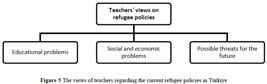
The movements which show the 15 participants' behaviour are presented in Figure 5. Thus, the most common behaviour and the most common actions performed by the students at each exhibition setup are presented as percentages (Table 3).
• From the obtained data, the participants' behaviour in the Sultans of Science exhibition area are presented in detail. The most frequently visited exhibition setups in the area were the Water transport systems, optical illusions, greatest explorers, and advanced technology units. We observed that these units contained more mechanical devices compared to others. The findings indicate that 60% of the female students and 75% of the male students interacted with the mechanisms. Therefore, students explored all the setups, with a few taking the time to read the information panels, to take notes, and to capture photos. We observed that they enjoyed using the mechanical devices in these areas and were sometimes surprised by certain setups. However, the informational and visual panels, along with the flight pioneers exhibit, received the least attention from visitors. This unit includes two digital information screens but lacks any mechanical devices. From these actions we could conclude that students showed greater interest in mechanical setups.
• The Muslim chemists exhibit unit, located in the central area, stands out from other units as lightweight partition panels were designed with a historical architectural texture to create a small, enclosed space. This feature piqued all visitors' curiosity. However, 75% of the students observed the exhibit from a distance. Similar behaviour was noted with the peacock fountain, elephant clock, and the abdestmatic. Students found these setups either outdated or uninteresting. They showed little interest in exhibit units that lacked interactive elements or hands-on activities that they could engage with.
• The great explorers exhibit unit, featuring quiz games on digital screens, was one of the setups where students enjoyed learning individually and in groups. Students showed greater interest in small competitions and units that evoked curiosity and mystery. Learning through experimentation and discovery brought joy to the participants. Notably, 75% of the female students took notes during their visits.
Based on the observations conducted, we noted that the exhibits in the Sultans of Science exhibition area were not arranged in a specific order or structure. Users experienced orientation difficulties when entering the exhibition area for the first time. Information panels accompanying the exhibits, which contained details about the purpose of the mechanisms and their inventors, were largely ignored by the students. Instead, they interacted with the mechanical tools without understanding their context or purpose.
This lack of engagement suggests that the information provided in the exhibits was insufficient for the 10 to 13 age group. Consequently, the intended learning outcomes of the exhibition were not achieved, as students failed to engage with or understand the displays that did not capture their interest. Furthermore, the lack of clarity regarding the purpose of certain exhibits led to reduced interest in those displays.
In the second phase of the study, interviews were conducted with students, their teachers, and staff of the Konya Science Centre. Findings from these interviews provide insight into the visitors' perspectives on the Konya Science Centre and its exhibition areas.
The participants' (students, classroom teachers, and guide teachers) descriptions of the exhibition areas are summarised in Figure 6. The data presented in this figure illustrate how different groups of participants described the exhibition. However, it should be noted that the evaluations made by classroom teachers and guide teachers were primarily based on their observations of the students.
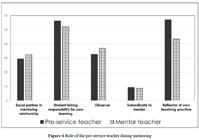
Fifty per cent of the students described the exhibition as "large", 100% as "surprising", and 53.9% as "boring." Additionally, all classroom teachers reported that 16.7% of the students found the exhibition "large" and 15.4% found it "boring." Similarly, all guide teachers observed that 33.3% of the students described it as "large" while 30.8% found it "boring."
The percentages of participants who found the Sultans of Science exhibition boring are presented in Figure 7. This data illustrate the proportion of students, classroom teachers, and guide teachers who perceived the exhibition as boring. It is important to note that evaluations by classroom and guide teachers reflect their observations of students, while administrators provided insight based on a general perception of the exhibition.
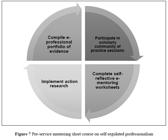
In this context, 80% of female students and 50% of male students (75% of all students) found the exhibition boring. All classroom and guide teachers stated that the students were generally bored during the visit.
To reduce the sense of boredom, classroom teachers suggested organising and simplifying the excessive number of objects and informational content, as well as streamlining the visual and written material. Meanwhile, guide teachers emphasised the need to increase the number of interactive exhibits and reduce written content. The chart in Figure 8 illustrates the percentages of participant groups who believed that the Sultans of Science exhibition should be integrated with other exhibition areas.
In this context, 30% of students, 25% of class teachers, 50% of guide teachers, and the administrator suggested that the exhibition should be integrated with other exhibits. Participants suggested that the exhibition could be linked to the new horizons exhibition unit, proposing a theme of one representing the past, the other the future.
The rate of disinterest in the exhibits in the Sultans of Science exhibition is shown in Figure 9. However, the assessments made by class teachers and guide teachers are based on the students that they observed.
In this context, 85% of female students and 50% of male students, (75% of students in total), showed low interest in the peacock fountain, elephant clock, ablution robot, and the flight pioneers units. The main reason for their lack of interest in these exhibits was the high volume of text. Additionally, some students indicated that the exhibits were not clear enough. Therefore, we suggest that the written content be simplified, that the exhibits are made more interactive, and that more visual elements are incorporated. The flight pioneers unit was also not of interest due to its distant location. Therefore, we recommend that the exhibit is moved to a more accessible position and that dynamic narrative is added to emphasise the use of technology.
All class teachers and guide teachers noted that 50% of students lacked interest in the peacock fountain, elephant clock, ablution robot, and the belt construction exhibits. The reasons for this disinterest were identified as the lack of interaction and insufficient explanations. Therefore, we suggest a redesign of the exhibits to include more physical participation which will provide an experience where users can build something with the exhibit.
All guide teachers observed that 50% of students showed no interest in the astronomy exhibit due to its distant location. Therefore, the spatial arrangement of this unit should be reconsidered and possibly moved to a more central location. It was also mentioned that more visual and digital interaction should replace the written content in this area.
Figure 10 shows the most popular exhibition units. We observed that students were most interested in the high-tech exhibition area. They were particularly eager to explore the mechanical exhibits, enjoying the process of discovery. Excited by their discoveries, students read the information about other exhibits in the unit with similar expectations. Most of the exhibits in this area were mechanical, and all were tested. The great explorers exhibit is another area on which students focused. We noted that students read the information about the exhibits, and these exhibits entertained and surprised them. This exhibition unit contained mechanical, interactive, and informational exhibits. The visual illusion exhibition unit was also one of the most popular. Students were observed to be surprised and delighted when examining the exhibits in this unit. However, the rate of interest was relatively low. Actions like reading, taking notes, and photographing were not observed in this unit. The exhibits in this unit were primarily mechanical, and the students tried each of them during the observation. They perceived these exhibits as surprising and enjoyable.
When examining the impact of the Sultans of Science exhibition area, the following results emerged. The data show the percentages of students, classroom teachers, and guide teachers who evaluated the extent to which the Sultans of Science exhibition contributed to students' learning.
In this context, 50% of all students expressed positive opinions. Fifty per cent of class teachers and guide teachers stated that the exhibition had a positive impact on the students.
According to the data presented in Figure 12, participants indicated that the exhibition contributed to students' learning in three main areas: understanding the history of science, recognising the foundations of technology, and becoming familiar with scientists and their contributions.
The data presented in Figures 11 and 12 emphasise that the design of the exhibits and the students' inability to understand the history of science through these exhibits played a significant role in shaping their learning experiences.
Considering the data, the Sultans of Science exhibition area, which has an important theme, was regarded as one of the least engaging exhibition spaces by students and teachers. This was due to its spatial design being poorly aligned with the theme and the characteristics of the target user, the mechanical nature of the exhibit designs, and the excessive use of written information panels. As a result, the exhibition contributed minimally to the students' understanding, exploring, and learning.
However, when asked whether they would like to revisit the Sultans of Science exhibition, all participants responded positively (Figure 13). They stated that they would like to return to the science centre and 50% of them wanted to participate in workshops and activities. Although female students reported feeling more bored than male students, they still took notes in areas of interest.
The general observation of boredom in the Sultans of Science exhibition area did not negatively impact the time that the participants spent in the science centre. On the contrary, given the growing role of informal education in developing countries such as Türkiye, the findings suggest that students are increasingly interested in alternative learning environments that complement formal science education. In this context, developing countries should not only increase the number of science centres but also improve the quality of their exhibition spaces. Exhibitions that attract students' interest should be designed to support active engagement, meaningful learning, and the broader educational function of science centres.
The research findings indicate that among the expressions used by participants to describe the exhibition, terms such as "big", "surprising", and "boring" stand out. While 50% of the students characterised the exhibition as "big", 100% found it "surprising", and 53.9% stated that it was "boring." These assessments were echoed by teachers and guidance counsellors, supporting the accuracy of the students' observations regarding the exhibition.
In conclusion, the design of the Sultans of Science exhibition area and students' abilities to understand the history of science through these exhibitions, significantly influenced their learning experiences. These findings emphasise the importance of implementing necessary changes to enhance the effectiveness of the exhibition. Providing higher quality and more interactive exhibition spaces in science centres is a critical requirement to increase student engagement and enrich learning experiences.
Discussion
With this study we examined how students behaved in the interactive and mechanical exhibition areas during their visit to the science centre, along with how they used the exhibition elements and to what extent they learned. The study also highlights the role of classroom teachers and science centre guide teachers in shaping students' learning experiences during visits to the exhibition area.
Several studies have been conducted in various disciplines, with a focus on science centres, which are informal education areas. The majority of these studies have been conducted in the fields of educational sciences and social sciences, with the studies conducted in science centres focusing on the effects on students' academic success, the effects on their attitudes toward science, the history of science centres, and examples from around the world (Atwood-Blaine & Huffman, 2017; Falk & Needham, 2011; İnce, 2017; Karadeniz, 2009; Lelliott & Pendlebury, 2009; Ndlovu, 2011; Ogawa, Loomis & Crain, 2009; Ok, 2018; Sasson, 2014). The interior of the Konya Science Centre was examined in terms of sustainability criteria by the Department of Interior Architecture and Environmental Design (Malçok, 2018). Furthermore, a study to determine the interior standards of children's museums and science centres was conducted in this field (Kazova, 2019). According to the findings of the literature review, few studies exist on the interior design of science centres and we could not find any studies on student behaviour among these. Furthermore, this study was conducted in the field with students and teachers and is the first known to us to propose a design approach from the of users' perspective.
Conclusion
It is imperative that the education system evolves in response to the shifting and developing global order to establish alternative informal education environments. These environments are increasingly recognised as essential for complementing traditional educational frameworks, particularly in the context of rapid technological advancements and changing societal needs.
In this regard, significant initiatives have been undertaken by state institutions to enhance the number and quality of science centres globally. These centres, characterised by their multidimensional educational units, serve as critical platforms for experiential learning and community engagement. The enhancement efforts focus not only on increasing the number of such facilities but also on ensuring that they meet world-class standards in terms of infrastructure, resources, and programme offerings.
As a result of these initiatives, there has been a notable expansion in the number of science centres that provide state-of-the-art venues and advanced equipment. This proliferation of high-quality science centres reflects a commitment to fostering innovative educational practices that promote STEM education and stimulate public interest in scientific inquiry. Furthermore, these centres play a pivotal role in bridging the gap between formal education and informal learning, thereby contributing to a more holistic approach to education in the 21st century.
A comprehensive literature review revealed a lack of detailed sources regarding the architectural design of science centres. Consequently, examples of historical and contemporary science centres worldwide have been examined, and optimal spatial characteristics have been identified. It has been determined that effective science centres should include at least six primary units: exhibition units, educational and cultural units, a planetarium, social areas, and management units. Additionally, it is possible to integrate supplementary sub-units within these categories that focus on specific themes.
The Sultans of Science exhibition at the Konya Science Centre has the potential to stimulate students' scientific curiosity; however, due to certain design shortcomings and limited interactive opportunities, it failed to fully achieve its intended pedagogical impact. Some participants experienced difficulties navigating the content flow because of complex display panels and inadequate directions, while the scarcity of interactive elements and the ensuing queues constrained opportunities for engagement. Survey data indicate that only half of the students deemed their level of benefit as satisfactory, while approximately one third rated their experience as below average or insufficient. The absence of guided tours, the prevalence of text-dense sections, and the limited number of touchscreens contributed to participants' tendency to move through the exhibits rapidly, thereby diminishing learning motivation. These findings suggest that diversifying content presentation through infographics and concise videos, expanding interactive experiences, and incorporating supportive features such as guided tours and QR-coded (quick response) supplemental materials would enhance the duration of visitor engagement and educational outcomes.
Considering the design flaws in an exhibition area that has not received sufficient attention compared to other exhibition areas in the Konya Science Centre, the following conclusions were drawn about the features that should be considered in the design of exhibition areas. These considerations should be investigated to ensure the sustainability of centres with learning environments outside the classroom, to improve the quality of visitors' experiences, and to encourage children to use mechanical and interactive exhibition units consciously.
• The perceptibility of units supports creative activities and social interaction. Therefore, students' learning levels can be improved by touching, experimenting, or playing games without getting bored with the subject instead of meaninglessly using the mechanisms in the exhibition areas.
• Teachers have an impact on the learning levels of students in centres. Consequently, classroom teachers should be trained on how to use the tools in the centres.
• Permanent and temporary exhibition areas should be dealt with in separate setups. Mechanical and interactive mechanisms should be used in both types of exhibition areas. Most importantly, it should be noted that the main aim is to foster a love for science.
• While mechanical exhibitions strengthen creativity, digital setups should be designed to strengthen the perception. Visitor-oriented touch-and-do interactive exhibition setups that are not object-oriented should be placed.
• Placing exhibition units of the same category together can help to convey information more effectively.
• Another consideration in the layout of the exhibition areas is the selection of routes based on the orientation of the visitors. These orientation types can include mandatory, free, and defined direction circulation regarding the main theme of the exhibition area.
• Exhibitions must be accessible to children of different ages, adults and people with wheelchairs or other disabilities.
• The physical directions consisting of signs and labels prepared in verbal and textual form in the exhibition area should be designed in a way that children can understand. The texts should not be too long and the character and size of the letters should be legible.
• The lighting design in exhibition areas should highlight mechanical and interactive exhibition units while also ensuring clear visibility along circulation routes. Information boards should also be illuminated or backlit so that visitors, particularly children, can easily read the instructions and operational steps for each exhibit.
It is expected that this research will provide designers, educators, and relevant institutions with new perspectives, while also offering expertise, guidance, and recommendations for the establishment and long-term operation of science centres in countries such as Türkiye and South Africa.
Authors' Contributions
ASU conducted the fieldwork, collected the observational and interview data, and contributed to the preparation of the first version of the manuscript. FKT contributed to the conceptual development of the article, the interpretation of findings, the revision of the manuscript, and the preparation of figures and tables in accordance with journal requirements. SEB supervised the research process, contributed to the methodological design, critically reviewed the manuscript, and served as the corresponding author. All authors read and approved the final manuscript.
Notesi. Published under a Creative Commons Attribution Licence.
Acknowledgement
This article was derived from the master's thesis entitled "Konya Bilim Merkezinin İçmekan Tasarımının Kullanıcıları Üzerindeki Etkisi" [The Effect of the Interior Design of Konya Science Centre on Its Users], prepared by Asiye Sırtkaya Uzun under the supervision of Prof. Şebnem Ertaş Beşir at the Department of Interior Architecture, Graduate School of Natural and Applied Sciences, Karadeniz Technical University, Trabzon, Türkiye, in 2019.
References
-
Ambrose, SA, Bridges MW, DiPietro M, Lovett MC & Norman MK 2010. How learning works: Seven research-based principles for smart teaching. San Francisco, CA: Jossey-Bass. Available at https://firstliteracy.org/wp-content/uploads/2015/07/How-Learning-Works.pdf. Accessed 28 May 2026.
» https://firstliteracy.org/wp-content/uploads/2015/07/How-Learning-Works.pdf -
Atwood-Blaine D & Huffman D 2017. Mobile gaming and student interactions in a science center: The future of gaming in science education. International Journal of Science and Mathematics Education, 15(Suppl. 1):45-65. https://doi.org/10.1007/s10763-017-9801-y
» https://doi.org/10.1007/s10763-017-9801-y -
Bandelli A & Konijn EA 2012. Science centers and public participation: Methods, strategies, and barriers. Science Communication, 35(4):419-448. https://doi.org/10.1177/1075547012458910
» https://doi.org/10.1177/1075547012458910 -
Bozdoğan AE 2016. Okul dışı çevrelere eğitim amaçlı gezi düzenleyebilme öz-yeterlik inancı ölçeğinin geliştirilmesi [Development of self-efficacy belief scale for planning and organizing educational trips to out of school settings]. Kuramsal Eğitimbilim Dergisi, 9(1):111-129. https://doi.org/10.5578/keg.9475
» https://doi.org/10.5578/keg.9475 -
Braund & Reiss M 2006. Towards a more authentic science curriculum: The contribution of out-of-school learning. Available at http://discovery.ucl.ac.uk/10000454/1/Reiss2006Towards1373.pdf. Accessed 21 March 2018.
» http://discovery.ucl.ac.uk/10000454/1/Reiss2006Towards1373.pdf - Çepni S 2007. Introduction to research and project studies (Rev. ed). Trabzon, Türkiye: Celepler Printing.
- Çığrık E 2016. Science centers as a learning environment. Journal of Research in Informal Settings, 1(1):79-97.
- Cohen L, Manion L & Morrison K 2007. Research methods in education (6th ed). New York, NY: Routledge.
-
Ernst J 2014. Early childhood educators' use of natural outdoor settings as learning environments: An exploratory study of beliefs, practices, and barriers, Environmental Education Research, 20(6):735-752 https://doi.org/10.1080/13504622.2013.833596
» https://doi.org/10.1080/13504622.2013.833596 -
Falk JH 2005. Free-choice environmental learning: Framing the discussion. Environmental Education Research, 11(3):265-280. https://doi.org/10.1080/13504620500081129
» https://doi.org/10.1080/13504620500081129 -
Falk JH & Needham MD 2011. Measuring the impact of a science centre on its community. Journal of Research in Science Teaching, 48(1):1-12. https://doi.org/10.1002/tea.20394
» https://doi.org/10.1002/tea.20394 - Fidan N 2012. Okulda öğrenme ve öğretme [Learning and teaching in school] (3rd ed). Ankara, Türkiye: Pegem Akademi.
-
Fırat Durdukoca Ş 2023. Prospective primary school teachers' opinions and perceived competencies regarding out-of-school learning environments and activities. EKEV Academic Journal, (93):421-442. https://doi.org/10.17753/Sosekev.121645
» https://doi.org/10.17753/Sosekev.121645 - Fraenkel JR & Wallen NE 2009. How to design and evaluate research in education (7th ed). New York, NY: McGraw-Hill.
-
Gül MD & Sönmez S 2023. Özel eğitim öğretmenlerinin teknolojik pedagojik alan bilgisi uygulama yetkinlik düzeylerinin incelenmesi [Investigation of special education teachers' technological pedagogical content knowledge practical competencies in terms of various variables]. Cumhuriyet International Journal of Education, 12(3):701-714. https://doi.org/10.30703/cije.1253727
» https://doi.org/10.30703/cije.1253727 -
Hadjri K & Crozier C 2009. Post-occupancy evaluation: Purpose, benefits and barriers. Facilities, 27(1-2):21-33. https://doi.org/10.1108/02632770910923063
» https://doi.org/10.1108/02632770910923063 -
Heper S 2023. Türkiye' deki bilim merkezleri ve bilim merkezleri için işletme modeli önerisi [Science centers in Turkey and a proposing a science center business model]. Ankara Üniversitesi Sosyal Bilimler Dergisi, 14(1):131-151. https://doi.org/10.33537/sobild.2022.14.1.12
» https://doi.org/10.33537/sobild.2022.14.1.12 - İnce MC 2017. The effect of informal learning environment upon students' understanding of science-technology-society-environment. Master's thesis. Istanbul, Türkiye: Yildiz Technical University.
- Jarosievitz B 2017. Modern physics teaching resources and activities. In Pixel (ed). International conference proceedings: New perspectives in science education (6th ed). Padova, Italy: Webster srl.
-
Jeffs T & Smith MK 2021. The education of informal educators [Special issue]. Education Sciences, 11(9):488. https://doi.org/10.3390/educsci11090488
» https://doi.org/10.3390/educsci11090488 - Jewitt C, Bezemer J & O'Halloran K 2016. Introducing multimodality. London, England: Routledge.
- Karabulut H, Özdemir FN & Kariper İA 2024. Studies about science centers-an out-of school learning environment in Turkey: A meta-analysis study. Journal of Research in Informal Environments, 9(1):111-129.
- Karadeniz C 2009. Analysis of children's museums and science, technology and discovery centres around the world and setting a children's museum model for Turkey. Master's thesis. Ankara, Türkiye: Ankara University.
-
Kazova MC 2019. Çocuk müzesi ve bilim merkezlerindeki iç mekân standartları ve tasarım yaklaşımları [Interior space standards and design approaches in children's museums and science centres]. Master's thesis. Ankara, Türkiye: Başkent University. Available at https://tez.yok.gov.tr/UlusalTezMerkezi/tezDetay.jsp?id=K3dzSoVw8Y7E6lZZCt9ISg & no=pj3aj-Oep7zVdIcaB3J-eA. Accessed 31 May 2026.
» https://tez.yok.gov.tr/UlusalTezMerkezi/tezDetay.jsp?id=K3dzSoVw8Y7E6lZZCt9ISg & no=pj3aj-Oep7zVdIcaB3J-eA -
Kırgız M 2018. Konya Bilim Merkezi fen etkinliklerinin, katılımcılar tarafından değerlendirilmesi ve katılımcıların fen dersine karşı tutumları ve davranışları üzerine etkilerinin incelenmesi [Evaluation of Konya Science Center's science activities and investigation of the effects of this activities on attitudes and behaviors towards science lessons]. Master's thesis. Konya, Türkiye: Necmettin Erbakan University. Available at https://www.proquest.com/docview/2544913084?pq-origsite=gscholar & fromopenview=true & sourcetype=Dissertations%20 & %20Theses. Accessed 31 May 2026.
» https://www.proquest.com/docview/2544913084?pq-origsite=gscholar & fromopenview=true & sourcetype=Dissertations%20 & %20Theses - Kırnık D 2024. An examination of teachers' use of informal learning environments. Journal of Research in Informal Settings, 9(1):100-110.
-
Kuruoğlu Maccario N 2002. Müzelerin eğitim ortamı olarak kullanımı [Museums as an educational environment]. Uludağ Üniversitesi Eğitim Fakültesi Dergisi, 15(1):275-285. Available at https://dergipark.org.tr/en/download/article-file/153204. Accessed 26 May 2026.
» https://dergipark.org.tr/en/download/article-file/153204 -
Lelliott AD & Pendlebury S 2009. "A large object with a small museum": A narrative analysis of Tlotlo's experience of an astronomy science center. Curator: The Museum Journal, 52(3):241-260. https://doi.org/10.1111/j.2151-6952.2009.tb00349.x
» https://doi.org/10.1111/j.2151-6952.2009.tb00349.x - Malçok K 2018. Bilim merkezlerinde sürdürülebilir iç mekan kriterleri; Konya Bilim Merkezi [Sustainable interior criteria in science centres: The case of Konya Science Centre]. MSc thesis. Konya, Türkiye: Selçuk University-Hacettepe University.
- Nas SE & Ayvacı HŞ 2009. An evaluation of teachers' guidebooks based on constructivist theory according to teachers' opinions. Necatibey Faculty of Education Electronic Journal of Science and Mathematics Education, 3(2):212-225.
-
Ndlovu MC 2011. University-school partnerships for social justice in mathematics and science education: The case of the SMILES project at IMSTUS. South African Journal of Education, 31(3):419-433. https://doi.org/10.15700/saje.v31n3a538
» https://doi.org/10.15700/saje.v31n3a538 -
Ogawa RT, Loomis M & Crain R 2009. Institutional history of an interactive science center: The founding and development of the Exploratorium. Science Education, 93(2):269-292. https://doi.org/10.1002/sce.20299
» https://doi.org/10.1002/sce.20299 -
Ogegbo AA, Gaigher E & Salagaram T 2019. Benefits and challenges of lesson study: A case of teaching Physical Sciences in South Africa. South African Journal of Education. 39(1):Art. #1680, 9 pages. https://doi.org/10.15700/saje.v39n1a1680
» https://doi.org/10.15700/saje.v39n1a1680 - Ok Z 2018. Evaluation of workshops at Konya Science Centre by primary and secondary school students. Master's thesis. Konya, Türkiye: Necmettin Erbakan University.
- Öz R 2015. The effect of science centre applications developed according to inquiry based learning approach on 7th graders' academic achievement, scientific literacy and skills of inquiry learning. Master's dissertation. Istanbul, Türkiye: Marmara University.
-
Özcan C 2021. Uluslararası bildirilerin bazı parametrelere göre eğilimlerinin belirlenmesi: İnformal öğrenme [Determining the trends of international papers according to some parameters: Informal learning]. Muallim Rıfat Eğitim Fakültesi Dergisi, 3(2):56-67. Available at https://dergipark.org.tr/en/download/article-file/1658143. Accessed 25 May 2026.
» https://dergipark.org.tr/en/download/article-file/1658143 -
Pannier ML, Lemoine C, Amiel M, Boileau H, Buhé C & Raymond R 2021. Multidisciplinary post-occupancy evaluation of a multifamily house: An example linking sociological, energy and LCA studies. Journal of Building Engineering, 37:102139. https://doi.org/10.1016/j.jobe.2020.102139
» https://doi.org/10.1016/j.jobe.2020.102139 -
Pastore L & Andersen M 2019. Building energy certification versus user satisfaction with the indoor environment: Findings from a multi-site post-occupancy evaluation (POE) in Switzerland. Building and Environment, 150:60-74. https://doi.org/10.1016/j.buildenv.2019.01.001
» https://doi.org/10.1016/j.buildenv.2019.01.001 - Pouya S 2016. Development planning approach for children with orthopedic disabilities: Example of Metu Eymir Lake (Ankara). PhD thesis. Trabzon, Türkiye: Karadeniz Technical University.
-
Pouya S & Topaloğlu B 2021. Kullanım Sonrası Değerlendirme metodu, Filyos Sahil Parkı örneği [The Post Occupancy Evaluation, Filyos Coast Park example]. Kent Akademisi, 14(1):20-28. Available at https://dergipark.org.tr/en/download/article-file/1289242. Accessed 25 May 2026.
» https://dergipark.org.tr/en/download/article-file/1289242 -
Ramnarain U & Hlatswayo M 2018. Teacher beliefs and attitudes about inquiry-based learning in a rural school district in South Africa. South African Journal of Education, 38(1):Art. # 1431, 10 pages. https://doi.org/10.15700/saje.v38n1a1431
» https://doi.org/10.15700/saje.v38n1a1431 -
Sasson I 2014. The role of informal science centers in science education: Attitudes, skills, and self-efficacy. Journal of Technology and Science Education, 4(3):167-180. https://doi.org/10.3926/jotse.123
» https://doi.org/10.3926/jotse.123 - Şen Aİ 2019. Out-of-school learning environments. Ankara, Türkiye: Pegem Academy.
- Sırtkaya Uzun A 2019. Konya Bilim Merkezinin iç mekan tasarımının kullanıcıları üzerindeki etkisi [The impact of Konya Science Center's interior design on its users]. MSc thesis. Trabzon, Türkiye: Karadeniz Technical University.
-
Sırtkaya Uzun A & Ertas Besır S 2022. Analysis of the educational environments of Konya Science Center in the context of space and technology. Gazi University Journal of Science, 35(4):1212-1231. https://doi.org/10.35378/gujs.800717
» https://doi.org/10.35378/gujs.800717 -
South African Agency for Science and Technology Advancement n.d. Science centres. Available at https://www.saasta.ac.za/science-centres/. Accessed 28 April 2026.
» https://www.saasta.ac.za/science-centres/ -
Starkey L 2011. Evaluating learning in the 21st century : A digital age learning matrix. Technology, Pedagogy and Education, 20(1):19-39. https://doi.org/10.1080/1475939X.2011.554021
» https://doi.org/10.1080/1475939X.2011.554021 -
Sturm H & Bogner FX 2010. Learning at workstations in two different environments: A museum and a classroom. Studies in Educational Evaluation, 36(1-2):14-19. https://doi.org/10.1016/j.stueduc.2010.09.002
» https://doi.org/10.1016/j.stueduc.2010.09.002 -
Taber KS 2014. Methodological issues in science education research: A perspective from the philosophy of science. In M Matthews (ed). International handbook of research in history, philosophy and science teaching. Dordrecht, the Netherlands: Springer. https://doi.org/10.1007/978-94-007-7654-8_57
» https://doi.org/10.1007/978-94-007-7654-8_57 -
Taber KS 2022. A case study of educational innovation?: Design and assessment of an online prelab model in general chemistry. Available at https://science-education-research.com/a-case-study-of-educational-innovation/. Accessed 2 May 2026.
» https://science-education-research.com/a-case-study-of-educational-innovation/ - Türkmen H 2010. informal (sınıf-dışı) fen bilgisi eğitimine tarihsel bakış ve eğitimimize entegrasyonu [A historical overview of informal (out-of-classroom) science education and its integration into our education system]. Çukurova Üniversitesi Eğitim Fakültesi Dergisi, 39(3):46-59.
-
Woo J 2017. A post-occupancy evaluation of a modular multi-residential development in Melbourne, Australia. Procedia Engineering, 180:365-372. https://doi.org/10.1016/j.proeng.2017.04.195
» https://doi.org/10.1016/j.proeng.2017.04.195 -
Zhao J, Abdul Azizn F, Deng Y, Ujang N & Xiao Y 2024. A review of comprehensive post-occupancy evaluation feedback on occupant-centric thermal comfort and building energy efficiency. Buildings, 14(9):2892. https://doi.org/10.3390/buildings14092892
» https://doi.org/10.3390/buildings14092892
Revised: 23 June 2025
Accepted: 11 December 2025
Published: 31 May 2026