School effectiveness: conceptualising divergent assessment approaches
Abstract
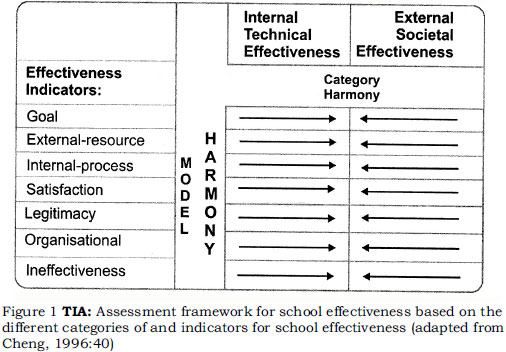
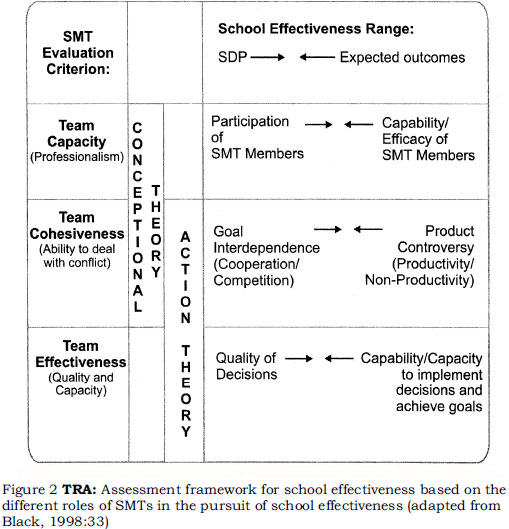
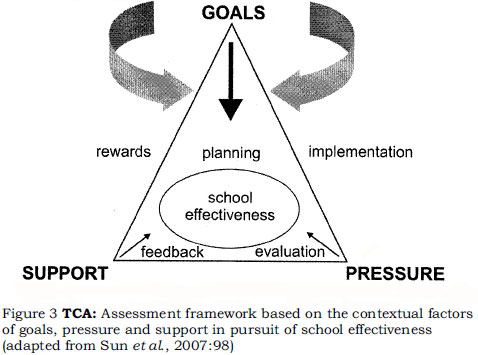
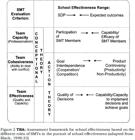
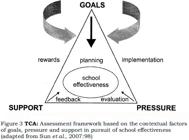
Studies on school effectiveness have dominated the literature of education management and administration for some time. According to the literature, these studies have two distinct aims: firstly, to identify factors that are characteristic of effective schools, and secondly, to identify differences between education outcomes in these schools. The choice and use of uniformed outcome measures has, however, been open to debate in many areas of education research. One of the touchstones for effective schools is the impact on learners' (scholars or students) education outcomes. Researchers into school effectiveness, however, continuously aim to clarify the dilemma with regard to learners' education outcomes. In parallel with this has been a call for schools to be more accountable, which in many cases leads to school effectiveness being judged on academic results, while other contributing factors are ignored. Apart from these studies, the uniform assessment of effectiveness in the school context has recently also received attention. This article, descriptive and narrative in nature and based on a literature study, offers a dynamic perspective on the assessment of school effectiveness and concludes with conceptualisation and analysis of three different, divergent approaches to measuring or assessing effectiveness of schools.
assessment; assessment approaches; effectiveness; school effectiveness; studies of school effectiveness
 Thumbnail
 Thumbnail
 Thumbnail