The value of large-scale randomised control trials in system-wide improvement: The case of the Reading Catch-Up Programme
Abstract
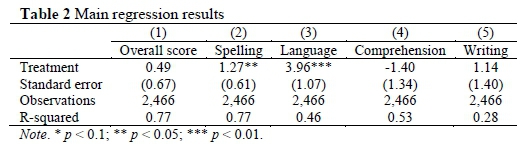
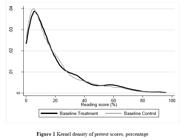
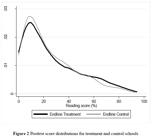
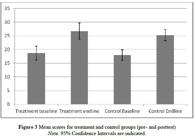
This article illustrates the value of large-scale impact evaluations with counterfactual components. It begins by exploring the limitations of small-scale impact studies, which do not allow reliable inference to a wider population or which do not use valid comparison groups. The paper then describes the design features of a recent large-scale randomised control trial (RCT) evaluation of an intermediate phase literacy intervention that we evaluated. Using a rigorous sampling process and randomised assignment, the paper shows the value of the approach, and how the RCT method prevents researchers from reaching potentially harmful false positive findings. The paper also considers some of the limitations of the RCT method and makes recommendations to mitigate these.
impact evaluation; intermediate phase literacy; Randomised Control Trial
 Thumbnail
 Thumbnail
 Thumbnail