Exploring the role of self-control in the relationship between happiness and internet addiction among teenagers
Abstract
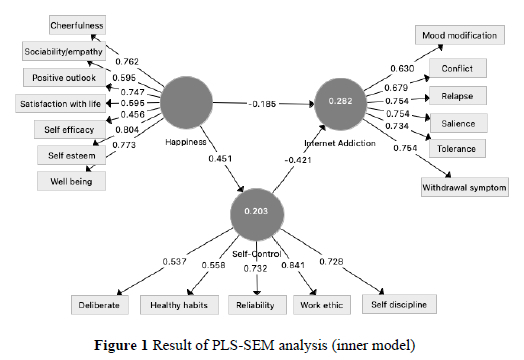
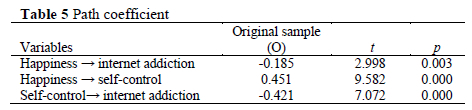
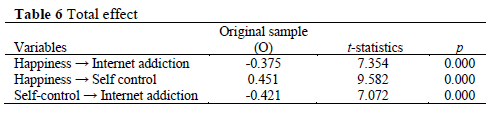
The internet has revolutionised communication, providing teenagers with opportunities for connection and sharing information. However, excessive internet use raises concerns about its negative impact on daily life and well-being. With this study we examined the mediating role of self-control in the relationship between happiness and internet addiction among 260 teenagers using a cross-sectional design. Validated self-administered assessments measured happiness, self-control, and internet addiction. Smart PLS analyses revealed a significant negative relationship between happiness and internet addiction, with self-control mediating this association. These findings highlight the importance of fostering self-control to mitigate the risks of internet addiction. Schools should implement strategies to promote self-regulation, encourage balanced internet use, and engage with parents to support students' well-being.
happiness; internet addiction; mediation; self-control; teenagers
 Thumbnail