Enhancing high school teacher performance: Psychological readiness to change, organisational culture, and transformational leadership
Abstract
In the study reported on here we explored the relationship between South African school teachers' effectiveness and adaptability to change. Through an examination of this relationship and the impact of transformational leadership, we sought to identify strategies for enhancing teacher performance. A convenience sample of 350 high school teachers from a population of 31,117 was used. No specific groups of teachers were excluded from the study as all high school teachers were eligible to participate. Data were gathered over a 4-month period and analysis was conducted using SPSS version 4.2 and AMOS version 24. Confirmatory factory analysis (CFA) and structural equation modelling (SEM) were used in the regression study. The results demonstrate the importance of adaptive and accumulative organisational culture and the psychological readiness to change in an organisation. The outcome proved the critical catalytic factor of transformational leadership as facilitation for improved outcomes in high schools. Insightful and improved teacher effectiveness and efficiency formed the educational pillars of the study results through the use of transformational leadership. The study should contribute to the dynamics of the South African education system and add to the current limited literature on the topic.
employee performance; high schools; organisational culture; psychological readiness to change; transformational leadership
Introduction
The South African education sector faces a myriad of curriculum reforms that require a shift in societal adaptation to match the evolution of global trends in the academic field. There is a growing need for effective educational leadership policies of which the success is largely dependent on employees' psychological readiness to change (Kotzé & Nel, 2019). As suggested by Y Liu, Bellibaş and Gümüş (2021), research stipulates that psychological readiness to change significantly affects workers' performance and engagement towards the initial stages of any organisational change. Mabasa and Flotman (2022) reveal that employees who quickly adjust and accept organisational changes achieve high sustainable performance through openness to new innovative changes. In contrast, employees with low psychological readiness to change bring resistance to change, disengage, and produce reduced production performance (Kuswati, 2020). Leadership is the core component of shaping employees' perceptions, which, in turn, influences their psychological readiness to change (Kotzé & Nel, 2019). Rumijati, Irawati and Novianti (2022) emphasise that transformational leadership is considered intellectual stimulation and motivation for the attainment of organisational goals. Through nurturing a shared vision, trust, and vibrant open communication, transformational leaders empower their followers to embrace change and, in turn, effectively contribute to the success of the organisation (Lizar, Mangundjaya & Rachmawan, 2015).
Creating readiness for change is an attempt to help organisations cope with resistance to change that might arise within an organisation (Alrowwad, Abualoush & Masa'deh, 2020). Over the last 5 years, economic challenges in South Africa have brought about difficulties in many sectors of the economy, including the education sector. Difficulties were coupled with the Coronavirus disease (COVID 19) pandemic that struck the world in 2019, and significantly, organisational cultures have drastically changed. Employees' minds were not ready for this change, and the number of transformational leaders had increased during this period because of their qualities (Buil, Martínez & Matute, 2019).
Stone, Deadrick, Lukaszewski and Johnson (2015) posits that performance refers to the work outcomes achieved collectively by individuals or combined employees within an organisation. Building on the definition, employee performance is the extent to which employees meet demands of their duties and responsibilities (Rumijati et al., 2022). Leadership actions play a pivotal role in creating an organisational culture that works as a meaningful and controlling mechanism that shapes the attitudes that affect work production and performance. Our study builds on research by Kuswati (2020) who suggests that the future of any given country is rooted in a firm and strong education sector from junior schools to tertiary level. Kotzé and Nel (2019) state that the socio economy of South Africa depends heavily on graduates recruited into the mainstream industries of all sectors of its economy. The concern about academic performance over the past decade might be related to need of skilled graduates in South Africa (Naranjo-Valencia, Jiménez-Jiménez & Sanz-Valle, 2016).
Literature Review
Psychological readiness to change
According to Rumijati et al. (2022), individual readiness to change can be defined as the level at which people are mentally, psychologically, and physically prepared to participate in company activities. Armenakis and Harris (2002) define individual readiness to change as the beliefs of people, people's attitudes, the intentions of individuals to which changes are needed, and the way they perceive individual and entity capacities to carry out successful change. According to Lizar et al. (2015), educational institutions need to adapt to external changes like policy changes, which, in turn, will effectively enhance teacher and learner performance. Unfortunately, it must be stated that not all managed changes have been successful. In some cases, they have led to disasters and loss of revenue for many organisations (Buil et al., 2019). For instance, during the coronavirus pandemic, employees were not ready for change (Diana, Supriyanto, Ekowati & Ertanto, 2021).
Organisational culture
Organisational culture is defined as the company's personality which shapes the values, behaviour and norms of the organisation (Rumijati et al., 2022). Alrowwad et al. (2020) suggest that culture defines an institution as personality defines an individual. According to Stone et al. (2015), organisational culture is the character of a company, and this character interacts with and communicates the mindset and behaviour of a company, which gradually leads to a company's performance being good or bad. Rumijati et al. (2022) explain the concept of organisational culture to change and emphasise that it manifests in the shared fundamental values, beliefs, attitudes, assumptions, and behaviour of a company's employees (Rowold, 2006). The organisational culture is regarded as an important factor in building and unifying capabilities, creating norms and procedures (Kuswati, 2020), creating solutions, and, in the end, becoming a source of competitive advantage. Organisational culture is an essential feature of readiness for change that may impede or nurture change. An organisation's culture is an important element in terms of readiness to change, which may either act as an impeding factor or may nurture change (Naranjo-Valencia et al., 2016).
Transformational leadership
Buil et al. (2019) define transformational leadership as a leadership style that motivates and inspires followers to attain shared goals and vision. It empowers the employees for efficiency and job satisfaction (Sari & Amalia, 2022). Transformational leadership states that if a leader is a transformer, it is reflected through the creation of trust, loyalty, and respect among subordinates who are always willing to voluntarily work towards the attainment of the company's goals and vision (Buil et al., 2019). Armenakis and Harris (2002) share these sentiments and indicate that transformative leaders inspire their followers to make their lives better and dream to achieve greater goals and visions. Transformational leaders may change their followers' perceptions, add more enthusiasm to their work, and be a source of motivation to achieve the organisation's goals (Rowold, 2006). According to Alrowwad et al. (2020), transformational leaders increase followers' awareness of processes, motivate followers to put group interests first, and change followers' individual needs beyond materialistic matters to self-esteem and actualisation (Buil et al., 2019). Transformational leadership is an effective form of leadership that promotes optimal digital innovation (Sari & Amalia, 2022).
Transformational leadership is mainly pinned to the vision of the company, having established and known guidelines needed for the restructuring and re-alignment of the company with its policies, the development and re-training of employees, participation and involvement with the external environment, and networking (Buil et al., 2019; Rumijati et al., 2022).
Employee performance
According to Diana et al. (2021), performance can be defined as the behaviour of how set targets can be achieved. By its nature, performance is a goal-driven process that ensures that companies are in a position where workers, teams, and in the end, the company deliver maximum productivity. Other authors define performance as what workers do or do not do (Rowold, 2006). The behaviour of how targets are achieved is for an organisation to know and evaluate performance (Diana et al., 2021). Performance is a goal-oriented process directed at ensuring that organisational processes are in place to maximise the productivity of employees, teams, and the organisation. Improved government performance enhances overall effectiveness, especially in developing countries; this is evident in organisations such as the South African Ministry of Education, where the performance of school teachers reflects the effectiveness of the government. In South Africa, teachers are government employees deployed in various schools across the country (Armenakis & Harris, 2002; Diana et al., 2021).
Hypothesis Development
Relationship between psychological readiness to change and employee performance
According to Rumijati et al. (2022), various positive studies have connected psychological readiness to change and employee performance. Employers need employees who can adjust to changing conditions, welcome new ideas, and assume new responsibilities. Mental adaptability is crucial in such situations (Alrowwad et al., 2020). It characterises a person's propensity to accept and modify changes in behavioural, affective, and cognitive senses. Diana et al. (2021) suggested that a positive correlation exists between psychological preparedness for change and employee performance, indicating that individuals who are mentally prepared for change are more likely to perform well at work. The concept of company culture has a significant impact on how people behave, think, and perform. Rowold (2006) emphasises that workers who are physically ready to change produce high levels of commitment, job satisfaction, and task performance. Psychological adaptation is used as a lens through which to examine the relationship between psychological readiness to change and employee performance. Therefore, we propose the following hypothesis:
H1: A positive relationship exists between psychological readiness to change and employee performance
Relationship between organisational culture and employee performance
In the school context, education organisational culture plays an important role in shaping teachers' performance and learners' outcomes (Lizar et al., 2015). A conducive and enabling school culture with shared values and norms augments teacher morale and productivity and enhances motivation leading to higher learner pass rates (Kuswati, 2020). Our study shows that in the corporate world, employee performance plays a critical role in defining organisational processes, practices, and outcomes. It has become part of corporate culture and has the power to significantly affect how effectively workers perform (Rowold, 2006). The premise of this hypothesis is to investigate the relationship between organisational culture and employee performance, in that productivity serves as a mechanism by which organisational culture positively influences workers' abilities (Diana et al., 2021). Organisational culture refers to a group of values, presumptions, norms, and beliefs that shape how individuals conduct and think within an organisation; these values trigger higher employee performance (Armenakis & Harris, 2002). Kurtessis, Eisenberger, Ford, Buffardi, Stewart and Adis (2017) posit that open communication, teamwork, and appreciation are examples of positive cultural traits that may enhance employee motivation, satisfaction, and engagement. Through diversity, it is possible to examine the possible impacts that various cultural contexts within the educational system may have on employees' performance (Liu, J 2021). Therefore, we propose the following hypothesis:
H2: A positive relationship exists between organisational culture and employee performance.
Relationship between psychological readiness to change and transformational leadership in schools
The third hypothesis that we propose relates to the relationship between psychological readiness to change and transformational leadership, positively related to high school teacher's performance. Rumijati et al. (2022) states that teachers who are highly adaptable to change through transformational leaders produce higher levels of motivation, job satisfaction and good passes from their learners. On the other hand, individuals with low psychological readiness could be reluctant to change, have negative attitudes, and struggle to adapt to new settings. Other research demonstrates the influence of personality factors, organisational support, communication, and leadership on psychological change readiness (Holt, Armenakis, Feild & Harris, 2007). Therefore, we propose the following hypothesis:
H3: A positive relationship exists between psychological readiness to change and transformational leadership.
Relationship between organisational culture and transformational leadership
With the fourth hypothesis we propose a synergistic effect between organisational culture and transformational leadership as these two enhance the performance of high school teachers. Diana et al. (2021) suggest that when school leadership nurtures collaborative cultural support it augments higher learner results. The two variables are related and have an impact on today's complicated and rapidly changing educational environment where effective leadership is essential for promoting positive change and obtaining desired results. Leading teams may be inspired, motivated, and empowered by cooperative, encouraging cultures that emphasise taking risks, being transparent, and building trust. However, the emergence and expression of a rigid, fear-based, hierarchical culture may obstruct transformative leadership strategies (Kuswati, 2020). Therefore, we propose the following hypothesis:
H4: A positive relationship exists between organisational culture and transformational leadership.
Transformational leadership mediates the relationship between psychological readiness to change and employee performance
The curriculum and technology improvements that drive constant change in South Africa's education system make transformational leadership a crucial component in bridging the gap between teachers' overall effectiveness and psychological preparedness for change. In this study we examined the complex relationships on how transformational leaders mediate employee performance and psychological readiness to change in providing school leadership with crucial insight into nurturing educational excellence and fostering a culture of continuous learning in the face of the unique opportunities and challenges presented by the South African setting. Organisational change affects many companies in the industrial sector, and a company that can implement change is regarded as having a competitive advantage in today's business (Holt et al., 2007; Kuswati, 2020). Therefore, we propose the following hypothesis:
H5: Transformational leadership mediates the relationship between psychological readiness to change and employee performance.
Transformational leadership mediates the relationship between organisational culture and employee performance
Transformational leadership is regarded as a bridge between organisational culture and employee performance. A strong and encouraging business culture nurtures employee involvement, commitment, and satisfaction, which enhance performance. Transformational leadership is essential to increase the impact of company culture on worker performance. The foundation is laid by organisational culture, but transformational leadership strengthens it by converting norms and ideals into deeds and behaviour that have a direct impact on workers' productivity (Mabasa & Flotman, 2022). Therefore, we propose the following hypothesis:
H6: Transformational leadership mediates the relationship between organisational culture and employee performance.
Relationship between transformational leadership and employee performance
Diana et al. (2021) demonstrate how transformational leadership approaches enhance employee performance, contentment, and motivation in hospital settings. In South Africa's fast-paced and often difficult business landscape, transformational leadership is key to accelerating economic progress. Organisations can improve their competitiveness in the global market and contribute to the overall prosperity of a country. The proposed hypothesis states that a definite and significant relationship exists between transformative leadership and worker performance. Creating an atmosphere that inspires, empowers, and engages followers, transformational leaders help people realise their greatest potential (Armenakis & Harris, 2002). Consequently, performance obviously increases at both the individual and organisational levels. To thrive in the contemporary competitive landscape, South African enterprises may need to know and apply these leadership strategies. Therefore, we propose the following hypothesis:
H7: A positive relationship exists between transformational leadership and employee performance.
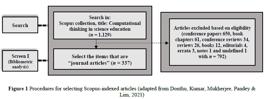
The theoretical model of this study is presented in Figure 1, which depicts the proposed research model. The model has two independent variables, namely, psychological readiness to change and organisational culture, a mediating variable, transformational leadership, and a dependent variable, employee performance. Transformational leadership and organisational culture are proposed to influence high school teacher's performance through psychological readiness to change. The study model suggests that a positive organisational culture nurtures leaders and augments improved teacher performance. The study model presents the interaction of the variables and their impact on teacher effectiveness.
Research Methodology
Research Population and Sample
The study population included all 185,700 teachers employed at the 10,389 (Espinosa, 2025) high schools in South Africa. Of the total, an estimated population of 31,117 high school teachers worked in the Gauteng province (Espinosa, 2025). According to Pallant (2020), an ideal sample size is 400 participants. Using the convenience sampling method, 400 teachers from the Gauteng province were selected to participate in the study. A concerted effort was made to avoid selection bias by distributing questionnaires to various high schools in Gauteng. We distributed a questionnaire accompanied by a cover letter detailing the nature of the study directly to high school teachers in the Gauteng province during their tea breaks (10:00-10:30) and lunch hour (13:00-14:00). Of the 400 questionnaires distributed by hand, 350 were returned achieving a response rate of 87.5%. The data collection was done between June and the end of September 2023.
Measures
Two measurement scales adapted from previous research were incorporated in the questionnaire, comprising a total of 45 items. The first scale comprised a 7-point Likert scale ranging from 1 = Very strongly disagree to 7 = Very strongly agree. Organisational culture was measured using 16 items adapted from Naranjo-Valencia et al. (2016), with a Cronbach's alpha of 0.829. Transformational leadership was measured using nine items adapted from Alrowwad et al. (2020), with a Cronbach's alpha of 0.921.
In the second scale we used a 5-point Likert scale ranging from 1 = Strongly disagree to 5 = Strongly agree to measure the remaining two variables. Employee performance was measured using a 10-item scale adapted from Sari and Amalia (2022), with a Cronbach's alpha of 0.724. Psychological readiness to change was measured using 10 items adapted from Elena Naumtseva (2020), with a Cronbach's alpha of 0.782.
The overall Cronbach's alpha for the 45 items in our study was 0.808. According to Adewara and Adekeye (2012), a Cronbach's alpha value of 0.7 or higher indicates acceptable reliability. Therefore, the Cronbach's alpha scores for the variables in this study demonstrate that the measurement scales were reliable.
Ethical Considerations
The study was conducted with permission obtained from Near East University. Ethical clearance was granted by the university's Scientific Research Ethics Committee, number NEU/SS/2023/1559. The study participants were assured of confidentiality and anonymity upon their consent to participate. Data collection was guided by the specific ethical guidelines provided by the Scientific Research Ethics Committee of the Near East University.
Data Analysis
Data analysis was conducted using the Statistical Package for Social Sciences (SPSS) Version 4.2 to perform descriptive analysis of the respondents' demographics, correlation relationships among all four variables of the study, and regression analysis. In the data analysis process, data cleaning was conducted to address and identify any missing or outlier values. Analysis of moment structures (AMOS) version 24 was used to perform confirmatory factor analysis (CFA), testing the construct validity of all measurements. Finally, structural equation modelling (SEM) was applied to analyse the relationships in the model. The findings of this study demonstrate that the hypotheses had produced statistically significant results following Pallant's (2020) criteria. The results indicate the importance of adaptive and accumulative organisation culture and the psychological readiness to change in an organisation.
Results
Demographic Profiles of Respondents
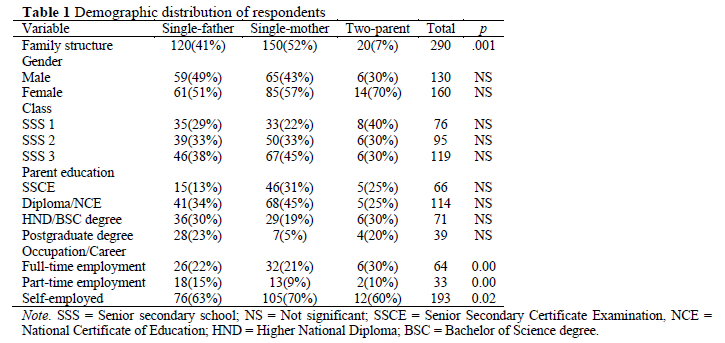
The demographic characteristics of the respondents in this study included five different aspects: gender, age, level of education, working period, and marital status. Table 1 provides a summary of the respondents' demographic characteristics.
Factor Analysis
Exploratory Factor Analysis (EFA) enables researchers to reduce the observed variables to smaller numbers and to identify the relationship between them (Pallant, 2020). The principal component analysis (PCA) technique following the Promax with Kaiser normalisation rotation method was used to extract the factors. As proposed by Adewara and Adekeye (2012), only those items that loaded 0.4 or above on a single item were included. The Kaiser-Meyer-Olkin (KMO) was 0.807 and Bartlett's test was significant at (p < 0.05), which effectively complies with the required sample value (Pallant, 2020).
The EFA extracted four distinct factors that explained 63.07% of the total variance. The transformational leadership construct had nine items; one item showed poor loading and was deleted; the remaining eight items were loaded between 0.714 and 0.912, explaining 25.65% of the total variance. Organisational culture (OC) had 16 items; seven items showed poor loading and were deleted. The remaining nine items were loaded from 0.552 to 0.854 and explained 14.05% of the total variance. The employee performance (EP) had 10 items; five items showed poor loading and were deleted. The remaining five items were loaded between 0.681 and 0.946, which explained 12.69% of the total variance. Psychological readiness to change had 10 items; four items showed poor loading and were deleted. The remaining six items were loaded between 0.568 and 0.918, and the construct explained 10.68% of the total variance. The EFA results are summarised in Table 2.
CFA was used to ensure that the one-dimensionality of a single dimension underlying the constructs (CFA), was used. For this purpose, AMOS version 24 was used. We examined the validity of our study using the convergent validity test. Adewara and Adekeye (2012) suggest that convergent validity can be analysed through factor loading. As suggested by Pallant (2020), the average variance extracted (AVE) must be 0.5 or higher to obtain significant validity, while composite reliability (CR) must be > 0.6. The CFA results show that all constructs were reliable and valid and are illustrated and summarised in Table 3.
According to Kaynak (2003), the chi-square/degree of freedom chi-square minimum (CMIN/df), comparative fit index (CFI), normative fit index (NFI), incremental fit index (IFI), root-mean-square error of approximation (RMSEA), and standardised root-mean-square residual (SRMR) are the six indicators of the goodness of the model fit, as shown in Table 4. The CMIN/df value for our study was 2.188, which meets the requirements set by Adewara and Adekeye (2012). Similarly, CFI, NFI, and IFI values were 0.961, 0.931, and 0.961, respectively. All these indicator values were close to 0.9 and fulfilled the requirements (Pallant, 2020). Moreover, the SRMR value was 0.069 and the RMSEA value was 0.058, which also met the benchmark values set by Adewara and Adekeye (2012). Considering the results of these fit indicators, it can be said that the model adequately fit the data.
Mean Scores of the Study Variables
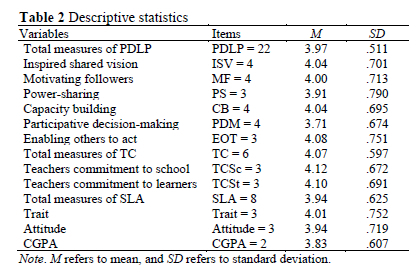
Table 5 presents the mean scores for the study variables. The respondents' mean score for all variables was above the 3.00 mid-point score. These scores indicate that employees' perceptions of the work carried out by their organisations were satisfactory.
The results of the correlation analysis, which indicate that all four constructs were positively correlated with each other with a 0.01 significance value, are shown in Table 6.
Hypotheses Testing
PROCESS macro for SPSS version 4.2 was used to test the study hypotheses. The results of the analysis are summarised in detail as is shown in Table 7. The findings of this study demonstrate that the hypotheses had produced statistically significant results following Pallant (2020) criteria. The results indicate a moderate relationship between PRC and EP (r2 = 0.585, p = 0.000) (H1), and that OC has a very weak impact on EP (r2 = 0.211, p = 0.000) (H2). Furthermore, the results show a moderate relationship between PRC and TL (r2 = 0.593, p = 0.000) (H3) and that OC has a weak impact on TL (r2 = 0.424, p = 0.000) (H4). The results also show that TL mediates the relationship between PRC and EP and has a high and positive impact (r2 = 0.705, p = 0.000) (H5), and that TL mediates the relationship between OC and EP and has a moderate and positive impact (r2 = 0.665, p = 0.000) (H6). Lastly, the results show a moderate relationship between TL and EP (r2 = 0.657, p = 0.000) (H7). The results presented above show statistically significant results and all hypotheses are thus accepted.
Discussion
In this study we examined the influence of PRC, organisational culture and TL on high school teachers' performance in the Gauteng province, South Africa. The overall results suggest that TL plays a critical role as a mediator between OC and EP (Diana et al., 2021) and the mediating role of TL which enhanced the other variables (PRC) to change from moderate the to high, as with EP. The results of this study have significant practical implications that may impact various aspects of leadership and organisational management in educational settings and concurs with Al-Amin (2017) who suggests that for increased production and performance at organisational level, transformational leaders are a prerequisite.
The study findings also suggest the need for the South African education sector to improve the full utilisation of the EP of teachers in high schools with variables beyond PRC. Based on the results, school principals, as posited by Mabasa and Flotman (2022), must assist in motivating, inspiring, and empowering their subordinates to embrace change whenever it happens (Kurtessis et al., 2017; Liu, J 2021).
As shown in Table 6, the correlation between OC and EP was very low (.460). The findings imply that the complexities of the cultural dimension in the South African education sector adversely affects employees' performance. We recommend that the South African education sector must improve the values and norms that will assist in stimulating productivity through EP. Al-Amin (2017) alludes to the fact that when organisational values are conducive, they, in turn, promote the drive for employees to produce higher outcomes.
The relationship between PRC and TL was found to be moderate. The findings imply that through TL, high school principals foster a sense of collective purpose and instil readiness for the implementation of any change within South African education. The results suggest that the high school principals articulate a clear vision that resonates with the employees' values. The findings align with Kirrane, Lennon, O'Connor and Fu (2017) who emphasise that when transformational leaders create a shared understanding of why a need for change exists, it motivates their followers psychologically to be ready for organisational change. Diana et al. (2021) posit that when leaders set clear goals, it makes it easier for employees to accept change psychologically. Therefore, we recommend that the South African educational leadership design and implement leadership development programmes that stimulate leaders to actively motivate and engage with high school teachers (Al-Amin, 2017; Rizki, Parashakti & Saragih, 2019).
Although a relationship between OC and TL existed, it was weak. We identified factors like inequalities of historical leadership, resources, and peri-urban infrastructure as contributing causes. In some of the high schools in Gauteng power dynamics between high schools' teachers and the authorities contributed to the weak relationship between OC and TL. However, to improve the relationship between OC and TL, high schools in South Africa should identify supportive and empowering cultures (Al-Amin, 2017). Al-Amin (2017) alludes to the fact that it stimulates greater improvement in transforming employees to perform to their fullest strengths, which benefits the organisation. Diana et al. (2021) suggest that TL inspires subordinates and gives direction on what the organisation aims to reach. Within the education sector, it must become a bridge to connect the two (Al-Amin, 2017; Kurtessis et al., 2017; Liu, J 2021).
The mediating effect of TL supports the relationship between PRC and EP to be the strongest of all the relationships. This implies that the mediating effect of TL produces strong quantitative support between PRC and EP. Therefore, we recommend that the education sector of South Africa must maintain intellectual stimulation of the leaders (school principals) to continue challenging their followers (high school teachers) to perform and think outside the box, which aligns with readiness to change. Kurtessis et al. (2017) postulate that it increases employees' openness to novel ideas, in turn reducing cognitive biases that normally impede the acceptance of change (Alrowwad et al., 2020; Diana et al., 2021).
The results show that TL mediates the relationship between OC and EP. The findings imply that the leadership in the South African education sector is managing to motivate employees and to promote the culture of the education sector. Alrowwad et al. (2020) emphasise that leaders who bring a compelling vision and ignite intrinsic motivation promote the culture of the organisation. We recommend that school principals within the South African education sector must cultivate a collective commitment and a shared vision within the OC (Kirrane et al., 2017; Kuswati, 2020).
The relationship between TL and EP was slightly above moderate. The results illustrate a significantly strong relationship between TL and EP. The findings suggest a positive fostering of TL among South African high school teachers. Kotzé and Nel (2019) say that when leaders articulate a clear vision and provide intellectual support, it results in high-performance output by employees. Therefore, we recommend that the South African education sector maintain the alignment of the strong relationship between TL and EP by strengthening school leadership through investing in leadership development programmes, which will in turn boost South African educational outcomes (Kurtessis et al., 2017; Liu, J 2021).
While studies on teacher performance and other related variables exist, this research was the first to be explored specifically within the geographical context of the Gauteng Province of South Africa. The study findings offer new, unique insight on high school teachers in Gauteng as compared to other studies with extensively broader samples. The study was novel as we examined the combined effect of all three variables, PRC, TL, and OC on teacher performance. The findings provide a holistic understanding compared to other studies, which focus on individual variables. Most research on teacher performance in South Africa relied on qualitative methods (interviews, observations, etc.). The quantitative approach in this study offered a fresh and unique perspective.
We examined the influence of PRC, OC, and TL on EP in high schools in the South African education sector. The key findings of this study suggest that a positive and supportive OC in high schools, together with efficient TL that motivates and inspires teachers, significantly contributes to teachers' psychological readiness to embrace change within the education department, which will also result in improved EP (Alvesson & Sveningsson, 2015; Harwiki, 2016; Shah, Irani & Sharif, 2017).
Policymakers in the South African education sector will be the first to benefit from the outcome of the study, which encourages the nurturing of employees, thereby creating a conducive environment for teachers to perform. The findings suggest that school principals may amplify the effect and produce high EP. The education sector must implement leadership training programmes that equip principals to inspire a vision and stimulate high school teachers, thereby creating motivated and more engaged teachers. Furthermore, South African high schools will benefit immensely through an organisational culture which promotes PRC. This, in turn, will mould high school teachers to improve their efficiency and learners' learning outcomes. The research offers empirical evidence that competent transformational leaders promote teachers to follow their leaders to effectively produce higher results.
We used the convenience sampling technique for data collection, which resulted in limiting the generalisation of the findings. We, therefore, recommend that future research replicate this study by constructing studies using longitudinal research to approve more inclusive results. Secondly, we recommend that future research use a random sampling method to ensure a more statistically balanced selection from the population. The participants in this study were all from schools in the same South African province. Future research may expand the sample and repeat the study for other provinces in South Africa. Finally, we recommend that future research considers conducting a similar study in other industrial fields.
Conclusion
In this research we investigated the relationship between PRC and organisational culture towards South African high school teachers improving their performance in schools. The objective of the study was to examine whether PRC, OC, and TL enhanced high school teacher performance in South African high schools. The relationship between the four hypothesised variables in the study was significant. TL results in high performance of high school teachers, and it also influences the independent and dependent study variables. In conclusion, this study underscores the critical role of TL in enhancing teachers' performance in driving organisational change in learning institutions. The findings of this research show the importance of TL in leveraging strategic advantage on high school teachers' effectiveness and adaptability to change. The hypothesis was that high school teachers' performance was positively impacted by TL. The findings show that high school teachers were open to making the necessary adjustments and that a direct link existed between their psychological preparedness for change and performance.
The results also show that high school principals need to understand how PRC can positively influence worker performance, even in the face of national challenges like the coronavirus pandemic. Grounded in empirical evidence, this study demonstrates that high school teachers, despite facing challenges, readily embraced new changes in teaching methods, including online teaching, and stresses the importance of employees' psychological adaptability to these changes. Finally, South African educational institutions should strive to create a work climate that supports staff engagement and professional growth, ultimately improving learner outcomes by implementing the practical implications of the study. The knowledge obtained from this study will assist leadership in South African high schools to develop strategies to improve teacher performance and to enhance learners' pass rates.
Data Availability
The data supporting the findings of this study are available from the corresponding author, S.M., upon reasonable request.
Authors' Contributions
Conceptualisation - S.M. and S.Z.E.; methodology - S.M. and S.Z.E.; data collection - S.M.; analysis - S.M. and L.T.; writing and preparing the original draft - S.M.; review of the writing and editing - S.E., L.T. and S.M.; supervision - S.E. All authors have read and agreed to the published version of the manuscript.
Conflict of Interest
The authors declare that they have no financial or personal relationships that may have inappropriately influenced the writing of this article.
Notesi. The views and sentiments voiced in this article are those of the authors and do not necessarily reveal the official policy or position of any affiliated agency.
ii. This work is based on the first author's doctoral dissertation, entitled "The role of psychological readiness to change, organizational culture and technology on employee performance. Mediating role of transformational leadership in the South African education sector."
iii. Published under a Creative Commons Attribution Licence.
References
-
Adewara JA & Adekeye KS 2012. Bootstrap-t technique for minimax multivariate control chart. Open Journal of Statistics, 2:469-473. https://doi.org/10.4236/ojs.2012.25059
» https://doi.org/10.4236/ojs.2012.25059 -
Al-Amin M 2017. Transformational leadership and employee performance mediating effect of employee engagement. North South Business Review, 7(2):28-40. Available at https://www.researchgate.net/publication/328530143. Accessed 30 June 2017.
» https://www.researchgate.net/publication/328530143 -
Alrowwad A, Abualoush SH & Masa'deh R 2020. Innovation and intellectual capital as intermediary variables among transformational leadership, transactional leadership, and organizational performance. Journal of Management Development, 39(2):196-222. https://doi.org/10.1108/JMD-02-2019-0062
» https://doi.org/10.1108/JMD-02-2019-0062 -
Alvesson M & Sveningsson S 2015. Changing organizational culture: Cultural change work in progress (2nd ed). London, England: Routledge. https://doi.org/10.4324/9781315688404
» https://doi.org/10.4324/9781315688404 -
Armenakis AA & Harris SG 2002. Crafting a change message to create transformational readiness. Journal of Organizational Change Management, 15(2):169-183 https://doi.org/10.1108/09534810210423080
» https://doi.org/10.1108/09534810210423080 -
Buil I, Martínez E & Matute J 2019. Transformational leadership and employee performance: The role of identification, engagement and proactive personality. International Journal of Hospitality Management, 77:64-75. https://doi.org/10.1016/j.ijhm.2018.06.014
» https://doi.org/10.1016/j.ijhm.2018.06.014 -
Diana IN, Supriyanto AS, Ekowati VM & Ertanto AH 2021. Factor influencing employee performance: The role of organizational culture. The Journal of Asian Finance, Economics and Business, 8(2):545-553. https://doi.org/10.13106/jafeb.2021.vol8.no2.0545
» https://doi.org/10.13106/jafeb.2021.vol8.no2.0545 -
Espinosa C 2025. Education in South Africa - statistics & facts. Available at https://www.statista.com/topics/8314/education-in-south-africa/. Accessed 10 February 2026.
» https://www.statista.com/topics/8314/education-in-south-africa/ -
Harwiki W 2016. The impact of servant leadership on organization culture, organizational commitment, organizational citizenship behaviour (OCB) and employee performance in Women Cooperatives. Procedia-Social and Behavioral Sciences, 219:283-290. https://doi.org/10.1016/j.sbspro.2016.04.032
» https://doi.org/10.1016/j.sbspro.2016.04.032 -
Holt DT, Armenakis AA, Feild HS & Harris SG 2007. Readiness for organizational change: The systematic development of a scale. The Journal of Applied Behavioral Science, 43(2):232-255. https://doi.org/10.1177/0021886306295295
» https://doi.org/10.1177/0021886306295295 -
Kaynak H 2003. The relationship between total quality management practices and their effects on firm performance. Journal of Operations Management, 21(4):405-435. https://doi.org/10.1016/S0272-6963(03)00004-4
» https://doi.org/10.1016/S0272-6963(03)00004-4 -
Kirrane M, Lennon M, O'Connor C & Fu N 2017. Linking perceived management support with employees' readiness for change: The mediating role of psychological capital. Journal of Change Management, 17(1):47-66. https://doi.org/10.1080/14697017.2016.1214615
» https://doi.org/10.1080/14697017.2016.1214615 -
Kotzé M & Nel P 2019. Job and personal resources as mediators in the relationship between iron-ore mineworkers' job demands and work engagement. SA Journal of Human Resource Management, 17(0):a1183. https://doi.org/10.4102/sajhrm.v17i0.1183
» https://doi.org/10.4102/sajhrm.v17i0.1183 -
Kurtessis JN, Eisenberger R, Ford MT, Buffardi LC, Stewart KA & Adis CS 2017. Perceived organizational support: A meta-analytic evaluation of organizational support theory. Journal of Management, 43(6):1854-1884. https://doi.org/10.1177/0149206315575554
» https://doi.org/10.1177/0149206315575554 -
Kuswati Y 2020. The influence of organizational culture on employee performance. Budapest International Research and Critics Institute (BIRCI-Journal): Humanities and Social Sciences, 3(1):296-302. https://doi.org/10.33258/birci.v3i1.761
» https://doi.org/10.33258/birci.v3i1.761 -
Liu J 2021. Linking psychological capital and behavioral support for change: The roles of openness to change and the climate for innovation. Frontiers in Psychology, 12:612149. https://doi.org/10.3389/fpsyg.2021.612149
» https://doi.org/10.3389/fpsyg.2021.612149 -
Liu Y, Bellibaş MŞ & Gümüş S 2021. The effect of instructional leadership and distributed leadership in teacher self-efficacy and job satisfaction: Mediating roles of supportive school culture and teacher collaboration. Educational Management Administration & Leadership, 49(3):430-453. https://doi.org/10.1177/1741143220910438
» https://doi.org/10.1177/1741143220910438 -
Lizar AA, Mangundjaya WLH & Rachmawan A 2015. The role of psychological capital and psychological empowerment on individual readiness for change. The Journal of Developing Areas, 49(5):343-352. https://doi.org/10.1353/jda.2015.0063
» https://doi.org/10.1353/jda.2015.0063 -
Mabasa TD & Flotman AP 2022. Employees' experiences of change management in the implementation of a performance management system. SA Journal of Industrial Psychology, 48(0):a1980. https://doi.org/10.4102/sajip.v48i0.1980
» https://doi.org/10.4102/sajip.v48i0.1980 -
Naranjo-Valencia JC, Jiménez-Jiménez D & Sanz-Valle R 2016. Studying the links between organizational culture, innovation, and performance in Spanish companies. Revista Latinoamericana de Psicología, 48(1):30-41. https://doi.org/10.1016/j.rlp.2015.09.009
» https://doi.org/10.1016/j.rlp.2015.09.009 -
Naumtseva E 2020. Socio-psychological predictors of psychological readiness for organizational change. PhD dissertation. Moscow, Russia: National Research University Higher School of Economics. https://doi.org/10.13140/RG.2.2.36251.80164
» https://doi.org/10.13140/RG.2.2.36251.80164 -
Pallant J 2020. SPSS survival manual: A step by step guide to data analysis using IBM SPSS (7th ed). London, England: Routledge. https://doi.org/10.4324/9781003117452
» https://doi.org/10.4324/9781003117452 -
Rizki M, Parashakti RD & Saragih L 2019. The effect of transformational leadership and organizational culture towards employees' innovative behaviour and performance. International Journal of Economics and Business Administration, VII(1):227-239. https://doi.org/10.35808/ijeba/208
» https://doi.org/10.35808/ijeba/208 -
Rowold J 2006. Transformational and transactional leadership in martial arts. Journal of Applied Sport Psychology, 18(4):312-325. https://doi.org/1080/10413200600944082
» https://doi.org/1080/10413200600944082 -
Rumijati A, Irawati S & Novianti KR 2022. The role of readiness to change between transformational leadership and work performance in higher education during COVID-19 pandemic. In O Sukmana, Salahudin, I Robbie, A Roziqin, SM Deniar, IT Sihidi & DF Suhermanto (eds). Social and political issues on sustainable development in the post Covid-19 crisis. London, England: Routledge. https://doi.org/10.1201/9781003263586-14
» https://doi.org/10.1201/9781003263586-14 -
Sari FA & Amalia L 2022. The effectiveness of training methodology on innovative work behavior and government employee performance during the Covid-19 pandemic: The role of soft skill and emotional intelligence. Jurnal Manajemen Teori dan Terapan, 15(1):146-160. https://doi.org/10.20473/jmtt.v15i1.31486
» https://doi.org/10.20473/jmtt.v15i1.31486 -
Shah N, Irani Z & Sharif AM 2017. Big data in an HR context: Exploring organizational change readiness, employee attitudes and behaviors. Journal of Business Research, 70:366-378. https://doi.org/10.1016/j.jbusres.2016.08.010
» https://doi.org/10.1016/j.jbusres.2016.08.010 -
Stone DL, Deadrick DL, Lukaszewski KM & Johnson R 2015. The influence of technology on the future of human resource management. Human Resource Management Review, 25(2):216-231. https://doi.org/10.1016/j.hrmr.2015.01.002
» https://doi.org/10.1016/j.hrmr.2015.01.002
Revised: 1 July 2025
Accepted: 25 September 2025
Published: 28 February 2026