Leading collegially: Shifting paradigms for effective student teacher mentoring during work-integrated learning
Abstract
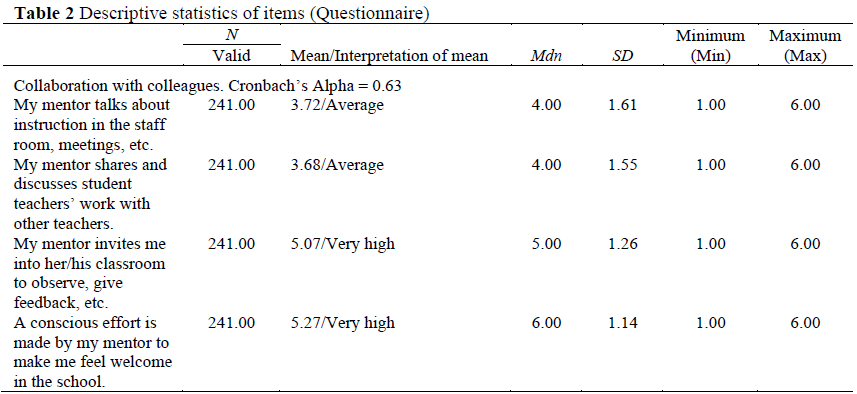
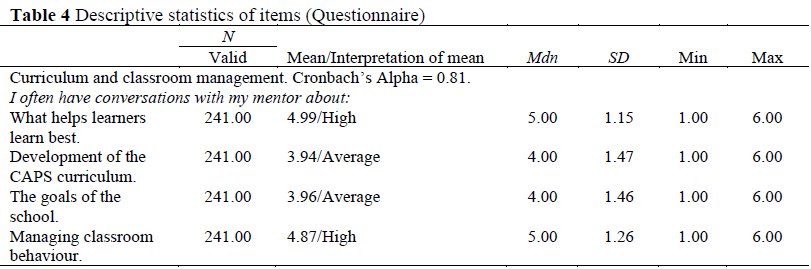
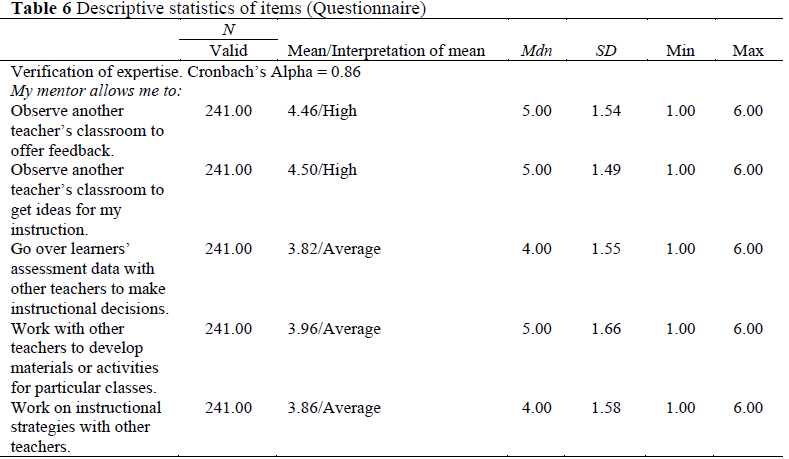
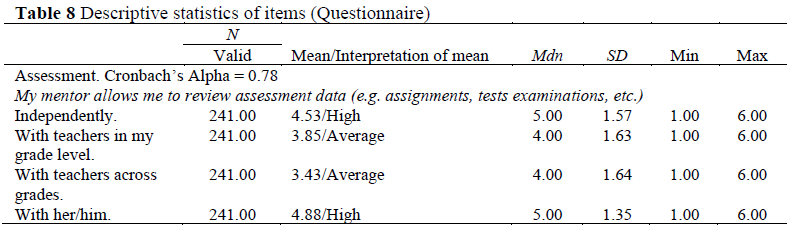
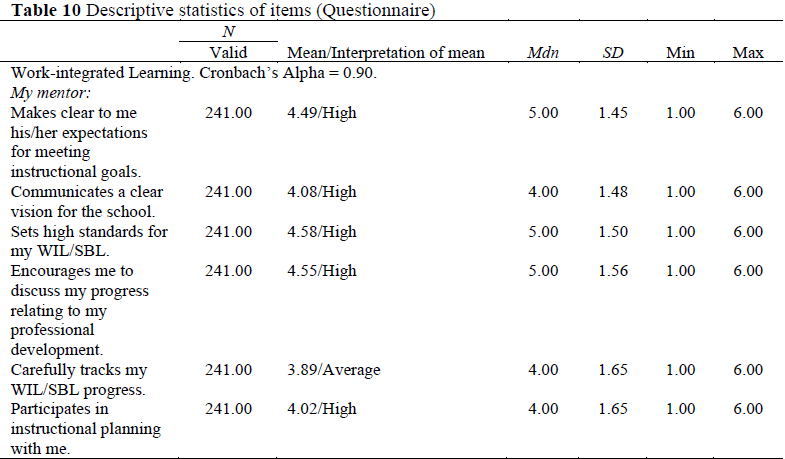
Teacher training has long relied on experienced school mentors as role models for novice teachers. However, qualifications and experience alone cannot remain the prerequisites for teacher leadership in 21st century schools. How can experienced school mentors collegially mentor new teachers into leadership, without abrogating their responsibilities? In this article, a constructivist approach was explored to mentor new teachers into leadership with the focus on establishing symbiotic relationships based on the mutual continuous professional development (CPD) of experienced school mentors and novice teachers. A multi-faced approach to leadership is proposed. Data regarding the perceptions of 241 final-year student teachers of their mentors' collegial leadership competencies were collected using a questionnaire. The findings indicate the positive perceptions that the student teachers had of their mentors' collegial leadership competencies. In the study reported on here, the focus was on the perceived characteristics of experienced school mentors to assist student teachers with work-integrated learning. The findings provide insights into enhancing the interpersonal collegial competencies of experienced school mentors to improve the school-work-integrated knowledge of student teachers.
collaborative leadership; continuous professional development; interpersonal competencies; mentoring; work-integrated learning