Building a culture of democracy: learner elections, leadership training and electoral integrity in schools
Abstract
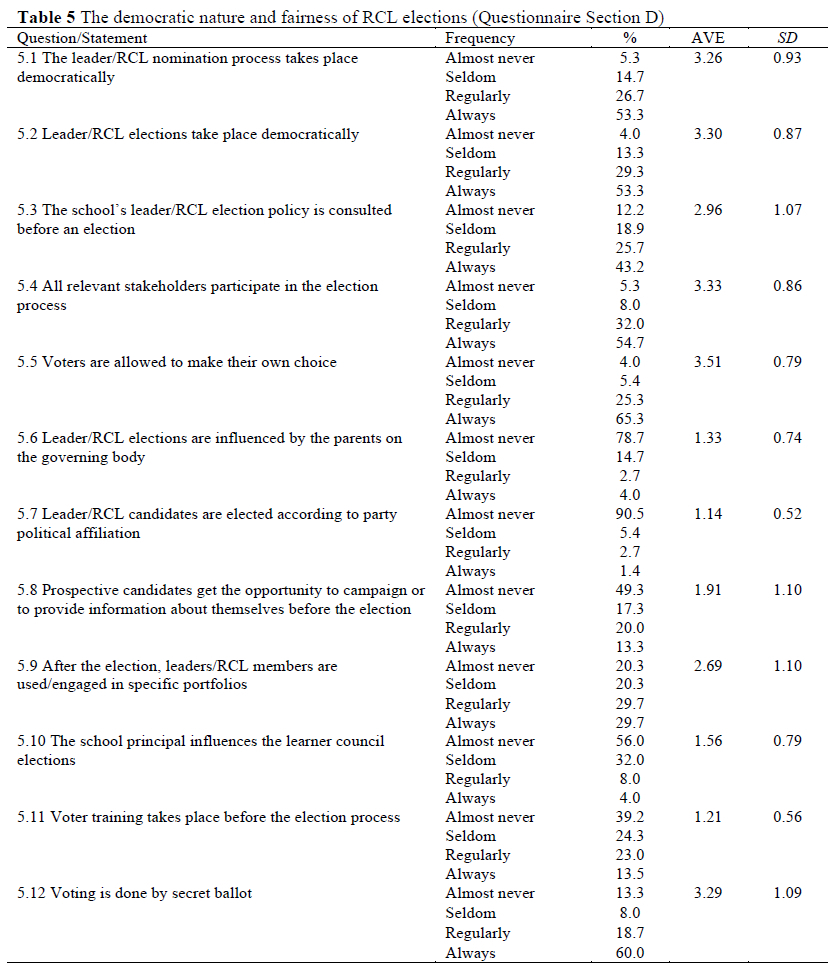
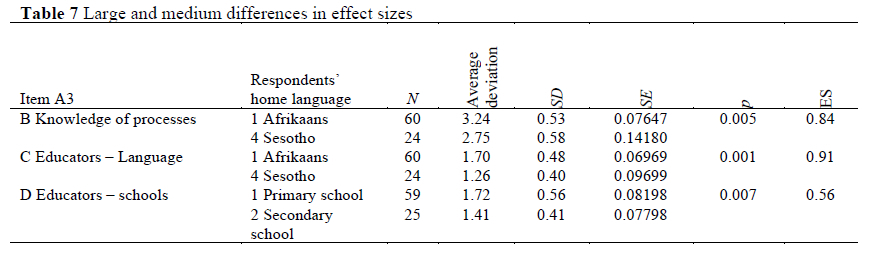
The election of learners to representative bodies or leadership positions in schools often fail to uphold democratic principles. With this study we critically examined the democratic nature of learner elections in South African primary and secondary schools. A survey, using convenience sampling, was conducted among learners and educators. We incorporated Habermas's discourse ethics to evaluate the role of schools in fostering democratic engagement. The findings reveal that election officers and educators often lack democratic literacy, learners face undue influence, and elections frequently mirror popularity contests rather than substantive democratic processes. Since learners are not inherently familiar with democracy, public schools serve as crucial spaces for cultivating democratic values and procedures. Conducting representative councils for learners (RCL) and leader elections democratically could foster educational transformation while promoting learners' personal growth and leadership development. We recommend reforming learner election procedures and creating structures that ensure meaningful learner participation and leadership training.
democracy; education law; election process; leader elections; leadership development; representative council for learners; school governance; school policy