Leadership and context for the improvement of quality education in socio-deprived school contexts
Abstract
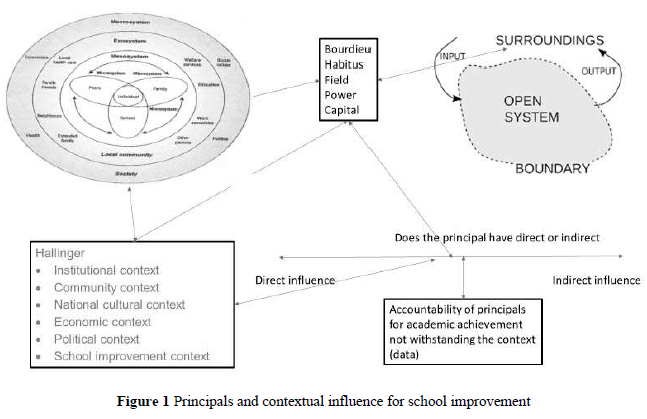
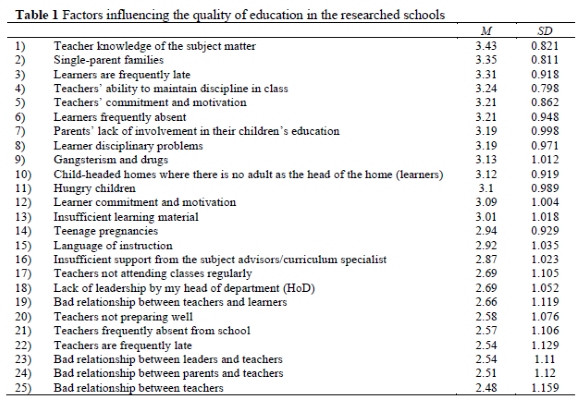
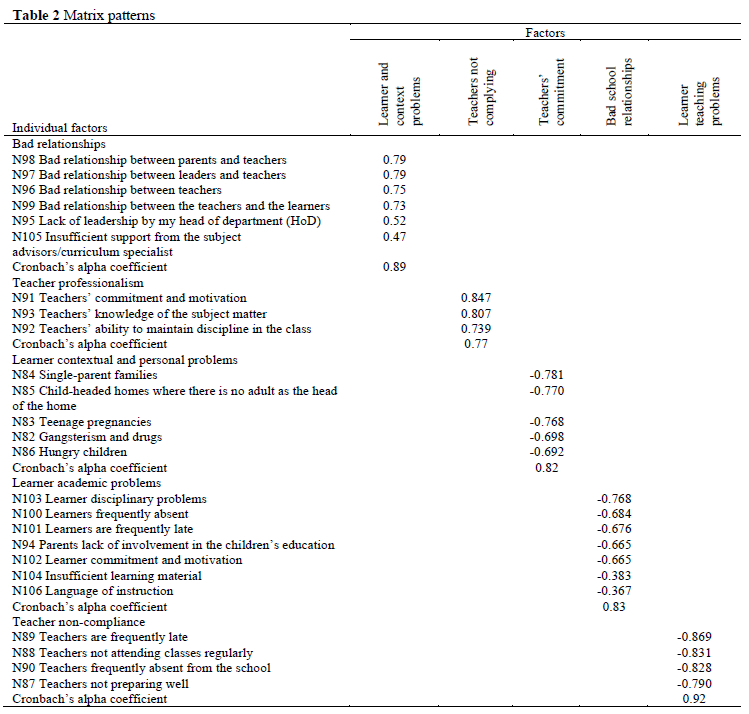
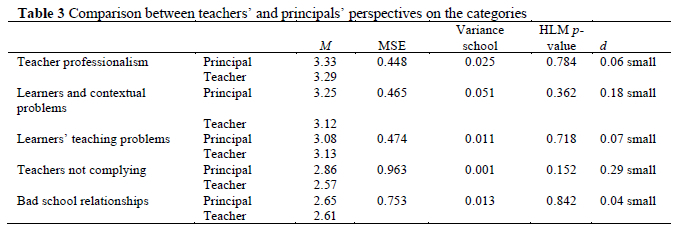
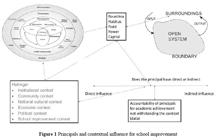
In this article we report on an exploration of leadership and context for the improvement of quality education in South African socioeconomic-deprived school contexts viewed through Hellinger's contextual theory, open systems theory, Bronfenbrenner's ecology of human development, and Bourdieu's theory of field, habitus and power. A post positivistic approach allowed for a quantitative research design which employed an interpretivist lens to use the theory and the context to interpret the numbers. A self-designed questionnaire was used for the data collection. We analysed the data by means of the Statistical Package for the Social Sciences (SPSS) analysis program and evaluated using a Likert scale. In the study reported on here, the mean scores - sorted from the highest, which means the most important factor, to the lowest - are presented. The findings reveal that low teacher professionalism and non-compliance to the regulations, contextual factors outside the schools (teenage pregnancy, vandalism), learners' circumstantial challenges, high accountability by the department without considering schools' contextual factors, and a lack of parental involvement in the teaching-learning process were among the biggest challenges for principals to influence quality education.
context; ecological theory of human development; field; habitus; influences; power; quality education; systems
 Thumbnail