The effect of elementary school students' reading fluency and basic operational fluency levels on mathematics problem-solving skills
Abstract
In this study we analysed the effect of elementary school students' reading fluency and basic operational fluency levels on their mathematics problem-solving skills. A quasi-experimental design with pre-test and post-test paired control groups was used in the study. The study group consisted of 49 third-grade elementary school students. As a result of the analysis, it was revealed that the reading fluency and basic operational fluency activities used in the study significantly increased the students' reading fluency and basic operational fluency levels. The results of the study show that elementary school students' reading fluency levels significantly predicted their mathematics problem-solving skills (33%). Similarly, it was observed that elementary school students' basic operational fluency levels significantly predicted their mathematics problem-solving skills (46%). It was also found that elementary school students' reading fluency and basic operational fluency levels jointly predicted their mathematics problem-solving skills (50%) at a higher level. In conclusion, the findings of this study underscore the critical role of reading fluency and basic operational fluency in shaping elementary school students' mathematics problem-solving abilities, emphasising the importance of integrating targeted interventions to enhance these skills at an early stage of education.
basic operational fluency; elementary school; mathematics problem-solving; reading fluency
Introduction
Mathematics problem-solving is a process that consists of multiple stages. Even though the stages in the process are explained by different models, they have similar stages in terms of content (Schoenfeld, 1992). The most widely known and recognized mathematics problem-solving model in the literature is George Polya's four-stage model (Altun, 2016; Baki, 2018). These stages are understanding the problem, planning the solution, implementing the plan, and evaluating it. In the first stage, the student reads the problem, tries to understand it, and attempts to distinguish the information required for the solution (Bennett & Nelson, 2004). In the second stage, the student draws up a plan that includes the calculations and strategies to be employed to solve the problem (Van Hanegem, 2017). In the third stage, the student implements the plan they have drawn up. Arithmetic operations are also included in this stage (Altun, 2016). In the last stage, the student reflects on what they have practiced throughout the solution process. They evaluate the plan and the solution from the first stage of solving the problem (Baki, 2018). The student used some basic skills (reading and doing operations) at these stages of the problem-solving process. These basic skills are crucial for timely and accurate problem-solving. Therefore, the effect of students' proficiency in these basic skills (reading fluency and basic operational fluency) on their achievement in solving mathematical problems needs to be more clearly established.
The significance of this study extends beyond the Turkish context and offers valuable insight for educators in other developing countries facing similar educational challenges. In many such contexts, students face two major challenges: external constraints such as limited access to instructional resources (books, materials, and support) and internal cognitive constraints such as reduced working memory capacity. Clearly distinguishing between physical and cognitive limitations it is essential to understand how these factors impact learning processes. In under-resourced environments, limited access to rich reading materials and effective instructional strategies often leads to delays in reading fluency and computational skills development (Nichols, Rupley & Rasinski, 2008; Saygılı, 2016). These limitations can be more pronounced in developing countries, where socio-economic disparities hinder equal access to educational opportunities. By investigating the impact of reading fluency and basic operational fluency on mathematics problem-solving abilities, this research provides critical data that may inform educational practices worldwide. These skills directly influence students' cognitive processes during problem-solving. For example, if a student struggles with decoding or basic arithmetic, more working memory is consumed by these lower-order processes, leaving fewer mental resources for comprehension, analysis, and strategy generation - all of which are essential mental processes in mathematics. According to cognitive load theory, learners have limited working memory capacity - an internal cognitive resource that supports processing and storage of information. When a significant portion of this internal capacity is consumed by lower-level tasks such as decoding or basic calculation, students may struggle to engage in higher-order thinking activities like analysis and problem-solving. The findings of our study may help to shape educational policies and interventions aimed at boosting student achievement in mathematics, particularly in resource-constrained settings. Research emphasises the effectiveness of early interventions in foundational skills such as reading fluency and basic arithmetic in closing achievement gaps in underperforming schools (Duhon, House, Hastings, Poncy & Solomon, 2015; Fuchs, Fuchs, Compton, Powell, Seethaler, Capizzi, Schatschneider & Fletcher, 2006). These studies demonstrate that targeted support in basic skills may yield measurable gains in mathematics performance, especially in contexts with limited resources. Thus, how and to what extent changes in students' reading fluency and basic operational fluency skills affect their achievement in solving mathematical problems should be analysed and examined. To achieve the aim of the study, we sought answers to the following three research questions:
1) Does the reading fluency level of elementary school students have a significant effect on their mathematics problem-solving skills?
2) Do elementary school students' basic operational fluency levels have a significant effect on their achievement in solving mathematical problems?
3) Do reading fluency and basic operational fluency levels of elementary school students have a collective and significant effect on their achievement in solving mathematical problems?
Literature Review
Fluent reading is the ability to read accurately, quickly, and with appropriate phrasing (Rasinski, 2009). Fluent reading is achieved by reading the text correctly, quickly, and in accordance with its meaning. Reading fluency is a key component of basic reading skills and is often associated with reading comprehension (Rasinski, 2006; Zimmerman & Smit, 2014). While fluency - especially prosody - may indicate understanding, it does not always guarantee it. Students may exhibit fluent reading behaviour without fully understanding the text, a phenomenon often referred to as "barking at print" (Nichols et al., 2008). Therefore, fluency should be interpreted as a supportive, but not definitive, indicator of comprehension. Reading fluency is regarded as a gateway to comprehension (Erdem & Gök, 2022; Nichols et al., 2008). Students with fluent reading skills understand the texts they read more easily and may thus use their cognitive resources for higher-level skills. In high-level skills such as problem-solving, students spend most of their cognitive resources on reading fluency, which can result in failure in the problem-solving process. In the first step of the problem-solving process, students try to read and understand the problem correctly. It is not possible for students who experience difficulties at this stage to properly perform the subsequent stages of the problem-solving process. For students to eliminate difficulties in this regard, they should first acquire fluent reading skills and channel their cognitive resources to higher-level skills. Hence, it is considered an essential issue to analyse how and at what level the change in students' reading fluency levels affects their problem-solving skills. In some studies on this subject (Büyükalan Filiz & Boz, 2019; Sezgin Memnun & Kanbur, 2020; Ulu, 2016; Vilenius Tuohimaa, Aunola & Nurmi, 2008; Walker, 2012), it was concluded that reading fluency affects problem-solving achievement. However, there is not enough evidence on whether reading fluency directly or indirectly affects mathematics problem-solving achievement. Therefore, it is expected that this experimental study will clarify the relationship between reading fluency and mathematics problem-solving skills more clearly and in detail.
Basic operational fluency is described as the ability to automatically respond quickly and accurately to single-digit calculations, either orally or in writing, as they are read (Cressey & Ezbicki, 2008; Stocker & Kubina, 2017). Operational fluency, an integral component of mathematical competence, provides automaticity in the basic operational skills (addition, subtraction, multiplication, and division) required for solving more complex problems (National Council of Teachers of Mathematics [NCTM], 2000). Basic operational fluency serves as a bridge for students to progress from lower-level skills to higher-level skills. A lack of basic operational fluency may negatively affect the development of higher-level mathematical skills (Woodward, 2006). On the contrary, high levels of operational fluency are associated with the preservation of skills and the achievement of key academic tasks such as problem-solving (Shapiro, 2011). Therefore, basic operational fluency has a significant impact on the development of students' higher-level mathematical skills. The working memory of individuals who automatise in operational fluency is less preoccupied with computational tasks and thus more time is available for problem-solving and higher-level learning (Geary, 1994; Lemov, Woolway & Yezzi, 2012). Consequently, it is necessary to develop fluency components that reduce the load on individuals' working memory and allow more capacity for other mathematical operations (Sullivan, 2011). Individuals who are automatised in basic operational skills do not need to focus on computational processes in calculations. They focus all their energy on more complex tasks, such as choosing and using appropriate methods for problem-solving, rather than computational tasks. This enables individuals to see the big picture rather than focus on the details (Foster, 2014). A simple mistake in the basic arithmetic operations employed at any stage of the problem-solving process can negate all previous efforts. Thus, students must perform arithmetic operations accurately and at an optimal speed during the problem-solving process. This proficiency in arithmetic operations is associated with the student's level of basic operational fluency. Accordingly, it is considered an essential issue to analyse how and to what extent the changes in students' basic operational fluency levels affect their problem-solving skills.
While research consistently shows that reading fluency and basic operational fluency are associated with mathematical problem-solving performance, there is debate about the direction and magnitude of these relationships. Some scholars argue that reading fluency primarily influences problem-solving indirectly, through its effect on comprehension (Fuchs et al., 2006), whereas others emphasise the cognitive resource-sharing between reading and arithmetic processing (Swanson & Beebe-Frankenberger, 2004). Additionally, studies examining these relationships in younger learners have reported mixed findings, particularly in contexts with varying instructional quality (Vukovic & Lesaux, 2013). Few studies have simultaneously examined these constructs within the framework of cognitive load theory, and even fewer have explored their interplay using a quasi-experimental design. In our study, we addressed this gap by integrating both reading and operational fluency within a unified cognitive framework and empirically testing their combined effects on problem-solving skills.
Theoretical Framework
Students' proficiency in basic skills (reading fluency and basic operational fluency) helps them to direct their cognitive resources to the problem-solving process. According to the cognitive load theory that describes this phenomenon, students have limited working memory. Therefore, overloading this limited capacity, especially in the first stage of learning, may lead to slow learning (Brooks, 2009; Clarke, Ayres & Sweller, 2005). Since students cannot use this limited cognitive resource meticulously, there are difficulties in the acquisition of higher-level thinking skills. When students spend most of their cognitive resources on fluent reading and basic mathematical operations in the problem-solving process, they have difficulty achieving their goals. Individuals who excel in fluent reading and basic mathematical operations have the cognitive resources required for higher-level skills since they do not use their cognitive resources as much (Binder, 1996; Imbo & Vandierendonck, 2007). In addition to cognitive load theory, our study can be situated within the context of dual-process theories and working memory capacity frameworks. Dual-process theories distinguish between automatic, fast, and intuitive processing (System 1) and controlled, slow, and analytical processing (System 2) (Evans & Stanovich, 2013). Reading fluency and basic operational fluency may rely heavily on System 1 processes, whereas complex problem-solving requires greater engagement of System 2, thereby increasing cognitive demands. Similarly, working memory capacity frameworks emphasise the limitations in the amount of information that can be actively maintained and manipulated (Baddeley, 2012). These limitations have direct implications for both reading and mathematical processing, particularly in tasks that require integration of multiple skills. Framing our study within these complementary perspectives is expected to provide a more comprehensive understanding of how fluency in reading and basic operations interacts with higher-order problem-solving skills. Analysing the effect of activities on students' reading fluency, basic operational fluency, and their proficiency in these skills on their achievement in solving mathematical problems will contribute to the literature.
Methodology
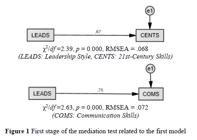
In the study, a quasi-experimental design with pre and post-tests with paired control groups was employed (Figure 1). Since it was not possible for us to randomly assign students to classes in Türkiye, where a centralised education system is in effect, a true experimental design could not be used. Therefore, an experimental group and a control group were formed by drawing lots from the third-grade classes allocated by the school administration. The study consisted of three phases: the pre-test phase, the intervention phase, and the post-test phase. In the pre-test phase, the math problem-solving achievement test, the inaccurate analysis inventory (for identifying reading errors), the prosodic reading scale and the basic operational fluency achievement tests were administered to the students in the experimental and control groups. After the pre-tests, 72 hours of reading fluency and basic operational fluency activities (36 hours each) were conducted with the students in the experimental group. Students in the control group were taught in line with the existing curriculum without any additional work (intervention phase). Subsequently, in the post-test phase, the tests, inventories, and scales administered to the students in the experimental and control groups prior to the quasi-experimental procedure were administered again. We did not include a direct measure of reading comprehension. Therefore, the findings relate specifically to oral reading fluency and cannot be generalised to comprehension outcomes. The pre and post-test quasi-experimental design with the matched control group used in the research is presented in Figure 1.
Participants
The study group consisted of 49 (25 experimental and 24 control) third-grade students studying in an elementary school in the Van province of Türkiye in the first semester of the 2021-2022 academic year. The convenience sampling method, one of the non-random sampling methods, was employed to determine the study group. The elementary school from which the study group was selected had two third-grade classes. One of the classes was selected as the experimental group and the other as the control group. The classes had no students with special needs. Ethical rules were observed regarding the participation of students and voluntary participation forms were distributed. All students were approximately 8 to 9 years old. Therefore, in accordance with ethical standards for research involving minors, informed consent was obtained from the parents or legal guardians of all participants. In addition, age-appropriate assent was also obtained from the students themselves. The experimental and control groups were formed by casting lots. The convenience sampling method, considering ease of access, prevention of loss of time and cost, and practicality of the study (Büyüköztürk, Kiliç Çakmak, Akgün, Karadeniz & Demirel, 2019; Kılıç, 2013) was used for the formation of the study group. The class sizes of the experimental and control groups were approximately the same. The social, economic, and cultural structures of the families of the students in both groups were similar. The sample consisted of students from a rural district where most families shared similar socio-economic and cultural characteristics. Specifically, 78% of the parents had completed high school or less, while 22% held a university degree. Household income levels were generally low to moderate, with 64% of families earning below the national median income. Turkish was the primary language spoken at home in 75% of households, while a minority (25%) spoke Kurdish as their first language. Most households (82%) reported having access to basic educational resources such as textbooks and internet connectivity, but only 28% had access to supplementary learning materials (e.g., educational software, private tutoring). These demographic patterns suggest a relatively homogeneous socio-economic and cultural background, which should be considered when generalising the findings to more diverse educational settings. Both the experimental and control groups were selected from the same school, but they were assigned to separate classrooms. To minimise the risk of information exchange between the groups, intervention sessions were conducted independently and during different time slots. We remained vigilant about reducing possible contamination. However, informal peer communication cannot be completely ruled out and is acknowledged as a potential limitation of the study.
A post-hoc power analysis was conducted using G*Power 3.1 (Faul, Erdfelder, Buchner & Lang, 2009) to assess whether the sample size was adequate to detect meaningful effects. Assuming a large effect size (d = 0.80) and an alpha level of .05, the total sample size of 49 participants yielded a statistical power of 0.87, which is above the generally accepted benchmark of 0.80 (Cohen, 1988). This indicates that the study had sufficient power to detect meaningful differences between the experimental and control groups. Nonetheless, we acknowledge that the quasi-experimental design and the constraints of the school setting limited the potential for recruiting a larger sample.
Ethics Statement
We declare that all ethical principles were followed in this study. Informed consent was obtained from all participants or - in the case of minors - from their legal guardians. Ethics approval was obtained from the Istanbul University-Cerrahpaşa Social and Human Sciences Research Ethics Committee (approval date: 01.06.2021, Approval number: 179).
Practice Process
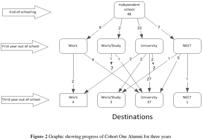
Following the selection of the study group, we tried to measure students' reading fluency, basic operational fluency, and mathematical problem-solving skills. Accordingly, the math problem solving achievement test, the inaccurate analysis inventory (for identifying reading errors), the prosodic reading scale and the basic operational fluency achievement tests were administered to the students as pre-tests. Subsequently, the intervention phase of the study was started. The practice process of the study was carried out in the first semester of the 2021-2022 academic year. After pre-tests were administered to the experimental and control groups, validated methods to improve the reading fluency and basic operational fluency levels of the students in the experimental group were selected. While determining the methods, the effectiveness of the methods, their level of applicability in the classroom environment, and access to the materials to be used were prioritised. We decided to employ choral reading, echo reading, paired reading, and reader's theatre methods for the fluent reading activities of the study. Choral reading involves the teacher first modelling the text with correct pronunciation, pacing, and expression, followed by all students reading aloud together, with corrective feedback provided after each sentence. Echo reading involves the teacher reading a sentence or short passage aloud with accurate intonation and pacing, with the students immediately repeating it, imitating the teacher's delivery. Fluency drills are timed practice sessions in which students complete sets of basic arithmetic problems as quickly and accurately as possible, receiving immediate feedback afterwards. Finally, integrated problem-solving sessions refer to activities in which students work in small groups to solve multi-step word problems, verbalising their reasoning processes while the teacher facilitates discussion, encouraging students to explain and justify their solutions. Whereas in the basic operational fluency activities, discover, copy, and compare, saved problems, open-time practices, and flashcard methods were adopted. For the reading texts appropriate for the fluent reading methods to be employed in the study, field experts were consulted and the necessary permission for the fluent reading texts were obtained from the appropriate publishing house. We prepared the basic operational fluency activity materials used in the practice phase of the study through consultation with experts in the relevant field. Prior to the practice, 2-week (12-hour) awareness training was conducted with the students in the experimental group about the methods and activities to be employed in the study. In the practice activities, 36 hours of reading fluency and 36 hours of basic operational fluency activities were carried out in accordance with the methods determined. The practice studies were conducted for 1 hour each weekday (2 hours on Wednesdays). The practice process of the study started on 11 October 2021 and was concluded on 14 January 2022. The practice process was carried out entirely by us in accordance with the planned activity schedule. The total duration of intervention activities was 72 hours: 36 hours were devoted to reading fluency and 36 hours to basic operational fluency. This does not include the preliminary 12-hour awareness training. During the intervention period, both the experimental and control groups were instructed by teachers with similar educational backgrounds (each holding a bachelor's degree in primary education and more than 5 years of teaching experience) and followed the same national curriculum set by the Ministry of Education. Lesson content, duration, and sequence were identical for both groups, with the only difference being the inclusion of the intervention programme in the experimental group. No additional extracurricular or remedial lessons were provided to either group, and both groups had similar access to school facilities and resources. This ensured that any observed differences in outcomes could be attributed to the intervention rather than disparities in instructional delivery. The distribution of activities by days is presented in Figure 2.
The practice process was concluded without any loss of subjects. After the practice process of the study, the tests, inventories, and scales administered to the students as pre-tests were administered as post-tests.
Fidelity and Bias Control
As we conducted all intervention sessions, steps were taken to minimise potential bias and ensure procedural fidelity. All intervention sessions were video-recorded, and an independent trained observer reviewed 25% of the recordings randomly selected using a standardised fidelity checklist adapted from Odom, Brantlinger, Gersten, Horner, Thompson and Harris (2010). Inter-rater agreement between the researcher and the observer was high (Cohen's κ = 0.89), indicating consistent implementation of the intervention protocol. In addition, a detailed intervention manual was followed for every session, and any deviations from the protocol were documented in a research log and discussed during weekly supervision meetings.
Measurement/Measurement Tools
Procedural and operational definitions
Reading fluency: the ability to read a given text accurately, quickly, and with appropriate expression, measured by the number of correctly read words per minute.
Basic operational fluency: the ability to perform basic arithmetic operations (addition, subtraction, multiplication, and division) quickly and accurately without reliance on counting strategies.
Mathematics problem-solving skills: the ability to understand, represent, and solve mathematical problems requiring the application of arithmetic operations, logical reasoning, and interpretation.
Measurement of reading fluency
In measuring students' reading fluency levels, reading accuracy, reading pace, and prosodic reading measurements were evaluated. Prior to measuring students' reading fluency levels, the "inaccurate analysis inventory", which is not a standardised test, was employed to identify students' reading errors. The inventory was adapted into Turkish by Akyol (2006) from Ekwall and Shanker (1988). Through this inventory, reading errors made by the reader during reading aloud are identified and vocabulary and phonological knowledge are revealed (Akyol, 2006). Following the determination of the student's reading errors, the percentage of correct reading (word recognition) and reading pace of the reader were measured. Students' reading pace was based on the number of words they read accurately in 1 minute. The measurement of the student's correct reading percentage is determined by dividing the number of words read accurately by the total number of words read and taking the percentage of the result. Readers with a correct reading rate of 99 to 100% are considered to be at a free level, meaning they are at a good level; those with a reading rate between 95 and 98% are considered to be at an instructional level, meaning they can improve with guidance; and those with a reading rate below 90% are considered to be at a worrying level in terms of word recognition (Rasinski, 2004). Another major component that should be considered when measuring students' reading fluency levels is reading aloud prosody. The prosodic reading scale developed by Keskin, Baştuğ and Akyol (2013) was employed to measure the students' reading aloud prosody levels. The prosodic reading scale is composed of 15 items, with a maximum score of 60. Students who obtained half of the total score (30 out of 60) on the prosodic reading scale were considered proficient in prosodic reading (Keskin et al., 2013). The reading fluency test used in this study demonstrated strong construct validity, as is shown by the high item-total correlations (.72-.84) and a unidimensional factor structure confirmed through exploratory factor analysis. Convergent validity was supported by significant correlations (r = .78, p < .001) with a nationally standardised reading fluency assessment (Ministry of Education, 2018).
Measurement of basic operational fluency
One-minute fluency tests are typically used to measure students' basic operational fluency levels for each operational skill (Deno & Mirkin, 1977; Howell & Nolet, 2000; Stein, Kinder, Silbert & Carnine, 2006). In our study, 1-minute basic operational fluency tests were used to measure students' fluency levels in each operational skill. In the fluency tests prepared, the number of questions was determined based on two major criteria. The first criterion was to ensure that all combinations of operations with single-digit numbers were included in the fluency tests. The second criterion was the ordering of the prepared operation combinations as a repeating level cycle of easy, medium, and difficult in the fluency test. Thus, in the fluency tests, we ensured that all combinations of operations were composed of at least 45 operations to distribute all combinations of operations at an equal level of difficulty within the test. Additionally, the number of digits answered accurately in 1 minute was considered as a criterion in the fluency tests to be used in the study to measure students' fluency levels precisely. The student's ability to answer each operation within 2 to 3 seconds was considered sufficient for fluency. Therefore, in a 1-minute fluency test, it was considered suitable to categorise the student at an inadequate level if the number of accurate digits was 14 or less, at an instructional level if the number of accurate digits was between 15 and 19, and at a fluent level if the number of accurate digits was 20 or more. The basic operational fluency test exhibited acceptable construct validity, with factor loadings ranging from .65 to .82, and convergent validity was established through significant correlations (r = .74, p < .001) with the Trends in International Mathematics and Science Study (TIMSS) mathematics computation subscale scores.
Measuring achievement in solving mathematics problems
In the study, a mathematics problem-solving achievement test developed by us was employed to measure the problem-solving achievement of third-grade elementary school students in the mathematics course of numbers and operations learning field. Validity, reliability, and item analyses were conducted based on the trial practice data obtained from the test. The content validity of the test was ensured by the specification table and expert views. The test comprised 18 items. Five of the items in the test consisted of problems for understanding the problem, four items for drawing up a plan, five items for implementing the plan, and four items for measuring the control phase of problem-solving achievement. As a result of the analysis, the Kuder-Richardson Formula 20 (KR-20) reliability coefficient of the test was found to be 0.78, indicating an acceptable level of internal consistency for dichotomously scored items. The average difficulty value calculated for the test was 0.58. The mathematics problem-solving test's construct validity was confirmed through expert panel review and pilot testing, and convergent validity was supported by moderate to strong correlations (r = .69, p < .001) with the problem-solving component of the Programme for International Student Assessment (PISA) mathematics framework (Organisation for Economic Co-operation and Development [OECD], 2019). Collectively, these findings indicate that the instruments used were consistent with established standardised measures and appropriately capture the constructs under investigation.
Analysis
Prior to the statistical analyses being conducted within the scope of the study, we ensured that the data met the prerequisites for analysis. In this regard, it was initially analysed to determine whether there were missing values and outliers in the scores obtained from the students in the experimental and control groups. As a result of these analyses, we concluded that there were no missing values and outliers. Before selecting the type of analysis to be employed in the statistical analyses, the normal distribution of the scores obtained from the variables was analysed. In the study, the kurtosis coefficient values, skewness coefficient values, and Shapiro-Wilk test results of the variables were analysed to detect whether the scores obtained from reading fluency, basic operational fluency, and mathematics problem-solving achievement tests were normally distributed. The Shapiro-Wilk test is a statistical method used to determine whether data conform to a normal distribution. The p-value obtained from the test is generally compared to the 0.05 significance level. However, when assessing whether the normal distribution assumption is met, not only the Shapiro-Wilk test but also skewness and kurtosis values are examined. Skewness and kurtosis values within ±1.5 indicate that the data are reasonably close to a normal distribution (Tabachnick & Fidell, 2013). This range is a more stringent criterion than the ±2 limit frequently used in the social sciences and is preferred to ensure that the data set conforms more closely to a normal distribution. As a result of the analysis, the kurtosis and skewness coefficient values of the scores obtained from the variables were in the range of -1.5 to +1.5. Furthermore, we found that Shapiro-Wilk values were p > 0.05 in a significant portion of reading fluency, basic operational fluency, and mathematics problem-solving achievement scores.
As a result of these analyses conducted prior to the statistical operations, it was concluded that the scores obtained from the reading fluency, basic operational fluency, and mathematics problem-solving achievement test exhibited a normal distribution in each group and it was, therefore, decided to use parametric statistical tests. As part of the study, an independent samples t-test was conducted to compare the pre-test and post-test scores of both groups, and a dependent samples t-test was conducted to compare the pre- and post-test scores of the groups within themselves.
Independent samples t-tests were used to compare the pre-test and post-test scores of the experimental and control groups. This test was chosen because the data met the assumptions of normality and homogeneity of variances, as verified by the Shapiro-Wilk and Levene's tests. The t-test is appropriate for comparing the means of two independent groups when the assumptions of parametric testing are met (Tabachnick & Fidell, 2013). To assess the baseline equivalence of the experimental and control groups, independent samples t-tests were conducted on the pre-test scores of reading fluency, basic operational fluency, and mathematics problem-solving skills. Results showed no statistically significant differences between the groups for reading fluency, basic operational fluency, and mathematics problem-solving skills. These findings indicate that the two groups were statistically comparable prior to the intervention. Furthermore, multiple linear regression analyses were carried out to analyse the effect of independent variables on the dependent variable. Prior to conducting the regression analyses, diagnostic tests were performed to verify that the assumptions of multiple regression were met. Multicollinearity was assessed using variance inflation factor (VIF) and tolerance values, with all VIF values below 2.5 and tolerance values above 0.40, indicating no multicollinearity concerns (Hair, Black, Babin & Anderson, 2019). Normality of residuals was examined through both the Shapiro-Wilk test (p > .05) and visual inspection of quantile-quantile (Q-Q) plots, confirming that the residuals were normally distributed. Linearity and homoscedasticity were verified by inspecting residual scatterplots, which showed random distribution without systematic patterns. Independence of residuals was confirmed using the Durbin-Watson statistic (DW = 1.97), which was within the acceptable range (1.5-2.5). These results indicate that all assumptions for multiple regression analysis were satisfied.
In addition to p-values, effect sizes were calculated to evaluate the magnitude of the observed effects. Cohen's d was reported for independent samples t-tests, following the conventions of 0.20 (small), 0.50 (medium), and 0.80 (large) effects (Cohen, 1988). For ANOVA and regression analyses, partial eta squared (η2p) was calculated, with benchmarks of 0.01 (small), 0.06 (medium), and 0.14 (large) effects (Richardson, 2011). Reporting these values allows for a more comprehensive interpretation of the practical significance of the findings.
Results
Do the Reading Fluency Levels of Elementary School Students have a Significant Effect on Their Mathematics Problem-solving Skills?
We noted no statistically significant difference between the experimental and control groups in terms of their pre-test fluent reading scores. Specifically, no significant differences were found in accurate reading (t = -0.20, p > 0.05), reading pace (t = -0.38, p > 0.05), and prosody (t = -1.20, p > 0.05). This indicates that the fluent reading pre-test scores of both groups were similar.
However, after the activities, a statistically significant difference was observed between the groups' post-test fluent reading scores in favour of the experimental group. Specifically, significant differences were found in accurate reading (t = 9.47, p < 0.05), reading pace (t = 2.05, p < 0.05), and prosody (t = 3.97, p < 0.05). Thereby, we found that the practice activities carried out with the experimental group were effective in improving the students' reading fluency levels. The independent samples t-test results regarding fluent reading pre-test and post-test scores of the students in the experimental and control groups are presented in Table 1.
Multiple linear regression analysis was conducted to determine how this increase in the fluent reading levels of the students in the experimental group affected their mathematics problem-solving achievement. The analysis revealed that the regression model was statistically significant, F (3, 21) = 5.016, p < 0.05. It was found that 33% (R2 = 0.33) of the variance in the dependent variable (mathematics problem-solving achievement) was explained by the independent variables (accurate reading, reading pace, and prosody). Based on the results of the analysis, the independent variable prosody positively and significantly predicted mathematics problem-solving success, β = 0.84, t (21) = 1.76, p < 0.05, pr2 = 0.15. The other independent variables (reading accuracy and reading pace) did not have a significant predictive value (p > .05) on mathematics problem-solving achievement. The results of the multiple linear regression analysis regarding fluent reading's predicting success in solving mathematical problems are presented in Table 2.
Do Elementary School Students' Basic Operational Fluency Levels have a Significant Effect on Their Achievement in Solving Mathematical Problems?
No statistically significant difference between the experimental and control groups in terms of their pre-test scores for basic operational fluency was found. Specifically, no significant differences were found in addition (t = -0.32, p > 0.05), subtraction (t = -0.29, p > 0.05), multiplication (t = -1.51, p > 0.05), and division (t = -0.85, p > 0.05). This indicates that the basic operational fluency pre-test scores of both groups were similar. However, after the activities, a statistically significant difference was found between the post-test scores of the experimental and control groups in terms of basic operational fluency, in favour of the experimental group. Specifically, significant differences were observed in addition (t = 3.01, p < 0.05), subtraction (t = 7.36, p < 0.05), multiplication (t = 2.17, p < 0.05), and division (t = 2.71, p < 0.05). These results indicate that the practice activities carried out with the experimental group students were effective in improving the students' basic operations fluency levels. The independent samples t-test results regarding the basic process fluency pre- and post-test scores of the students in the experimental and control groups are presented in Table 3.
Multiple linear regression analysis was conducted to determine how this increase in the basic operational fluency levels of the students in the experimental group affected their mathematics problem-solving achievement. The analysis showed that the regression model was statistically significant, F (4, 20) = 6.029, p < 0.05. It was found that 46% (R2 = 0.46) of the variance in the dependent variable (mathematics problem-solving achievement) was explained by the independent variables (addition, subtraction, multiplication, and division). According to the results of the analysis, the independent variable division predicts achievement in mathematics problem-solving positively and significantly, β = 1.30, t (21) = 3.32, p < 0.05, pr2 = 0.36. The other independent variables (addition, subtraction, and multiplication) did not have a significant predictive value (p > .05) on mathematics problem-solving achievement. The results of the multiple linear regression analysis regarding the prediction of mathematical problem-solving success by basic operational fluency are presented in Table 4.
Do Reading Fluency and Basic Operational Fluency Levels of Elementary School Students have a Collective and Significant Effect on Their Achievement in Solving Mathematical Problems?
Multiple linear regression analysis was conducted to determine whether the increase in the reading fluency and basic operation fluency levels of the students in the experimental group had a common and significant effect on their mathematics problem-solving achievement. The analysis revealed that the regression model was statistically significant, F (7, 17) = 4.538, p < 0.05. It was concluded that 50% of the variance (R2 = 0.50) in the dependent variable (mathematics problem-solving achievement) was explained by the independent variables (reading fluency and basic operational fluency components). Based on the results of the analysis, the independent variable prosody positively and significantly predicts mathematics problem-solving success, β = 0.91, t (17) = 2.09, p < 0.05, pr2 = 0.20. The analysis' results indicate that the independent variable of the division process positively and significantly predicts mathematics problem-solving achievement, β = 1.07, t (17) = 2.56, p < 0.05, pr2 = 0.28. The other independent variables (reading accuracy, reading pace, addition, subtraction, and multiplication) did not have a significant predictive value (p > .05) on mathematics problem-solving achievement. The results of multiple linear regression analysis regarding the co-prediction of fluency in reading fluency and basic operational fluency in mathematical problem-solving are presented in Table 5.
Discussion
In this study we analysed the effect of elementary school students' reading fluency and basic operational fluency levels on their achievement in solving mathematical problems.
According to the results, the fluent reading activities and methods employed in the study (choral reading, paired reading, echo reading, and reader's theatre) were effective in improving students' fluent reading levels. The results from our study are supported by those of many other studies (Akyol & Çoban Sural, 2020; Akyol & Kodan, 2016; Akyol & Yıldız, 2010; Aşıkcan, 2019; Çaycı & Demir, 2006; Çeliktürk Sezgin & Akyol, 2015; Dinç, 2017; Kanık Uysal, 2020; Keskin, 2012; Kurtdede Fidan & Akyol, 2011; Sirem, 2020; Taşkaya, 2010; Uzunkol, 2013; Yamaç, 2015).
The implications of this study extend beyond the Turkish context, offering valuable insight for scholars and educators in other developing countries that face similar challenges, such as limited instructional resources, unequal access to quality education, and underdeveloped infrastructure. Given that many developing countries face educational challenges, understanding the role of basic skills such as reading fluency and basic operational fluency in mathematical problem-solving is essential for designing effective pedagogical strategies. This research highlights the importance of foundational skills, such as fluent reading and basic operational fluency in academic achievement, suggesting that improvements in these areas may enhance the effective use of cognitive resources (i.e., mental processes such as attention, working memory, and problem-solving) for higher-level tasks. By addressing these foundational skills, educators can help students perform better in mathematics, which is crucial for their overall academic success. The findings of this study are relevant for educational policymakers and practitioners globally, as they provide evidence-based strategies such as targeted teacher training, and the integration of foundational skills into daily instruction that may be adapted to different educational contexts. These strategies have the potential to enhance teaching effectiveness and improve student engagement.
The results reveal that students' reading fluency levels significantly predicted their mathematics problem-solving achievement. The fluency in reading (reading accuracy, reading pace, and prosody) explained 33% of the variation in students' mathematics problem-solving achievement. Students' prosodic reading levels positively and significantly predicted their mathematics problem-solving achievement. Meanwhile, students' reading accuracy and reading pace levels did not significantly predict their mathematics problem-solving achievement when entered into the regression model together with prosody. In this model, prosody emerged as the only significant predictor, explaining a meaningful portion of the variance in problem-solving performance. These results are in line with those of other studies (Büyükalan Filiz & Boz, 2019; Gresens, 2011; Grimm, 2008; Karakuş Aktan, 2019; Ulu, 2016; Vilenius Tuohimaa et al., 2008; Walker, 2012) in which the effect of reading fluency on mathematics problem-solving success was analysed. Reading fluency is a crucial component of basic reading skills and the most significant indicator of reading comprehension (Rasinski, 2004). Therefore, reading fluency is regarded as a gateway to comprehension (Nichols et al., 2008). Particularly in the process of solving mathematical problems, it is considered a prerequisite for students to read fluently to understand the texts they read correctly. This may account for the effect of students' reading fluency levels on their mathematics problem-solving achievement. Moreover, the fact that students with fluent reading skills understand the texts they read more easily enables them to channel their cognitive resources to higher-level skills. Thus, students can spend a large part of their cognitive resources on the mathematics problem-solving process. This may be another reason why students' reading fluency levels affect their achievement in solving mathematics problems.
According to the results of our study, the basic operational fluency activities and the methods employed in the study (explore, copy and compare, recorded problems, flash cards, and open-time practices) were effective in improving students' basic operational fluency levels. Furthermore, the results are in line with those of many other studies (Alptekin, Vural & Aksoy, 2016; Duhon et al., 2015; Duhon, Poncy, Krawiec, Davis, Ellis-Hervey & Skinner, 2022; Grafman & Cates, 2010; Hayter, Scott, McLaughlin & Weber, 2007; Poncy, Skinner & Jaspers, 2007; Poncy, Skinner & McCallum, 2012; Saecker, Skinner, Sager-Brown & Roberts, 2009; Saygılı, 2016; Van Houten & Thompson, 1976).
The results in our study show that the students' basic operational fluency levels significantly predicted their mathematical problem-solving achievement. The fluency in basic operational fluency (addition, subtraction, multiplication, and division) accounted for 46% of the change in students' mathematics problem-solving achievement. Students' division fluency levels positively and significantly predicted their mathematics problem-solving achievement. However, students' addition, subtraction, and multiplication fluency levels did not significantly predict their achievement in solving mathematics problems. The results are in line with other studies on the effect of basic operational fluency on mathematics problem-solving achievement (Fuchs et al., 2006; Jitendra, Sczesniak & Deatline-Buchman, 2005; Lee, Ng & Ng, 2009; Tertemiz, 1994; Zhang, Cheung, Wu & Meng, 2018).
Basic operational fluency provides automaticity in basic operational skills (i.e., addition, subtraction, multiplication, and division) required for solving complex problems (NCTM, 2000). Moreover, it serves as a bridge from lower-level skills to higher-level skills. Thus, students who gain fluency in basic operations have fewer problems in the transition to higher-level mathematics skills (Shapiro, 2011; Woodward, 2006). This may account for the effect of students' basic operational fluency levels on their achievement in solving mathematics problems. Additionally, the working memory of students who become automatic in basic operational fluency is less occupied with computational tasks and more time can be spent on higher learning such as problem-solving (Geary, 1994; Lemov et al., 2012). This allows students to have more cognitive capacity for other mathematical operations (Sullivan, 2011). This may be another reason for the effect of students' basic operational fluency levels on their achievement in solving mathematics problems.
The results in our study show that students' reading fluency and basic operational fluency levels jointly predicted their mathematics problem-solving achievement significantly. Reading fluency (reading accuracy, reading pace, and prosody) and basic operational fluency (addition, subtraction, multiplication, and division) together accounted for 50% of the variance in students' mathematics problem-solving achievement, as indicated by the multiple regression analysis (R2 = 0.50, p < 0.05). The analysis revealed that prosody and division fluency variables significantly predicted mathematics problem-solving achievement. The other independent variables (reading accuracy, reading pace, addition, subtraction, and multiplication) did not significantly predict mathematics problem-solving achievement. These results are in line with the results of various other studies (Fuchs, Seethaler, Powell, Fuchs, Hamlett & Fletcher, 2008; Rutherford-Becker & Vanderwood, 2009; Søvik, Frostrad & Heggberget, 1999; Yeşiller, 2013; Zheng, Swanson & Marcoulides, 2011). The mathematics problem-solving process needs to be treated holistically. Therefore, students must gain fluency in both reading and basic computational skills to be able to solve problems successfully. A deficiency in one of these two basic skills may negatively affect problem-solving achievement (Ostad, 1998). This may account for the joint effect of students' reading fluency and basic operational fluency levels on their achievement in solving mathematics problems.
Although we primarily focused on reading fluency, it is important to acknowledge the distinction between fluency and comprehension. Some learners may demonstrate high levels of oral reading fluency without fully grasping the meaning of the text, a phenomenon often referred to as "barking at text" (Samuels, 2007). While the results in our study indicate improvements in fluency, future research should investigate the extent to which these gains translate into enhanced comprehension skills.
Conclusion, Limitations, and Further Studies
Our study revealed that the activities and methods used for reading fluency and basic operational fluency improved the reading fluency and basic operational fluency levels of elementary school students. The results also show that the change in students' reading fluency and basic operational fluency levels significantly affected their mathematics problem-solving achievement. The results of the study also revealed that reading fluency and basic operational fluency were significant predictors of mathematics problem-solving achievement. All the results expand the existing literature and contribute to the growth of multidisciplinary studies.
The fact that the study was conducted with only a small group of third-grade students can be regarded as a limitation. Therefore, the generalisability of the study results may be of concern. However, the generalisability of the results of the study may be analysed with similar studies conducted with larger study groups. Furthermore, the fact that the study was conducted with a certain grade level is considered another limitation. Conducting similar studies in other grades of elementary school and comparing the results may contribute to the validation and generalisation of the results of the study. The fact that the intervention period of the study was set as 84 hours can be regarded as another limitation. In future studies, the period may be changed or converted into a longitudinal study. In our study, we opted for behavioural intervention methods to improve students' reading fluency and basic operational fluency skills. Other researchers may conduct similar studies by employing different methods. Moreover, we did not analyse the separate effects of the methods employed in our study. In future studies, the effectiveness levels of the methods employed can be analysed separately. Although the findings of this study provide important insight into the impact of reading and operational fluency on mathematical achievement, the generalisability of the results is limited by several factors. These include the relatively small sample size, the selection of participants from a single public school, and the specific cultural and curricular context of the Turkish education system. Another limitation of this study relates to its quasi-experimental design, which, while practical for implementation in a real classroom setting, does not include the random assignment of participants. This limitation may introduce selection biases and reduce internal validity. Additionally, neither the participants nor the assessors were blind to group allocation, which could have contributed to expectancy effects. Although we implemented standardised testing procedures and fidelity checks to minimise these risks, their influence cannot be entirely ruled out. Future research could strengthen causal inference by employing randomised controlled trials and ensuring that data collectors and, where possible, participants are blind to the study conditions. Therefore, caution should be exercised when applying these findings to different educational settings or populations. Future research could benefit from comparative studies across different countries to explore how variations in language structure, instructional practices, and curriculum design impact the interplay between reading fluency, operational fluency, and problem-solving skills. Such studies could reveal culturally specific patterns and universal trends, thereby enhancing the generalisability of findings. Additionally, the integration of digital interventions such as adaptive learning platforms, gamified practice applications, and artificial intelligence (AI)-driven feedback systems could offer scalable solutions that may be implemented across diverse educational contexts. Digital tools have the potential to provide individualised practice, continuous performance tracking, and real-time feedback, making them particularly suitable for large-scale applications.
Authors' Contributions
MS conceived and designed the study, conducted the literature review, collected and analysed the data, and drafted the manuscript within the scope of his doctoral dissertation. İB contributed substantially to the development of the conceptual and theoretical framework, guided the structuring of the research design, and provided critical input in the interpretation and scholarly discussion of the findings. He also reviewed and refined the manuscript to enhance its academic rigour and intellectual depth. YD provided methodological guidance, contributed to the analytical interpretation of the results, and played an active role in strengthening the discussion and conclusion sections. She critically revised the manuscript to ensure conceptual clarity and academic coherence. All authors read, critically revised, and approved the final version of the manuscript.
Conflict of Interest
The authors declare no conflict of interest between them and that they contributed equally to the study.
Notesi. This article is based on the doctoral dissertation of Murat Şahin completed at İstanbul University-Cerrahpaşa.
ii. Published under a Creative Commons Attribution Licence.
Acknowledgement
The authors declare that no specific funding was received for this study.
References
- Akyol H 2006. Turkish teaching methods. Ankara, Türkiye: Root Publishing.
-
Akyol H & Çoban Sural Ü 2020. Developing reading, reading comprehension and motivation: An action research study. Education and Science, 46(205):69-92. https://doi.org/10.15390/EB.2020.8977
» https://doi.org/10.15390/EB.2020.8977 -
Akyol H & Kodan H 2016. A practice for eliminating reading difficulty: The use of fluent reading strategies. Ondokuz Mayıs University Journal of Education Faculty, 35(2):7-21. https://doi.org/10.7822/omuefd.35.2.1
» https://doi.org/10.7822/omuefd.35.2.1 -
Akyol H & Yıldız M 2010. Okuma bozukluğu olan bir öğrencinin okuma ve yazma becerisinin geliştirilmesine yönelik bir durum çalışması [A case study about the development of reading and writing skills of a dyslexic student]. New World Sciences Academy, 5(4):1690-1700. Available at https://dergipark.org.tr/en/download/article-file/185729. Accessed 28 February 2026.
» https://dergipark.org.tr/en/download/article-file/185729 -
Alptekin S, Vural M & Aksoy Y 2016. A sample activity for improving the addition fluency of students with poor mathematics performance: Cover-copy-compare. Ondokuz Mayis University Journal of Faculty of Education, 35(1):105-117. https://doi.org/10.7822/omuefd.35.1.9
» https://doi.org/10.7822/omuefd.35.1.9 - Altun M 2016. Teaching mathematics in primary schools. Ankara, Türkiye: Pegem Academy.
- Aşıkcan M 2019. An action research on improving the fluent reading skills of third grade students. Doctoral thesis. Konya, Türkiye: Necmettin Erbakan University.
-
Baddeley A 2012. Working memory: Theories, models, and controversies. Annual Review of Psychology, 63:1-29. https://doi.org/10.1146/annurev-psych-120710-100422
» https://doi.org/10.1146/annurev-psych-120710-100422 - Baki A 2018. Matematigi ogretme bilgisi [Knowledge of teaching mathematics]. Ankara, Türkiye: Pegem Academy.
- Bennett A & Nelson T 2004. Mathematics for elementary teachers: A conceptual approach (6th ed). Boston, MA: McGraw-Hill Higher Education.
-
Binder C 1996. Behavioral fluency: Evolution of a new paradigm. The Behavior Analyst, 19:163-197. https://doi.org/10.1007/BF03393163
» https://doi.org/10.1007/BF03393163 - Brooks CD 2009. Effects of process-oriented and product-oriented worked examples and prior knowledge on learner problem solving and attitude: A study in the domain of microeconomics. PhD dissertation. Tallahassee, FL: The Florida State University.
-
Büyükalan Filiz S & Boz İ 2019. İlkokul 4. sınıf öğrencilerinin akıcı okuma düzeyleri ile rutin olmayan problem çözme başarısı arasındaki ilişkinin incelenmesi [The study of the relationship between the fluent reading levels and non-routine problem-solving success of primary school 4th graders]. International Journal of Field Education, 5(1):57-70. https://doi.org/10.32570/ijofe.524102
» https://doi.org/10.32570/ijofe.524102 - Büyüköztürk Ş, Kiliç Çakmak E, Akgün ÖE, Karadeniz Ş & Demirel F 2019. Scientific research methods in education. Ankara, Türkiye: Pegem Academy Publications.
-
Çaycı B & Demir MK 2006. Okuma ve anlama sorunu olan öğrenciler üzerine karşılaştırmalı bir çalışma [A comparative study on students' reading and comprehension problems]. Türk Eğitim Bilimleri Dergisi, 4(4):437-458. Available at https://dergipark.org.tr/en/download/article-file/256361. Accessed 28 February 2026.
» https://dergipark.org.tr/en/download/article-file/256361 -
Çeliktürk Sezgin Z & Akyol H 2015. Okuma güçlüğü olan dördüncü sınıf öğrencisinin okuma becerilerinin geliştirilmesi [Improving reading skills of fourth grade elementary student who has reading disability]. Turkish Journal of Education, 4(2):4-16. https://doi.org/10.19128/turje.181115
» https://doi.org/10.19128/turje.181115 -
Clarke T, Ayres P & Sweller J 2005. The impact of sequencing and prior knowledge on learning mathematics through spreadsheet applications. Educational Technology Research and Development, 53(3):15-24. https://doi.org/10.1007/BF02504794
» https://doi.org/10.1007/BF02504794 - Cohen J 1988. Statistical power analysis for the behavioral sciences (2nd ed). Hillsdale, NJ: Lawrence Erlbaum Associates.
-
Cressey J & Ezbicki K 2008. Improving automaticity with basic addition facts: Do taped problems work faster than cover, copy, compare? In NERA Conference Proceedings 2008. Available at https://digitalcommons.lib.uconn.edu/cgi/viewcontent.cgi?article=1003&context=nera_2008. Accessed 28 February 2026.
» https://digitalcommons.lib.uconn.edu/cgi/viewcontent.cgi?article=1003&context=nera_2008 -
Deno SL & Mirkin PK 1977. Data-based program modification: A manual. Minneapolis, MN: Leadership Training Institute for Special Education. Available at https://files.eric.ed.gov/fulltext/ED144270.pdf. Accessed 28 February 2026.
» https://files.eric.ed.gov/fulltext/ED144270.pdf -
Dinç R 2017. Action research about development of reading and writing skills of dyslexic student. Journal of Theoretical Educational Science, 10(2):320-334. https://doi.org/10.5578/keg.27774
» https://doi.org/10.5578/keg.27774 -
Duhon GJ, House S, Hastings K, Poncy B & Solomon B 2015. Adding immediate feedback to explicit timing: An option for enhancing treatment intensity to improve mathematics fluency. Journal of Behavioral Education, 24(1):74-87. https://doi.org/10.1007/s10864-014-9203-y
» https://doi.org/10.1007/s10864-014-9203-y -
Duhon GJ, Poncy BC, Krawiec CF, Davis RE, Ellis-Hervey N & Skinner CH 2022. Toward a more comprehensive evaluation of interventions: A dose-response curve analysis of an explicit timing intervention. School Psychology Review, 51(1):84-94. https://doi.org/10.1080/2372966X.2020.1789435
» https://doi.org/10.1080/2372966X.2020.1789435 - Ekwall EE & Shanker JL 1988. Diagnosis and remediation of the disabled reader (3rd ed). Boston, MA: Allyn and Bacon.
-
Erdem Y & Gök B 2022. The effects of mental games on third graders' reading comprehension skills in Turkish classes. South African Journal of Education, 42(Suppl. 1):Art. #2198, 10 pages. https://doi.org/10.15700/saje.v42ns1a2198
» https://doi.org/10.15700/saje.v42ns1a2198 -
Evans JSBT & Stanovich KE 2013. Dual-process theories of higher cognition: Advancing the debate. Perspectives on Psychological Science, 8(3):223-241. https://doi.org/10.1177/1745691612460685
» https://doi.org/10.1177/1745691612460685 -
Faul F, Erdfelder E, Buchner A & Lang AG 2009. Statistical power analyses using G*Power 3.1: Tests for correlation and regression analyses. Behavior Research Methods, 41(4):1149-1160. https://doi.org/10.3758/BRM.41.4.1149
» https://doi.org/10.3758/BRM.41.4.1149 -
Foster C 2014. Mathematical fluency without drill and practice. Mathematics Teaching, 240:5-7. Available at https://www.foster77.co.uk/MT240-14-01.pdf. Accessed 28 February 2026.
» https://www.foster77.co.uk/MT240-14-01.pdf -
Fuchs LS, Fuchs D, Compton DL, Powell SR, Seethaler PM, Capizzi AM, Schatschneider C & Fletcher JM 2006. The cognitive correlates of third-grade skill in arithmetic, algorithmic computation, and arithmetic word problems. Journal of Educational Psychology, 98(1):29-43. https://doi.org/10.1037/0022-0663.98.1.29
» https://doi.org/10.1037/0022-0663.98.1.29 -
Fuchs LS, Seethaler PM, Powell SR, Fuchs D, Hamlett CL & Fletcher JM 2008. Effects of preventative tutoring on the mathematical problem-solving of third-grade students with math and reading difficulties. Exceptional Children, 74(2):155-173. https://doi.org/10.1177/001440290807400202
» https://doi.org/10.1177/001440290807400202 -
Geary DC 1994. Children's mathematical development. Washington, DC: American Psychological Association. https://doi.org/10.1037/10163-000
» https://doi.org/10.1037/10163-000 -
Grafman JM & Cates GL 2010. The differential effects of two self-managed math instruction procedures: Cover, copy, and compare versus copy, cover, and compare. Psychology in the Schools, 47(2):153-165. https://doi.org/10.1002/pits.20459
» https://doi.org/10.1002/pits.20459 -
Gresens AS 2011. Effect of teaching comprehension strategies on improving math problem solving skills in a Title I school. PhD thesis. Minneapolis, MN: Walden University. Available at https://www.proquest.com/docview/848935168?sourcetype=Dissertations%20&%20Theses. Accessed 28 February 2026.
» https://www.proquest.com/docview/848935168?sourcetype=Dissertations%20&%20Theses -
Grimm KJ 2008. Longitudinal associations between reading and mathematics achievement. Developmental Neuropsychology, 33(3):410-426. https://doi.org/10.1080/87565640801982486
» https://doi.org/10.1080/87565640801982486 - Hair JF, Jr, Black WC, Babin BJ & Anderson RE 2019. Multivariate data analysis (8th ed). Andover, England: Cengage Learning.
-
Hayter S, Scott E, McLaughlin TF & Weber KP 2007. The use of a modified direct instruction flashcard system with two high school students with developmental disabilities. Journal of Developmental and Physical Disabilities, 19(4):409-415. https://doi.org/10.1007/s10882-007-9059-3
» https://doi.org/10.1007/s10882-007-9059-3 - Howell KW & Nolet V 2000. Curriculum-based evaluation: Teaching and decision making. Belmont, CA: Wadsworth.
-
Imbo I & Vandierendonck A 2007. The development of strategy use in elementary school children: Working memory and individual differences. Journal of Experimental Child Psychology, 96(4):284-309. https://doi.org/10.1016/j.jecp.2006.09.001
» https://doi.org/10.1016/j.jecp.2006.09.001 -
Jitendra AK, Sczesniak E & Deatline-Buchman A 2005. An exploratory validation of curriculum-based mathematical word problem-solving tasks as indicators of mathematics proficiency for third graders. School Psychology Review, 34(3):358-371. https://doi.org/10.1080/02796015.2005.12086291
» https://doi.org/10.1080/02796015.2005.12086291 -
Kanık Uysal P 2020. Akıcı okuma becerilerinin geliştirilmesinde okuma tiyatrosunun kullanılması: Bir eylem araştırması [Using Reader's Theatre for improving reading fluency skills: An action research]. Kırşehir Eğitim Fakültesi Dergisi, 21(2):1202-1246. Available at https://www.researchgate.net/profile/Pinar-Kanik-Uysal/publication/346600753_Akici_Okuma_Becerilerinin_Gelistirilmesinde_Okuma_Tiyatrosunun_Kullanilmasi_Bir_Eylem_Arastirmasi/links/603e6e1492851c077f128344/Akici-Okuma-Becerilerinin-Gelistirilmesinde-Okuma-Tiyatrosunun-Kullanilmasi-Bir-Eylem-Arastirmasi.pdf. Accessed 28 February 2026.
» https://www.researchgate.net/profile/Pinar-Kanik-Uysal/publication/346600753_Akici_Okuma_Becerilerinin_Gelistirilmesinde_Okuma_Tiyatrosunun_Kullanilmasi_Bir_Eylem_Arastirmasi/links/603e6e1492851c077f128344/Akici-Okuma-Becerilerinin-Gelistirilmesinde-Okuma-Tiyatrosunun-Kullanilmasi-Bir-Eylem-Arastirmasi.pdf - Karakuş Aktan EN 2019. The effect of reading strategy education on middle school students' reading comprehension and problem-solving skills in mathematics. PhD thesis. Ankara, Türkiye: Ankara University.
- Keskin H, Baştuğ M & Akyol H 2013. Oral reading and speech prosody: A relational study. Mersin University Journal of the Faculty of Education, 9(2):168-180.
- Keskin HK 2012. The effect of fluent reading methods on reading skills. PhD thesis. Ankara, Türkiye: Gazi University.
-
Kılıç S 2013. Örnekleme yöntemleri [Sampling methods]. Journal of Mood Disorders, 3(1):44-46. https://doi.org/10.5455/jmood.20130325011730
» https://doi.org/10.5455/jmood.20130325011730 -
Kurtdede Fidan N & Akyol H 2011. Hafif düzeyde zihinsel öğrenme güçlüğü olan bir öğrencinin okuma ve anlama becerilerini geliştirmeye yönelik nitel bir çalışma [The qualitative research on the improvements of the reading and comprehension skills of a student with mildly mental retardation]. Journal of Theoretical Educational Science, 4(2):16-29. Available at https://dergipark.org.tr/en/download/article-file/304162. Accessed 28 February 2026.
» https://dergipark.org.tr/en/download/article-file/304162 -
Lee K, Ng EL & Ng SF 2009. The contributions of working memory and executive functioning to problem representation and solution generation in algebraic word problems. Journal of Educational Psychology, 101(2):373-387. https://doi.org/10.1037/a0013843
» https://doi.org/10.1037/a0013843 - Lemov D, Woolway E & Yezzi K 2012. Practice perfect: 42 rules for getting better at getting better. New York, NY: John Wiley & Sons.
- Ministry of Education 2018. National reading fluency assessment report. Ankara, Türkiye: Author.
- National Council of Teachers of Mathematics 2000. Principles and standards for school mathematics. Reston, VA: Author.
-
Nichols WD, Rupley WH & Rasinski T 2008. Fluency in learning to read for meaning: Going beyond repeated readings. Literacy Research and Instruction, 48(1):1-13. https://doi.org/10.1080/19388070802161906
» https://doi.org/10.1080/19388070802161906 -
Odom SL, Brantlinger E, Gersten R, Horner RH, Thompson B & Harris KR 2010. Research in special education: Scientific methods and evidence-based practices. Exceptional Children, 71(2):137-148. https://doi.org/10.1177/001440290507100201
» https://doi.org/10.1177/001440290507100201 -
Organisation for Economic Co-operation and Development 2019. PISA 2018 assessment and analytical framework. Paris, France: OECD Publishing. https://doi.org/10.1787/b25efab8-en
» https://doi.org/10.1787/b25efab8-en -
Ostad SA 1998. Developmental differences in solving simple arithmetic word problems and simple number-fact problems: A comparison of mathematically normal and mathematically disabled children. Mathematical Cognition, 4(1):1-19. https://doi.org/10.1080/135467998387389
» https://doi.org/10.1080/135467998387389 -
Poncy BC, Skinner CH & Jaspers KE 2007. Evaluating and comparing interventions designed to enhance math fact accuracy and fluency: Cover, copy, and compare versus taped problems. Journal of Behavioral Education, 16(1):27-37. https://doi.org/10.1007/s10864-006-9025-7
» https://doi.org/10.1007/s10864-006-9025-7 -
Poncy BC, Skinner CH & McCallum E 2012. A comparison of class-wide taped problems and cover, copy, and compare for enhancing mathematics fluency. Psychology in the Schools, 49(8):744-755. https://doi.org/10.1002/pits.21631
» https://doi.org/10.1002/pits.21631 -
Rasinski T 2009. Effective teaching of reading: From phonics to fluency. Huntington Beach, CA: Teacher Created Materials. Available at https://www.timrasinski.com/presentations/effective_teaching_of_reading_from_phonics_to_fluency_2009.pdf. Accessed 28 February 2026.
» https://www.timrasinski.com/presentations/effective_teaching_of_reading_from_phonics_to_fluency_2009.pdf -
Rasinski TV 2004. Assessing reading fluency. Honolulu, HI: Pacific Resources for Education and Learning. Available at https://files.eric.ed.gov/fulltext/ED483166.pdf. Accessed 28 February 2026.
» https://files.eric.ed.gov/fulltext/ED483166.pdf -
Rasinski TV 2006. Reading fluency instruction: Moving beyond accuracy, automaticity and prosody. The Reading Teacher, 59(7):704-706. https://doi.org/10.1598/RT.59.7.10
» https://doi.org/10.1598/RT.59.7.10 -
Richardson JTE 2011. Eta squared and partial eta squared as measures of effect size in educational research. Educational Research Review, 6(2):135-147. https://doi.org/10.1016/j.edurev.2010.12.001
» https://doi.org/10.1016/j.edurev.2010.12.001 -
Rutherford-Becker KJ & Vanderwood ML 2009. Evaluation of the relationship between literacy and mathematics skills as assessed by curriculum-based measures. The California School Psychologist, 14:23-34. https://doi.org/10.1007/BF03340948
» https://doi.org/10.1007/BF03340948 - Saecker LB, Skinner CH, Sager-Brown K & Roberts A 2009. Cover, copy, and compare to enhance number-writing accuracy: Linking responsiveness data to intervention modifications. Journal of Evidence Based Practices in the Schools, 10:171-187.
- Samuels SJ 2007. Is speed of barking at text what we mean by fluency? Reading Research Quarterly, 42:563-566.
- Saygılı S 2016. The effect of teaching the 3Cs(CCC) technique and computation strategies instruction on the development of the fluency levels of fourth grade students: An experiment on addition and multiplication. PhD thesis. Çanakkale, Türkiye: Çanakkale Onsekiz Mart University.
- Schoenfeld A 1992. Learning to think mathematically: Problem solving, metacognition, and sense making in mathematics. In DA Grouws (ed). Handbook of research on mathematics teaching and learning. New York, NY: Macmillan.
-
Sezgin Memnun D & Kanbur Nİ 2020. Üçüncü sınıf öğrencilerinin okuma becerilerine göre problem çözme başarıları ve çözüm sürecinde karşılaştıkları güçlükler [The problem-solving achievements and the difficulties in solving process of third grade students according to reading skills]. OPUS International Journal of Society Researches, 15(22):927-965. https://doi.org/10.26466/opus.639152
» https://doi.org/10.26466/opus.639152 - Shapiro ES 2011. Academic skills problems: Direct assessment and intervention (4th ed). New York, NY: The Guilford Press.
- Sirem Ö 2020. The recovery effect of reading support program on primary level students reading difficulties. PhD thesis. Ankara, Türkiye: Hacettepe University.
-
Søvik N, Frostrad P & Heggberget M 1999. The relation between reading comprehension and task-specific strategies used in arithmetical word problems. Scandinavian Journal of Educational Research, 43(4):371-398. https://doi.org/10.1080/0031383990430403
» https://doi.org/10.1080/0031383990430403 - Stein M, Kinder D, Silbert J & Carnine DW 2006. Designing effective mathematics instruction: A direct instruction approach (4th ed). Upper Saddle River, NJ: Pearson.
-
Stocker JD, Jr & Kubina RM, Jr 2017. Impact of cover, copy, and compare on fluency outcomes for students with disabilities and math deficits: A review of the literature. Preventing School Failure: Alternative Education for Children and Youth, 61(1):56-68. https://doi.org/10.1080/1045988X.2016.1196643
» https://doi.org/10.1080/1045988X.2016.1196643 - Sullivan P 2011. Teaching mathematics: Using research-informed strategies. Melbourne, Australia: Australian Council for Educational Research (ACER).
-
Swanson HL & Beebe-Frankenberger M 2004. The relationship between working memory and mathematical problem solving in children at risk and not at risk for serious math difficulties. Journal of Educational Psychology, 96(3):471-491. https://doi.org/10.1037/0022-0663.96.3.471
» https://doi.org/10.1037/0022-0663.96.3.471 -
Tabachnick BG & Fidell LS 2013. Using multivariate statistics (6th ed). Boston, MA: Pearson. Available at https://ndl.ethernet.edu.et/bitstream/123456789/27657/1/Barbara%20G.%20Tabachnick_2013.pdf. Accessed 28 February 2026.
» https://ndl.ethernet.edu.et/bitstream/123456789/27657/1/Barbara%20G.%20Tabachnick_2013.pdf - Taşkaya SM 2010. The effect of using colored texts in solving reading problems. Ondokuz Mayıs University Faculty of Education Journal, 29(2):21-36.
- Tertemiz N 1994. Some methods seen effective in solving arithmetic problems in primary schools. PhD thesis. Ankara, Türkiye: Hacettepe University.
-
Ulu M 2016. A structural equation model to explain the effect of fluent reading, literal comprehension and inferential comprehension levels of elementary school 4th grade students on success in problem solving. Education and Science, 41(186):93-117. https://doi.org/10.15390/EB.2016.6303
» https://doi.org/10.15390/EB.2016.6303 - Uzunkol E 2013. Problems encountered in the fluent reading process: A case study for detection and remedy. Mersin University Faculty of Education Journal, 9(1):70-83.
-
Van Hanegem J 2017. Promoting students' problem-solving skills in secondary mathematics education. Master's thesis. Utrecht, Netherlands: Utrecht University. Available at https://studenttheses.uu.nl/bitstream/handle/20.500.12932/26148/Research%20Paper%20Jose%20van%20Hanegem%203345033.pdf?sequence=2&isAllowed=y. Accessed 28 February 2026.
» https://studenttheses.uu.nl/bitstream/handle/20.500.12932/26148/Research%20Paper%20Jose%20van%20Hanegem%203345033.pdf?sequence=2&isAllowed=y -
Van Houten R & Thompson C 1976. The effects of explicit timing on math performance. Journal of Applied Behavior Analysis, 9(2):227-230. https://doi.org/10.1901/jaba.1976.9-227
» https://doi.org/10.1901/jaba.1976.9-227 -
Vilenius Tuohimaa PM, Aunola K & Nurmi JE 2008. The association between mathematical word problems and reading comprehension. Educational Psychology, 28(4):409-426. https://doi.org/10.1080/01443410701708228
» https://doi.org/10.1080/01443410701708228 -
Vukovic RK & Lesaux NK 2013. The language of mathematics: Investigating the ways language counts for children's mathematical development. Journal of Experimental Child Psychology, 115(2):227-244. https://doi.org/10.1016/j.jecp.2013.02.002
» https://doi.org/10.1016/j.jecp.2013.02.002 -
Walker AM 2012. The relationship between reading fluency and mathematical word problem solving: An exploratory study. PhD dissertation. Terre Haute, IN: Indiana State University. Available at https://www.proquest.com/docview/1015633644?pq-origsite=gscholar&fromopenview=true&sourcetype=Dissertations%20&%20Theses. Accessed 28 February 2026.
» https://www.proquest.com/docview/1015633644?pq-origsite=gscholar&fromopenview=true&sourcetype=Dissertations%20&%20Theses -
Woodward J 2006. Developing automaticity in multiplication facts: Integrating strategy instruction with timed practice drills. Learning Disability Quarterly, 29(4):269-289. https://doi.org/10.2307/30035554
» https://doi.org/10.2307/30035554 -
Yamaç A 2015. İlkokul dördüncü sınıf düzeyinde bir öğrencinin sesli okuma akıcılığını artırmaya yönelik bir uygulama [A fluency-based intervention to improve oral reading fluency of a fourth grade reader]. Kastamonu Education Journal, 23(2):631-644. Available at https://dergipark.org.tr/en/download/article-file/209850. Accessed 28 February 2026.
» https://dergipark.org.tr/en/download/article-file/209850 -
Yeşiller H 2013. Ortaokul 2. sınıf öğrencilerinin matematik problem çözme başarısını yordayan değişkenle [The variables of predicting problem solving academic achievement in 2nd (second) class students of a secondary school]. Master's thesis. Bolu, Türkiye: Abant İzzet Baysal University. Available at https://tez.yok.gov.tr/UlusalTezMerkezi/tezSorguSonucYeni.jsp. Accessed 28 February 2026.
» https://tez.yok.gov.tr/UlusalTezMerkezi/tezSorguSonucYeni.jsp -
Zhang J, Cheung SK, Wu C & Meng Y 2018. Cognitive and affective correlates of Chinese children's mathematical word problem solving. Frontiers in Psychology, 9:2357. https://doi.org/10.3389/fpsyg.2018.02357
» https://doi.org/10.3389/fpsyg.2018.02357 -
Zheng X, Swanson HL & Marcoulides GA 2011. Working memory components as predictors of children's mathematical word problem solving. Journal of Experimental Child Psychology, 110(4):481-498. https://doi.org/10.1016/j.jecp.2011.06.001
» https://doi.org/10.1016/j.jecp.2011.06.001 -
Zimmerman L & Smit B 2014. Profiling classroom reading comprehension development practices from the PIRLS 2006 in South Africa. South African Journal of Education, 34(3):Art. # 962, 9 pages. https://doi.org/10.15700/201409161101
» https://doi.org/10.15700/201409161101
Revised: 18 July 2025
Accepted: 13 November 2025
Published: 28 February 2026