Eye movement as a simple, cost-effective tool for people who stutter: A case study
Abstract
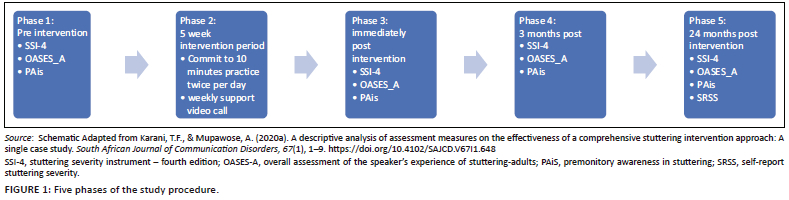
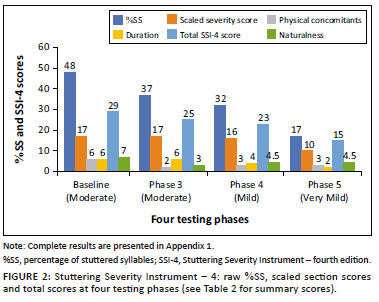
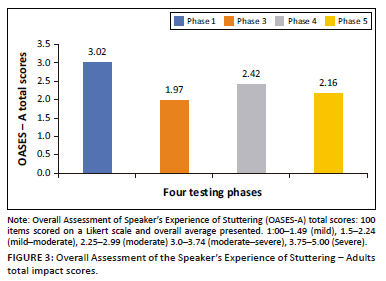
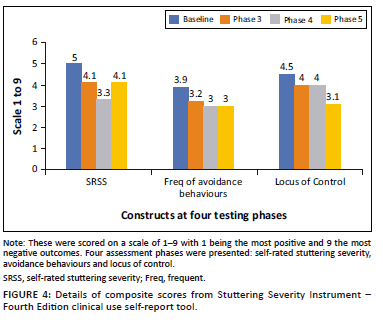
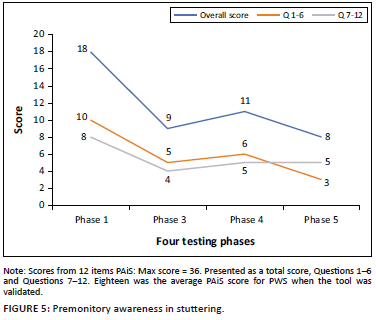
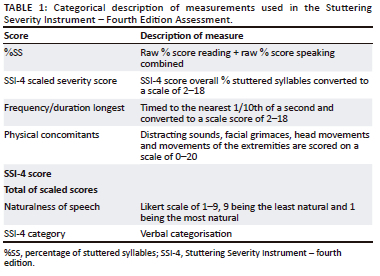
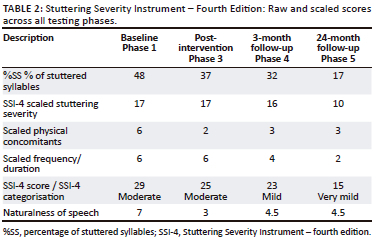
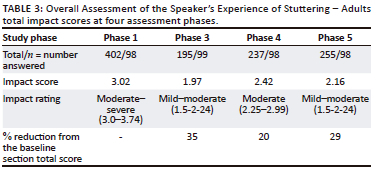
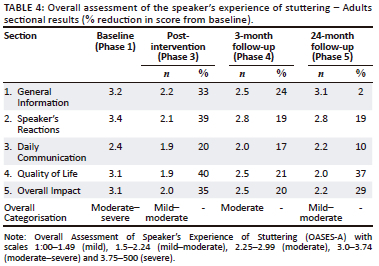
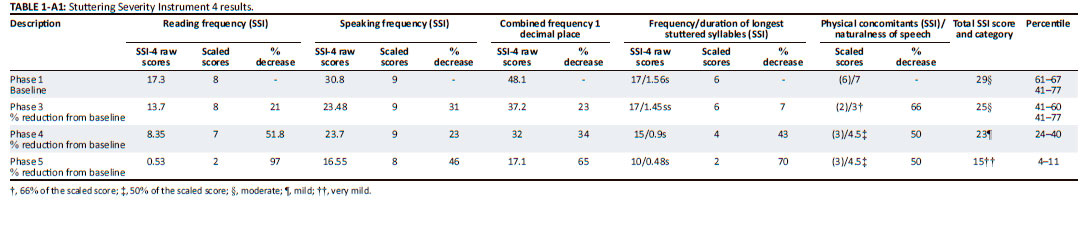
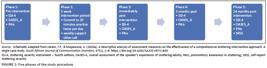
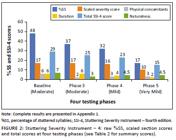
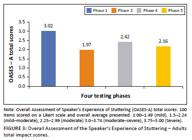
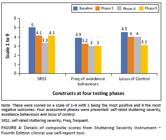
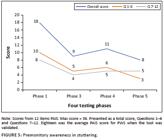
BACKGROUND: Access to services remains the biggest barrier to helping the most vulnerable in the South African Stuttering Community. This novel stuttering therapy, harnessing an unconscious link between eye and tongue movement, may provide a new therapeutic approach, easily communicated and deliverable online OBJECTIVES: This study provides both objective and subjective assessments of the feasibility of this intervention. Assessment tools holistically address all components of stuttering in line with comprehensive treatment approaches: core behaviours, secondary behaviours, anticipation and reactions METHOD: On receipt of ethical approval, this single-subject case design recruited one adult (21-year-old) male with a developmental stutter (DS). The participant gave informed consent and completed four scheduled assessments: baseline, after 5-week training, 3 months post-intervention and 24 months post-completion. The study used objective assessment tools: Stuttering Severity Instrument-4 (SSI-4); Subjective-assessment tools: SSI-4 clinical use self-report tool (CUSR); Overall Assessment of Speaker's Experience of Stuttering (OASES-A); Premonitory Awareness in Stuttering (PAiS) and Self-Report Stuttering Severity* (SRSS) (*final assessment RESULTS: The participant's scores improved across all assessment measures, which may reflect a holistic improvement. The participant reported that the tool was very useful. There were no negative consequences CONCLUSION: This case report indicates that this innovative treatment may be feasible. No adverse effects were experienced, and the treatment only benefited the participant. The results justify the design of a pilot randomised feasibility clinical trial CONTRIBUTION: The results indicate that this is a needed breakthrough in stuttering therapy as the instructions can be easily translated into any language. It can also be delivered remotely reducing accessibility barriers
stuttering; intervention; self-help; telepractice; eye movement; saccades; tongue; anticipation; holistic; accessible; affordable
 Thumbnail
 Thumbnail
 Thumbnail
 Thumbnail
 Thumbnail