A pilot study to determine the feasibility of a cluster randomised controlled trial of an intervention to change peer attitudes towards children who stutter
Abstract
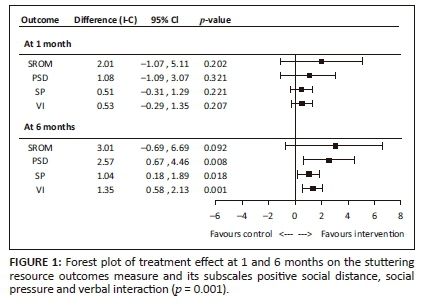
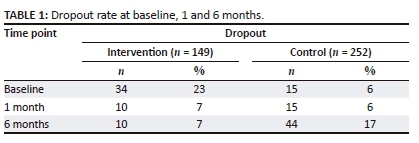
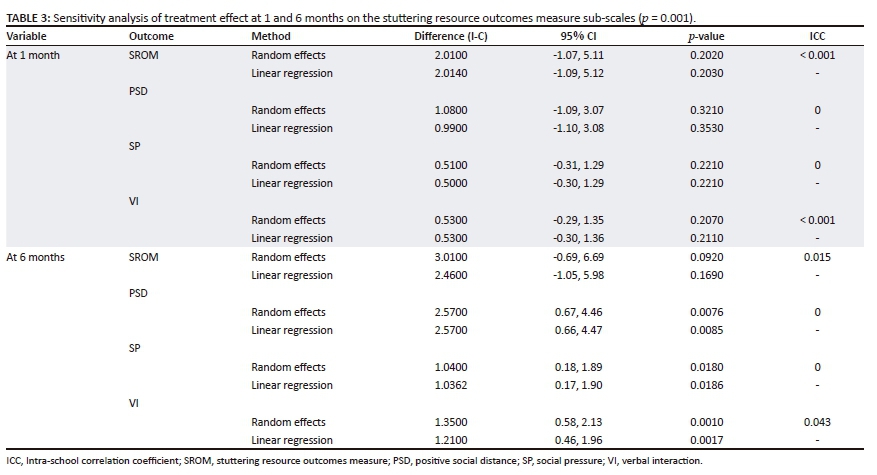
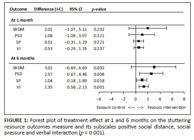
BACKGROUND: While randomised controlled trials (RCTs) are considered the gold standard of research, prior study is needed to determine the feasibility of a future large-scale RCT study OBJECTIVES: This pilot study, therefore, aimed to determine feasibility of an RCT by exploring: (1) procedural issues and (2) treatment effect of the Classroom Communication Resource (CCR), an intervention for changing peer attitudes towards children who stutter METHOD: A pilot cluster stratified RCT design was employed whereby the recruitment took place first at school-level and then at individual level. The dropout rate was reported at baseline, 1 and 6 months post-intervention. For treatment effect, schools were the unit of randomisation and were randomised to receive either the CCR intervention administered by teachers or usual practice, using a 1:1 allocation ratio. The stuttering resource outcomes measure (SROM) measured treatment effect at baseline, 1 and 6 months post-intervention overall and within the constructs (positive social distance, social pressure and verbal interaction RESULTS: For school recruitment, 11 schools were invited to participate and 82% (n = 9) were recruited. Based on the school recruitment, N = 610 participants were eligible for this study while only n = 449 were recruited, where there was n = 183 in the intervention group and n = 266 in the control group. The dropout rate from recruitment to baseline was as follows: intervention, 23% (n = 34), and control, 6% (n = 15). At 1 month a dropout rate of 7% (n = 10) was noted in the intervention and 6% (n = 15) in the control group, whereas at 6 months, dropout rates of 7% (n = 10) and 17% (n = 44) were found in the intervention and control groups, respectively. For treatment effect on the SROM, the estimated mean differences between intervention and control groups were (95% Confidence Interval (CI): -1.07, 5.11) at 1 month and 3.01 (95% CI: -0.69, 6.69) at 6 months. A statistically significant difference was observed at 6 months on the VI subscale of the SROM, with 1.35 (95% CI: 0.58, 2.13 CONCLUSION: A high recruitment rate of schools and participants was observed with a high dropout rate of participants. Significant differences were only noted at 6 months post-intervention within one of the constructs of the SROM. These findings suggest that a future RCT study is warranted and feasible
 Thumbnail