What can speech production errors tell us about cross-linguistic processing in bilingual aphasia? Evidence from four English/Afrikaans bilingual individuals with aphasia
Abstract
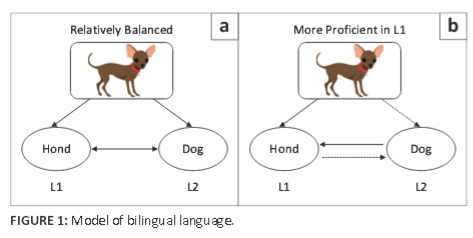
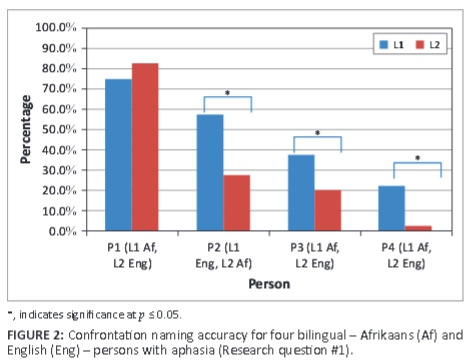
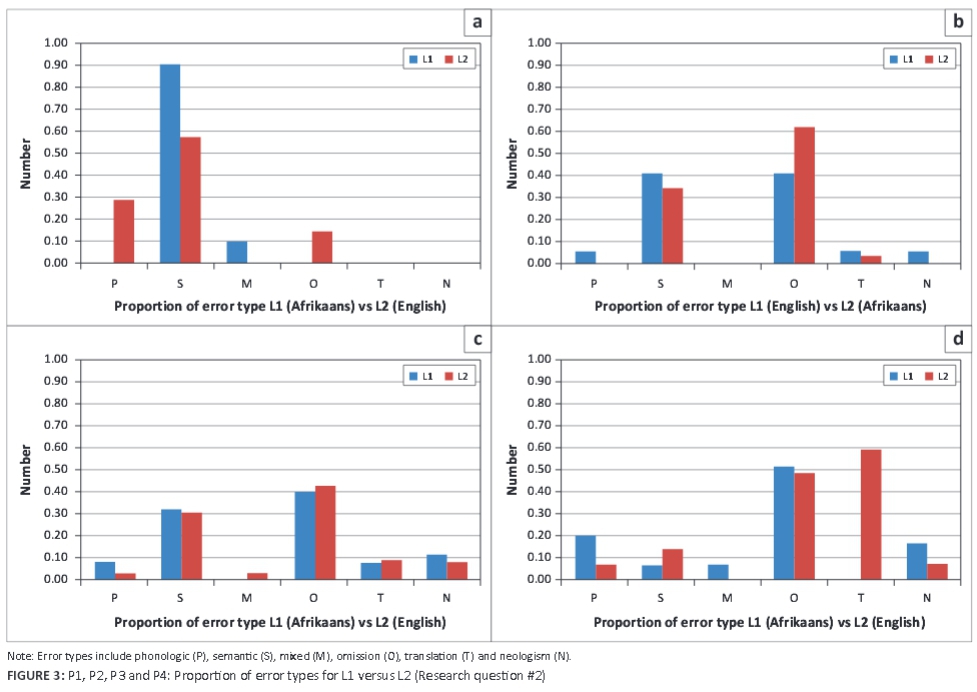
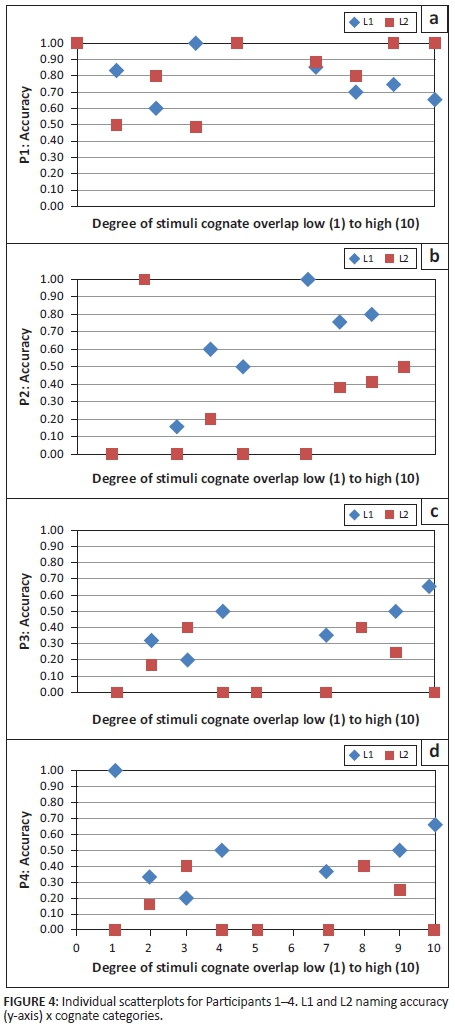
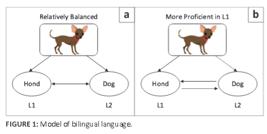
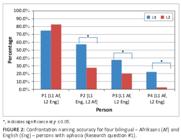
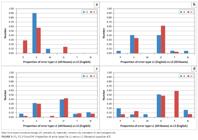
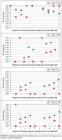
INTRODUCTION: The aim of this study is contribute to clinical practice of bilinguals around the globe, as well as to add to our understanding of bilingual aphasia processing, by analysing confrontation naming data from four Afrikaans/English bilingual individuals with acquired aphasia due to a left hemisphere stroke METHODS: This is a case series analysis of four Afrikaans/English bilingual aphasic individuals following a left cerebrovascular accident. Error analysis of confrontation naming data in both languages was performed. Research questions were directed toward the between language differences in lexical retrieval abilities, types of errors produced and degree of cognate overlap RESULTS: Three of the four participants showed significantly higher naming accuracy in first acquired language (L1) relative to the second acquired language (L2) and the largest proportion of error type for those three participants in both L1 and L2 was omission. One of the four participants (linguistically balanced) showed no between language accuracy difference. Regarding cognate overlap, there was a trend for higher accuracy for higher cognate words (compared to low) DISCUSSION: This study showed that naming performance in these four individuals was reflective of their relative language proficiency and use patterns prior to their stroke. These findings are consistent with the hierarchical model, in normal bilingual speakers and with persons with bilingual aphasia
 Thumbnail
 Thumbnail
 Thumbnail
 Thumbnail