High-dose insulin euglycaemic therapy (HIET): How high is high enough and what are the risks?
Calcium-channel blockers (CCBs) are widely prescribed in South Africa and are frequently implicated in overdose-related morbidity and mortality. We report a case of amlodipine overdose in a teenager. Her management is notable for the exceptionally high dose of insulin used as part of high-dose insulin euglycaemic therapy (HIET), far exceeding standard protocol. Despite the aggressive dosing, no clinically significant hypoglycaemia or hypokalaemia occurred. The patient showed progressive improvement and was discharged from the intensive care unit on day 3, making a full recovery. This case demonstrates that insulin doses significantly exceeding conventional protocols may be safe and effective in resource-limited settings when supported by experienced staff and close monitoring. More research is needed to guide optimal HIET dosing and safe discontinuation protocols.
calcium-channel blocker overdose; overdose; high-dose insulin euglycaemic therapy; hypoglycaemia; hypokalaemia; adverse events; critical care; toxicology; judicious fluid therapy
 Thumbnail
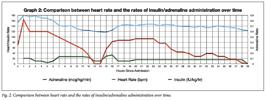 Thumbnail
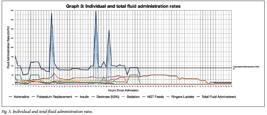 Thumbnail