Facilitators and barriers during shift handover between critical care nurses in a private hospital in Gauteng
BACKGROUND. Shift handover (SHO) is a crucial process during which patient information and care responsibilities are transferred between incoming and outgoing nurses. Effective handover ensures a seamless transition between shifts, maintaining continuity of care and patient safety. Handover can occur verbally, in writing, telephonically or via video calls. In critical care units (CCUs), critically ill patients often require continuous monitoring and complex treatment; therefore, critical care nurses (CCNs) conduct bedside handovers to allow immediate correlation with the patient's clinical condition and records. However, the frequency, complexity and vast data involved in critical care handovers make them high-risk events, and their success can be influenced by various facilitators and barriers. OBJECTIVE. To explore and describe the facilitators and barriers encountered during SHO between CCNs in CCUs. METHODS. An exploratory, descriptive qualitative design was employed to study CCNs who directly cared for critically ill patients and conducted SHO at a private hospital in Gauteng. The researcher collected completed, self-reported interview guides weekly from a sealed box. RESULTS. Four facilitators identified during SHO were effective teamwork, effective communication, detailed patient records and comprehensive handover notes. Six barriers identified during SHO were ineffective communication, a lack of proper handover, incomplete patient records, negative attitudes, unrealistic workload and tardiness. CONCLUSION. The study explored facilitators and barriers that influence handover practices between CNNs during SHO. Recommendations to address the identified barriers may optimise handover practices, improve patient outcomes and staff satisfaction and provide valuable insights for management.
barriers; continuity of care; critical care nurse; critical care unit; facilitators; shift handover; patient safety
Facilitators and barriers during shift handover between critical care nurses in a private hospital in Gauteng
M NaidooI; I Coetzee-PrinslooII; R LeechIII
IDip Crit Care (SA), MNur; Department of Nursing Sciences, Faculty of Health Sciences, University of Pretoria, Tshwane, South Africa
IIDip Crit Care (SA), PhD; Department of Nursing Sciences, Faculty of Health Sciences, University of Pretoria, Tshwane, South Africa
IIIPhD (Nursing Science); Department of Nursing Sciences, Faculty of Health Sciences, University of Pretoria, Tshwane, South Africa
BACKGROUND. Shift handover (SHO) is a crucial process during which patient information and care responsibilities are transferred between incoming and outgoing nurses. Effective handover ensures a seamless transition between shifts, maintaining continuity of care and patient safety. Handover can occur verbally, in writing, telephonically or via video calls. In critical care units (CCUs), critically ill patients often require continuous monitoring and complex treatment; therefore, critical care nurses (CCNs) conduct bedside handovers to allow immediate correlation with the patient's clinical condition and records. However, the frequency, complexity and vast data involved in critical care handovers make them high-risk events, and their success can be influenced by various facilitators and barriers.
OBJECTIVE. To explore and describe the facilitators and barriers encountered during SHO between CCNs in CCUs.
METHODS. An exploratory, descriptive qualitative design was employed to study CCNs who directly cared for critically ill patients and conducted SHO at a private hospital in Gauteng. The researcher collected completed, self-reported interview guides weekly from a sealed box.
RESULTS. Four facilitators identified during SHO were effective teamwork, effective communication, detailed patient records and comprehensive handover notes. Six barriers identified during SHO were ineffective communication, a lack of proper handover, incomplete patient records, negative attitudes, unrealistic workload and tardiness.
CONCLUSION. The study explored facilitators and barriers that influence handover practices between CNNs during SHO. Recommendations to address the identified barriers may optimise handover practices, improve patient outcomes and staff satisfaction and provide valuable insights for management.
Keywords: barriers, continuity of care, critical care nurse, critical care unit, facilitators, shift handover, patient safety
Shift handover (SHO) between nurses is a standard, compulsory process of continuity briefing at the beginning, during and end of shifts, during which care responsibilities are communicated to incoming nurses.[1] A shift change is a vulnerable time that may threaten continuity of care (COC) and therefore requires effective SHO practices to minimise data loss and errors.[2] Structured SHO formats should include details such as patient identification, medical diagnosis, current clinical condition, allergies, medication, other therapies and responses to treatment.[3]
Assignment changes, shift changes and critical care nurse (CCN) movements outside the critical care unit (CCU) during shifts increase handover frequency, thereby risking the integrity of patient information.[4] COC is further threatened in these busy, specialised environments by complex technology, complicated treatment regimens and often multiple carers who continuously monitor patients.[3,4] Greater accuracy is therefore required during CCU shift changes to prevent handover-related adverse events.
CCNs conduct SHO to transfer large volumes of information quickly and accurately, thereby promoting COC, allowing prioritisation of patient needs, detecting and preventing complications, and ultimately enhancing patient safety.[2] The availability of current, relevant information -verified for accuracy and completeness through questioning - enables the receiving nurse to proceed with patient assessment, prioritisation of needs and care planning.[5] Bedside SHO is preferred, as information can be correlated directly with the patient's clinical condition and health records.[1] Effective verbal handover addresses the inevitable information and workflow gaps associated with shift changes.[4,5]
Ineffective SHO may result in adverse events, potentially increasing morbidity and/or mortality.[6,7] Despite its numerous benefits, SHO is often ineffective owing to inaccuracies or missing critical details, leading to costly treatment errors, delays and prolonged hospital stays.[3] Therefore, SHO must be clearly communicated, with complete and relevant data, to ensure COC.[8]
In South Africa (SA), the shortage of trained registered nurses (RNs) has become increasingly apparent in CCUs, further exacerbating shortages of skilled CCNs and contributing to poor-quality handovers.[9] Ghonem and El-Husany[3] attribute inadequate SHO practices to insufficient training and supervision, whereas Liu et al.[10] cite a lack of structure, standardised formats and frameworks, and AlAmrani[2] attributes ineffective SHO to noise, time pressures, insufficient equipment and staff shortages. This article reports on the facilitators and barriers encountered during SHO between CCNs.
Methods
Design
An exploratory, descriptive qualitative design was employed to examine the facilitators and barriers encountered during SHO between CCNs. Participants described practices that facilitated or hindered the handover process.
Setting
The study was conducted in a private hospital with 53 adult critical care beds. CCNs from general medicine, surgery, neurology, neurosurgery, trauma, cardiology, vascular and cardiothoracic surgery across three adult CCUs were invited to participate.
Study participants
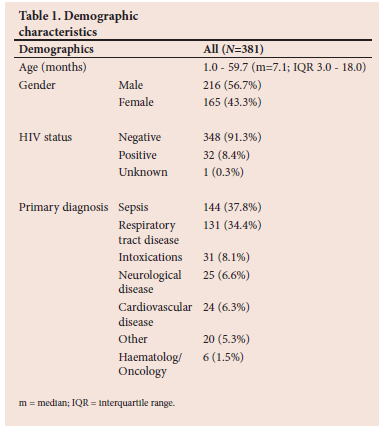
Participation was voluntary. Purposive sampling was used to recruit 22 CCNs with a minimum of six months' experience in directly caring for CCU patients. Table 1 summarises the demographic characteristics of the participants, who were either registered nurses (RNs) or enrolled nurses (ENs). Twenty participants were older than 30 years; ten held critical care qualifications and four held elementary critical care certificates. Experience varied, with 12 participants having 5 - 10 years' experience and five having fewer than two years in CCUs. More than 50% held leadership roles.
Ethical considerations
The Faculty of Health Sciences at the University of Pretoria approved the study (ref. no. 576/2023). The Ethics Committee approved data collection for non-experimental research at the hospital (ref. no. UNIV-2024-0017). Voluntary informed consent was obtained from all participants.
Data collection
Data were collected from 13 June 2024 to 20 July 2024. Study briefings were conducted during staffing and unit meetings. The self-reported interview guide comprised a demographics section and two semi-structured questions (Supplementary File). Completed guides were collected weekly from a sealed box. This approach was practical, quick, cost-effective and easily accessible to CCNs working in time-constrained CCUs. As interviews would have required participants to leave the CCU, the researcher opted to avoid disruptions to patient care, additional handovers, and logistical and technical challenges by implementing self-administered interview guides.
Data analysis
Tesch's eight-step data analysis method was used.[11] The researcher read and reference-coded each questionnaire. All data were read to obtain an overview and then reread for familiarisation. Thoughts and main themes were noted separately. Similar topics were grouped to form themes, which were abbreviated as codes alongside the relevant text.
Descriptive themes were identified and grouped into subthemes, which were then organised under the main themes of facilitators and barriers. Data saturation was achieved after 22 participants. Facilitator and barrier subthemes were finalised in consultation with the co-authors.
Results
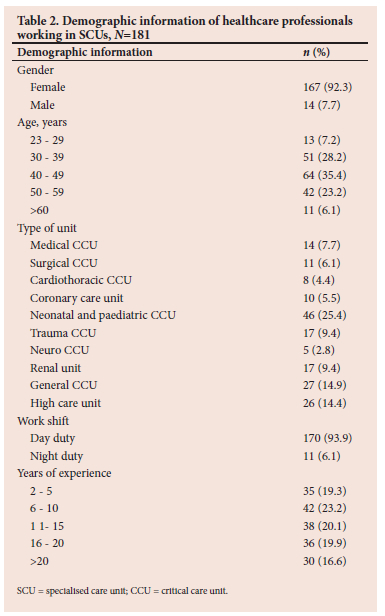
Four facilitators were identified: effective teamwork, effective communication, detailed patient records and comprehensive handover notes. These are described in Table 2, with supporting quotes.
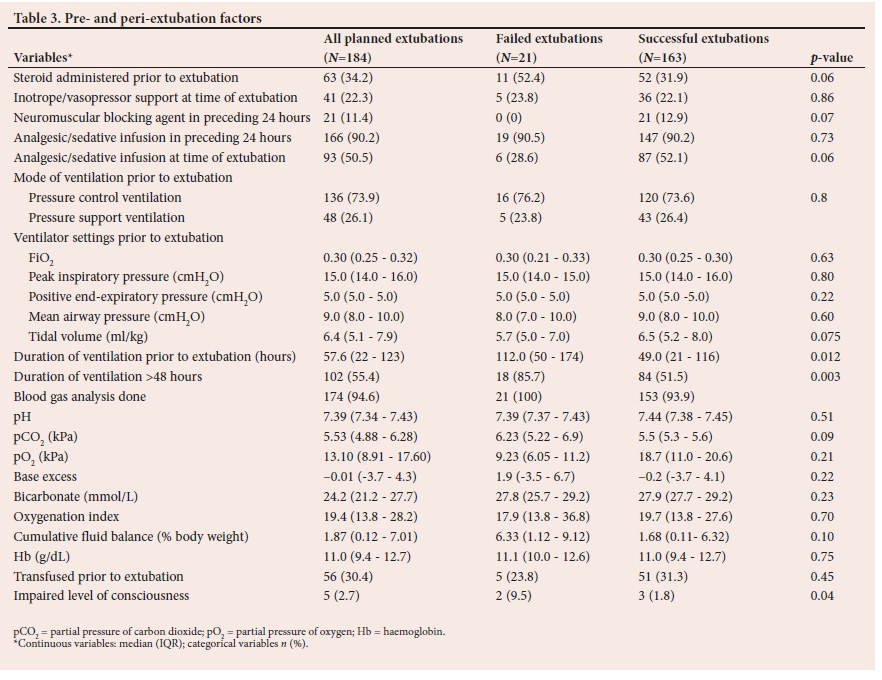
Six barriers were identified: ineffective communication, a lack of proper handover, incomplete patient records, negative attitudes, unrealistic workload and tardiness. These are described in Table 3, with supporting quotes.
Discussion
Facilitators
Effective teamwork
Rapport and collaboration were evident among CCNs, and newcomers felt encouraged by the professionalism and guidance they received, which reduced feelings of inadequacy.[12] Novice CCNs were introduced to unfamiliar modalities of care by senior overseers, who recognised their limitations and provided mentoring essential for their development.[10] Mutual understanding and a shared sense of purpose fosters positive morale in complex, time-pressured environments.[13] A 'safe' environment enhances teamwork among CCNs, thereby improving shift handover practices and quality.
Effective communication
The results showed that effective SHO depends on effective communication.[5,6] Professional, systematic and clear verbal communication requires the use of contextually appropriate language to convey messages accurately.
Expressing information clearly enables the receiver to benefit from the SHO, as the intended purpose is achieved and the communication is understood.[14] Effective communication is further supported by the attentive listening and the asking of clarifying questions by the receiver. Such questioning improves the accuracy of information transfer, positively impacting CCN roles, responsibilities and care plan implementation.[15]
Detailed patient records
Some nurses conveyed a clear clinical picture during SHO, including patient identification, history, allergies, diagnosis and clinical progression, while others omitted details necessary for urgent nursing activities.[2,6] CCNs emphasised the importance of detailed SHO, including clear guidelines and priorities to enable accurate patient care.
Understanding both nursing and physician treatment plans, supported by detailed SHO data, contributes to the provision of safe, person-centred care.[3,5]
Comprehensive handover notes
In the absence of specific methods, guidelines and policies, CCNs are often required to 'figure things out for themselves'. All nursing care activities depend on properly synthesised data for a comprehensive SHO.[4]
Many participants reported the need to clarify information and locate missing details in clinical notes due to inadequate verbal handover. Well-written reports, including accurate and current data relevant to care planning and co-ordination, assisted in identifying information not communicated during verbal SHO.[2] Documenting truthful, factual and accurate information regarding patient care, adverse events and errors assisted CCNs who were unfamiliar with a patient's condition or potential complications.[3]
Barriers
Ineffective communication
CCNs should maintain the receiver's attention, complete verbal handover and answer clarifying questions.[13] Disagreements, misunderstandings, lack of focus and disinterest resulted in incongruent data, leading to delays in treatment while discrepancies were resolved.[7] Participants often felt disrespected when receiving CCNs continued checking patients or records during SHO. Multitasking was therefore poorly received and contributed to tension between CCNs.
A lack of proper handover
The study revealed that inadequate handover of long-stay patients - often due to assumptions that the patient was already known - may have led to impersonal care that was improperly prioritised.[16] Brief, incomplete handovers minimised information transfer, rendering the process ineffective and potentially violating professional obligations.[17] Rushed attempts to fill information gaps may create a cycle of incomplete reporting between successive receivers, thereby increasing patient safety risks.[18] CCNs' attempts to verify care were time-consuming, undermining the purpose of SHO.[17]
Incomplete patient records
Documentation should complement verbal SHO. However, failure to maintain accurate and complete records increased the risk of duplicated treatment and delayed care, as there were limited means of verifying data efficiently.[5,17]
Incomplete reports therefore disrupt workflow processes and complicate the prioritisation of patient needs and clinical decision-making.
Negative attitudes
Effective SHO requires openness, respect and an amicable attitude.[14] Although SHO entails two-way communication, some CCNs reported discomfort when questioned about omitted care or unreported problems. This elicited terse responses, reduced communication and reluctance among receiving nurses to ask clarifying questions. According to Dietl et al.,[13] a 'safe' space is essential for effective communication.
Participants also reported negative attitudes related to ethnicity and language barriers.[8] Abou Hashish et al.[14] discourages the use of vernacular in professional communication. As not all CCNs are fluent in SA's 11 official languages, the use of a shared institutional language understood by all parties is recommended.
Unrealistic workload
Mamalelala et al.[9] noted a growing shortage of trained professionals in SA, contributing to unrealistic workloads. Owing to staff shortages, post-operative admissions and urgent procedures, CCNs often prioritised patient care and emergencies over SHO.
Etemadifar et al.[19] highlighted the unpredictable nature of the CCU, which may result in planned SHO being omitted. This study found that reduced SHO time was common, with CCNs often managing multiple acutely ill patients. Abou Hashish et al.[14] similarly reported that shortened handovers had become routine due to fatigue, increased workload and high pressure to complete care and documentation.
CCNs arriving early often oversaw more patients than anticipated. These time-constrained conditions contributed to incomplete or omitted SHO.
Tardiness
Late arrivals and early departures contributed to delayed and incomplete handovers in this study. Late-arriving CCNs could not be assigned patients promptly, necessitating reassignments. Limited overlap between day and night shifts, combined with late arrivals, sometimes resulted in SHO omission, particularly when incoming nurses felt guilty for delaying the departure of outgoing nurses.[18] Consequently, critical background information, priority tasks and care co-ordination details were not always communicated.[20]
Conclusion
SHO is a high-value, skilled task performed by CCNs to bridge the information and workflow gaps associated with shift changes, prevent adverse events and ensure accurate patient care. The findings highlight that inconsistent SHO practices contribute to confusion among CCNs and increase patient safety risks. Communication and patient record-keeping were identified as both facilitators and barriers. Novice CCNs expressed the need for a 'safe' environment to promote effective teamwork and communication. Enhanced supervision, training, coaching and mentoring during dedicated handover periods may improve SHO compliance and quality.
Effective SHO requires complete patient records to facilitate planned, interactive communication between CCNs, supported by detailed handover notes that enable informed decision-making and eliminate errors or omissions. Nurse managers, educators and CCNs should consider these findings when developing and implementing policies and procedures to address barriers and strengthen facilitators encountered during SHO.
Limitations
The study was conducted in a single private hospital in Gauteng, which may limit the generalisability of the findings.
Data availability statement. Anonymised data are stored at the University of Pretoria repository.
Author contributions. MN designed the study, collected and analysed the data and compiled and wrote the report. ICP and RL reviewed the study design, co-coded the data and reviewed the manuscript.
Acknowledgements. The researchers wish to acknowledge the editor, participants, and management for their support.
Declaration. The author used Grammarly to edit the text before submission.
Funding. None.
Conflicts of interest. None.
References
-
1. Clari M, Conti A, Chiarini D, Martin B, Dimonte V, Campagna S. Barriers to and facilitators of bedside nursing handover: A systematic review and meta-synthesis. J Nurs Care Qual 2021;36(4):e51-e58. https://doi.org/10.1097/ncq.0000000000000564
» https://doi.org/10.1097/ncq.0000000000000564 -
2. AlAmrani AO. Effective nursing shift handover in critical care: A concept analysis. Nurs Forum 2022;57(6):1501-1507. https://doi.org/10.1111/nuf.12804
» https://doi.org/10.1111/nuf.12804 -
3. Ghonem NMES, El-Husany WA. SBAR shift report training program and its effect on nurses' knowledge and practice and their perception of shift handoff communication. SAGE Open Nurs 2023;9:23779608231159340. https://doi.org/10.1177/23779608231159340
» https://doi.org/10.1177/23779608231159340 -
4. Mahran GSK, Mekkawy MM, Ibrahim BA, et al. Designing and validating an evidence-based, shift-to-shift handover bundle for nurses and physicians. Crit Care Nurs Q 2024;47(1):41-50. https://doi.org/10.1097/CNQ.0000000000000490
» https://doi.org/10.1097/CNQ.0000000000000490 -
5. Chien LJ, Slade D, Dahm MR, et al. Improving patient-centred care through a tailored intervention addressing nursing clinical handover communication in its organizational and cultural context. J Adv Nurs 2022;78(5):1413-1430. https://doi.org/10.1111/jan.15110
» https://doi.org/10.1111/jan.15110 -
6. Sayed GAG, Mostafa GMA, Helal WESH Assessment ofnursing shift-to-shift handover in intensive care unit. Helwan Int J Nurs Res Pract 2022;1(1):27-41. https://doi.org/10.21608/hijnrp.2022.133693.1009
» https://doi.org/10.21608/hijnrp.2022.133693.1009 -
7. Mulfiyanti D, Satriana A. The correlation between the use of the SBAR effective communication method and the handover implementation of nurses on patient safety. Int J Public Health Excell 2022;2(1):376-380. https://doi.org/10.55299/ijphe.v2i1.275
» https://doi.org/10.55299/ijphe.v2i1.275 -
8. Pun J. Nurses' perceptions of the ISBAR handover protocol and its relationship to the quality of handover: A case study of bilingual nurses. Front Psychol 2023;14:141-148. https://doi.org/10.3389/fpsyg.2023.1021110
» https://doi.org/10.3389/fpsyg.2023.1021110 -
9. Mamalelala TT, Schmollgruber S, Botes M, Holzemer W Effectiveness of handover practices between emergency department and intensive care unit nurses. Afr J Emerg Med 2023;13(2):72-77. https://doi.org/10.1016/j.aflem.2023.03.001
» https://doi.org/10.1016/j.aflem.2023.03.001 -
10. Liu X, Ma M, Qu C, Liu C, Yin Y. Practical progress of SBAR communication model-related teaching in clinical teaching. J Clin Nurs 2023;7(1):7-14. https://doi.org/10.26689/jcnr.v7i1.4688
» https://doi.org/10.26689/jcnr.v7i1.4688 - 11. Creswell JW, Creswell JD. Research design: Qualitative, Quantitative and Mixed Methods Approaches. 6th ed. Thousand Oaks: Sage, 2023.
-
12. Seo YH, Jang K, Ahn JW Effects of handover education using the outcome-present state test (OPT) model and SBAR protocol in nursing students: A quasi-experimental design. Iran J Public Health 2022;52(6):1140-1149. https://doi.org/10.18502/ijph.v52i6.12956
» https://doi.org/10.18502/ijph.v52i6.12956 -
13. Dietl JE, Derksen C, Keller FM, Schmiedhofer M, Lippke S. Psychosocial processes in healthcare workers: How individuals' perceptions of interpersonal communication is related to patient safety threats and higher-quality care. Int J Environ Res Public Health 2023;20(9):5698. https://doi.org/10.3390/ijerph20095698
» https://doi.org/10.3390/ijerph20095698 -
14. Abou Hashish EA, Asiri AA, Alnajjar YK. Shift handover quality in Saudi critical care units: Determinants from nurses' perspectives. BMC Nurs 2023;22(1):186. https://doi.org/10.1186/s12912-023-01348-z
» https://doi.org/10.1186/s12912-023-01348-z -
15. Paredes-Garza F, Lázaro E, Vázquez N. Nursing bedside handover in an intensive care unit with a mixed structure: Nursing professionals' perception. J Nurs Manag 2022;30(8):4314-4321. https://doi.org/10.1111/jonm.13834
» https://doi.org/10.1111/jonm.13834 -
16. Vanderzwan KJ, Kilroy S, Daniels A, O'Rourke J. Nurse-to-nurse handoff with distractors and interruptions: An integrative review. Nurse Educ Pract 2023;67:103550. https://doi.org/10.1016/j.nepr.2023.103550
» https://doi.org/10.1016/j.nepr.2023.103550 -
17. Schiavi A, Mershon BH, Gottschalk A, Miller RC. Measurement of information transfer during simulated sequential complete shift-to-shift intraoperative handoffs. Mayo Clin Proc Innov Qual Outcomes 2022;7(1):9-19. https://doi.org/10.1016/j.mayocpiqo.2022.11.001
» https://doi.org/10.1016/j.mayocpiqo.2022.11.001 -
18. Atinga RA, Gmaligan MN, Ayawine A, Yambah JK. 'It's the patient that suffers from poor communication': Analysing communication gaps and associated consequences in handover events from nurses' experiences. SSM Qual Res Health 2024;6(2):100482. https://doi.org/10.1016/j.ssmqr.2024.100482
» https://doi.org/10.1016/j.ssmqr.2024.100482 -
19. Etemadifar S, Sedighi Z, Sedehi M, Masoudi R. The effect of situation, background, assessment, recommendation-based safety program on patient safety culture in intensive care unit nurses. J Educ Health Promot 2021;30:10422. https://doi.org/10.4103/jehp.jehp_1273_20
» https://doi.org/10.4103/jehp.jehp_1273_20 -
20. da Silva dos Santos GR, de Mello Barros F, da Silva RC. Handover communication in intensive therapy: Nursing team meanings and practices. Rev Gaúcha Enferm 2020;41:e20180436. https://doi.org/10.1590/1983-1447.2020.20180436
» https://doi.org/10.1590/1983-1447.2020.20180436

Accepted 9 February 2026
Contribution of study
This study contributes to the growing body of knowledge on nursing shift handover by systematically identifying the facilitators and barriers encountered by critical care nurses in a private hospital setting in Gauteng, South Africa. The research provides practical recommendations for improving handover practices and outcomes to optimise continuity of care and patient safety. The findings highlight the need for structured handover protocols, enhanced training and supportive work environments, particularly in resource-constrained and diverse healthcare settings. Furthermore, the study addresses a gap in the literature by focusing on the South African context and offering valuable guidance to nurse managers, educators, critical care nurses and policy-makers through detailed insights into the factors that promote or hinder effective handover.