Predictive value of admission SOFA scores for ICU mortality: A single-centre study from a South African tertiary hospital
BACKGROUND. The Sequential Organ Failure Assessment (SOFA) score was initially developed as a tool to quantify the degree of organ dysfunction in patients with sepsis. It is now a commonly used severity-of-illness score across a variety of settings. Although the SOFA score is versatile and simple, it has not been well evaluated in South African (SA) critical care populations. OBJECTIVE. To determine whether an association exists between admission SOFA score and patient outcomes in a heterogeneous population of critically ill patients in a tertiary intensive care unit (ICU) in SA. METHODS. This study was a single-centre, retrospective, observational study conducted at a level 3 ICU in Durban, SA. Data required to calculate SOFA scores were obtained from patient charts. The primary outcome of interest was ICU mortality. RESULTS. Complete data for SOFA score calculation were collected from 279 patient charts. Of the total cohort, 90 patients (32.3%) died, and 189 (67.7%) survived. The median SOFA scores of survivors and non-survivors were 7 and 10, respectively (p<0.001). Receiver operating characteristic curve analysis demonstrated an area under the curve of 0.739 (95% confidence interval (CI) 0.677 - 0.800; p<0.001) for SOFA score prediction and ICU mortality. CONCLUSION. The SOFA score is a simple severity-of-illness tool derived from clinical variables routinely available on ICU admission. In this study, admission SOFA score was independently associated with ICU mortality in a multidisciplinary SA ICU and demonstrated fair discriminative ability for predicting ICU mortality.
SOFA score; intensive care unit; critical care; South Africa; ICU mortality
Predictive value of admission SOFA scores for ICU mortality: A single-centre study from a South African tertiary hospital
D NaidooI; K de VasconcellosII, III
IMB ChB; Inkosi Albert Luthuli Central Hospital, Department of Anaesthesiology and Critical Care, KwaZulu-Natal, Durban, South Africa
IIFCA (SA), Cert Crit Care (SA); Victoria Mxenge Hospital, Department of Intensive Care, KwaZulu-Natal, Durban, South Africa
IIIFCA (SA), Cert Crit Care (SA); Discipline of Anaesthesiology and Critical Care, School of Clinical Medicine, College of Health Sciences, University of KwaZulu-Natal, Durban, South Africa
BACKGROUND. The Sequential Organ Failure Assessment (SOFA) score was initially developed as a tool to quantify the degree of organ dysfunction in patients with sepsis. It is now a commonly used severity-of-illness score across a variety of settings. Although the SOFA score is versatile and simple, it has not been well evaluated in South African (SA) critical care populations.
OBJECTIVE. To determine whether an association exists between admission SOFA score and patient outcomes in a heterogeneous population of critically ill patients in a tertiary intensive care unit (ICU) in SA.
METHODS. This study was a single-centre, retrospective, observational study conducted at a level 3 ICU in Durban, SA. Data required to calculate SOFA scores were obtained from patient charts. The primary outcome of interest was ICU mortality.
RESULTS. Complete data for SOFA score calculation were collected from 279 patient charts. Of the total cohort, 90 patients (32.3%) died, and 189 (67.7%) survived. The median SOFA scores of survivors and non-survivors were 7 and 10, respectively (p<0.001). Receiver operating characteristic curve analysis demonstrated an area under the curve of 0.739 (95% confidence interval (CI) 0.677 - 0.800; p<0.001) for SOFA score prediction and ICU mortality.
CONCLUSION. The SOFA score is a simple severity-of-illness tool derived from clinical variables routinely available on ICU admission. In this study, admission SOFA score was independently associated with ICU mortality in a multidisciplinary SA ICU and demonstrated fair discriminative ability for predicting ICU mortality.
Keywords: SOFA score; intensive care unit; critical care; South Africa; ICU mortality
Intensive care unit (ICU) costs may amount to up to three times those of general ward patients;[1] therefore, the ability to identify critically ill patients and provide appropriate levels of care to the correct patients is paramount in the South African (SA) healthcare system. Illness severity scores may help identify patients most likely to benefit from critical care.[2] They are also important research and quality assurance tools. The Sequential Organ Failure Assessment (SOFA) score,[3] developed in 1994, is one such scoring system that evaluates the function of six important organ systems. Other commonly used scoring systems include the Acute Physiology and Chronic Health Evaluation (APACHE II) score and the Simplified Acute Physiology Score (SAPS). The SOFA score was initially designed to describe the degree of organ dysfunction in patients with sepsis, but has subsequently been studied and utilised in a variety of contexts. Most current evidence derives from studies conducted in high-income countries, including the initial validation studies,[3,4] as well as subsequent studies among specific patient groups.[5-8] Although the SOFA score was initially intended for sequential use, a single SOFA score also has predictive value. In a study of 303 patients with cardiovascular disorders admitted to a medical ICU. The SOFA score was shown to be independently associated with outcome, with non-survivors having a higher day 1 SOFA score (p<0.001).[9] Furthermore, in a prospective study of patients presenting to an emergency department with sepsis and hypoperfusion, the admission SOFA score had a receiver operating characteristic (ROC) curve area under the curve (AUC) of 0.75 for predicting in-hospital mortality.[10] These studies demonstrate the potential use of the SOFA score in the evaluation of critically ill patients.
Despite the importance of rational, evidence-based use of limited healthcare resources in SA, few studies have evaluated the use of severity-of-illness scoring systems in the SA context. Studies have evaluated serial SOFA scores,[11,12] the q-SOFA score,[13] the APACHE II score[14] and the SAPS III score,[15] but, to the authors' knowledge, no studies have evaluated admission SOFA scores in the SA ICU context. As the SOFA score is calculated using data routinely available for most ICU patients, further investigation in this setting was warranted.
The objective of this study was to determine whether an association exists between admission SOFA score and ICU outcome in a heterogeneous population of critically ill patients in a tertiary ICU in SA, and to evaluate the nature of this association.
Methods
This was a retrospective, observational study of patients admitted to a tertiary ICU in Durban, KwaZulu-Natal (KZN). The study ICU was a 12-bed, level 3 multidisciplinary adult ICU serving a population of 12.4 million people.[16]
Approval for the study was obtained from the University of KwaZulu-Natal Biomedical Research Ethics Committee (ref. no. BE318/19), Victoria Mxenge Hospital and the Health Research Committee of the KZN Department of Health.
Data collection involved review of all available patient charts for patients admitted to the ICU between 1 October 2019 and 30 June 2020.
All adult patients admitted to the ICU were eligible for inclusion. Exclusion criteria included patients aged <18 years and those with insufficient data from the first 24 hours after admission to calculate a SOFA score. Data were collected retrospectively from patient files stored in the ICU. Data collection proceeded sequentially in reverse chronological order from 30 June 2020 to 1 October 2019. Patients files were reviewed in one-month batches, and all patients admitted during each month were eligible for inclusion.
Data were extracted from patient files into an Excel spreadsheet (Microsoft, USA). Variables collected included demographic, clinical, biochemical and outcome data. Blood gas data were obtained from the GEM Premier 3000 analyser (Werfen, Spain), the point-of-care analyser used in the ICU.
The SOFA score evaluates the function of six major organ systems: respiratory, cardiovascular, renal, hepatic, central nervous system and circulation. (Table 1).
Individual SOFA scores were calculated for each of the six SOFA components, and the total SOFA score was derived as the sum of these component scores. The biochemical data used for SOFA score calculation were obtained from blood samples collected on ICU admission. As patients were expected to have received some form of sedation to facilitate safe transport or transfer to the ICU, the SOFA Glasgow Coma Scale (GCS) component was based on the best assumed unsedated GCS score, unless a pre-sedation GCS score had been documented, in which case that value was used for score calculation.
Using a baseline mortality rate of 35% (based on historical data from the study ICU), with a power of 80% and an alpha level of 0.05, a minimum sample size of 183 was calculated to demonstrate a 10% difference in mortality using a dichotomised SOFA score. Approximately 25% of admissions to the study ICU were anticipated to be trauma patients. To permit analysis with trauma patients both included and excluded, data for an additional 46 patients were targeted. The final minimum sample size was therefore determined to be 230 patients. Owing to en bloc data file storage and the data collection process, and to ensure that the minimum sample size was maintained after exclusions, data were collected for 283 patients. Four patients were subsequently excluded owing to incomplete data, yielding a final sample size of 279 patients.
Statistical analysis was performed using IBM SPSS Statistics for Windows, version 29.0 (IBM Corp., USA). Categorical variables were summarised as numbers and percentages and compared using the χ2p<0.05.
The primary independent variable was the admission SOFA score. The SOFA score was evaluated as a continuous variable, and ROC curves and the Youden Index were used to determine the optimal cut-off value. Prespecified SOFA categories were also evaluated and included scores >6, >8, >10 and >12. Prespecified subgroups included the primary diagnostic categories of infection, trauma and non-communicable disease.
Results
Baseline descriptive and demographic data are presented in Table 2. A total of 90 patients died in the ICU, resulting in an ICU mortality rate of 32.3%. The median (IQR) ICU length of stay was 5 (3 - 7) days.
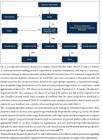
The distribution of SOFA scores within the cohort is shown in Fig. 1.
SOFA data and their association with ICU mortality are presented in Table 3. ICU mortality rates according to different SOFA cut-off values are shown in the far-right column for ease of reference.
The median (IQR) admission SOFA score was significantly higher among non-survivors than survivors, at 10 (8 - 12) and 7 (4 - 9), respectively (p<0.001) (Table 3).
Fig. 2A shows the ROC curve for the SOFA score and ICU mortality for the entire cohort. The SOFA score demonstrated fair discriminative ability, with an AUC of 0.739 (95% confidence interval (CI) 0.677 -0.800; p<0.001). According to the Youden Index, the optimal cut-off value was a SOFA score of 8. At this cut-off, sensitivity was 64.4% (95% CI 53.7 - 74.3), specificity was 74.1% (95% CI 67.2 - 80.2), positive predictive value was 54.2% (95% CI 47.1 - 61.2) and negative predictive value was 81.4% (95% CI 65.3 - 76.2).
ROC curves for SOFA score and ICU mortality according to the primary diagnostic categories are shown in Figs 2B - 2D. Performance data for the three subgroups were as follows: infection, AUC of 0.631 (95% CI 0.529 - 0.732; p=0.011); non-communicable disease, AUC of 0.800 (95% CI 0.709 - 0.890; p<0.001); and trauma, AUC of 0.891 (95% CI 0.783 - 0.998; p<0.001). Pairwise comparison of AUCs demonstrated significant differences between infection and trauma (AUC difference -0.260; 95% CI -0.408 - -0.112; p=0.001) and between infection and non-communicable disease (AUC difference -0.169; 95% CI -0.305 -0.033; p=0.015), but no significant difference between trauma and non-communicable disease (AUC difference 0.091, 95% CI -0.50 -0.232; p=0.205).
Discussion
The study cohort was relatively young, with a median age of 41 years. There was a high burden of infection (42.3% of patients), and a smaller but still sizeable proportion of trauma patients (15.1%). HIV prevalence was high (22.6% positive), although HIV status was unknown in 56.3% of patients. There was a low prevalence of other common comorbidities within the study population. This demographic and disease profile differs from that reported in most studies from high-income countries, where ICU populations tend to be older and have a higher burden of non-communicable disease.[4-6]
To the authors' knowledge, this is the first study specifically evaluating the performance of admission SOFA scores in a mixed ICU population in the SA setting, although other severity-of-illness scoring systems have previously been investigated.[13-15] The main study objective was to determine whether an association exists between admission SOFA score and ICU mortality. The findings demonstrated a significant association between higher admission SOFA scores and ICU mortality, with median admission SOFA scores being higher among non-survivors than survivors (10 points v. 7 points; p<0.001). These findings are consistent with those of other studies.[4-10]
One of the first large prospective studies evaluating the predictive performance of SOFA scores in ICU patients was conducted by Moreno et al.[4] This multicentre study included 1 449 patients and found that the mean maximum SOFA score was significantly higher among non-survivors (13.6 points v. 6.7 points; p<0.001). ROC curve results were also similar to those of the present study (AUC 0.772 v. 0.739, respectively).
When the data were stratified according to the three primary diagnostic categories in the study (infection, non-communicable disease and trauma), the SOFA score performed better in patients with non-communicable disease than in those with infection. This was unexpected, as the SOFA score was initially designed to objectively describe the degree of organ dysfunction in patients with sepsis.[3] One possible explanation is a type 1 error resulting from the relatively small sample size of the study. Another potential explanation is that, as demonstrated by Voysilius et al.,[7] the prognostic performance of SOFA scores in sepsis may improve over time. Their prospective study enrolled 117 patients with severe sepsis and recorded SOFA scores daily. Scores from day 1 and day 3 were used to assess prognosis. Day 3 SOFA scores demonstrated better predictive performance than day 1 scores (AUC 0.86 v. 0.68, respectively). This may suggest that, in the context of sepsis, SOFA scores are more predictive of outcome following ICU admission and initiation of critical care therapy. Alternatively, sepsis may follow a less predictable course, with the potential for early and rapid deterioration in patients with initially low SOFA scores.
In the non-communicable disease subgroup, admission SOFA score demonstrated fair discriminative ability for predicting ICU mortality (AUC 0.800; p<0.001). This finding is consistent with studies conducted in cardiac surgical patients,[5] critically ill burn patients[6] and patients with acute renal failure.[8]
The SOFA score has demonstrated limited reliability in trauma patients in previous studies; however, in the present study, admission SOFA score performed best in trauma patients (AUC 0.891; p<0.001). This performance was significantly better than that observed in patients with infection, but was not statistically significant when compared with patients with non-communicable disease. As only 42 trauma patients were enrolled in this study, this finding may reflect a type 1 error; nonetheless, some published data support this observation. Antonelli et al.[17] investigated the performance of the SOFA score in trauma patients in a multicentre trial examining the evolution of organ dysfunction over time in ICU trauma patients. Among the 181 enrolled patients, non-survivors had higher admission SOFA scores than survivors (8 points v. 4 points; p<0.05). Given previous concerns regarding the ability of standard trauma sc0.8 g systems to predict outcomes in the SA context,[18] further studies comparing the performance of SOFA with established trauma scoring systems in critically ill trauma patients may be warranted.
Based on the findings of this study, admission SOFA score de monstrated fair performance in the SA context. Given its simplicity and reliance on data routinely available in most critically ill patients, it may assist clinicians with risk stratification, communication of illness severity and risk among clinicians, patients and surrogate decision-makers, and the conduct of research and quality improvement program 0.2 These findings may also provide a useful baseline for future comparisons with the recently released SOFA-2 score.[19]
Study limitations
This study was a retrospective chart review and was therefore dependent on the quality and completeness of data contained in patient records. As a single-centre study, its external validity may be limited. However, the study ICU is a large provincial referral centre and is likely representative of critical care in similar SA healthcare settings. Although the study sample size was statistically adequate, it was relatively small and was not specifically powered for subgroup analysis. This may have contributed to false-positive and false-negative results, and subgroup analyses should therefore be treated as exploratory.
Although the study period overlapped with the COVID-19 pandemic in 2020, the study ICU was not designated as a COVID ICU, making direct pathophysiological effects on the study findings unlikely. However, COVID-19-related restrictions in place at the time may have altered patient and disease factors, potentially introducing bias. The use of ICU mortality as the primary outcome represents another limitation, as patients may have been discharged to the ward and subsequently died outside the ICU setting. This may have resulted in an underestimation of mortality rates compared with other commonly used outcomes, such as hospital mortality and 30-day mortality. Longer-term outcomes were, however, unavailable for this study.
The SOFA score differs from other scoring systems such as APACHE II and SAPS 3 in that it was not designed to generate predicted mortality estimates. Consequently, calibration could not be assessed and a standardised mortality ratio could not be determined.
Conclusion
The SOFA score is a simple severity-of-illness tool derived from clinical variables routinely available at ICU admission. In this study of a multidisciplinary SA ICU, admission SOFA score was independently associated with ICU mortality and demonstrated fair discriminative ability for predicting ICU mortality. These findings support the potential role of the SOFA score in benchmarking, audit and administrative applications within the SA critical care setting. Exploratory subgroup analyses further indicate that additional research in larger, multicentre SA cohorts is warranted to better define patient subgroups in which the SOFA score may demonstrate stronger or weaker discriminative performance.
Data availability statement. The data used in this study are available from the authors upon reasonable request.
Declaration. None.
Acknowledgements. None.
Author contributions. Both authors meet the Southern African Journal of Critical Care (SAJCC) criteria for authorship. Both contributed to the conception, design, analysis and interpretation of the data, drafted and critically revised the manuscript, approved the final version for publication, and agree to be accountable for all aspects of the work.
Funding. None.
Conflicts of interest. None.
Data availability. The data set supporting the findings of this study is available from the corresponding author on reasonable request, with gatekeeper and ethics committee approval.
References
-
1. Cooper LM, Linde-Zwirble WT. Medicare intensive care unit use: Analysis of incidence, cost, and payment. Crit Care Med 2004;32(11):2247-2253. https://doi.org/10.1097/01.ccm.0000146301.47334.bd
» https://doi.org/10.1097/01.ccm.0000146301.47334.bd -
2. Vincent JL, Moreno R. Clinical review: Scoring systems in the critically ill. Crit Care 2010;14(2):207. https://doi.org/10.1186/cc8204
» https://doi.org/10.1186/cc8204 -
3. Vincent JL, Moreno R, Takala J, et al. The SOFA (Sepsis-related Organ Failure Assessment) score to describe organ dysfunction/failure. Intensive Care Med 1996;22(7):707-710. https://doi.org/10.1007/bf01709751
» https://doi.org/10.1007/bf01709751 -
4. Moreno R, Vincent JL, Matos R, et al. The use of maximum SOFA score to quantify organ dysfunction/failure in intensive care. Results of a prospective, multicentre study. Intensive Care Med 1999;25(7):686-696. https://doi.org/10.1007/s001340050931
» https://doi.org/10.1007/s001340050931 -
5. Ceriani R, Mazzoni M, Bortone F, et al. Application of the Sequential Organ Failure Assessment score to cardiac surgical patients. Chest 2003;123(4):1229-1239. https://doi.org/10.1378/chest.123.4.1229
» https://doi.org/10.1378/chest.123.4.1229 -
6. Lorente JA, Vallejo A, Galeiras R, et al. Organ dysfunction as estimated by the Sequential Organ Failure Assessment score is related to outcome in critically ill burn patients. Shock 2009;31(2):125-131. https://doi.org/10.1097/shk.0b013e31817fc3ef
» https://doi.org/10.1097/shk.0b013e31817fc3ef - 7. Vosylius S, Sipylaite J, Ivaskevicius J. Sequential Organ Failure Assessment score as the determinant of outcome for patients with severe sepsis. Croat Méd J 2004;45(6):715-720.
-
8. de Mendonça A, Vincent JL, Suter PM, et al. Acute renal failure in the ICU: Risk factors and outcome evaluated by the SOFA score. Intensive Care Med 2000;26(7):915-921. https://doi.org/10.1007/s001340051281
» https://doi.org/10.1007/s001340051281 -
9. Janssens U, Graf C, Graf J, et al. Evaluation of the SOFA score: A single-center experience of a medical intensive care unit in 303 consecutive patients with predominantly cardiovascular disorders. Intensive Care Med 2000;26(8):1037-1045. https://doi.org/10.1007/s001340051316
» https://doi.org/10.1007/s001340051316 -
10. Jones AE, Trzeciak S, Kline JA. The Sequential Organ Failure Assessment score for predicting outcome in patients with severe sepsis and evidence of hypoperfusion at the time of emergency department presentation. Crit Care Med 2009;37(5):1649-1654. https://doi.org/10.1097/ccm.0b013e31819def97
» https://doi.org/10.1097/ccm.0b013e31819def97 -
11. Rees C, Xiao M, Wild J, et al. Sequential Organ Failure Assessment (SOFA) scores during the first seven days of hospitalization predicts 30-day mortality amongst a multi-center cohort of trauma patients in the Western Cape of South Africa. Am J Respir Crit Care Med 2025;211(Suppl 1):S3773. https://doi.org/10.1164/ajrccm.2025.211.abstracts.a3773
» https://doi.org/10.1164/ajrccm.2025.211.abstracts.a3773 -
12. Freercks R, Gigi N, Aylward R, Pazi S, Ensor J, van der Merwe E. Scope and mortality of adult medical ICU patients in an Eastern Cape tertiary hospital. South Afr J Crit Care 2022;38(3):102-110. https://doi.org/10.7196/sajcc.2022.v38i3.546
» https://doi.org/10.7196/sajcc.2022.v38i3.546 -
13. Savarimuthu SM, Cairns C, Allorto NL, et al. qSOFA as a predictor of ICU outcomes in a resource-limited setting in KwaZulu-Natal Province, South Africa. South Afr J Crit Care 2020;36(2):92-95. https://doi.org/10.7196/sajcc.2020.v36i2.433
» https://doi.org/10.7196/sajcc.2020.v36i2.433 -
14. van der Merwe E, Kidd M, Meltzer S, Bollinger CT, Irusen EM. Validating the use of the APACHE II score in a tertiary South African ICU. South Afr J Crit Care 2005;21(1):46-54. https://hdl.handle.net/10520/EJC64560
» https://hdl.handle.net/10520/EJC64560 -
15. van der Merwe E, Kapp J, Pazi S, et al. The SAPS 3 score as a predictor of hospital mortality in a South African tertiary intensive care unit: A prospective cohort study. PLoS ONE 2020;15(5):e0233317. https://doi.org/10.1371/journal.pone.0233317
» https://doi.org/10.1371/journal.pone.0233317 -
16. Statistics South Africa. Census 2022: Provincial Profile: KwaZulu-Natal. Pretoria: Stats SA, 2024. https://www.statssa.gov.za/publications/Report-03-01-74/Report-03-01-742022.pdf (accessed 19 April 2025).
» https://www.statssa.gov.za/publications/Report-03-01-74/Report-03-01-742022.pdf -
17. Antonelli M, Moreno R, Vincent JL, et al. Application of SOFA score to trauma patients. Intensive Care Med 1999;25(4):389-394. https://doi.org/10.1007/s001340050863
» https://doi.org/10.1007/s001340050863 -
18. Milton M, Engelbrecht A, Geyser M. Predicting mortality in trauma patients - A retrospective comparison of the performance of six scoring systems applied to polytrauma patients from the emergency centre of a South African central hospital. Afr J Emerg Med 2021;11(4):453-458. https://doi.org/10.1016/j.afjem.2021.09.001
» https://doi.org/10.1016/j.afjem.2021.09.001 -
19. Ranjani OT, Singer M, Salluh JIF, et al. Development and validation of the Sequential Organ Failure Assessment (SOFA)-2 score. JAMA 2025;334(23):2090-2103. https://doi:10.1001/jama.2025.20516
» https://doi:10.1001/jama.2025.20516

Accepted 31 March 2026
Contribution of study
This study evaluated the discriminative performance of a single admission SOFA score for predicting ICU mortality in a South African setting. A single admission SOFA score demonstrated fair discriminative ability for ICU mortality (AUC 0.739), performing notably better in trauma and non-communicable disease patients than in those with infection. Given its simplicity and reliance on data collected routinely on admission, the SOFA score may offer a practical, low-cost tool for risk stratification and communication of illness severity in resource-constrained South African ICUs, and provides a local baseline against which the newly released SOFA-2 score can be compare.