From backbone to bedside: Nurses' knowledge and attitudes regarding spinal cord injury care
BACKGROUND. Spinal cord injury (SCI) represents one of the most severe forms of central nervous system damage and has profound effects on the physical, psychological and social wellbeing of affected individuals. Patients with SCI are particularly vulnerable to secondary complications such as pressure ulcers, deep vein thrombosis and urinary tract infections. Nurses play a pivotal role in the prevention and management of these complications. OBJECTIVE. To evaluate nurses' knowledge and attitudes before and after implementation of a digital educational application focused on the care of patients with SCI. METHODS. This prospective, two-phase study was conducted between January 2023 and July 2024. During the first phase (January - May 2023), 86 nurses employed in the intensive care unit (ICU), emergency department and rehabilitation centre completed a structured 21-item questionnaire assessing baseline knowledge and attitudes. During the second phase (May - July 2024), the same nurses were reassessed using the same questionnaire following a digital educational intervention. Statistical significance was set at p<0.05. RESULTS. The findings demonstrated a statistically significant improvement in nurses' knowledge and attitudes following the intervention. Notable improvements were observed in areas related to complication prevention, the use of assistive devices, caregiver education, nutrition, bowel management and remaining informed about updates in patient care. Statistically significant correlations were identified between improvement and both department of employment and level of education. Nurses working in the ICU showed the greatest improvement (phase 1 v. phase 2: 3.1 v. 4.1), while nurses with postgraduate education also demonstrated statistically significant improvement (p=0.007). CONCLUSION. The digital educational application was effective in enhancing nurses' knowledge and attitudes regarding the care of patients with SCI. Continuous education, particularly within specialised clinical settings, is essential for optimising patient outcomes and maintaining high standards of care.
Spinal cord injury; spinal trauma; nursing education; nurses; patient care
From backbone to bedside: Nurses' knowledge and attitudes regarding spinal cord injury care
N KalaitzisI; P PlotasII; N StefanopoulosIII; M LagadinouIV
IRN, PhD; KAT General Hospital, Athens, Greece
IIMD, PhD Laboratory of Primary Health Care, School of Health Rehabilitation Sciences, University of Patras, Patras, Greece
IIIPhD; Nursing Department, School of Health Rehabilitation Sciences, University of Patras, Greece
IVSchool of Medicine, Health Sciences University of Patras, Patras, Greece
BACKGROUND. Spinal cord injury (SCI) represents one of the most severe forms of central nervous system damage and has profound effects on the physical, psychological and social wellbeing of affected individuals. Patients with SCI are particularly vulnerable to secondary complications such as pressure ulcers, deep vein thrombosis and urinary tract infections. Nurses play a pivotal role in the prevention and management of these complications.
OBJECTIVE. To evaluate nurses' knowledge and attitudes before and after implementation of a digital educational application focused on the care of patients with SCI.
METHODS. This prospective, two-phase study was conducted between January 2023 and July 2024. During the first phase (January - May 2023), 86 nurses employed in the intensive care unit (ICU), emergency department and rehabilitation centre completed a structured 21-item questionnaire assessing baseline knowledge and attitudes. During the second phase (May - July 2024), the same nurses were reassessed using the same questionnaire following a digital educational intervention. Statistical significance was set at p<0.05.
RESULTS. The findings demonstrated a statistically significant improvement in nurses' knowledge and attitudes following the intervention. Notable improvements were observed in areas related to complication prevention, the use of assistive devices, caregiver education, nutrition, bowel management and remaining informed about updates in patient care. Statistically significant correlations were identified between improvement and both department of employment and level of education. Nurses working in the ICU showed the greatest improvement (phase 1 v. phase 2: 3.1 v. 4.1), while nurses with postgraduate education also demonstrated statistically significant improvement (p=0.007).
CONCLUSION. The digital educational application was effective in enhancing nurses' knowledge and attitudes regarding the care of patients with SCI. Continuous education, particularly within specialised clinical settings, is essential for optimising patient outcomes and maintaining high standards of care.
Keywords: Spinal cord injury, spinal trauma, nursing education, nurses, patient care
Spinal cord injury (SCI) is a serious condition involving damage to the spinal cord and/or its nerves, often resulting in permanent impairments in strength, sensation and other bodily functions below the level of injury.[1] Patients with SCI endure significant psychological and physiological distress, and the increasing prevalence of the condition poses a substantial societal burden.[2]
Worldwide, approximately 180 000 new cases of SCI occur annually, and incidence rates continue to rise.[3,4] Epidemiological studies have identified falls and motor vehicle accidents as the leading causes of SCI.[3,5] The global incidence of traumatic SCI ranges from 27 to 59 cases per million population and follows a bimodal age distribution, with peaks among young adults and older adults, primarily owing to traffic accidents and accidental falls, respectively.[6,7]
Individuals with SCI face an elevated risk of secondary complications such as pressure ulcers, deep vein thrombosis and urinary tract infections.[4,6] Effective communication by healthcare professionals regarding these complications is essential for both patients and their caregivers. In addition to providing psychosocial support, healthcare teams play a critical role in discharge planning and multidisciplinary education by helping patients and families understand the physiological consequences of traumatic SCI and its associated secondary complications.[7,8]
Nurses play a central role in the comprehensive care of patients with acute traumatic SCI throughout the continuum of care. Although research focusing specifically on nurses' experiences in acute SCI care remains limited, numerous international studies have emphasised treatment and rehabilitation strategies aimed at helping individuals with SCI maintain functionality and independence.[7,8] Understanding nurses' knowledge and attitudes regarding SCI care is crucial, as these factors directly influence patient outcomes, rehabilitation success and long-term psychosocial adjustment, not only for patients, but also for their families, who play a vital role in providing ongoing care and emotional support.[9]
Despite advances in the assessment of SCI severity and recovery potential, significant gaps remain in knowledge regarding the complications associated with spinal trauma and SCI, many of which may be prevented through appropriate nursing interventions. Therefore, this study aimed to evaluate nurses' knowledge and attitudes before and after implementation of a digital educational application focused on the care of patients with SCI.
Methods
This cross-sectional observational study was conducted at KAT Attica General Hospital, a large tertiary-level hospital in Athens. A structured questionnaire was distributed among nurses working in three departments: the emergency department (ED), rehabilitation centre (RC) and intensive care unit (ICU), as these nurses were directly involved in the care of patients with SCI and their families or caregivers. All participants were informed about the study objectives and the confidentiality of the collected data.
The questionnaire was developed by independent members of the research team based on relevant current and previous literature.[5,6] It was designed following a systematic review of the available literature indexed in online medical databases. Written in Greek, the questionnaire comprised two parts: Part A included four questions on demographic characteristics, duration of work experience and level of education, while Part B consisted of 21 questions assessing knowledge and attitudes regarding the care of patients with SCI and their caregivers. Responses were limited to 'yes' or 'no' (Table 1).
To ensure clarity, content validity and internal consistency, the questionnaire was pilot tested among 20 healthcare providers (Cronbach's α=0.85). During the pilot phase, participants reported difficulty understanding some of the questions. Following review of the feedback received, the questionnaire was revised by the research team and finalised accordingly.
This study received approval from the Institutional Ethics Committee (University of Patras ref. no. 98828/19.12.2022; Referral Hospital ref. no. 1186/11.11.2022) and was conducted in accordance with the Declaration of Helsinki. Participant anonymity was maintained throughout the study.
A comparison was performed between the two study phases. The first phase occurred from January to May 2023, and the second phase took place from May to July 2024. During the interim four-month period (November 2023 to February 2024), participants received training through a custom-designed digital educational application.
Description of the digital educational application
The digital application was developed using Power Apps (Microsoft, USA) and presented in Greek. It was designed to enhance nurses' knowledge and attitudes regarding the care of patients with SCI. The application featured theoretical content covering general information, spinal cord anatomy, physiological curvatures and different types of spinal injury.
The application also provided a comprehensive theoretical framework on nursing interventions relating to autonomic dysreflexia (including arrhythmias and orthostatic hypotension), bowel dysfunction, neurogenic bladder, neuropathic pain, pressure ulcers, post-traumatic stress disorder (PTSD), patient education, psychological support and family support.
In addition, the application included educational videos, updates on recent developments and links to relevant resources. The educational content was based on responses provided by participants during the first phase of the study, and the information included in each topic was derived from existing evidence-based guidelines.
Statistical analysis
Data were analysed using IBM SPSS Statistical software version 27 (IBM Corp, USA). Statistical significance was set at p<0.05.
Results
A total of 86 nurses participated in both phases of the study, and all administered questionnaires were completed, yielding a response rate of 100%. Among the respondents, 75.6% were female and 24.4% were male. The demographic characteristics of the participants are presented in Table 2. There was little variation observed in years of professional experience.
Upon repeating the questionnaire among the same population following training delivered through the digital educational application, a greater proportion of participants reported teaching patients with SCI pain management techniques and strategies for coping with PTSD. Participants also reported improved effectiveness in the management of pressure ulcers in this patient population and expressed greater confidence in educating patients and their caregivers regarding various care techniques (Fig. 1). The only questionnaire item that showed no significant difference between the two phases was whether nurses informed patients in detail about the care methods to be implemented (96.5% v. 98.8%).
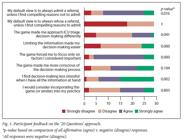
McNemar's test according to level of education across study phases
Comparison between the first and second study phases demonstrated statistically significant differences in responses to 20 of the 21 questionnaire items according to participants' level of education. Nurses with postgraduate degrees demonstrated greater shifts in attitudes across multiple items, whereas those with university degrees showed more stable responses. Participants with two-year educational qualifications exhibited smaller variations in their responses. Notably, significant associations observed during the first study phase were no longer evident during the second phase (Fig. 2).
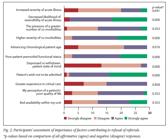
McNemar's test according to department of work across study phases
Nurses working in the ICU demonstrated significant changes in responses to specific questions relating to patient information and care. By contrast, nurses from the ED and the rehabilitation centre (RC) exhibited less statistical variation in their responses. Statistically significant associations observed during the first study phase were no longer evident during the second phase (Fig. 3).
Discussion
This study identifies a substantial gap in nurses' knowledge regarding SCI and its associated complications, which may adversely affect patient care and outcomes. Similarly, Thietje et al..[9] reported comparable deficiencies, noting that fewer than 50% of patients with SCI possessed sufficient knowledge regarding bladder care and pressure ulcer prevention following discharge.
Furthermore, this study highlights the effectiveness of a digital educational application in improving nurses' knowledge and attitudes regarding the care of patients with SCI. The statistically significant improvements observed following the intervention demonstrate the value of structured digital training in advancing clinical education and supporting evidence-based practice.[6,10]
Findings further indicate that nurses with postgraduate qualifications exhibited greater improvements in knowledge and attitudes following the intervention. This aligns with existing literature suggesting that advanced academic training enhances critical thinking, receptiveness to new information and clinical judgement in complex care settings. '91 Nurses with higher academic credentials may also be more familiar with digital learning platforms, thereby facilitating deeper engagement with educational content. By contrast, nurses with vocational or diploma-level qualifications showed more modest improvements, possibly reflecting more limited foundational knowledge of SCI care or reduced exposure to these topics during initial training.'41 These findings highlight the importance of targeted educational support for this group, potentially through blended learning approaches that integrate digital content with in-person mentorship or practical workshops.[11] In addition, Cant and Cooper[12] emphasised that simulation-based education may enhance student learning when incorporated into pre-licensure nursing curricula.
Departmental differences were also observed, with nurses working in the ICU demonstrating the most significant improvements across knowledge domains. This may reflect their routine management of critically ill patients and heightened awareness of SCI-related risks and complications, including pressure ulcers, venous thromboembolism and autonomic dysreflexia.[6,13] The structured ICU environment, with its emphasis on protocols and interdisciplinary collaboration, may also encourage openness to continuous professional development (CPD). By contrast, nurses in the ED and the RC showed less variation in their responses. Although these departments also care for patients with SCI, the episodic nature of ED care and the longer-term rehabilitative focus of the RC may result in different educational needs and priorities. Tailoring training modules to specific departmental contexts may therefore enhance relevance and engagement. Pellatt[14] further reported that nurses often perceive their role in SCI care as complex and multifaceted, particularly when transitioning from an acute-care perspective to a rehabilitation-oriented approach. In addition, continuous 24-hour interactions between nurses and patients may contribute to power imbalances within the nurse-patient relationship, potentially leading to discomfort or distress among some patients.[15,16]
Despite these promising findings, this study has several limitations. It was conducted at a single centre with a relatively small sample size and included nurses from only three departments within one hospital network, which may limit the generalisability of the findings. In addition, the short interval between the educational intervention and post-assessment may not adequately capture long-term knowledge retention or sustained changes in clinical practice. Future research should therefore include longitudinal follow-up and multicentre samples to address these limitations.
Nonetheless, this study contributes to the growing body of evidence supporting the use of digital platforms in nursing education. Such tools offer flexible, scalable and cost-effective solutions for delivering specialised clinical knowledge, especially in high-demand or underserved areas such as SCI care. Integrating technology-enhanced learning into CPD programmes holds significant promise for improving quality of care, patient outcomes and professional competence across diverse healthcare settings.[10]
Conclusion
Although this study revealed a knowledge gap regarding the care of patients with SCI, including its associated complications and management strategies, the digital educational application proved to be an effective tool for enhancing nurses' knowledge and attitudes regarding SCI care. These findings may inform the development of future educational tools and interventions aimed at improving knowledge and patient care in this area.
Data availability statement. The data used for this study are available from the first author upon request.
Declaration. None.
Acknowledgements. None.
Author contributions. All authors directly participated in the planning, execution and analysis of this study. All authors have read and approved the final version submitted.
Funding. None.
Conflicts of interest. None.
References
-
1. Ahuja CS, Wilson JR, Nori S, et al. Traumatic spinal cord injury. Nat Rev Dis Primers 2017;3:17018. https://doi.org/10.1038/nrdp.2017.18
» https://doi.org/10.1038/nrdp.2017.18 -
2. Peterson MD, Meade MA, Lin P, et al. Psychological morbidity following spinal cord injury and among those without spinal cord injury: The impact of chronic centralized and neuropathic pain. Spinal Cord 2022;60(2):163-169. https://doi.org/10.1038/s41393-021-00731-4
» https://doi.org/10.1038/s41393-021-00731-4 -
3. Kirshblum SC, Biering-Sorensen F, Betz R, et al. International standards for neurological classification of spinal cord injury: Cases with classification challenges. J Spinal Cord Med 2014;37(2):120-127. https://doi.org/10.1179/2045772314Y.0000000196
» https://doi.org/10.1179/2045772314Y.0000000196 -
4. Middleton JW, Dayton A, Walsh J, Rutkowski SB, Leong G, Duong S. Life expectancy after spinal cord injury: A 50-year study. Spinal Cord 2012;50(11):803-811. https://doi.org/10.1038/sc.2012.55
» https://doi.org/10.1038/sc.2012.55 -
5. Kaçmaz HY, Ceyhan O, Güler HB, Balcılar F. Nurses' knowledge and practice in preventing pressure injuries in intensive care units. J Wound Care 2023;32(Suppl 4):S22-S28. https://doi.org/10.12968/jowc.2023.32.sup4.s22
» https://doi.org/10.12968/jowc.2023.32.sup4.s22 -
6. Furlan JC, Craven BC, Ritchie R, Coukos L, Fehlings MG. Attitudes towards the older patients with spinal cord injury among registered nurses: A cross-sectional observational study. Spinal Cord 2009;47(9):674-680. https://doi.org/10.1038/sc.2009.23
» https://doi.org/10.1038/sc.2009.23 -
7. Saadeh YS, Smith BW, Joseph JR, et al. The impact of blood pressure management after spinal cord injury: A systematic review of the literature. Neurosurg Focus 2017;43(5):E20. https://doi.org/10.3171/2017.8.focus17428
» https://doi.org/10.3171/2017.8.focus17428 -
8. Fehlings MG, Tetreault LA, Wilson JR, et al. A clinical practice guideline for the management of patients with acute spinal cord injury and central cord syndrome: Recommendations on the timing (<24 hours versus >24 hours) of decompressive surgery. Global Spine J 2017;7(Suppl 3):S84-S94. https://doi.org/10.1177/2192568217706367
» https://doi.org/10.1177/2192568217706367 -
9. Thietje R, Giese R, Pouw M, et al. How does knowledge about spinal cord injury-related complications develop in subjects with spinal cord injury? A descriptive analysis in 214 patients. Spinal Cord 2011;49(1):43-48. https://doi.org/10.1038/sc.2010.96
» https://doi.org/10.1038/sc.2010.96 -
10. Lee MM, Lin X, Lee ES, Smith HE, Car LT. Effectiveness of educational interventions for improving healthcare professionals' information literacy: A systematic review. Health Info Libr J 2025;42(2):131-147. https://doi.org/10.1111/hir.12562
» https://doi.org/10.1111/hir.12562 -
11. Tasiemski T, Kujawa J, Tederko P, et al. Comparison of life satisfaction in persons with spinal cord injury living in 22 countries with different economic status. Arch Phys Med Rehabil 2022;103(7):1285-1293. https://doi.org/10.1016/j.apmr.2021.11.008
» https://doi.org/10.1016/j.apmr.2021.11.008 -
12. Cant RP, Cooper SJ. Use of simulation-based learning in undergraduate nurse education: An umbrella systematic review. Nurse Educ Today 2017;49:63-71. https://doi.org/10.1016/j.nedt.2016.11.015
» https://doi.org/10.1016/j.nedt.2016.11.015 -
13. Vecin NM, Gater DR. Pressure injuries and management after spinal cord injury. J Pers Med 2022;12(7):1130. https://doi.org/10.3390/jpm12071130
» https://doi.org/10.3390/jpm12071130 -
14. Pellatt GC. Perceptions of the nursing role in spinal cord injury rehabilitation. Br J Nurs 2003;12(5):292-299. https://doi.org/10.12968/bjon.2003.12.5.11175
» https://doi.org/10.12968/bjon.2003.12.5.11175 -
15. Nas K, Yazmalar L, Şah V, Aydın A, Öneş K. Rehabilitation of spinal cord injuries. World J Orthop 2015;6(1):8-16. https://doi.org/10.5312/wjo.v6.iL8
» https://doi.org/10.5312/wjo.v6.iL8 -
16. Bibi S, Rasmussen P, McLiesh P. The lived experience: Nurses' experience of caring for patients with a traumatic spinal cord injury. Int J Orthop Trauma Nurs 2018;30:31-38. https://doi.org/10.1016/j.ijotn.2018.05.002
» https://doi.org/10.1016/j.ijotn.2018.05.002

Accepted 31 March 2026
Contribution of study
This study evaluated nurses' knowledge and attitudes regarding spinal cord injury (SCI) care across intensive care, emergency and rehabilitation settings, and tested whether a low-cost, custom-built digital educational application could improve these outcomes. The intervention was associated with significant improvements in knowledge and attitudes, particularly around complication prevention, caregiver education and psychosocial support, with the largest gains seen among ICU nurses and those with postgraduate qualifications. These findings support digital training tools as an accessible way to strengthen nursing capacity for SCI care, especially where structured in-person continuing education is difficult to sustain