In Silico Assessment for Asthma Bronchodilator Potency of Ginger Essential Oils
Abstract
Ginger has been recognized as a traditional medicine ingredient with a powerful anti-allergic and anti-inflammatory effects, particularly in respiratory conditions such as bronchospasm, an indication for asthma. This research aims to correlate the phytochemicals in ginger essential oils with their bronchodilator activities using in silico assessment. Phytocomponents were generated through GC-MS analysis. The suppression of bronchoplasm was assessed through molecular docking of ginger's phytocomponents to inhibit β-adrenoceptor (5X7D). Molecular docking against the human consensus olfactory receptor OR52c (8HTI) was also assessed, since those volatile components may enter through inhalation. β-Eudesmol is the best molecule, showing various interactions, particularly hydrogen-bond formation toward 5X7D and 8HTI, with the closest binding energies to carazolol and octanoic acid, the native ligands, respectively. The ADME properties of ginger's phytochemicals also show that β-eudesmol and other components, including cis-farnesol, caryophyllene oxide, β-phellandrene, camphene, z-citral, and eucalyptol, are PGP-non-substrates and presented in the yolk region of the BOILED-Egg graphic. These facts suggest that these phytochemicals are potentially bronchodilators, as they are pharmacokinetically stable and able to cross the blood-brain barrier, consistent with their potential to affect the central nervous system, which is responsible for various physiological effects. Nevertheless, further investigation through in vitro and animal models is necessary to confirm the bronchodilator potency.
ginger; essential oil; bronchodilator; in silico; olfactory
INTRODUCTION
Asthma is a chronic disease of the airways of the lungs, characterized by narrowed, swollen airways that produce mucus, leading to difficulty breathing. Asthma is defined as airway inflammation characterized by heightened responsiveness of the tracheobronchial system to stimuli.12,3
Herbal medicine is traditionally used a treat common conditions, such as bronchospasm associated with asthma. Indigenous knowledge has developed a popular natural-heritage formula for promoting bronchodilation and recovery. Some herbal medicines used to treat asthma are Ginkgo biloba, Boswellia serrata, Ganoderma lucidum, Glycyrrhiza uralensis, and Perilla frutescens.4-6 These herbal medicines are included in formulations in Traditional Chinese Medicine, Ayurveda, and Kampo. In Indonesia, traditional medicine called Jamu also employs herbal remedies, primarily containing rhizomes of the Zingiberaceae, such as ginger, to relieve breathing difficulties associated with asthma.78
The potential of ginger oil and extract in treating asthma has been tested in vitro and in clinical trials at therapeutic doses (1-4 grams of ginger), which can reduce asthma symptoms but do not alter the disease stage.9in silico studies on the β2-adrenergic receptor have been conducted, the interaction of compounds from ginger oil with β2-adrenergic receptors has not yet been reported.10-14
This article examines the volatile components of ginger essential oil at different distillation temperatures and correlates their main phytocompounds with β-agonist receptors using in silico studies. Since flavor and aroma are also becoming significant motivations for seeking medical treatment, investigating the molecular mechanisms underlying them is expected. This paper also investigates the olfactory perception of ginger oil components relative to the human consensus olfactory receptor OR52c, which is referenced by several odor markers. Therefore, the structure-odor relationship assessment can be derived to represent sensory profile characters preserved in the ginger essential oils. Furthermore, the ADME (absorption, distribution, metabolism, and excretion) of phytocomponents in ginger essential oil is also explored to investigate their pharmacokinetic properties upon entry into the human body.
MATERIALS AND METHODS
Materials
The ginger rhizomes were obtained from the community medicinal plant garden (TOGA) Sari Hutani in Meru Betiri National Park. It was identified as Zingiber officinale by the Botany Laboratory at Universitas Jember.15https://pubchem.ncbi.nlm.nih.gov/) and the Protein Data Bank website (https://www.rcsb.org/), by searching the compound names and ligand ID/sequence in the search box, respectively.
Distillation
Ginger was cleaned, air-dried, and crushed using a chopper. A 500 grams of ginger powder was distilled in a laboratory glassware steam distillation set-up for 5 hours. The distillation temperature in the sample flask was maintained at two conditions: below 120 °C (100-118 °C) and above 120 °C (125-140 °C). The oil was separated from the distillate and then added to magnesium sulfate to adsorb moisture. The ginger essential oil was stored in the refrigerator before analysis.
Chromatography Analysis
The Gas Chromatography system was a GCMS-QP2010S Shimadzu equipped with a DB-5MS column (30 m x 0.25 mm, 0.25 mm). The gas carrier was Helium with ionization EI 70 Ev. GC-2010 has a column oven temperature of 70 °C and an injection temperature of 300 °C. The MS started at 3.20 minutes and lasted 70 minutes. The scanned molecular weight/charge (m/z) range was 28 to 600. Spectra and their fragmentations obtained from GC-MS analysis were matched to the spectra in the Mass Spectral Libraries of WILEY229 and NIST62. The instrument is regularly standardized using a reference mass of PEG PPG-Raffinose.
Molecular Docking Details
The ligands were prepared by drawing the structures in ChemDraw Ultra 8.0 to produce MDL Molfile *.mol format, then processed in Avogadro 1.2.0 to produce MDL SDfile *.mol format, and Open Babel 3.1.1 to obtain optimized 3D chemical structures in .pdbqt format.16-18 The protein structures were retrieved from the PDB website (https://www.rcsb.org/); accession codes 5X7D (https://www.rcsb.org/structure/5X7D) and 8HTI (https://www.rcsb.org/structure/8HTI) correspond to the X-ray crystal structures of the 2-adrenoceptor and human consensus olfactory receptor OR52c, respectively. They were prepared directly in AutoDockTools-1.5.7.19,20 The docking simulation was adjusted based on the docking parameters: number of GA runs (200), population size (300), and number of evaluations (2,500,000). The grid box was centered on the ligands in dimensions of x x y x z (specific coordinates): 40 x 40 x 40 (2.240 x 4.748 x 51.335) and 20 x 20 x 20 (171.310 x 173.964 x 141.445) for carazolol and octanoic acid toward 5X7D and 8HTI, respectively. This parameter was tabulated in Table S1 and verified during the redocking procedure, where it was optimized to an RMSD of less than 2.0. The PyMOL Molecular Graphics System v2.5.8 and Biovia Discovery Studio v24.1.0.23298 were used to visualize the conformation of the ligand-protein complex.21,22
Statistical Analysis
Data on chemical components of ginger essential oils were analyzed statistically using Principal Component Analysis (PCA) and a Venn diagram. This analysis builds on a previously presented approach, but employs different samples and newly generated data.23,24
ADME Pharmacokinetic
The major phytochemicals in ginger essential oils were analyzed using ADME (Absorption, Distribution, Metabolism, and Excretion) pharmacokinetics via the SwissADME web server (https://www.swissadme.ch/).25
RESULTS AND DISCUSSION
Chemical Profile of Ginger Essential Oils
The ginger essential oil was extracted by steam distillation at heating temperatures below and above 120 °C, yielding a 1.45% pale yellow and 1.55% dark brown oils, respectively. Heating the ginger sample above 120 °C causes thermal degradation, but it is common to occur in the steam distillation reactors whose heat is not controlled, especially in small industries. As a result, the aroma of fresh ginger (citrus, spicy) is reduced, while a roasted or caramel aroma develops from the Maillard reaction. Ginger samples heated above 120 °C become charred, resulting in a brownish color of the oil as some chemical components are oxidized. Therefore, it is important to study the different heating temperatures of the samples during steam distillation and their effects on the oil's chemical composition and potential bioactivity.
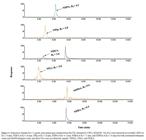
There are two character components in ginger oil: fragrant and pungent. Fragrant components are present in the essential oil, which contains zingiberene, camphene, citral, β-sesquiphellandrene, among others.26Figure 1, with the detailed list of components tabulated in Table S3. However, the pungent component detected in the ginger oils in this study is zingerone alone.
Figure 1 represents the distribution of phytocomponents in their interactions with a non-polar column as the stationary phase and hydrogen gas in a GC-MS instrument. Green-blocked areas in Figure 1 contain specific peaks that differ significantly among the ginger essential oils. Compounds β-citronellal, 2-undecanone, geranyl acetate, germacrene-A, nerolidol, caryophyllene oxide, dehydrolinalool, α-bergamotene, ledane, nortrachelogenin, zingerone, 2,2,4,5,7,7-hexamethyl-3,5-octadiene, and geranyl caproate are components found specifically in ginger essential oil obtained by distillation at temperatures below 120 °C (Figure 1A). Meanwhile, α-terpineol and guaiol are found only in another ginger essential oil (Figure 1B). These data are also supported by information in the Venn diagram in Figure 2, which shows that 31 volatile components are distributed in both ginger essential oils, including zingiberene, Z-citral, α-pinene, b-bisabolene, a-farnesene, cis-farnesol, b-sesquiphellandrene, b-phellandrene, ar-curcumene, b-eudesmol, and camphene. Meanwhile, each temperature treatment during distillation also produced oil with characteristic components (Table S4). It contains 28 and 30 specific compounds for ginger oils from distillation above and below 120 °C, including eucalyptol and caryophyllene oxide, respectively. It is also important to note that nortrachelogenin, a lignan derivative, is found in ginger essential oil obtained by lower-temperature distillation.
The graph in Figure 3 shows that ginger oil distilled at temperatures above 120°C contained approximately 50% of hydrocarbons and oxygenated monoterpenes. Another ginger oil, obtained at a different distillation temperature, contained hydrocarbons and oxygenated sesquiterpenes, which together accounted for more than 60% of the total components (Table S5). It may be assumed that a higher temperature of distillation resulted in an easier and faster release of monoterpenoids compared to sesquiterpenes from ginger cells. Meanwhile, a gradual increase in distillation temperature to 120 °C produced essential oil with higher sesquiterpenoid content, as the cellular vacuole is gently opened to release high-molecular-weight terpenoids.
The PCA analysis in Figure 4 also strengthens the fact that both heating conditions show a significant difference in major components, such as zingiberene, ar-curcumene, and β-sesquiphellandrene, which are dominant in ginger oil from distillation below 120 °C (Table S6). On the other hand, β-citral, camphene, and β-phellandrene are major compounds found in significant amounts after heating treatments above 120 °C. The figure also showed that monoterpenoid components, such as eucalyptol, myrcene, pinene, and camphene, were predominantly present in high-temperature-distilled ginger oil. In contrast, sesquiterpenoids, such as nerolidol and β-eudesmol, were highly concentrated in low-temperature distilled ginger oil.
Figure 5 presents possible chemical transformations during distillation under two different heating temperatures. The presence of heat during distillation increases the collision rate of water molecules, thereby lysing cellular vacuoles in ginger and extracting more volatile components. Indeed, several chemical compounds remain stable and constant, even though they were extracted at higher distillation temperatures. b-Pinene is one of those that does not increase significantly in the presence of heating since it undergoes a slow decomposition. The increased amount of camphene and b-phellandrene was suspected to result from the decomposition of b-pinene.27,28 The conversion of a- dan b-pinene into myrcene has also been predicted, which causes myrcene content to increase slightly in ginger oil from higher temperature distillation (above 120 °C). Naturally, b-pinene is available in less abundance than its alpha isomers, as shown in this research.
Zingiberene is a major thermolabile component that determines the quality of ginger essential oil. This compound might explain the special flavor of ginger. Previous research mentions that zingiberene is the major component of ginger oil.29,30 However, low zingiberene content resulting from conventional distillation is common, as it decomposes at high temperatures.31,32 They suggested that zingiberene is converted to curcumene during steam distillation. Curcumene may be a significant compound in ginger oil after three years of storage at room temperature in the presence of air and light.3334
(Z)-citral or neral, is a major component in ginger oil obtained from distillation above 120 °C. Citral might be produced from the oxidation of geraniol and nerol, which led to the decrease of geraniol and nerol concentrations in ginger oil distilled above 120 °C compared to those below 120 °C.35,36 Previous research shows that various extraction methods and the ginger origin can affect the chemical composition of ginger oil. Distillation of ginger also yields oils with higher citral than zingiberene.3733
Linalool is a secondary metabolite found in increased amounts inside ginger oil from distillation above 120 °C. Linalool is often found in combination with linalyl acetate in some plants.38,39 However, linalyl acetate was not obtained in this ginger oil. Linalyl acetate is rapidly metabolized and hydrolyzed into linalool and acetic acid.402741424344454647
Conversely, geraniol and nerol were found to decrease following higher-temperature distillation of ginger. It was suspected that unstable geraniol and nerol were converted into linalool by rearrangement reactions.48,49 Further decomposition of geraniol to geranyl acetate and isopulegol via citronellal formation also supports the decrease in geraniol content in ginger oil observed during higher-temperature distillation. Nerol was also converted into neral and neric acid at distillation above 120 °C.50
Bisabolene, as one of the big families of sesquiterpenes, also supports a range of chemical components inside ginger oil. Some appeared to be stable components obtained by distillation across both temperature variations. Trans-α-bergamotene and α-copaene are two examples.51-54 Meanwhile, δ-cadinene, α-amorphene, and cedrol were obtained only from ginger oil distilled at higher temperatures.55-58 Interestingly, bisabolol was a hydrated form of bisabolene found only in low-temperature-distilled ginger oil. Other bisabolene derivatives, such as zingiberene, ar-curcumene, and sesquiphellandrene, showed a significant decrease in the distillation of ginger at higher temperatures.55
Germacrene-D was detected only in ginger oil obtained by high-temperature distillation. It may be obtained from the degradation of farnesol. It is also a precursor of hedycaryol, which was further converted into elemene, β-eudesmol, and guaiol.5960,61
Autooxidation of b-caryophyllene also generally occurs since it is unstable to oxidize into caryophyllene oxide.62-65 However, the results show that β-caryophyllene was present in the ginger oil at a stable level across both distillation temperatures. Surprisingly, caryophyllene oxide was found only in ginger oil distilled at temperatures below 120 °C. Nerolidol, with a woody aroma reminiscent of fresh bark, is a precursor to farnesol.66
Standardized ginger oil contains a high levels of zingiberene and low levels of pungent compounds. In this study, high zingiberene content was observed in lower-temperature-distilled ginger oil, whereas another ginger oil with a higher citral content exhibited no pungent aroma. Therefore, the distillation temperature can be customized to meet specific needs, as it determines the chemical composition and even the aroma of the ginger oil.
Molecular Docking of Ginger Phytochemicals Against the Protein Receptor of β2-Adrenoceptor
Chemical components in ginger oils will be correlated to their bioactivities. Previous research indicates that citral in ginger oil contributes to bronchodilatory activity.67-69 Therefore, an analysis of ginger oil's biological activities based on its major components is required. To investigate the potency of ginger oil in overcoming asthma, molecular docking of several major chemical compounds in ginger oils was carried out against the protein receptor of 5X7D (Table 1), a protein receptor responsible for the interaction of the β2-adrenoceptor and ligand.14Figure 6A). Table 2 shows that the binding energy of the interactions between chemical components in ginger oil toward 5X7D did not compete with that of carazolol. However, the presence of chemical compounds with a binding energies closer to carazolol, i.e., β-eudesmol, caryophyllene oxide, zingiberene, etc., can be proposed as potential components that act synergistically to antagonize the β2-adrenergic receptor and suppress bronchospasm (Figure 6B). Therefore, a mixture of volatile compounds in ginger oil may retain its higher bronchodilator activity.
Possibility of Volatile Components Detected by Olfactory Receptor through the Respiratory Pathway
The major phytochemicals of ginger oils detected by GC-MS are volatile components from the terpenoid class. They evaporate readily due to their low boiling points and high vapor pressures. These properties enable their use in aromatherapy and as inhaler ingredients. The volatile components are inhaled directly by humans via the olfactory nerve or, after crossing the BBB, indirectly through the bloodstream. In the olfactory system, these chemicals interact with olfactory receptors and are then transported into the brain. As they reach the cerebellum, volatile components may influence human physiology and neurology. Therefore, the interaction between ginger phytochemicals, as ligands, and olfactory receptors warrants analysis.
Olfactory is related to the conscious perception of a smell in terms of perceived intensity and pleasantness, which is supported by molecular features of the components, including molecular weight, vapor pressure, and partial charge on the most negative atom. This research proposed an in silico study to correlate ginger phytochemicals with the human consensus olfactory receptor OR52c and to examine their influence on respiration and sniffing for medicinal purposes, such as a bronchodilator. The OR52c receptor (PDB ID: 8HTI) was docked against 28 reference odorant molecules (Table S7) to produce a standard molecule distribution in the PCA graph (Figure 7), containing four groups representing musk, woody, floral, and green odors (Table S8). Figure 7 shows that all phytocomponents of ginger essential oils are specifically close to green and floral odors (Figure S1).
The interaction between olfactory receptors and the selected major ginger oil phytochemicals, together with the details of their binding energies, is presented in Figure 8 and Table 3. The protein cavity of 8HTI contains amino acid residues that are functionalized to interact with ligand molecules. Redocked ligand, octanoate, was superimposed with octanoic acid as the native ligand, to activate protein 8HTI sites of His107, Phe161, Val204, Ala205, and Phe261 by hydrophobic interactions. Three phytochemical markers in ginger oil, i.e., b-eudesmol, zingiberene, and z-citral, have also been linked to those amino acid residues of 8HTI active sites. However, the strong interaction of ligand and receptor 8HTI, which was supported by hydrogen bonding in cavities provided by Glu182, His183, and Met184, is also provided by in β-eudesmol and z-citral but in different amino acid residue cavities (Table 4). Meanwhile, salt bridges, which were formed from the residues of His107 and His183 with the native ligand, were not found in the interaction with ginger phytochemicals, unless through hydrogen bonding formation. Therefore, it resulted in a stronger binding interaction between the 8HTI protein and ginger phytochemicals compared to the native ligand.
The ADME properties of the ginger phytochemicals were calculated using SwissADME and are presented in Table S9. Since the β-adrenergic receptor is a β2-type, it is normally located in the lungs and cerebellum. The cerebellum modulates respiratory responses during challenges such as hypoxia and obstructed breathing. Thus, factors such as structure, polarity, and particle size may influence the transport of ginger compounds into specific tissues. These data correlate with derived properties that support ADME calculations, including molecular weight, the logarithm of polarity, the number of hydrogen-bond donors and acceptors, the number of rotatable bonds, the topological polar surface area, molecular refractivity, and the logarithm of aqueous solubility. Moreover, those ADME properties support a prediction of a molecule's drug-likeness, particularly for oral bioavailability, known as Lipinski's Rule of Five. However, many compounds that violate one or more of Lipinski's Rules may still be effective and approved for clinical use, because other factors, such as permeability and specific interactions with protein targets, can also influence their absorption. Further integration of ADME properties and reported biological activities related to the anti-asthma mechanism is shown in Table 5. This approach highlights z-citral and eucalyptol as compounds with favorable pharmacokinetic profiles and demonstrates a strong bronchodilatory effect. Other compounds with strong evidence of potential anti-inflammatory activity are β-eudesmol, cis-farnesol, and α-pinene. However, the other major compounds in ginger oil also exhibit anti-inflammatory activity, with distinct mechanisms that may involve bronchodilatory effects. The synergistic effect of these phytocomponents may make ginger oil an effective natural supplement for treating asthma.
The graphical output of ADME parameters in Figure 9, known as BOILED-Egg, illustrates a simple pharmacokinetic model for the provided chemicals based on physicochemical descriptors listed in Table S10. It enables easy evaluation of chemical distribution via passive brain access (if within the yolk), passive gastrointestinal lumen access (if within the white), and poor absorption (whenever in the grey region).25Figure 9, cis-farnesol, b-eudesmol, caryophyllene oxide, b-phellandrene, camphene, a-pinene, z-citral, and eucalyptol are molecules inside the yolk, predicted to be able to cross the Blood-Brain Barrier (BBB) and potentially reach the central nervous system. Meanwhile, zingiberene, α-farnesene, β-bisabolene, β-sesquiphellandrene, and ar-curcumene are predicted to have poor gastrointestinal (GI) absorption, as they fall within the grey region. Other molecules in the yolk region, b-phellandrene, a-pinene, and camphene, also have low GI absorption since they are close to the grey region. This pharmacokinetic model is influenced by the TPSA parameter, which is correlated to the topological polar surface area of the molecule. Whenever the molecule is a hydrocarbon only, it shows a value of 0 (zero) or is non-polar. In fact, all the studied molecules show TPSA values in the range of 0-60 Ǻ (Table S10). They are predicted to cross the BBB and cell membranes via passive diffusion since they are lipid-soluble. However, it may pose a problem, as they can be trapped within lipid bilayers due to their extreme hydrophobicity. The permeability glycoprotein (PGP) is responsible for pumping many foreign substances out of cells. Figure 9 shows that carazolol is a PGP+ or a substrate of PGP (color coding blue). As a PGP-transported molecule, carazolol is susceptible to pharmacokinetic changes and may be more readily eliminated from the body, reducing its effectiveness. Meanwhile, phytochemicals in ginger essential oil are classified as PGP- or non-PGP substrates, and are color-coded red in Figure 9. Therefore, phytochemicals of ginger oil are not significantly affected by PGP actions in eliminating chemical uptake, particularly to and from the cytosol. Those reasons indicate that several chemicals with red color codes in the yellow region of the current BOILED-Egg graphic have potential medical applications, particularly for crossing the blood-brain barrier in the central nervous system. According to this mechanism, the appropriate medical treatment is the administration of drugs containing these ginger phytochemicals via the olfactory receptors.
CONCLUSION
Ginger has been widely used in traditional medicine to relieve inflammation and enhance the body's resistance to disease by warming and refreshing the body. Extracting ginger in hot water (decoction) has a similar process to distillation, producing extracts containing many beneficial volatile components which are further digested and absorbed in the gastrointestinal tract to cross the blood barrier and interact with several protein receptors present in the blood. The phytochemicals in ginger oil that enter the bloodstream may bind to β-adrenergic receptors, thereby triggering physiological effects, including changes in heart rate and blood pressure, as well as muscle relaxation. The in silico study of ginger's phytochemicals towards β-adrenoceptor (5X7D) shows that β-eudesmol has the closest binding energy to carazolol, the native ligand. However, the low binding energies of most major compounds in ginger oils to 5X7D suggest that the phytochemicals in ginger oil act synergistically, thereby maintaining bronchoplasm suppression. Meanwhile, volatile components of ginger essential oils, when inhaled, enter the respiratory pathways via the human consensus olfactory receptor OR52c (8HTI). The primary interactions between ginger's volatile components and 8HTI receptors trigger a sense of smell and enhance the structure odor relationship during sniffing. B-eudesmol is a phytocomponent producing the best binding energy against the 8HTI receptor. Based on the ADME properties of ginger phytochemicals, b-eudesmol, apart from other chemicals, including cis-farnesol, caryophyllene oxide, b-phellandrene, camphene, (Z)-citral, and eucalyptol, can pass the BBB and enter the central nervous system without any significant changes in their pharmacokinetics since they are PGP-non-substrate molecules. These conclusions support the continued use of ginger essential oils as bronchodilators that act via the olfactory pathway through inhalation of their volatile components.
CONFLICT OF INTERESTThe authors report no financial or any other conflicts of interest in this work.
DECLARATION OF GENERATIVE AI AND AI-ASSISTED TECHNOLOGIES
The authors confirm that no generative artificial intelligence or AI assisted technologies were used for the purpose of the research conducted or for the preparation of the manuscript.
CREDIT AUTHORSHIP CONTRIBUTIONS STATEMENTIO and ASN contributed to the conceptualization, drafting, and critical revision of the manuscript; supervision; and final approval. IO, DTF, AY, and MR contributed to methodology, software, formal analysis, data curation, and technical or material support. Funding was covered by a research grant for IO.
ORCID IDSIka Oktavianawati: https://orcid.org/0000-0001-6631-3235
Dina T. Fauziah: https://orcid.org/0000-0002-4872-7853
Ana Yulvia: https://orcid.org/0009-0003-9393-3837
Muhammad Reza: https://orcid.org/0000-0003-0001-5918
Ari S. Nugraha: https://orcid.org/0000-0002-9117-4713
ACKNOWLEDGEMENTS
The authors acknowledge financial support from Universitas Jember grants under the Hibah Pasca Doktor 2025 scheme, contract number 2829/UN25.3.1/LT/2025.
REFERENCES
-
1. Pignataro FS, Bonini M, Forgione A, Melandri S, Usmani OS. Asthma and gender: the female lung. Pharmacol Res. 2017;119:384-390. https://doi.org/10.1016/j.phrs.2017.02.017.
» https://doi.org/10.1016/j.phrs.2017.02.017 -
2. O'Brien ET. Advantages and disadvantages of beta-adrenergic blocking drugs in hypertension. Angiology. 1978;29(4):332-336. https://doi.org/10.1177/000331977802900410.
» https://doi.org/10.1177/000331977802900410 -
3. do Vale GT, Ceron CS, Gonzaga NA, Simplicio JA, Padovan JC. Three generations of β-blockers: history, class differences and clinical applicability. Curr Hypertens Rev. 2019;15(1):22-31. https://doi.org/10.2174/1573402114666180918102735.
» https://doi.org/10.2174/1573402114666180918102735 -
4. Lin BF, Chiang BL, Ma Y, Lin JY, Chen ML. Traditional herbal medicine and allergic asthma. Evid Based Complement Alternat Med. 2015;2015(510989):1-2. https://doi.org/10.1155/2015/510989.
» https://doi.org/10.1155/2015/510989 -
5. Li XM. Treatment of asthma and food allergy with herbal interventions from traditional Chinese medicinine. Mt Sinai J Med. 2011;78(5):697-716. https://doi.org/10.1002/msj.20294.
» https://doi.org/10.1002/msj.20294 -
6. Oktavianawati I, Santoso M, Bakar MFA, Kim YU, Fatmawati S. Recent progress on drugs discovery study for treatment of COVID-19: repurposing existing drugs and current natural bioactive molecules. Appl Biol Chem. 2023;66(1):89. https://doi.org/10.1186/s13765-023-00842-x.
» https://doi.org/10.1186/s13765-023-00842-x -
7. Townsend EA, Siviski ME, Zhang Y, Xu C, Hoonjan B, Emala CW. Effects of ginger and its constituents on airway smooth muscle relaxation and calcium regulation. Am J Respir Cell Mol Biol. 2013;48(2):157-163. https://doi.org/10.1165/rcmb.2012-0231OC.
» https://doi.org/10.1165/rcmb.2012-0231OC -
8. Anggraeni R, Aljaberi MAA, Nambiar N, Sansuwito T. Bin, Heriana C, Poddar R. Pharmaceutical effect of red ginger (Zingiber officinale var. rubrum) on arthritis and gout pain in older people at Parungkuda Public Health Center's Geriatric Polyclinic in Sukabumi Regency, Indonesia. Res J Pharm Technol. 2023;16(5):2115-2119. https://doi.org/10.52711/0974-360X.2023.00347.
» https://doi.org/10.52711/0974-360X.2023.00347 -
9. Vaghela JH, Vadgama VK, Purohit BM. Bronchodilatory effect of Zingiber officinale Roscoe (ginger) in guinea pigs. Trop J Pharm Res. 2020;19(4):845-849. https://doi.org/10.4314/tjpr.v19i4.24.
» https://doi.org/10.4314/tjpr.v19i4.24 -
10. Amin S, Muhammad S, Iqbal J, Ullah S, Al-Sehemi A, Algarni H, Alarfaji S, Ayub K. Molecular docking, dynamics, and quantum chemical study of vanillylacetone andbeta-hydroxy ketone derivatives against M pro of SARS CoV-2. S Afr J Chem. 2022;76:79-90. https://doi.org/10.17159/0379-4350/2022/v76a12.
» https://doi.org/10.17159/0379-4350/2022/v76a12 - 11. Vitas M. The inhibition of SOS 1-KRAS interaction by C. coggygria flavonoids through switch I/II pocket. S Afr J Chem. 2024;78:204-208.
-
12. Putra WK, Hidayatullah A, Widiastuti D, Isnanto H, Heika MF, Sustiprijatno S. Elucidating the anti-Metastatic Potency of Morinda citrifolia l. compounds via targeting MMP9 an integrative Network Pharmacology and Molecular Dynamics simulation. S Afr J Chem. 2026;80:1-15. https://doi.org/10.17159/0379-4350/2026/v80se1a01.
» https://doi.org/10.17159/0379-4350/2026/v80se1a01 -
13. Shah SD, Lind C, De Pascali F, Penn RB, MacKerell AD Jr, Deshpande DA. In silico identification of a β2-adrenoceptor allosteric site that selectively augments canonical β2AR-Gs signaling and function. Proc Natl Acad Sci USA. 2022;119(49):e2214024119. https://doi.org/10.1073/pnas.2214024119.
» https://doi.org/10.1073/pnas.2214024119 -
14. Liu X, Ahn S, Kahsai AW, Meng K-C, Latorraca NR, Pani B, Venkatakrishnan AJ, Masoudi A, Weis WI, Dror RO, et al. Mechanism of intracellular allosteric β 2 AR antagonist revealed by X-ray crystal structure. Nature. 2017;548(7668):480-484. https://doi.org/10.1038/nature23652.
» https://doi.org/10.1038/nature23652 -
15. Oktavianawati I, Winata INA, Aji JMM. The Application of Distillation Technology of Rhizomes Essential Oils in TOGA Community of Sari Hutani in the Border Area of Meru Betiri National Park. J Inov Sains dan Teknol untuk Masy. 2023;2(2):110-118. https://doi.org/10.19184/instem.v2i2.1510.
» https://doi.org/10.19184/instem.v2i2.1510 -
» https://doi.org/10.1080/10412905.2017.1360216 -
16. Mendelsohn LD. ChemDraw 8 Ultra, Windows and Macintosh Versions. J Chem Inf Comput Sci. 2004;44(6):2225-2226. https://doi.org/10.1021/ci040123t.
» https://doi.org/10.1021/ci040123t -
17. Hanwell MD, Curtis DE, Lonie DC, Vandermeersch T, Zurek E, Hutchison GR. Avogadro: an advanced semantic chemical editor, visualization, and analysis platform. J Cheminform. 2012;4(1):17. https://doi.org/10.1186/1758-2946-4-17.
» https://doi.org/10.1186/1758-2946-4-17 -
18. O'Boyle NM, Banck M, James CA, Morley C, Vandermeersch T, Hutchison GR. Open Babel: an open chemical toolbox. J Cheminform. 2011;3:33. https://doi.org/10.1186/1758-2946-3-33.
» https://doi.org/10.1186/1758-2946-3-33 -
19. Allen P, Nguyen N, Humphrey ND, Mao J, Chavez-Bonilla D, Sorin EJ. A Hands-on collaboration-ready single- or interdisciplinary computational exercise in molecular recognition and drug design. Educ Sci (Basel). 2024;14(2):139. https://doi.org/10.3390/educsci14020139.
» https://doi.org/10.3390/educsci14020139 -
20. Morris GM, Huey R, Olson AJ. Using AutoDock for Ligand Receptor. Curr Protoc Bioinformatics. 2008;24(1):1-40. https://doi.org/10.1002/0471250953.bi0814s24.
» https://doi.org/10.1002/0471250953.bi0814s24 -
21. Yuan S, Chan HCS, Hu Z. Using PyMOL as a platform for computational drug design. Wiley Interdiscip Rev Comput Mol Sci. 2017;7(2):e1298. https://doi.org/10.1002/wcms.1298.
» https://doi.org/10.1002/wcms.1298 -
22. Baroroh U, Muscifa ZS, Destiarani W, Rohmatulloh FG, Yusuf M. Molecular interaction analysis and visualization of protein-ligand docking using Biovia Discovery Studio Visualizer. Indones J Comput Biol. 2023;2(1):22-30. https://doi.org/10.24198/ijcb.v2i1.4632.
» https://doi.org/10.24198/ijcb.v2i1.4632 -
23. Oktavianawati I, Santoso M, Fatmawati S. Metabolite profiling of Borneo's Gonystylus bancanus through comprehensive extraction from various polarity of solvents. Sci Rep. 2023;13:15215. https://doi.org/10.1038/s41598-023-41494-7.
» https://doi.org/10.1038/s41598-023-41494-7 -
24. Oktavianawati I, Santoso M, Fatmawati S. The chemical profiles and cytotoxicity of gaharu bouya oil from Borneo's Gonystylus bancanus wood. Sci Rep. 2024;14:12064. https://doi.org/10.1038/s41598-024-58529-2.
» https://doi.org/10.1038/s41598-024-58529-2 -
25. Daina A, Michielin O, Zoete V. SwissADME: A free web tool to evaluate pharmacokinetics, drug-likeness and medicinal chemistry friendliness of small molecules. Sci Rep. 2017;7(1):42717. https://doi.org/10.1038/srep42717.
» https://doi.org/10.1038/srep42717 -
26. Oktavianawati I, Kurniati HI, Maghfiroh K, Hanifah N, Handayani W, Winata INA. Essential oils from rhizomes of five Zingiberaceae species in Meru Betiri National Park. J Ilmu Dasar. 2018;2026:020074. https://doi.org/10.1063/1.5065034.
» https://doi.org/10.1063/1.5065034 -
27. Jakab E, Blazsó M, Barta-Rajnai E, Babinszki B, Sebestyén Z, Nicol J, Clayton P, McAdam K, Liu C. Thermo-oxidative decomposition of lime, bergamot and cardamom essential oils. J Anal Appl Pyrolysis. 2018;134(May):552-561. https://doi.org/10.1016/j.jaap.2018.08.003.
» https://doi.org/10.1016/j.jaap.2018.08.003 -
28. Sánchez-Velandia J, Pajaro E, Villa A, Martinez-O F. Selective synthesis of camphene from isomerization of α- and β-pinene over heterogeneous catalysts. Microporous Mesoporous Mater. 2021;324:111273. https://doi.org/10.1016/j.micromeso.2021.111273.
» https://doi.org/10.1016/j.micromeso.2021.111273 -
29. Huang B, Wang G, Chu Z, Qin L. Effect of Oven drying, microwave drying, and silica gel drying methods on the volatile components of ginger (Zingiber officinale Roscoe) by HS-SPME-GC-MS. Dry Technol. 2012;30(3):248-255. https://doi.org/10.1080/07373937.2011.634976.
» https://doi.org/10.1080/07373937.2011.634976 -
31. Kumar Poudel D, Dangol S, Rokaya A, Maharjan S, Kumar Ojha P, Rana J, Dahal S, Timsina S, Dosoky NS, Satyal P, et al. Quality assessment of Zingiber officinale Roscoe essential oil from Nepal. Nat Prod Commun. 2022;17(3):1934578X221080322. https://doi.org/10.1177/1934578X221080322.
» https://doi.org/10.1177/1934578X221080322 -
32. Agarwal M, Walia S, Dhingra S, Khambay BP. Insect growth inhibition, antifeedant and antifungal activity of compounds isolated/derived from Zingiber officinale Roscoe (ginger) rhizomes. Pest Manag Sci. 2001;57(3):289-300. https://doi.org/10.1002/ps.263.
» https://doi.org/10.1002/ps.263 -
33. Cornell DW, Jordan RA. Composition and distinctive volatile flavour characteristics of the essential oil from Australian-grown ginger (Zingiber officinale). J Sci Food Agric. 1971;22(2):93-95. https://doi.org/10.1002/jsfa.2740220213.
» https://doi.org/10.1002/jsfa.2740220213 -
34. Schneider C, Gordon ON, Edwards RL, Luis PB. Degradation of curcumin: from mechanism to biological implications. J Agric Food Chem. 2015;63(35):7606-7614. https://doi.org/10.1021/acs.jafc.5b00244.
» https://doi.org/10.1021/acs.jafc.5b00244 -
35. Ganjewala D, Gupta AK, Muhury R. An update on bioactive potential of a monoterpene aldehyde citral. J Biol Act Prod from Nat. 2012;2(4):186-199. https://doi.org/10.1080/22311866.2012.10719126.
» https://doi.org/10.1080/22311866.2012.10719126 -
36. Parthasarathy VA, Chempakam B, Zachariah TJ. Chemistry of Spices; 2008. https://doi.org/10.1079/9781845934057.0000.
» https://doi.org/10.1079/9781845934057.0000 -
37. Meliani A, Nair S, Bensoltane A. Cyto-biochemical and antimicrobial investigations on essential oil of Zingiber officinale Roscoe. J Essent Oil Bear Plants. 2014;17(6):1120-1129. https://doi.org/10.1080/0972060X.2014.986540.
» https://doi.org/10.1080/0972060X.2014.986540 -
38. Rusanov K, Vassileva P, Rusanova M, Atanassov I. Identification of QTL controlling the ratio of linalool to linalyl acetate in the flowers of Lavandula angustifolia Mill var. Hemus. Biotechnol Biotechnol Equip. 2023;37(1):2288929. https://doi.org/10.1080/13102818.2023.2288929.
» https://doi.org/10.1080/13102818.2023.2288929 -
39. Peana AT, D'Aquila PS, Panin F, Serra G, Pippia P, Moretti MDL. Anti-inflammatory activity of linalool and linalyl acetateconstituents of essential oils. Phytomedicine. 2002;9(8):721-726. https://doi.org/10.1078/094471102321621322.
» https://doi.org/10.1078/094471102321621322 -
40. Nöldner M, Germer S, Koch E. Pharmacokinetics of linalool and linalyl acetate, the two main constituents of silexan, an essential oil from Lavandula angustifolia flowers, in rats. Planta Med. 2011;77(12). https://doi.org/10.1055/s-0031-1282802.
» https://doi.org/10.1055/s-0031-1282802 -
41. Sulman E, Bodrova Y, Matveeva V, Semagina N, Cerveny L, Kurtc V, Bronstein L, Platonova O, Valetsky P. Hydrogenation of dehydrolinalool with novel catalyst derived from Pd colloids stabilized in micelle cores of polystyrene-poly-4-vinylpyridine block copolymers. Appl Catal A Gen. 1999;176(1):75-81. https://doi.org/10.1016/S0926-860X(98)00234-8.
» https://doi.org/10.1016/S0926-860X(98)00234-8 -
42. Mirata MA, Wüst M, Mosandl A, Schrader J. Fungal biotransformation of (±)-linalool. J Agric Food Chem. 2008;56(9):3287-3296. https://doi.org/10.1021/jf800099h.
» https://doi.org/10.1021/jf800099h -
43. Dötterl S, Gershenzon J. Chemistry, biosynthesis and biology of floral volatiles: roles in pollination and other functions. Nat Prod Rep. 2023;40(12):1901-1937. https://doi.org/10.1039/D3NP00024A.
» https://doi.org/10.1039/D3NP00024A -
44. Winterhalter P, Katzenberger D, Schreier P. 6,7-epoxy-linalool and related oxygenated terpenoids from Carica papaya fruit. Phytochemistry. 1986;25(6):1347-1350. https://doi.org/10.1016/S0031-9422(00)81287-X.
» https://doi.org/10.1016/S0031-9422(00)81287-X -
45. Elsharif SA, Banerjee A, Buettner A. Structure-odor relationships of linalool, linalyl acetate and their corresponding oxygenated derivatives. Front Chem. 2015;3(OCT):1-10. https://doi.org/10.3389/fchem.2015.00057.
» https://doi.org/10.3389/fchem.2015.00057 -
46. Maged ESM. The interaction between the gall wasp leptocybe invasa and Eucalyptus camaldulensis leaves: A study of phyto-volatile metabolites. J Pharmacogn Phytother. 2016;8(4):90-98. https://doi.org/10.5897/JPP2015.0384.
» https://doi.org/10.5897/JPP2015.0384 -
47. da Silva PM, Gauche C, Gonzaga LV, Costa ACO, Fett R. Honey: chemical composition, stability and authenticity. Food Chem. 2016;196:309-323. https://doi.org/10.1016/j.foodchem.2015.09.051.
» https://doi.org/10.1016/j.foodchem.2015.09.051 -
48. Cori O, Chayet L, Perez LM, Bunton CA, Hachey D. Rearrangement of linalool, geraniol, and nerol and their derivatives. J Org Chem. 1986;51(8):1310-1316. https://doi.org/10.1021/jo00358a028.
» https://doi.org/10.1021/jo00358a028 -
49. Ohta T, Morimitsu Y, Sameshima Y, Samuta T, Ohba T. Transformation from geraniol, nerol and their glucosides into linalool and α-terpineol during Shochu distillation. J Ferment Bioeng. 1991;72(5):347-351. https://doi.org/10.1016/0922-338X(91)90085-U.
» https://doi.org/10.1016/0922-338X(91)90085-U -
50. Noma Y, Asakawa Y. Biotransformation of monoterpenoids. In: Comprehensive Natural Products II. Chem Biol. 2010;3:669-801. https://doi.org/10.1016/B978-0-08-045382-8.00742-5.
» https://doi.org/10.1016/B978-0-08-045382-8.00742-5 -
51. Annaz H, El Fakhouri K, Ben Bakrim W, Mahdi I, El Bouhssini M, Sobeh M. Bergamotenes: A comprehensive compile of their natural occurrence, biosynthesis, toxicity, therapeutic merits and agricultural applications. Crit Rev Food Sci Nutr. 2024;64(21):7343-7362. https://doi.org/10.1080/10408398.2023.2184766.
» https://doi.org/10.1080/10408398.2023.2184766 -
52. Li Y, Zhang F, Banakar S, Li Z. Bortezomib-induced new bergamotene derivatives xylariterpenoids H-K from sponge-derived fungus Pestalotiopsis maculans 16F-12. RSC Adv. 2019;9(2):599-608. https://doi.org/10.1039/C8RA08209J.
» https://doi.org/10.1039/C8RA08209J -
53. Diaz-Chavez ML, Moniodis J, Madilao LL, Jancsik S, Keeling CI, Barbour EL, Ghisalberti EL, Plummer JA, Jones CG, Bohlmann J. Biosynthesis of sandalwood oil: Santalum album CYP76F cytochromes P450 produce santalols and bergamotol. PLoS One. 2013;8(9):e75053. https://doi.org/10.1371/journal.pone.0075053.
» https://doi.org/10.1371/journal.pone.0075053 -
54. Chappell J, Coates RM. Sesquiterpenes. In: Comprehensive Natural Products II. Chem Biol. 2010;1:609-641. https://doi.org/10.1016/B978-0-08-045382-8.00005-8.
» https://doi.org/10.1016/B978-0-08-045382-8.00005-8 -
55. Hong YJ, Tantillo DJ. Consequences of conformational preorganization in sesquiterpene biosynthesis: theoretical studies on the formation of the bisabolene, curcumene, acoradiene, zizaene, cedrene, duprezianene, and sesquithuriferol sesquiterpenes. J Am Chem Soc. 2009;131(23):7999-8015. https://doi.org/10.1021/ja9005332.
» https://doi.org/10.1021/ja9005332 -
56. Green JC, Pettus TRR. An oxidative dearomatization-induced [5 + 2] cascade enabling the syntheses of α-cedrene, α-pipitzol, and sec -cedrenol. J Am Chem Soc. 2011;133(5):1603-1608. https://doi.org/10.1021/ja109925g.
» https://doi.org/10.1021/ja109925g -
57. Luo F, Ling Y, Li D-S, Tang T, Liu Y-C, Liu Y, Li S-H l. Characterization of a sesquiterpene cyclase from the glandular trichomes of Leucosceptrum canum for sole production of cedrol in Escherichia coli and Nicotiana benthamiana. Phytochemistry. 2019;162(March):121-128. https://doi.org/10.1016/j.phytochem.2019.03.009.
» https://doi.org/10.1016/j.phytochem.2019.03.009 -
58. Crock J, Wildung M, Croteau R. Isolation and bacterial expression of a sesquiterpene synthase cDNA clone from peppermint (Mentha x piperita, L.) that produces the aphid alarm pheromone (E)-β-farnesene. Proc Natl Acad Sci USA. 1997;94(24):12833-12838. https://doi.org/10.1073/pnas.94.24.12833.
» https://doi.org/10.1073/pnas.94.24.12833 -
59. Xu H, Dickschat JS. Hedycaryol - central intermediates in sesquiterpene biosynthesis, Part II. Chemistry. 2022;28(26):e202200405. https://doi.org/10.1002/chem.202200405.
» https://doi.org/10.1002/chem.202200405 -
60. Barreto IC, de Almeida AS, Sena Filho JG. Taxonomic insights and its type cyclization correlation of volatile sesquiterpenes in Vitex species and potential source insecticidal compounds: A review. Molecules. 2021;26(21):6405. https://doi.org/10.3390/molecules26216405.
» https://doi.org/10.3390/molecules26216405 -
61. Dutta S, Mehrotra RC, Paul S, Tiwari RP, Bhattacharya S, Srivastava G, Ralte VZ, Zoramthara C. Remarkable preservation of terpenoids and record of volatile signalling in plant-Animal interactions from Miocene amber. Sci Rep. 2017;7(1):10940. https://doi.org/10.1038/s41598-017-09385-w.
» https://doi.org/10.1038/s41598-017-09385-w -
62. Fidyt K, Fiedorowicz A, Strzadala L, Szumny A. β-caryophylleneand and β-caryophylleneoxide-natural compounds of anticancer and analgesic properties. Cancer Med. 2016;5(10):3007-3017. https://doi.org/10.1002/cam4.816.
» https://doi.org/10.1002/cam4.816 -
63. Lee HY, Ko MJ. Thermal decomposition and oxidation of β-caryophyllene in black pepper during subcritical water extraction. Food Sci Biotechnol. 2021;30(12):1527-1533. https://doi.org/10.1007/s10068-021-00983-z.
» https://doi.org/10.1007/s10068-021-00983-z -
64. Sköld M, Karlberg AT, Matura M, Börje A. The fragrance chemical β-caryophyllene - Air oxidation and skin sensitization. Food Chem Toxicol. 2006;44(4):538-545. https://doi.org/10.1016/j.fct.2005.08.028.
» https://doi.org/10.1016/j.fct.2005.08.028 -
65. Di Sotto A, Mancinelli R, Gullì M, Eufemi M, Mammola CL, Mazzanti G, Di Giacomo S. Chemopreventive potential of caryophyllane sesquiterpenes: an overview of preliminary evidence. Cancers (Basel). 2020;12(10):3034. https://doi.org/10.3390/cancers12103034.
» https://doi.org/10.3390/cancers12103034 -
66. Sell CS. Kirk-Othmer Encyclopedia of Chemical Technology. In: Terpenoids. John Wiley and Sons, Inc.; 2006. https://doi.org/10.1002/0471238961.2005181602120504.a01.pub2.
» https://doi.org/10.1002/0471238961.2005181602120504.a01.pub2 -
67. Mangprayool T, Kupittayanant S, Chudapongse N. Participation of citral in the bronchodilatory effect of ginger oil and possible mechanism of action. Fitoterapia. 2013;89(1):68-73. https://doi.org/10.1016/j.fitote.2013.05.012.
» https://doi.org/10.1016/j.fitote.2013.05.012 -
68. Gandhi GR, Vasconcelos ABS, Haran GH, Calisto VKS, Jothi G, Quintans JSS, Cuevas LE, Narain N, Júnior LJQ, Cipolotti R, et al. Essential oils and its bioactive compounds modulating cytokines: A systematic review on anti-asthmatic and immunomodulatory properties. Phytomedicine. 2020;73:152854. https://doi.org/10.1016/j.phymed.2019.152854.
» https://doi.org/10.1016/j.phymed.2019.152854 -
69. Ahmed Abdelmawgood I, Sayed AM, Mohamed OA, Ali Ramadan S, Waleed Farg J, Saad W, Sayed Hamdy R, Sharaf B, Ashry H, Kotb MA. Ginger and its constituents in asthma: a minireview. J Asthma. 2024;61(11):1392-1401. https://doi.org/10.1080/02770903.2024.2361779.
» https://doi.org/10.1080/02770903.2024.2361779 -
70. Aryaeian N, Shahram F, Mahmoudi M, Tavakoli H, Yousefi B, Arablou T, Jafari Karegar S. The effect of ginger supplementation on some immunity and inflammation intermediate genes expression in patients with active Rheumatoid Arthritis. Gene. 2019;2019(698):179-185. https://doi.org/10.1016/j.gene.2019.01.048.
» https://doi.org/10.1016/j.gene.2019.01.048 -
71. Li J, Thangaiyan R, Govindasamy K, Wei J. Anti-inflammatory and anti apoptotic effect of zingiberene on isoproterenol-induced myocardial infarction in experimental animals. Hum Exp Toxicol. 2021;40(6):915-927. https://doi.org/10.1177/0960327120975131.
» https://doi.org/10.1177/0960327120975131 -
72. Wang X, Song X, Ding H, Liu Z, Deng F, Yan H, Yu B. Jun ginger extract improves cold-induced asthma by inhibiting airway inflammation via PI3K/AKT pathway. Food Sci Nutr. 2025;13(11):e71249. https://doi.org/10.1002/fsn3.71249.
» https://doi.org/10.1002/fsn3.71249 -
73. Szymczak J, Grygiel-Górniak B, Cielecka-Piontek J. Zingiber officinale Roscoe: the antiarthritic potential of a popular spice-preclinical and clinical evidence. Nutrients. 2024;16(5):74. https://doi.org/10.3390/nu16050741.
» https://doi.org/10.3390/nu16050741 -
74. Bachiega T, Sforcin J. Lemongrass and citral effect on cytokines production by murine macrophages. J Ethnopharmacol. 2011;137(1):909-913. https://doi.org/10.1016/j.jep.2011.01.021.
» https://doi.org/10.1016/j.jep.2011.01.021 -
75. Emílio-Silva MT, Rodrigues VP, Ruiz-Malagon AJ, Guidolin IG, Dario FL, Fioravanti MM, Rodriguez-Nogales A, Gálvez J, Hiruma-Lima CA. Citral impairs intestinal changes caused by ulcerative colitis through modulation of antioxidant, anti-inflammatory and healing activities. Inflammopharmacology. 2026;34(1):655-669. https://doi.org/10.1007/s10787-025-02067-4.
» https://doi.org/10.1007/s10787-025-02067-4 -
76. Shen Y, Sun Z, Guo X. Citral inhibits lipopolysaccharide-induced acute lung injury by activating PPAR-γ. Eur J Pharmacol. 2015;747:45-51. https://doi.org/10.1016/j.ejphar.2014.09.040.
» https://doi.org/10.1016/j.ejphar.2014.09.040 -
77. Solon IG, Santos WS, Branco LG. Citral as an anti-inflammatory agent: Mechanisms, therapeutic potential, and perspectives. Pharmacol Res - Nat Prod. 2025;7:100253). https://doi.org/10.1016/j.prenap.2025.100253.
» https://doi.org/10.1016/j.prenap.2025.100253 -
78. Schepetkin IA, Özek G, Özek T, Kirpotina LN, Khlebnikov AI, Klein RA, Quinn MT. Neutrophil immunomodulatory activity of farnesene, a component of Artemisia dracunculus essential oils. Pharmaceuticals (Basel). 2022;15(5):642. https://doi.org/10.3390/ph15050642.
» https://doi.org/10.3390/ph15050642 -
79. Nam SY, Chung C, Seo J-H, Rah S-Y, Kim H-M, Jeong H-J. Chung C kwon, Seo JH, Rah SY, Kima HM, Jeong HJ. The therapeutic efficacy of α-pinene in an experimental mouse model of allergic rhinitis. Int Immunopharmacol. 2014;23(1):273-282. https://doi.org/10.1016/j.intimp.2014.09.010.
» https://doi.org/10.1016/j.intimp.2014.09.010 -
80. Singh K, Chaturvedi R, Barry DP, Coburn LA, Asim M, Lewis ND, Piazuelo MB, Washington MK, Vitek MP, Wilson KT. The Apolipoprotein E-Mimetic Peptide COG112 Inhibits NF-kB Signaling, Proinflammatory Cytokine Expression, and Disease Activity in Murine Models of Colitis. J Biol Chem. 2011;286(5):3839-3850. https://doi.org/10.1074/jbc.M110.176719.
» https://doi.org/10.1074/jbc.M110.176719 -
81. Podlogar JA, Verspohl EJ. Antiinflammatory Effects of ginger and some of its components in human bronchial epithelial (BEAS-2B) cells. Phytother Res. 2012;26(3):333-336. https://doi.org/10.1002/ptr.3558.
» https://doi.org/10.1002/ptr.3558 -
82. Zhang X, Gao L, Wang J, Zhang W, Xu D, Wang Y, Liu T, Gao K, Ren Z, Ding Y. Study of the ameliorative effect of β-Bisabolene on ischemic stroke via COX-2 with the Keap1/Nrf2 and MAPK pathways. Eur J Pharmacol. 2025;1001:177773. https://doi.org/10.1016/j.ejphar.2025.177773.
» https://doi.org/10.1016/j.ejphar.2025.177773 -
83. Shu H-Z, Peng C, Bu L, Guo L, Liu F, Xiong L. Bisabolane-type sesquiterpenoids: structural diversity and biological activity. Phytochemistry. 2021;192(August):112927. https://doi.org/10.1016/j.phytochem.2021.112927.
» https://doi.org/10.1016/j.phytochem.2021.112927 -
84. Thiruvengadam R, Govindarasu M, Khaled JMA, Lee S, Kim JH. Alpha bisabolol protects against neonatal asthma by suppressing airway inflammatory signaling. Int J Med Sci. 2025;22(13):3429-3438. https://doi.org/10.7150/ijms.96371.
» https://doi.org/10.7150/ijms.96371 -
85. Fachrudin Mbabho F, Aulanni'am A, Srihardyastutie A. Influence of treating essential oils of canarium tree resin on the level malondialdehyde (MDA), protease activity, bronchi histopathology description and expression of tumor necrosis alpha factor (TNF-α) on asthma rats (Rattus norvegicus). J Pure Appl Chem Res. 2018;7(3):282-291. https://doi.org/10.21776/ub.jpacr.2018.007.03.427.
» https://doi.org/10.21776/ub.jpacr.2018.007.03.427 -
86. Thangaleela S, Sivamaruthi BS, Kesika P, Tiyajamorn T, Bharathi M, Chaiyasut C. A narrative review on the bioactivity and health benefits of alpha-phellandrene. Sci Pharm. 2022;90(4):57. https://doi.org/10.3390/scipharm90040057.
» https://doi.org/10.3390/scipharm90040057 -
87. Joshi A, Sunil Krishnan G, Kaushik V. Molecular docking and simulation investigation: effect of beta-sesquiphellandrene with ionic integration on SARS-CoV2 and SFTS viruses. J Genet Eng Biotechnol. 2020;18(1):78. https://doi.org/10.1186/s43141-020-00095-x.
» https://doi.org/10.1186/s43141-020-00095-x -
88. Tyagi A, Prasad S, Yuan W, Li S, Aggarwal B. Identification of a novel compound (β-sesquiphellandrene) from turmeric (Curcuma longa) with anticancer potential: comparison with curcumin. Invest New Drugs. 2015;33(6):1175-1186. https://doi.org/10.1007/s10637-015-0296-5.
» https://doi.org/10.1007/s10637-015-0296-5 -
89. Maring M, Balaji C, Komala M, Nandi S, Latha S, H BR. Aromatic plants as potential resources to combat osteoarthritis. Comb Chem High Throughput Screen. 2024;27(10):1434-1465. https://doi.org/10.2174/0113862073267213231004094629.
» https://doi.org/10.2174/0113862073267213231004094629 -
90. Quintans-Júnior L, Moreira JCF, Pasquali MAB, Rabie SMS, Pires AS, Schröder R, Rabelo TK, Santos JPA, Lima PSS, Cavalcanti SCH, et al. Antinociceptive activity and redox profile of the monoterpenes (+)-camphene, p-cymene, and geranyl acetate in experimental models. ISRN Toxicol. 2013;2013(459530):1-11. https://doi.org/10.1155/2013/459530.
» https://doi.org/10.1155/2013/459530 -
91. Tiwari M, Kakkar P. Plant derived antioxidants - Geraniol and camphene protect rat alveolar macrophages against t-BHP induced oxidative stress. Toxicol In Vitro. 2009;23(2):295-301. https://doi.org/10.1016/j.tiv.2008.12.014.
» https://doi.org/10.1016/j.tiv.2008.12.014 -
92. Kim T, Song B, Cho KS, Lee IS. Therapeutic potential of volatile terpenes and terpenoids from forests for inflammatory diseases. Int J Mol Sci. 2020;21(6):2187. https://doi.org/10.3390/ijms21062187.
» https://doi.org/10.3390/ijms21062187 -
93. Sain S, Naoghare PK, Devi SS, Daiwile A, Krishnamurthi K, Arrigo P, Chakrabarti T. Beta caryophyllene and caryophyllene oxide, isolated from Aegle marmelos, as the potent anti-inflammatory agents against lymphoma and neuroblastoma cells. Antiinflamm Antiallergy Agents Med Chem. 2014;13(1):45-55. https://doi.org/10.2174/18715230113129990016.
» https://doi.org/10.2174/18715230113129990016 -
94. Moghrovyan A, Parseghyan L, Sevoyan G, Darbinyan A, Sahakyan N, Gaboyan M, Karabekian Z, Voskanyan A. Antinociceptive, anti inflammatory, and cytotoxic properties of Origanum vulgare essential oil, rich with β-caryophyllene and β-caryophyllene oxide. Korean J Pain. 2022;35(2):140-151. https://doi.org/10.3344/kjp.2022.35.2.140.
» https://doi.org/10.3344/kjp.2022.35.2.140 -
95. Nguyen LT, Myslivečková Z, Szotáková B, Špičáková A, Lněničková K, Ambrož M, Kubíček V, Krasulová K, Anzenbacher P, Skálová L. The inhibitory effects of β-caryophyllene, β-caryophyllene oxide and α-humulene on the activities of the main drug-metabolizing enzymes in rat and human liver in vitro. Chem Biol Interact. 2017 Dec;278:123-128. https://doi.org/10.1016/j.cbi.2017.10.021.
» https://doi.org/10.1016/j.cbi.2017.10.021 -
96. Chavan M, Wakte P, Shinde D. Analgesic and anti-inflammatory activity of caryophyllene oxide from Annona squamosa L. bark. Phytomedicine. 2010;17(2):149-151. https://doi.org/10.1016/j.phymed.2009.05.016.
» https://doi.org/10.1016/j.phymed.2009.05.016 -
97. Ku C-M, Lin J-Y. Farnesol, a sesquiterpene alcohol in herbal plants, exerts anti-inflammatory and antiallergic effects on ovalbumin-sensitized and -challenged asthmatic mice. Evid Based Complement Alternat Med. 2015;2015:1-12. https://doi.org/10.1155/2015/387357.
» https://doi.org/10.1155/2015/387357 -
98. Ku C, Lin J. Farnesol, a sesquiterpene alcohol in essential oils, ameliorates serum allergic antibody titres and lipid profiles in ovalbumin-challenged mice. Allergol Immunopathol (Madr). 2016;44(2):149-159. https://doi.org/10.1016/j.aller.2015.05.009.
» https://doi.org/10.1016/j.aller.2015.05.009 - 99. Juergens UR, Stober M, Schmidt-Schilling L, Kleuver T, Vetter H. Antiinflammatory effects of euclyptol (1.8-cineole) in bronchial asthma: inhibition of arachidonic acid metabolism in human blood monocytes ex vivo. Eur J Med Res. 1998;3(9):407-412.
-
100. Juergens UR, Dethlefsen U, Steinkamp G, Gillissen A, Repges R, Vetter H. Anti-inflammatory activity of1.8-cineol (eucalyptol) in bronchial asthma: a double-blind placebo-controlled trial. Respir Med. 2003;97(3):250-256. https://doi.org/10.1053/rmed.2003.1432.
» https://doi.org/10.1053/rmed.2003.1432 -
101. Worth H, Dethlefsen U. Patients with asthma benefit from concomitant therapy with cineole: a placebo-controlled, double-blind trial. J Asthma. 2012;49(8):849-853. https://doi.org/10.3109/02770903.2012.717657.
» https://doi.org/10.3109/02770903.2012.717657 -
102. Nascimento NRF, Refosco RMDC, Vasconcelos ECF, Kerntopf MR, Santos CF, Batista FJA, De Sousa CM, Fonteles MC. 1,8-Cineole induces relaxation in rat and guinea-pig airway smooth muscle. J Pharm Pharmacol. 2009;61(3):361-366. https://doi.org/10.1211/jpp.61.03.0011.
» https://doi.org/10.1211/jpp.61.03.0011 -
103. Juergens LJ, Worth H, Juergens UR. New perspectives for mucolytic, anti inflammatory and adjunctive therapy with 1,8-cineole in COPD and asthma: review on the new therapeutic approach. Adv Ther. 2020;37(5):1737-1753. https://doi.org/10.1007/s12325-020-01279-0.
» https://doi.org/10.1007/s12325-020-01279-0 -
104. Tharabenjasin P, Moonwiriyakit A, Sontikun J, Timpratueang K, Kuno S, Aiebchun T, Jongkon N, Mongkolrob R, Pabalan N, Choowongkomon K, et al. The barrier-protective effect of β-eudesmol against type 2-inflammatory cytokine-induced tight junction disassembly in airway epithelial cells. PLoS One. 2024;19(4):e0302851. https://doi.org/10.1371/journal.pone.0302851.
» https://doi.org/10.1371/journal.pone.0302851 -
105. Seo MJ, Kim SJ, Kang TH, Rim H-K, Jeong H-J, Um J-Y, Hong S-H, Kim H-M. The regulatory mechanism of β-eudesmol is through the suppression of caspase-1 activation in mast cell-mediated inflammatory response. Immunopharmacol Immunotoxicol. 2011;33(1):178-185. https://doi.org/10.3109/08923973.2010.491082.
» https://doi.org/10.3109/08923973.2010.491082 -
106. Han NR, Moon PD, Ryu KJ, Jang JB, Kim HM, Jeong HJ. β-eudesmol suppresses allergic reactions via inhibiting mast cell degranulation. Clin Exp Pharmacol Physiol. 2017;44(2):257-265. https://doi.org/10.1111/1440-1681.12698.
» https://doi.org/10.1111/1440-1681.12698 -
107. Moon PD, Han NR, Lee JS, Kim H-Y, Hong S, Kim H-J, Yoo M-S, Kim H-M, Jeong H-J. β-eudesmol inhibits thymic stromal lymphopoietin through blockade of caspase-1/NF-κB signal cascade in allergic rhinitis murine model. Chem Biol Interact. 2018;294:101-106. https://doi.org/10.1016/j.cbi.2018.08.026.
» https://doi.org/10.1016/j.cbi.2018.08.026
Revised: 15 March 2026
Accepted: 14 April 2026