Green Synthesized ZnONPs Using Foeniculum vulgare L. Seed Extract and Investigation of antioxidant activity in Ganoderma lucidum
Abstract
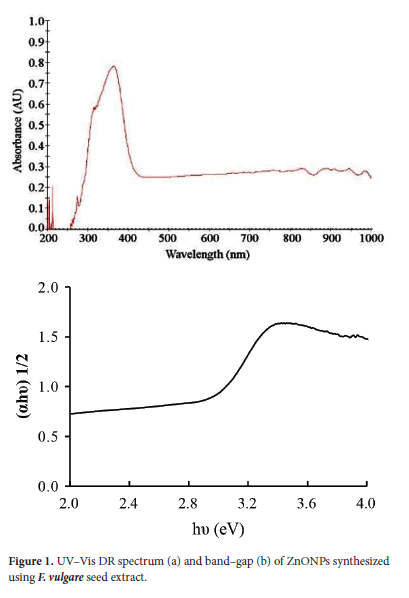
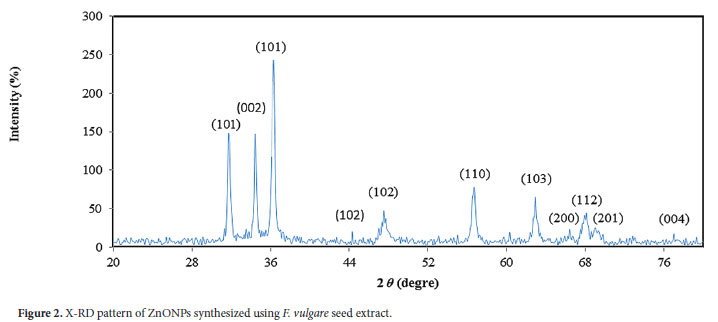
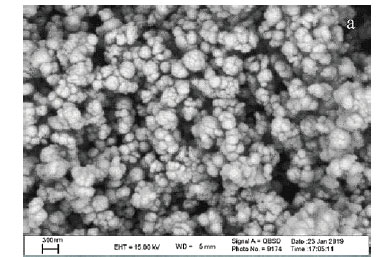
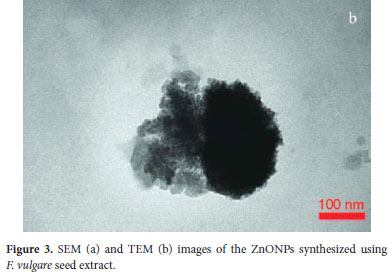
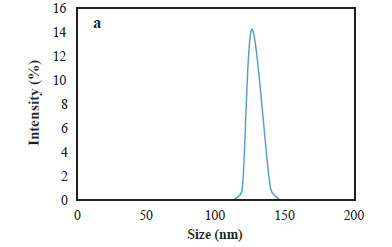
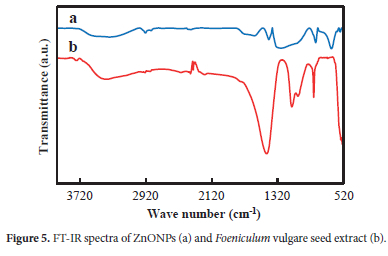
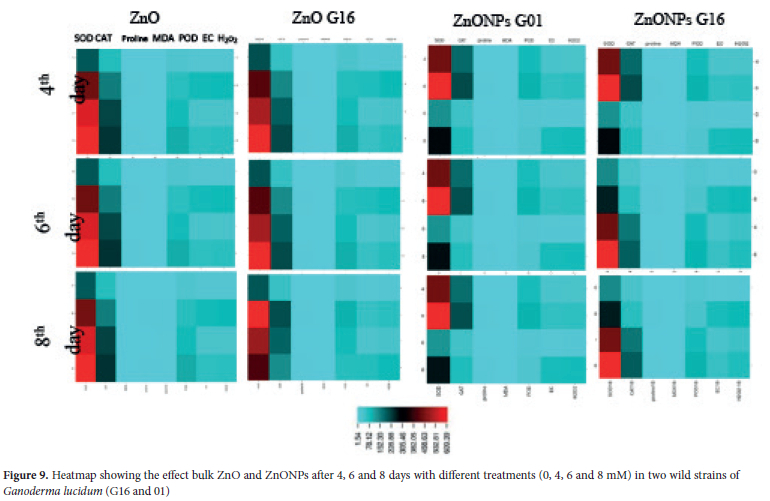
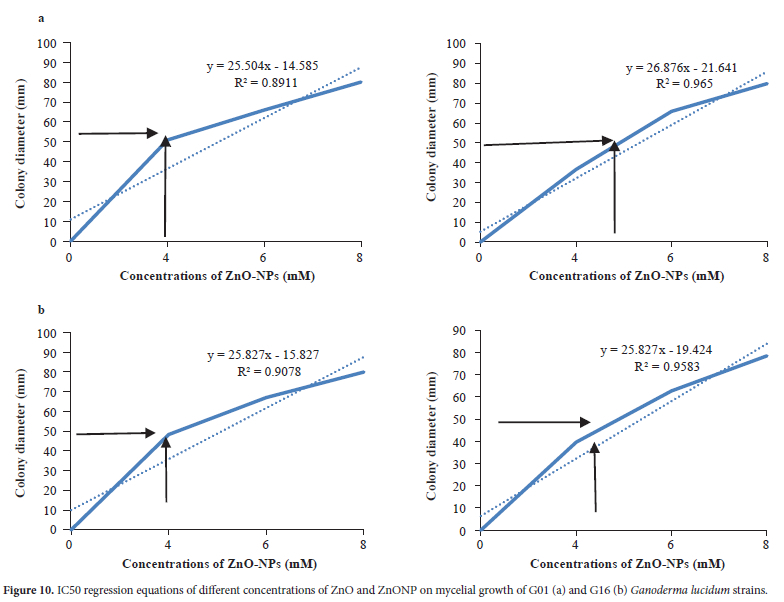
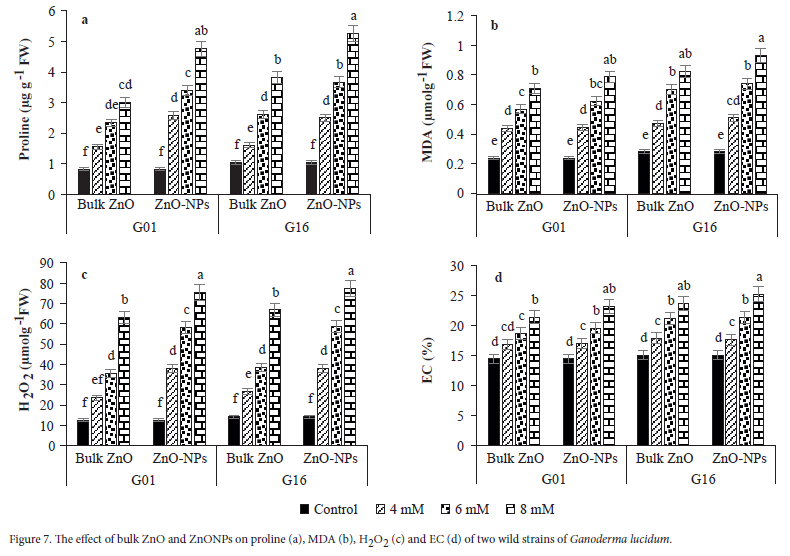
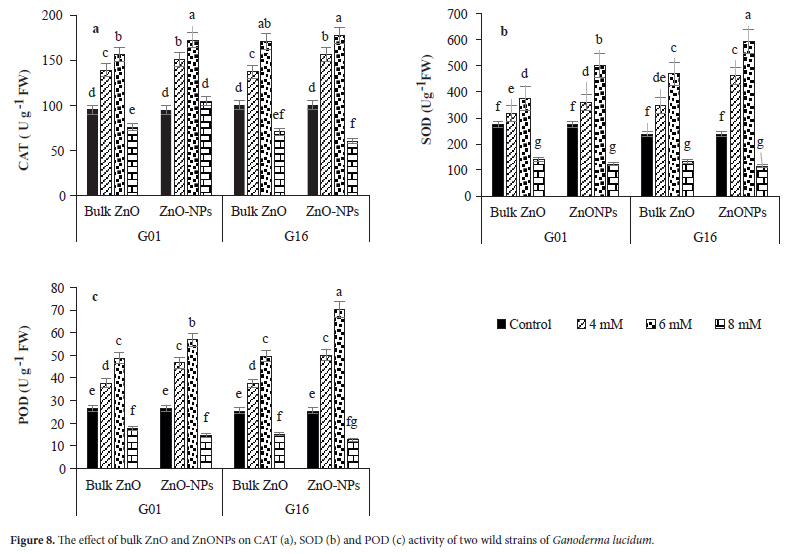
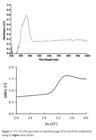
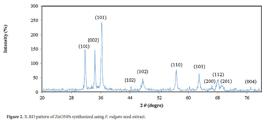
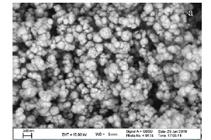
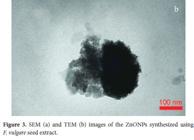
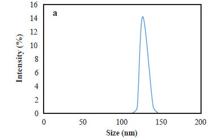
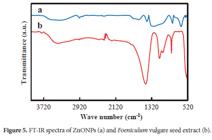
Green nanotechnology is an environmentally friendly method that can reduce the negative impacts of chemical materials on humans and the environment. In this study, aqueous extracts of Foeniculum vulgare seed were used for the green synthesis of ZnONPs. The experiment was done in a nutrient solution supplemented with either ZnONPs or bulk ZnO (0, 4, 6 and 8 mM) in two mycelial strains of Ganoderma lucidum. To confirm that nanoparticles were synthesized, relevant devices were used, i.e. ultraviolet (UV-Vis) spectroscopy, dynamic light scattering (DLS), Fier conversion infrared spectroscopy (FT-IR), X-ray diffraction (XRD), electron analysis Microscope (SEM) and transmission electron microscope (TEM). The size of ZnONPs varied between 13 and 25 nm. ZnONPs and bulk ZnO were used for evaluating several growth factors, such as diameter and area of the colony, percentage of inhibition, physiological and biochemical traits. The results showed that ZnONPs and bulk ZnO reduced the mycelial growth rate, but significantly increased the contents of MDA (lipid peroxidation), H2O2 (hydrogen peroxide), EC (electrolyte leakage), CAT (catalase), SOD (superoxide dismutase) and POD (peroxidase). The concentration of ZnONPs and bulk ZnO, up to 6 mM, increased the activity of antioxidant enzymes, but higher concentrations reduced the activity. ZnONPs and bulk ZnO lowered the rate of mycelial growth in Ganoderma by creating oxidative stress. Ultimately, the mycelia acted against the oxidative stress by increasing the production of antioxidants. The results of this study suggest that ZnONPs and bulk ZnO, especially ZnONPs, leads to the improved antioxidant capacity of Ganoderma.
enzyme activity; Ganoderma; mycelial growth; nanoparticles; zinc oxide
 Thumbnail
 Thumbnail
 Thumbnail
 Thumbnail
 Thumbnail
 Thumbnail
 Thumbnail
 Thumbnail
 Thumbnail
 Thumbnail