Evaluation of the capacity of Ivory Coast clay to depollute water contaminated by Hg, Pb, Cd and As
Abstract
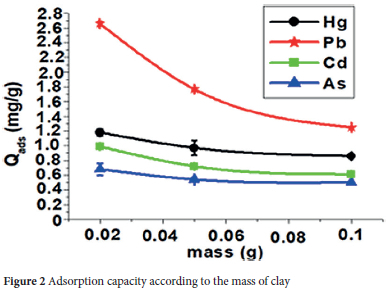
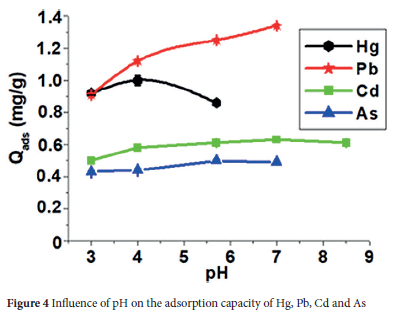
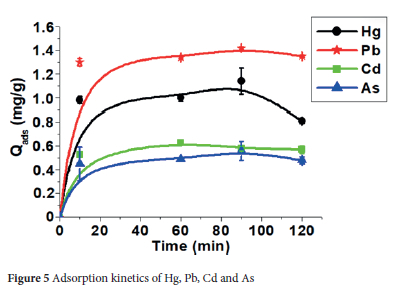
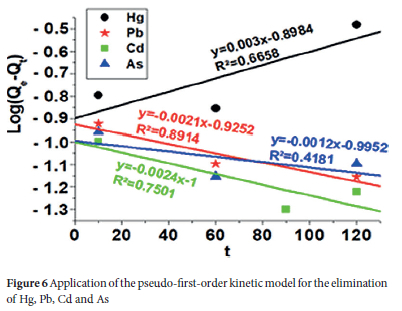
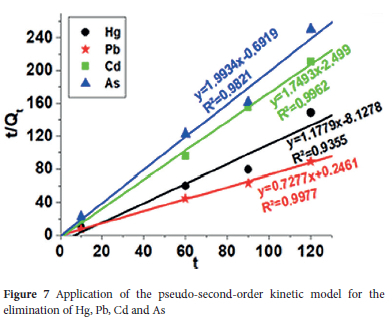
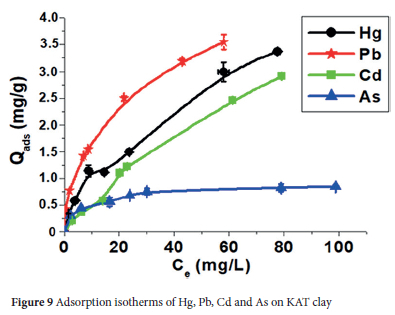
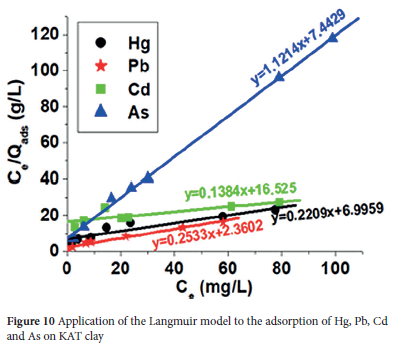
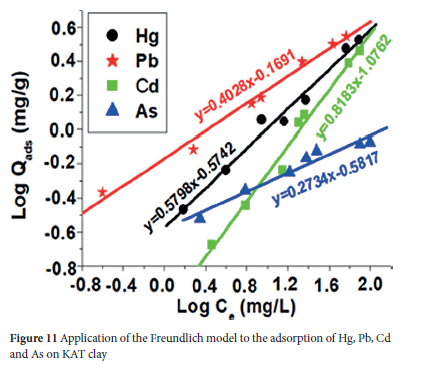
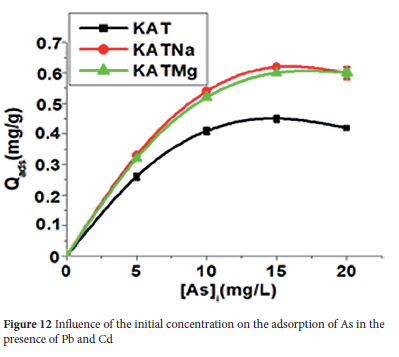
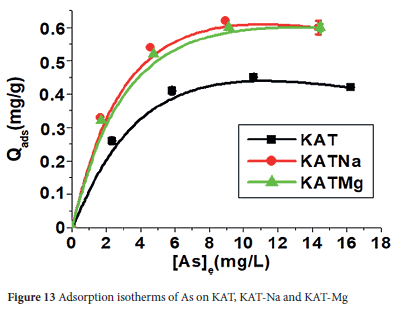
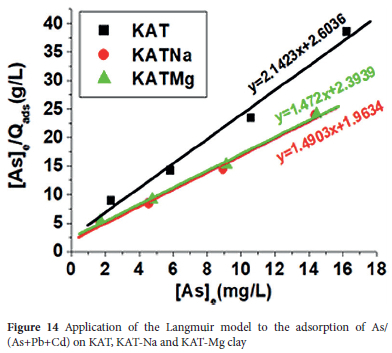
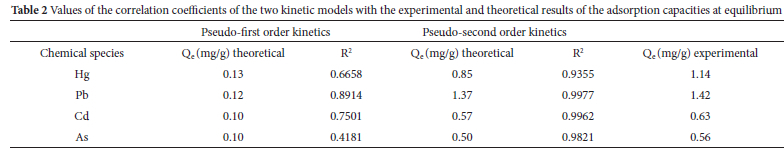
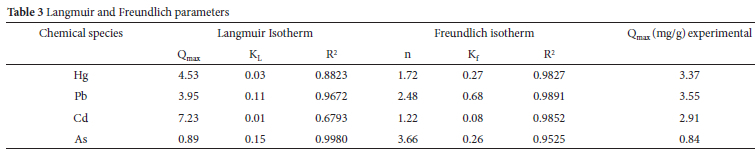
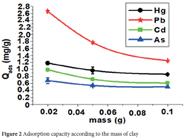
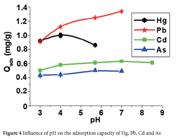
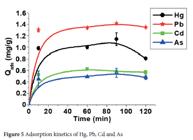
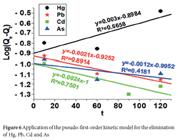
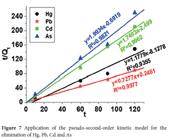
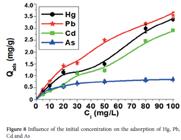
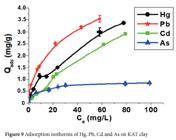
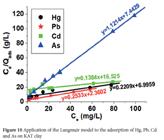
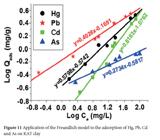
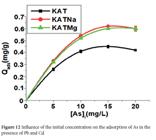
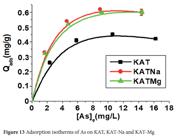
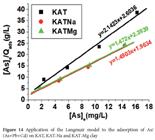
Anthropogenic activities in general and mining in particular, are at the root of the pollution of water resources by metals and metalloids in the Ivory Coast. These pollutants have harmful effects on the health of the population and therefore must be eliminated from the impacted water before consumption. Based on its mineralogical composition and physico-chemical properties, this study aimed to assess the capacity of Katiola clay (Côte d'lvoire) to remove metals (Hg, Pb, Cd) and arsenic in aqueous solutions. Adsorption was used to remove the chemical species. Different parameters that can influence the adsorption were studied (mass, pH, contact time and initial concentration). Relative to monometallic adsorption, the removal of chemical species decreased as follows: Pb<Hg<Cd<As. This removal reached 63.86% for Pb, 45.25% for Hg, 31.92% for Cd and 25.46% for As. The pseudo-second-order kinetic model better described the adsorption. As for the adsorption isotherms, the Langmuir model better represented the elimination of arsenic. While the Freundlich linearization better described the adsorption of metal cations (Pb, Hg and Cd). During polymetallic adsorption, lead and cadmium hindered the removal of arsenic. However, the use of the fine fraction of the clay saturated with sodium or magnesium optimized the adsorption efficiency of arsenic.
Water; pollution; metals; clay; adsorption
 Thumbnail
 Thumbnail
 Thumbnail
 Thumbnail
 Thumbnail
 Thumbnail
 Thumbnail
 Thumbnail
 Thumbnail
 Thumbnail
 Thumbnail
 Thumbnail
 Thumbnail