Investigations into alternative analytical approaches for N-nitrosamine contamination in drinking water
Abstract
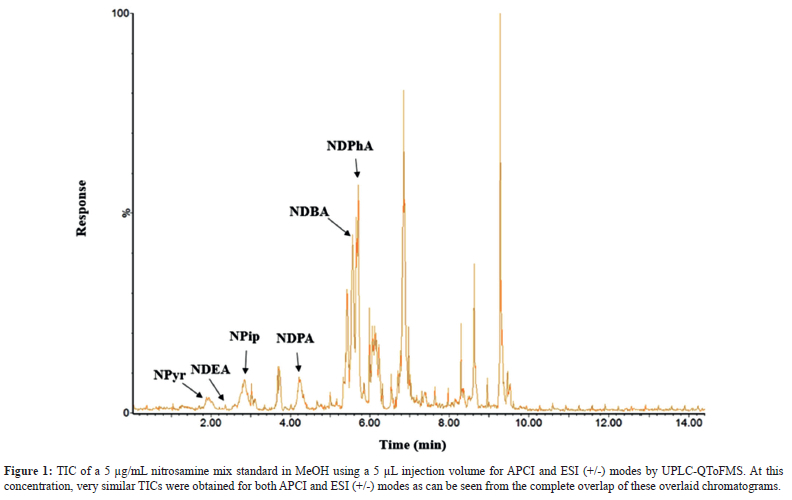
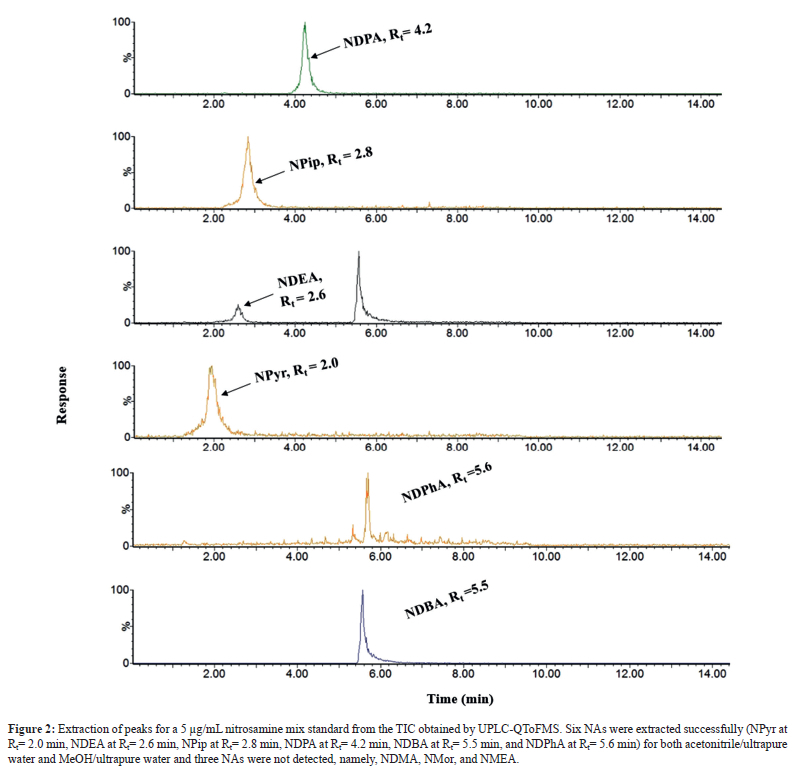
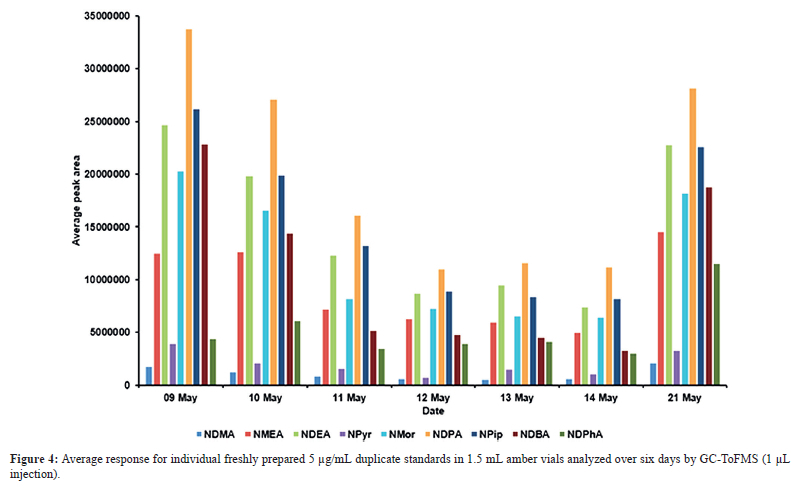
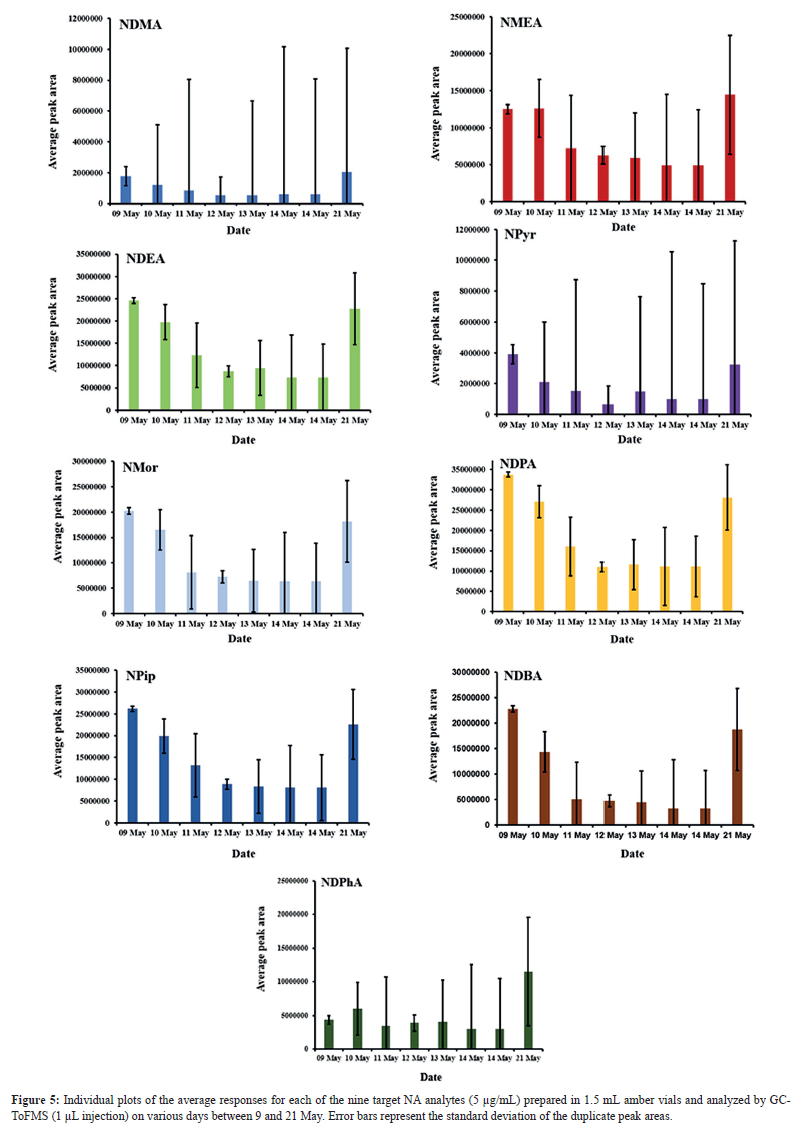
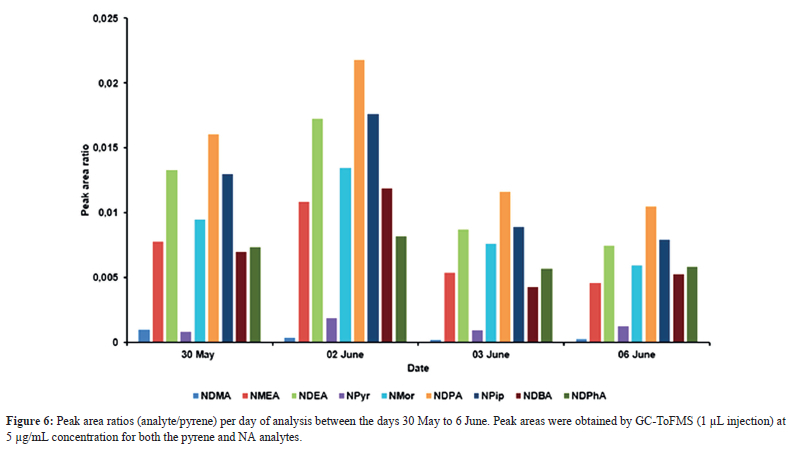
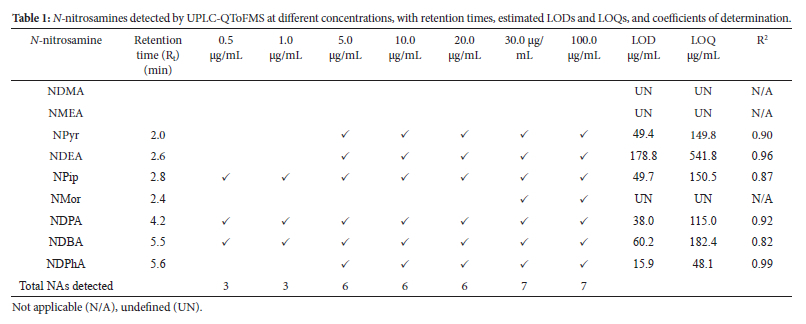
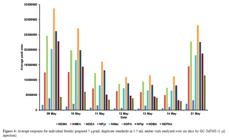
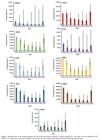
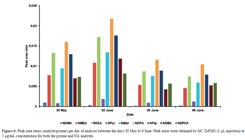
NNitrosamines (NAs) are probable human carcinogens and their occurrence in drinking water is predominantly attributed to chloramination and chlorination disinfection in the presence of amine species. Although methods have been reported for NAs in drinking water with very low detection limits, the equipment required may not be readily available. The use of alternative instrumentation, namely UPLC-QToFMS and GC-ToFMS was thus investigated. Upon analysis of NAs by UPLC-QToFMS, the same number of peaks (6 or 7) were detected for both atmospheric-pressure chemical ionization (APCI) and electrospray ionization (ESI) for the nine NAs (NDMA, NMEA, NPyr, NDEA, NPip, NMor, NDPA, NDBA, and NDPhA) that were analyzed by UPLC-QToFMS at concentrations >5 μg/mL, but APCI performed better than ESI at lower concentrations (0.5 and 1.0 μg/mL). Importantly, NAs were found to degrade over time with eight out of the nine NAs showing a decrease in peak area response of > 60% after five days when the stability of NA standards was determined by GC-ToFMS. Consequently, the detection of NAs at trace levels becomes even more challenging due to their inherent instability.
N-nitrosamine; disinfection byproduct; N-nitrosodimethylamine; drinking water; nitrosamine stability
 Thumbnail
 Thumbnail
 Thumbnail
 Thumbnail
 Thumbnail