Health risk assessment of vegetables and garden soil contaminated with pharmaceutical residues from irrigation water
Abstract
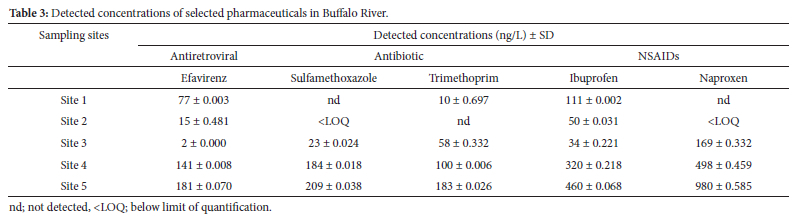
The perseverance of pharmaceuticals in water has led to their occurrence in the agroecosystem potentially posing significant human health risks. This study examined the presence of efavirenz, ibuprofen, naproxen, sulfamethoxazole, and trimethoprim in river water, garden soils, cabbage, and spinach. Ultrasound-assisted extraction and solid phase extraction techniques were used to prepare solid and aqueous samples, respectively, before LC-qTOF-MS analysis. The sample preparation methods gave 79-119% recoveries upon validation. The method quantification limits for aqueous and solid samples were 0.07-5.4 ng/L and 0.28-25.3 ng/kg, respectively. The study detected efavirenz (2-181 ng/L), ibuprofen (34-460 ng/L), naproxen (<LOQ-980 ng/L), sulfamethoxazole (<LOQ-209 ng/L), and trimethoprim (10-183 ng/L) in river water. In the edible portion of vegetables, ibuprofen, sulfamethoxazole, and trimethoprim were detected in cabbage leaves, whereas only trimethoprim was detected in spinach leaves. Trimethoprim was the only drug detected in irrigation water (1030 ng/L), while trimethoprim and ibuprofen were detected below quantification limits in garden soil samples. The concentrations of efavirenz and sulfamethoxazole in river water were found to be of significant risk to Vibrio fischeri and algae. However, all the detected pharmaceuticals in the edible portion of vegetables pose a negligible risk to human health. The study also tentatively identified 108 additional drugs, highlighting the need for more monitoring of pharmaceuticals in human food chains.
Pharmaceuticals; Agroecosystem; Aquatic environment; Ultrasound-assisted extraction; Solid-phase extraction; Health risk assessment
INTRODUCTION
The global increase in medication accessibility has resulted in the continuous presence of pharmaceuticals in the aquatic environment. As drugs are ingested for therapeutic purposes, they are excreted in their unchanged state as a part of human waste, ultimately entering wastewater treatment plants (WWTPs), where they are partially treated and then released into the environment.123,4 thus demonstrating the inability of conventional drinking water treatment processes to remove them. Many communities depend on drinking water suppliers to irrigate homestead crops, potentially leading to pharmaceutical residues in the human food chain and exposing individuals to these compounds. Notably, rivers heavily contaminated with pharmaceuticals are the primary source of these residues in drinking water suppliers.5
Several greenhouse and hydroponic studies have demonstrated the ability of vegetables to take up pharmaceuticals.6-8 In such studies, vegetables are intentionally exposed to pharmaceuticals at certain concentrations that are sometimes not relevant to their environmental levels. Some studies have reported the presence of pharmaceuticals in vegetables cultivated under real conditions after being irrigated with reclaimed wastewater.9,10 These investigations were conducted in light of the increasing popularity of utilizing reclaimed wastewater and sewage sludge in agricultural practices, driven by the belief in their high organic content, which is capable of increasing soil fertility and crop productivity.1112
The mechanism of pharmaceutical uptake by vegetables is a complex process as it is influenced by various factors, including soil type, plant physiology, and environmental conditions. However, chemical hydrophobicity stands out as the most critical factor affecting the uptake and accumulation of pharmaceuticals in vegetables.13 ow) ranging between 1 and 3.5 exhibit optimal uptake potential due to a balanced solubility in both lipid and aqueous environments.14via the roots and subsequently translocated to the upper segments of the plants through the vascular tissues.15
The current study focused on evaluating the influence of river water on the occurrence of pharmaceuticals in cabbage and spinach as well as garden soil cultivated in real-field conditions. These vegetable species were selected because they can be planted during any season, they are readily available, and they can be consumed in their raw state, posing direct exposure if they are contaminated with pharmaceuticals. The selected pharmaceuticals were two antibiotics (sulfamethoxazole and trimethoprim), two non-steroidal anti-inflammatory drugs (NSAIDs) (ibuprofen and naproxen), and an antiretroviral drug (efavirenz) (Table S1). Most pharmaceutical monitoring studies in food samples are based on controlled experiments, wherein vegetables are exposed to high levels of pharmaceuticals. Therefore, the risk assessments derived from these studies may be inaccurate, as they are based on conditions that do not reflect typical environmental exposures. This study investigated the presence of pharmaceutical residues in vegetables and garden soil grown under real-field conditions and irrigated with tap water. It also evaluated the presence of pharmaceuticals in the Buffalo River, which feeds the Bridle Drift Dam, which serves as a water source for the Umzonyana water treatment works in East London. Moreover, the study further examined the effect of cooking on the levels of pharmaceutical residues in vegetables. This aspect of cooking's effect on contaminant levels is a novel contribution to the field, enhancing the understanding of human exposure and health risks associated with consuming contaminated food. This study aimed to reveal the potential health effects of pharmaceutical residues in food using rigorous scientific techniques and analysis, as well as contribute to advances in food safety and public health.
EXPERIMENTALChemicals and materials
All the pharmaceutical standards used in this study (efavirenz (99.8 %), ibuprofen (99.6 %), naproxen (>98 %), sulfamethoxazole (>98 %), and trimethoprim (99.8 %)) were procured in powder form from Merck Chemicals (Pty) Ltd (Johannesburg, South Africa). The solvents: acetonitrile (99.9 %), ethyl acetate (99.8 %), formic acid (98 %), and methanol (99.9 %) were of LC-MS grade, procured from Merck Chemicals. Ultra-high purity water was generated at the University of South Africa laboratory at the Florida Science Campus. The Oasis' HLB 6cc/150 mg SPE cartridges from Microsep (Johannesburg, SA) were used in solid-phase extraction (SPE).
Sampling and sample pre-treatment
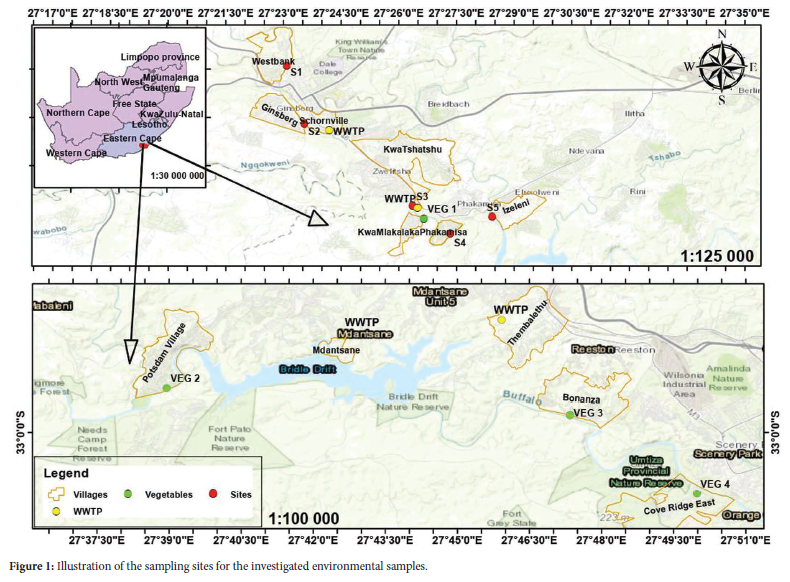
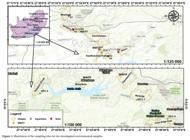
River water samples were collected from the Buffalo River in the Eastern Cape province of South Africa. Simultaneously, samples of vegetables and garden soils were collected from four households located near the same river. Figure 1 illustrates the locations where both aqueous and solid samples were collected. The first sampling site (S1) for river samples is situated in King Williams Town, near the vicinity of a shopping center. This location served as the starting point for the collection of river samples along the Buffalo River. The second sampling site (S2) is within the Schornville community, preceding the point where the Buffalo River receives effluent discharges from the WWTP in Schornville. This location was strategically chosen to assess the river's condition before it received wastewater from a sewage treatment plant that was not operational during the time of sampling. The third sampling site (S3) is located downstream of the WWTP located in Schornville and considered the untreated sewage discharges into the river. This site is before the effluent discharge point of a WWTP located in Zwelitsha Township. The illegal dumping of solid wastes was observed adjacent to this site (S3), which has the potential to contribute to the occurrence of pharmaceuticals in the environment. The fourth sampling site (S4) is located downstream of the treatment plant in Zwelitsha Township, following the point where the Buffalo River merges with water from the Umkhanyiso River. Finally, the fifth sampling site (S5) is positioned downstream of the point where the Buffalo River converges with the Yellowwood River, near the Izeleni community.
Grab samples from the river were collected into 1-liter glass bottles. Meanwhile, vegetable samples were gathered intact with their roots and soil. At the time of sampling, residents asserted that these vegetables had been watered with tap water. Consequently, tap water samples were also collected to investigate the potential source of the identified pharmaceuticals. Resealable bags and aluminium foils were used to store sampled vegetables and soils, respectively. After that, samples were transported to the laboratory in an ice-filled cooler box. Upon arrival, aqueous samples (river water and tap water) were filtered through 11 Whatman filter paper to eliminate suspended solid materials before the extraction process. Meanwhile, vegetables were sub-divided into leaves, stems, and roots. After that, leaves and stems were segmented further into smaller pieces, rinsed with distilled water, and kept in a refrigerator at - 20 °C. All the sub-divided segments were then freeze-dried using Labcon FreeZone 2.5 freeze drier from Vacutec (Johannesburg, South Africa). The freeze-dried samples were then ground into powder using Ball Mill BM40 equipment from the POWTEQ Planetary (Beijing, China). The samples were then passed through a <150 mm sieve and kept in the refrigerator until the extraction process.
Sample Preparation
Extraction of water samples
Pharmaceutical residues in water samples were extracted using the automated DionexTM Auto TraceTM 280 SPE device from Thermo Fisher Scientific (Waltham, United States) following the previously reported method.16
Extraction of solid samples
Pharmaceuticals in vegetables and garden soils were extracted using the ultrasound-assisted solvent extraction technique, following the method described by,8v/v) was employed to extract analytes in garden soils. The solution was subsequently sonicated for 5 minutes and centrifuged for 5 minutes at 3000 rpm. This procedure was repeated three times, and the resulting extracts were combined. Following this, the extracts were concentrated by reducing the extraction solvent to 1 mL through vaporization and then reconstituted with 250 mL of deionized water for sample cleanup, employing the same SPE procedure as described for water samples.
Liquid chromatographic analysis
The analysis of selected pharmaceuticals was conducted utilizing the Dionex UltimateTM 3000 UHPLC system obtained from Thermo Fisher Scientific (Waltham, MA, USA). This system comprised a binary pump, online degasser, and autosampler. It was interfaced with an Impact 11 Quadrupole Time-of-Flight Mass Spectrometer (QTOF-MS) provided by Bruker (Bremen, Germany). The chromatographic separation of the chosen pharmaceuticals was accomplished using an XBridgeTM C8 column (3.5 µm, 3 x 100 mm) maintained at 30 °C. The mobile phase comprised 0.1% formic acid in ultrahigh-purity water and 0.1% formic acid in acetonitrile, operated under gradient elution. The elution process commenced with 2% organic solvent for 1.5 minutes, followed by a linear increase to 10% over 2.5 minutes, further increasing to 50% over 6 minutes, reaching 100% over 2 minutes, and subsequently returning to initial conditions. The sample injection volume and mobile phase flow rate were configured to be 10 and 0.300 mL/min, respectively. 1n the MS instrument, nitrogen gas produced by the Peak Scientific Genius nitrogen generator was used as both the nebulizer and auxiliary gas. The nebulizer gas was set to 1.8 bar, while the capillary voltage was set at 4500 V. Additionally, the drying gas (auxiliary gas) flow rate was maintained at 8 L/min, with a temperature of 220 °C. Data analysis was conducted using the Bruker QuantAnalysis software, where all analytes were processed under positive ionization conditions.
Validation of the analytical method
The analytical method employed underwent validation to ensure its effectiveness in extracting and analysing the target compounds from both aqueous and solid samples. This comprehensive validation process encompassed the assessment of method linearity, extraction efficiency, precision, and sensitivity, ensuring robustness and reliability across varied sample matrices. This was accomplished by fortifying both liquid and solid samples with a mixed standard solution at concentrations of 5 and 15 µg/L for liquid samples and 5 and 15 ng/g for solid samples. This fortification step was carried out prior to subjecting the samples to their respective sample preparation techniques. The extraction efficiency was then assessed by calculating the recoveries of each analyte in both aqueous and solid samples. This rigorous process was performed in triplicate to accurately ascertain the precision of the analytical method through the determination of relative standard deviation. The sensitivity ofthe analytical method was scrutinized by determining both the method detection limit (MDL) and method quantification limit (MQL). These limits were computed based on the concentrations at which the signal-to-noise ratios were 3 and 10, respectively. This assessment allowed for a comprehensive understanding of the method's sensitivity and its capability for detecting and quantifying analytes with acceptable precision.
Non-targeted screening of pharmaceuticals in the environmental samples
The environmental samples under investigation underwent screening to evaluate the presence of additional pharmaceuticals that did not form part of the target drugs under study. This comprehensive screening was aimed to provide a broader understanding of the pharmaceutical pollution within the samples. This was accomplished by first converting the mass spectrometry raw data files into the mzXML format using the MSConvert software. The mzXML files were processed using MZmine 2.53 software,1718
Health risk assessment
Ecological health risk assessment
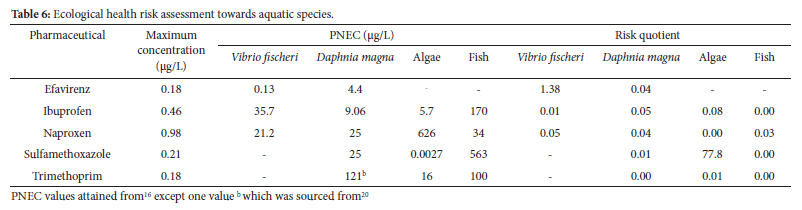
The risk posed by the detected concentration of each pharmaceutical present in river water toward the aquatic species was classified using the risk quotient approach.1921Vibrio fischeri, Daphnia magna, algae, and fish. The health risk posed by the presence of the selected pharmaceuticals was classified as low, medium, and high risk indicated by the risk quotient value of <0.1, 0.1 to 1, and >1, respectively.

Human health risk assessment
The concentrations of pharmaceuticals found in the edible parts of the vegetables were used to assess potential risks associated with consuming these vegetables. This involved the determination of the estimated daily intake (EDI) of the detected pharmaceuticals from vegetable consumption using Equation 2.

where C, DR, and bw represent the analyte concentration, body weight of the consumer, and the average daily intake rate, respectively. It was assumed that an adult weighing 70 kg would consume 400 g/person/day of cabbage, while a child weighing 10 kg would consume 237 g/person/day of spinach. These assumptions were based on typical daily consumption rates of cabbage and spinach for both adults and children in South Africa.22
The resulting EDI values were applied in establishing the hazard quotient (HQ) values as shown in equation 3.

where ADI is an acceptable daily intake for each compound. The ADI represents the amount of a substance that can be safely ingested throughout a person's lifetime without causing harm.239,24 The risk was considered negligible if the calculated HQ value was below 0.01.
RESULTS AND DISCUSSION
Quality Assurance
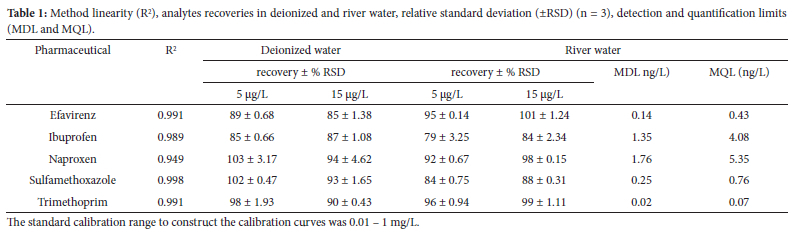
The accuracy and precision of the analytical method were assessed by fortifying both aqueous and solid samples with a mixed standard solution containing all analytes at two distinct concentrations: 5 and 15 µg/L for aqueous samples and 5 and 15 ng/g for solid samples. This was done to assess the robustness and the extraction ability of all selected pharmaceuticals in real sample matrices. As observed in Table 1, for all the pharmaceuticals, acceptable recoveries ranging from 79 - 101% were observed for river water samples. The corresponding relative standard deviation (RSD) values were below 5%, illustrating the precision of the method. Figure S1 further illustrates the chromatographic separation of the investigated pharmaceuticals by presenting the extracted ion chromatograms attained for the analysis of spiked environmental samples. This method also demonstrated high sensitivity towards the targeted pharmaceuticals, as evidenced by the MDL and MQL ranging from 0.02 to 1.76 ng/L and 0.07 to 5.35 ng/L, respectively.
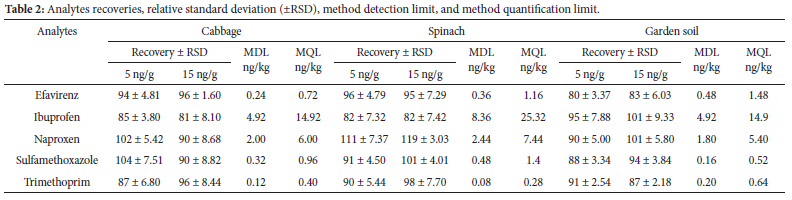
Ultrasound-assisted extraction proved to be highly efficient in extracting the targeted pharmaceuticals from vegetables and garden soil. This efficacy is demonstrated by the recoveries ranging from 81 - 119% across all samples, with %RSD values consistently below 10% (Table 2). The reported MDL and MQL values across all samples showcased the capability of the analytical method to detect and quantify the selected analytes at parts per trillion levels.
It is well known that SPE plays a crucial role in extracting and pre-concentrating analytes from complex matrices, thereby enhancing sensitivity and selectivity in analytical techniques.25
Identification of selected pharmaceuticals in the environmental samples
The identification of pharmaceuticals within the investigated environmental samples was conducted through a rigorous analytical approach. Initially, the analyte's retention times and ionized masses in samples were compared with those of established reference standards, serving as the primary means of identification. Subsequently, to further validate the identity of these compounds, their MS/MS fragmentation patterns were analysed and compared with those obtained from the standard references. Figure S2 presents the MS/MS spectra of the selected pharmaceuticals and their respective fragmentation patterns. Notably, the precursor ions of efavirenz (316.0315 m/z), ibuprofen (207.1376 m/z), naproxen (231.1016 m/z), sulfamethoxazole (254.0597 m/z), and trimethoprim (291.1450 m/z) exhibited close agreement with values reported in the literature.4,26,27 This concordance reinforced the confidence in the accurate identification of these pharmaceuticals within the environmental samples under investigation.
Occurrence and prevalence of selected pharmaceuticals in Buffalo River
The presence of pharmaceuticals in the environmental waters has been extensively studied in South Africa,28,29 thereby providing valuable insights into the extent and dynamics ofpharmaceutical contamination in South African aquatic environments. The concentrations of the selected pharmaceuticals observed in this study are presented in Table 3. Traces of efavirenz and ibuprofen were detected across all surveyed sites, indicating widespread contamination of these pharmaceuticals in the Buffalo River. These compounds were found within the concentration ranges of 2 - 181 ng/L and 34 - 460 ng/L, respectively. The 100% detection of these compounds could be attributed to consumption patterns. For instance, South Africa has an extensive number of people benefiting from HIV treatment,2830et al, reported comparable concentrations of naproxen in the Mbokodweni River, ranging from 1 to 3.8 µg/L.31
Sulfamethoxazole and trimethoprim were also found in 80% of the sampled sites, with the concentrations ranging from <LOQ - 209 ng/L and 10 - 183 ng/L, respectively. The significant detection of these antibiotics in this study comes as no surprise, as they are consistently found in the South African aquatic environment. These drugs are primarily employed in treating animal infections, particularly for combating coccidiosis in poultry.3234,35,36 For instance, a study conducted by Mhuka et al. reported a high detection of these antibiotics in Apies River (South Africa), with a concentration of 300 ng/L and 100 ng/L, respectively.3436
Occurrence and prevalence of pharmaceuticals in irrigation water, garden soil, and vegetables
Irrigation water
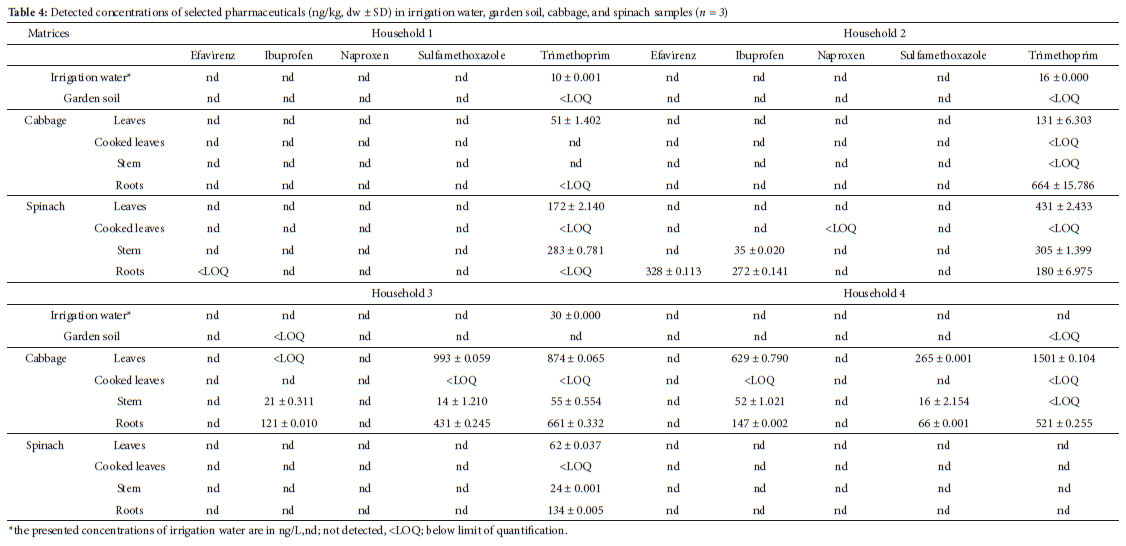
All the investigated households used tap water to irrigate the vegetables. Hence, tap water also underwent analysis to ascertain the origin of pharmaceuticals found in the vegetables and the results are presented in Table 4. Trimethoprim was the sole analyte detected in the tap water used for irrigating cabbage and spinach samples with the concentration reaching 30 ng/L. The detection of trimethoprim in tap water indicates that conventional drinking water treatment processes are not effective in terms of removing pharmaceuticals. Similar observations were previously reported in a previous study.4
Garden soil
Commonly, vegetables uptake pharmaceuticals when irrigated with contaminated water or when grown on contaminated soil.837Table 4). Thus, indicating the persistency of these drugs in the environment. Analytes that were not detected in garden soil samples may have been influenced by factors such as dilution, degradation, transformation into metabolites, and uptake by plants.
Vegetables
In all analysed vegetable segments, trimethoprim was the most dominant analyte with the highest detection found at 1501 ng/kg, dw in cabbage leaves from household 4 (see Table 4). The second highest detection observed was sulfamethoxazole in cabbage leaves from household 3. Sulfamethoxazole and trimethoprim are commonly used in combination, typically in a ratio of 5:1 to effectively treat a wide range of bacterial infections in animals.3839
The uptake of pharmaceuticals by vegetables is a complex mechanism that is impossible to cover in detail within this study. Initially, the process begins with the absorption of pharmaceuticals by the roots of the plant. Subsequently, these absorbed pharmaceuticals are transported to the aerial parts of the plant, contributing to their presence in the aerial tissues.40,41 Hence, it is crucial to monitor the distribution of pharmaceuticals in various plant segments. In cabbage stem, pharmaceutical levels were observed to be mostly below quantification levels, indicating limited retention of pharmaceuticals within the stem tissue. However, in spinach stem, trimethoprim was mostly found at quantifiable concentrations recording a maximum of 305 ng/kg, dw, suggesting some degree of uptake in the stem tissue. Efavirenz emerged as the least detected analyte across all samples, exclusively appearing in spinach roots. This observation can be attributed to its distinctive characteristics, particularly its low water solubility (10 mg/L) and relatively large molecular size (315.68 g/mol), which limit its permeability through cell membranes. As a result, efavirenz faces difficulty in translocating to the aerial parts of the plant, leading to its exclusive detection in spinach roots.42,43 The highest detection of efavirenz in spinach roots was 328 ng/kg, dw. However, a study by Akenga et al. reported a significantly higher accumulation of 3463 ng/g in spinach roots following exposure to a concentration of 100 µg/L in a hydroponic experiment.8
Impact of cooking vegetables
The study also investigated the effects of cooking on the presence of pharmaceuticals in vegetables. In this experiment, both cabbage and spinach leaves were boiled for 5 minutes and then analysed. This takes into consideration the limited cooking time that is mostly explored by many consumers. As shown in Table 4, all the analytes were found to be below the limit of quantification in the cooked samples except for trimethoprim which was not detected in the cooked cabbage sample from household 1. This suggests that the process of cooking may lead to the thermal degradation of pharmaceutical residues or their dissolution from vegetable materials into the boiling water, possibly due to the high-water solubility of the pharmaceuticals. However, naproxen, which was not initially detected in spinach leaves from household 2, was found to be present below the quantification limits in the cooked sample. This unexpected finding could suggest that naproxen transformed during the cooking process, potentially becoming more biologically active. This warrants more research to better understand these changes and their implication for food safety and human health. This aspect could be explored by analysing the water used for cooking the vegetables, a factor that was not considered in this study. Furthermore, this study showcased a need to monitor the metabolites of these pharmaceuticals and the parent compounds in vegetables before and after cooking. This is necessary to understand the transformation of these drugs during exposure to high temperatures.
Overall, the results presented in this study highlight the differential accumulation and distribution of pharmaceutical residues within different parts of cabbage and spinach plants. Leaves exhibited the highest concentrations of pharmaceuticals, followed by roots, with stems showing the lowest levels across all the samples. These findings underscore the importance of understanding pharmaceuticals' uptake and translocation mechanisms in plants, particularly leafy greens like spinach and cabbage, and their implications for food safety and human health. Further research is necessary to elucidate the factors influencing pharmaceutical uptake in plants and to develop strategies for mitigating their potential impact on consumer health and the environment.
Translocation of pharmaceuticals to aerial parts of the plant
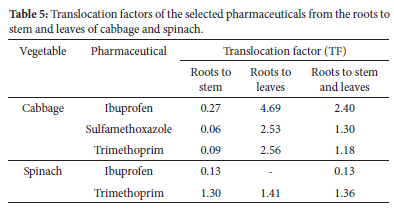
Pharmaceuticals that were found present in the aerial parts of the plant (stem and leaves) were ibuprofen, sulfamethoxazole, and trimethoprim. The extent to which these analytes were transported to aerial segments was assessed by computing the translocation factor for each analyte. This was accomplished by dividing the concentration into the aerial segments by that found in the roots using equations 4, 5, and 6.
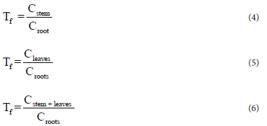
where Tf, Cstem, Cleaves, and Croots, represent translocation factors, pharmaceutical concentration found in the stem, leaves, and roots, respectively.
The resultant translocation factors are presented in Table 5. Efavirenz and naproxen were not detected in the stems and leaves of both cabbage and spinach, prohibiting the computation of translocation factors for these analytes. It has been documented previously that lipophilic compounds like efavirenz and naproxen often exhibit limited mobility within plants.44
As indicated in Table 5, the translocation factors of analytes from roots to stems in cabbage plants were predominantly less than 1, except for trimethoprim, which recorded a translocation factor of1.30 in spinach. On the contrary, the translocation factors of all analytes from roots to leaves were found to be greater than 1, suggesting a high propensity for analytes to migrate from roots to leaves.8
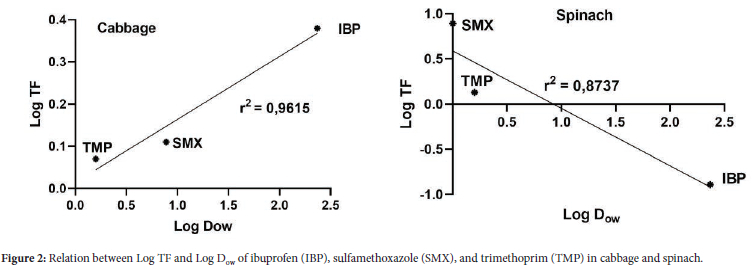
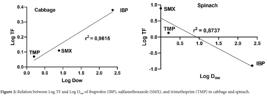
Statistical analysis was conducted to evaluate the potential factors influencing the accumulation of pharmaceutical residues in the aerial parts of the plant. This involved converting the octanol-water partition coefficient (Log Kow) to the pH-adjusted octanol-water partitioning coefficient (log Dow) using a pH value of 6.5. This pH was chosen based on the preference of both cabbage and spinach for slightly acidic to neutral soil pH, which promotes their optimal growth.45ow in both cabbage and spinach presented a magnificent statistical relation (r2Figure 2). Thus, the accumulation of these pharmaceuticals in roots and their translocation to aerial parts might be influenced by the hydrophobicity of the analytes. It has been documented elsewhere that compounds with intermediate polarity (Log Dow) in the range of 0.5 - 3, are readily distributed within the plant to the aerial parts of the plants.46
Health risk assessment
Assessment towards aquatic species
The potential ecological impact of the selected pharmaceuticals on aquatic species was assessed through the computation of the risk quotient. Table 6 presents the resulting risk quotient values for the selected pharmaceuticals concerning aquatic species. Despite naproxen being detected at the highest concentration (980 ng/L) compared to other pharmaceuticals, the observed level poses no health risk to Vibrio fischeri, Daphnia magna, algae, and fish. However, efavirenz which was detected at the lowest concentration of 181 ng/L was observed to be of high risk to Vibrio fischeri. Also, the maximum concentration of sulfamethoxazole was observed to be of high risk to algae. These findings highlight the necessity to constantly monitor the presence of efavirenz and sulfamethoxazole in aquatic environments. The continuous discharge of pharmaceuticals from WWTPs and improper disposal, along with other possible sources, could increase the concentrations of pharmaceuticals that are deemed harmless to aquatic species in this study. Furthermore, other pharmaceuticals may be present in much higher quantities potentially presenting certain risks to aquatic species. Hence, it is imperative to expand the analytical scope to encompass a wide range of pharmaceuticals in environmental waters as well as consider the effect of low-dose chronic exposures. This expansion will enable more enhanced risk assessments of aquatic species exposed to pharmaceuticals. Since some aquatic species form part of human food chains, their high exposure to pharmaceutical residues might also expose humans to these pollutants.
Assessment towards humans
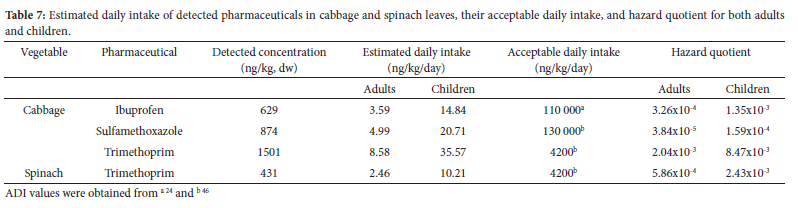
Human health risks associated with the consumption of cabbage and spinach contaminated with pharmaceuticals were evaluated. This was accomplished through the computation of estimated daily intake (EDI) which was derived from the maximum concentration detected in both cabbage and spinach. The resultant EDI values for each analyte were then compared with the acceptable daily intake for each pharmaceutical and the results are shown in Table 7. As observed in Table 4, trimethoprim was the only drug that was found present in spinach leaves, hence no EDI for the other four analytes was obtained. In all cases, the EDI of pharmaceuticals was observed to be higher for children compared to adults across all the studied vegetables. For instance, the EDI of trimethoprim for children through consumption of cabbage was found to be 35.57 ng/kg/day, whereas adults are estimated to be consuming 8.58 ng/kg/day of trimethoprim. This difference is mainly because the EDI was computed as per individual body weight. Therefore, children, with their body weight, exhibit higher EDI even with the same level of exposure. This observation aligns with the findings of the study conducted by Tadić et al. despite their focus on vegetables intentionally irrigated with reclaimed wastewater.46
Suspect screening of pharmaceuticals in environmental samples
A total of 108 pharmaceuticals were identified in the investigated samples. As shown in Table S2, 94 compounds were detected in the studied vegetables, while 65 drugs were found in the aqueous samples. Among these, antibiotics were the most prevalent therapeutic group, followed by cardiovascular agents. The high prevalence of antibiotics in South African environmental matrices is a well-documented issue.18,47,48 However, there is currently a lack of information on the presence of cardiovascular medications in South African matrices. Pharmaceuticals detected in aqueous samples are listed in Table S3. The compounds predominantly detected in these samples include acetaminophen, bicalutamide, dronedarone, norgestrel, sulfadiazine, and sulfasalazine. These compounds were found in more than five aqueous samples, showing a high prevalence in river water samples. However, the tap water collected from household 4 was found to contain 17 pharmaceuticals.
In the case of vegetables (Table S4), the dominant compounds identified were allopurinol, bicalutamide, cocaine, cyproterone, and thioridazine. These compounds appeared in more than six cooked and uncooked vegetable samples. However, most were not detected in the cooked samples, indicating thermal degradation or dissolution in the cooking water. This suggests that cooking may reduce the presence of certain pharmaceutical residues in vegetables. For instance, only 10 compounds were detected in the cooked cabbage sample from household 3, whereas 19 compounds were detected in the uncooked samples. A similar trend was observed with spinach, where 7 compounds were detected in the cooked spinach from household 4, compared to 19 in the uncooked samples. However, certain compounds that were undetected in raw samples were found in cooked samples, indicating that these compounds may have been activated through biological processes during cooking. These findings emphasize the need for further pharmaceutical monitoring studies on vegetables to ensure food safety and understanding of potential health risks associated with consuming uncooked and cooked vegetables.
CONCLUSIONS
The current study assessed the occurrence of the selected pharmaceuticals in river water, cabbage, and spinach, as well as in the garden soil cultivated under real environmental conditions. This investigation was predicated on the understanding that river water serves as a principal reservoir of pharmaceutical contaminants, commonly utilized for abstraction in drinking water treatment facilities, and subsequently utilized for vegetable irrigation. The observed concentrations in the edible parts of the studied vegetables were found to be of no harm to both adults and children. Despite conducting this survey considering the worst-case scenario of consuming vegetables daily, the presence of pharmaceutical residues in vegetables is of concern as it directly exposes individuals to these pollutants, potentially contributing to the emergence of antimicrobial resistance. In addition to the targeted pharmaceuticals, 108 other drugs were detected across the investigated samples. The findings of this study call for the immediate establishment of pharmaceutical monitoring programs and mitigative measures to prevent the occurrence of pharmaceuticals in the environment as they are finding their way into human food chains.
SUPPLEMENTARY INFORMATIONThe datasets resulting from the current study are available from the author in the case of a reasonable scientific request. Additionally, some datasets are provided in the supplementary material.
AUTHOR CONTRIBUTIONSCredit: Ronewa Netshithothole data curation, formal analysis, investigation, methodology, software, writing original draft; Lawrence Mzukisi Madikizela funding acquisition, project administration, resources, supervision, writing-review & editing.
DECLARATIONThe authors declare no competing financial interest.
DECLARATION OF GENERATIVE AIAuthors declare the use of Grammarly check AI assistance.
AUTHOR ORCIDSRonewa Netshithothole: https://orcid.org/0000-0002-5864-0815
Lawrence Mzukisi Madikizela: https://orcid.org/0000-0001-6096-2701
ACKNOWLEDGMENTS
The authors gratefully acknowledge the support provided by the National Research Foundation of South Africa (Grant numbers: 138004 and PMDS22061020895). Special appreciation is extended to Wonder Nxumalo for invaluable assistance with non-targeted screening software and training. Sincere thanks go to Tmesgen Girma Kebede for his invaluable assistance with instrumentation training. Also, very appreciated is the assistance with sample collection provided by Ms. Nonkulukeko Malomane and Ms. Mbalenhle Kabelo Nhlabathi.
REFERENCES
-
1. Holling CS, Bailey JL, Vanden Heuvel B, Kinney CA. Uptake of human pharmaceuticals and personal care products by cabbage (Brassica campestris) from fortified and biosolids-amended soils. J Environ Monit. 2012;14:3029. https://doi.org/10.1039/c2em30456b
» https://doi.org/10.1039/c2em30456b -
2. Madikizela L. A journey of 10 years in analytical method development and environmental monitoring of pharmaceuticals in South African waters. South African J Chem. 2023;77:80-100. http://doi.org/10.17159/0379-4350/2023/v77a11
» http://doi.org/10.17159/0379-4350/2023/v77a11 -
3. Odendaal C, Seaman MT, Kemp G, Patterton HE, Patterton HG. An LC-MS/MS based survey of contaminants of emerging concern in drinking water in South Africa. S Afr J Sci. 2015;111:6. http://dx.doi.org/10.17159/sajs.2015/20140401
» http://dx.doi.org/10.17159/sajs.2015/20140401 -
4. Cai MQ, Wang R, Feng L, Zhang LQ. Determination of selected pharmaceuticals in tap water and drinking water treatment plant by high-performance liquid chromatography-triple quadrupole mass spectrometer in Beijing, China. Environ Sci Pollut Res. 2015;22:1854-1867. http://doi.org/10.1007/s11356-014-3473-8
» http://doi.org/10.1007/s11356-014-3473-8 -
5. Mukhopadhyay A, Duttagupta S, Mukherjee A. Emerging organic contaminants in global community drinking water sources and supply: A review of occurrence, processes and remediation. J Environ Chem Eng. 2022;10:107560. https://doi.org/10.1016/j.jece.2022.107560
» https://doi.org/10.1016/j.jece.2022.107560 -
6. Li Y, Liu H, Xing W, Wang J, Fan H. Effects of irrigation water quality on the presence of pharmaceutical and personal care products in topsoil and vegetables in greenhouses. Environ Sci Pollut Res. 2022;30:13726-13738. https://doi.org/10.1007/s11356-022-22753-y
» https://doi.org/10.1007/s11356-022-22753-y -
7. Herklotz PA, Gurung P, Vanden Heuvel B, Kinney CA. Uptake of human pharmaceuticals by plants grown under hydroponic conditions. Chemosphere. 2010;78:1416-1421. http://dx.doi.org/10.1016/j.chemosphere.2009.12.048
» http://dx.doi.org/10.1016/j.chemosphere.2009.12.048 -
8. Akenga P, Gachanja A, Fitzsimons MF, Tappin A, Comber S. Uptake, accumulation and impact of antiretroviral and antiviral pharmaceutical compounds in lettuce. Sci Total Environ. 2021;766:144499. https://doi.org/10.1016/j.scitotenv.2020.144499
» https://doi.org/10.1016/j.scitotenv.2020.144499 -
9. Tadić D, Matamoros V, Bayona JM. Simultaneous determination of multiclass antibiotics and their metabolites in four types of field-grown vegetables. Anal Bioanal Chem. 2019;411:5209-5222. http://doi.org/10.1007/s00216-019-01895-y
» http://doi.org/10.1007/s00216-019-01895-y -
10. Martínez-Piernas AB, Plaza-Bolaños P, Fernández-Ibáñez P, Agüera A. Organic microcontaminants in tomato crops irrigated with reclaimed water Grown under field conditions: occurrence, uptake, and health risks assessment. J Agric Food Chem. 2019;67:6930-6939. https://doi.org/10.1021/acs.jafc.9b01656
» https://doi.org/10.1021/acs.jafc.9b01656 -
11. Biel-Maeso M, Corada-Fernández C, Lara-Martín PA. Monitoring the occurrence of pharmaceuticals in soils irrigated with reclaimed wastewater. Environ Pollut. 2018;235:312-321. https://doi.org/10.1016/j.envpol.2017.12.085
» https://doi.org/10.1016/j.envpol.2017.12.085 -
12. Netshithothole R, Managa M, Botha TL, Madikizela LM. Occurrence of selected pharmaceuticals in wastewater and sludge samples from wastewater treatment plants in Eastern Cape province of South Africa. S Afr J Chem. 2024;78:7-14. http://doi.org/10.17159/0379-4350/2024/v78a02
» http://doi.org/10.17159/0379-4350/2024/v78a02 -
13. Dodgen LK, Li J, Parker D, Gan JJ. Uptake and accumulation of four PPCP/EDCs in two leafy vegetables. Environ Pollut. 2013;182:150-156. https://doi.org/10.1016/j.envpol.2013.06.038
» https://doi.org/10.1016/j.envpol.2013.06.038 -
14. Jayampathi T, Atugoda T, Jayasinghe C. Uptake and accumulation of pharmaceuticals and personal care products in leafy vegetables. In: Prasad MNV, Vithanage M, Kapley A, editors. Pharmaceuticals and Personal Care Products: Waste Management and Treatment Technology. Elsevier; 2019. p. 87-113. https://doi.org/10.1016/B978-0-12-816189-0.00004-4
» https://doi.org/10.1016/B978-0-12-816189-0.00004-4 -
15. Christou A, Papadavid G, Dalias P, Fotopoulos V, Michael C, Bayona JM, Piña B, Fatta-Kassinos D. Ranking of crop plants according to their potential to uptake and accumulate contaminants of emerging concern. Environ Res. 2019;170:422-432. https://doi.org/10.1016/j.envres.2018.12.048
» https://doi.org/10.1016/j.envres.2018.12.048 -
16. Netshithothole R, Madikizela LM. Occurrence of Selected Pharmaceuticals in the East London Coastline Encompassing Major Rivers, Estuaries, and Seawater in the Eastern Cape Province of South Africa. ACS Meas Sci Au. 2024;4:283-293. https://doi.org/10.1021/acsmeasuresciau.4c00004
» https://doi.org/10.1021/acsmeasuresciau.4c00004 -
17. Pluskal T, Castillo S, Villar-Briones A, Orešič M. MZmine 2: Modular framework for processing, visualizing, and analyzing mass spectrometry-based molecular profile data. BMC Bioinformatics. 2010;11:395. https://doi.org/10.1186/1471-2105-11-395
» https://doi.org/10.1186/1471-2105-11-395 -
18. Ncube S, Nuapia YB, Chimuka L, Madikizela LM, Etale A. Trace Detection and Quantitation of Antibiotics in a South African Stream Receiving Wastewater Effluents and Municipal Dumpsite Leachates. Front Environ Sci. 2021;9:733065. https://doi.org/10.3389/fenvs.2021.733065
» https://doi.org/10.3389/fenvs.2021.733065 -
19. Gani KM, Hlongwa N, Abunama T, Kumari S, Bux F. Emerging contaminants in South African water environment- a critical review of their occurrence, sources and ecotoxicological risks. Chemosphere. 2021;269:128737. https://doi.org/10.1016/j.chemosphere.2020.128737
» https://doi.org/10.1016/j.chemosphere.2020.128737 -
20. Martín J, Camacho-Muñoz D, Santos JL, Aparicio I, Alonso E. Occurrence of pharmaceutical compounds in wastewater and sludge from wastewater treatment plants: Removal and ecotoxicological impact of wastewater discharges and sludge disposal. J Hazard Mater. 2012;239-240:40-47. http://doi.org/10.1016/j.jhazmat.2012.04.068
» http://doi.org/10.1016/j.jhazmat.2012.04.068 -
21. González-Pleiter M, Gonzalo S, Rodea-Palomares I, Leganés F, Rosal R, Boltes K, et al Marco E, Fernández-Piñas F. Toxicity of five antibiotics and their mixtures towards photosynthetic aquatic organisms: Implications for environmental risk assessment. Water Res. 2013;47:2050-2064. https://doi.org/10.1016/j.watres.2013.01.020
» https://doi.org/10.1016/j.watres.2013.01.020 - 22. Naude C. "Eat plenty of vegetables and fruit every day": a food-based dietary guideline for South Africa. South African J Clin Nutr. 2013;26:S46-56.
-
23. Azanu D, Styrishave B, Darko G, Weisser JJ, Abaidoo RC. Occurrence and risk assessment of antibiotics in water and lettuce in Ghana. Sci Total Environ. 2018;622-623:293-305. https://doi.org/10.1016/j.scitotenv.2017.11.287
» https://doi.org/10.1016/j.scitotenv.2017.11.287 -
24. Korkmaz NE, Caglar NB, Aksu A, Unsal T, Balcioglu EB, Cavus Arslan H. Occurrence, bioconcentration, and human health risks of pharmaceuticals in biota in the Sea of Marmara, Türkiye. Chemosphere. 2023;325:138296. https://doi.org/10.1016/j.chemosphere.2023.138296
» https://doi.org/10.1016/j.chemosphere.2023.138296 -
25. Madikizela LM, Nomngongo PN, Pakade VE. Synthesis of molecularly imprinted polymers for extraction of fluoroquinolones in environmental, food and biological samples. J Pharm Biomed Anal. 2022;208:114447. http://doi.org/10.1016/j.jpba.2021.114447
» http://doi.org/10.1016/j.jpba.2021.114447 -
26. Kurmi M, Sahu A, Singh DK, Singh IP, Singh S. Stability behaviour of antiretroviral drugs and their combinations. 8 : Characterization and in-silico toxicity prediction of degradation products of efavirenz. J Pharm Biomed Anal.2018;148:170-181. http://dx.doi.org/10.1016/j.jpba.2017.09.029
» http://dx.doi.org/10.1016/j.jpba.2017.09.029 -
27. Mthiyane ZL, Makhubela N, Nyoni H, Madikizela LM, Maseko BR, Ncube S. Determination of antibiotics during treatment of hospital wastewater using automated solid-phase extraction followed by UHPLC-MS: occurrence, removal and environmental risks. Environ Technol. 202;45:3118-3128. https://doi.org/10.1080/09593330.2023.2209741
» https://doi.org/10.1080/09593330.2023.2209741 -
28. Wood TP, Duvenage CSJ, Rohwer E. The occurrence of anti-retroviral compounds used for HIV treatment in South African surface water. Environ Pollut. 2015;199:235-243. https://doi.org/10.1016/j.envpol.2015.01.030
» https://doi.org/10.1016/j.envpol.2015.01.030 -
29. Mlunguza NY, Ncube S, Mahlambi PN, Chimuka L, Madikizela LM. Determination of selected antiretroviral drugs in wastewater, surface water, and aquatic plants using hollow fibre liquid phase microextraction and liquid chromatography-tandem mass spectrometry. J Hazard Mater. 2020;382:121067. https://doi.org/10.1016/j.jhazmat.2019.121067
» https://doi.org/10.1016/j.jhazmat.2019.121067 -
30. Madikizela LM, Mdluli PS, Chimuka L. An initial assessment of naproxen, ibuprofen and diclofenac in Ladysmith water resources in South Africa using molecularly imprinted solid-phase extraction followed by high performance liquid chromatography-photodiode array detection. S Afr J Chem. 2017;70:145-153. http://doi.org/10.17159/0379-4350/2017/v70a21
» http://doi.org/10.17159/0379-4350/2017/v70a21 -
31. Amos Sibeko P, Naicker D, Mdluli PS, Madikizela LM. Naproxen, ibuprofen, and diclofenac residues in river water, sediments and Eichhornia crassipes of Mbokodweni river in South Africa: An initial screening. Environ Forensics. 2019;20:129-138. https://doi.org/10.1080/15275922.2019.1597780
» https://doi.org/10.1080/15275922.2019.1597780 -
32. Oharisi OL, Ncube S, Nyoni H, Madikizela ML, Olowoyo OJ, Maseko BR. Oharisi O oke L, Ncube S, Nyoni H, Madikizela ML, Olowoyo OJ, Maseko BR. Occurrence and prevalence of antibiotics in wastewater treatment plants and effluent receiving rivers in South Africa using UHPLC-MS determination. J Environ Manage. 2023;345:118621. https://doi.org/10.1016/j.jenvman.2023.118621
» https://doi.org/10.1016/j.jenvman.2023.118621 -
33. Ohoro CR, Adeniji AO, Okoh AI, Okoh OO. Spatial and seasonal variations of endocrine disrupting compounds in water and sediment samples of Markman Canal and Swartkops River estuary, South Africa and their ecological risk assessment. Mar Pollut Bull. 2021;173:113012. https://doi.org/10.1016/j.marpolbul.2021.113012
» https://doi.org/10.1016/j.marpolbul.2021.113012 -
34. Mhuka V, Dube S, Nindi MM. Occurrence of pharmaceutical and personal care products (PPCPs) in wastewater and receiving waters in South Africa using LC-OrbitrapTM MS. Emerg Contam. 2020;6:250-258. https://doi.org/10.1016/j.emcon.2020.07.002
» https://doi.org/10.1016/j.emcon.2020.07.002 -
35. Nantaba F, Wasswa J, Kylin H, Bouwman H, Palm WU, Kümmerer K. Spatial trends and ecotoxic risk assessment of selected pharmaceuticals in sediments from Lake Victoria, Uganda, East Africa. Sci Total Environ. 2024;906:167348. https://doi.org/10.1016/j.scitotenv.2023.167348
» https://doi.org/10.1016/j.scitotenv.2023.167348 -
36. Ngumba E, Gachanja A, Nyirenda J, Maldonado J, Tuhkanen T. Occurrence of antibiotics and antiretroviral drugs in source-separated urine, groundwater, surface water and wastewater in the peri-urban area of Chunga in Lusaka, Zambia. Water SA. 2020;46:278-284. https://doi.org/10.17159//wsa/2020.v46.i2.8243
» https://doi.org/10.17159//wsa/2020.v46.i2.8243 -
37. Hu X, Zhou Q, Luo Y. Occurrence and source analysis of typical veterinary antibiotics in manure, soil, vegetables and groundwater from organic vegetable bases, northern China. Environ Pollut. 2010;158:2992-2998. http://dx.doi.org/10.1016/j.envpol.2010.05.023
» http://dx.doi.org/10.1016/j.envpol.2010.05.023 -
38. Ahern BJ, Richardson DW. Surgical site infection and the use ofantimicrobials. In: Auer JA, Stick JA, editors. Equine Surgery, 4th Ed. Elsevier; 2012. p. 68-84. http://dx.doi.org/10.1016/B978-1-4377-0867-7.00007-7
» http://dx.doi.org/10.1016/B978-1-4377-0867-7.00007-7 -
39. Yadav R, Sudhishri S, Khanna M, Lal K, Dass A, Kushwaha HL, Bandyopadhyay K, Suman A, Singh A, Singh RK, et al. A greener approach to spinach farming: drip nutrigation with biogas slurry digestate. Agronomy. 2024;14:681. https://doi.org/10.3390/agronomy14040681
» https://doi.org/10.3390/agronomy14040681 -
40. Al-Farsi RS, Ahmed M, Al-Busaidi A, Choudri BS. Translocation of pharmaceuticals and personal care products (PPCPs) into plant tissues: A review. Emerg Contam. 2017;3:132-137. https://doi.org/10.1016/j.emcon.2018.02.001
» https://doi.org/10.1016/j.emcon.2018.02.001 -
41. Madikizela LM, Ncube S, Chimuka L. Uptake of pharmaceuticals by plants grown under hydroponic conditions and natural occurring plant species: A review. Sci Total Environ. 2018;636:477-486. https://doi.org/10.1016/j.scitotenv.2018.04.297
» https://doi.org/10.1016/j.scitotenv.2018.04.297 -
42. Wei H, Tang M, Xu X. Mechanism of uptake, accumulation, transport, metabolism and phytotoxic effects of pharmaceuticals and personal care products within plants: A review. Sci Total Environ. 2023;892:164413. https://doi.org/10.1016/j.scitotenv.2023.164413
» https://doi.org/10.1016/j.scitotenv.2023.164413 -
43. Li Y, Sallach JB, Zhang W, Boyd SA, Li H. Insight into the distribution of pharmaceuticals in soil-water-plant systems. Water Res. 2019;152:38-46. https://doi.org/10.1016/j.watres.2018.12.039
» https://doi.org/10.1016/j.watres.2018.12.039 -
44. González García M, Fernández-López C, Pedrero-Salcedo F, Alarcón JJ. Absorption of carbamazepine and diclofenac in hydroponically cultivated lettuces and human health risk assessment. Agric Water Manage. 2018;206:42-47. https://doi.org/10.1016/j.agwat.2018.04.018
» https://doi.org/10.1016/j.agwat.2018.04.018 -
45. Gunjal M, Singh J, Kaur J, Kaur S, Nanda V, Mehta CM, Bhadariya V, Rasane P. Comparative analysis of morphological, nutritional, and bioactive properties of selected microgreens in alternative growing medium. South African J Bot. 2024;165:188-201. https://doi.org/10.1016/j.sajb.2023.12.038
» https://doi.org/10.1016/j.sajb.2023.12.038 -
46. Tadić Đ, Bleda Hernandez MJ, Cerqueira F, Matamoros V, Piña B, Bayona JM. Occurrence and human health risk assessment of antibiotics and their metabolites in vegetables grown in field-scale agricultural systems. J Hazard Mater. 2021;401:123424. https://doi.org/10.1016/j.jhazmat.2020.123424
» https://doi.org/10.1016/j.jhazmat.2020.123424 -
47. Faleye AC, Adegoke AA, Ramluckan K, Fick J, Bux F, Stenström TA. Concentration and reduction of antibiotic residues in selected wastewater treatment plants and receiving waterbodies in Durban, South Africa. Sci Total Environ. 2019;678:10-20. https://doi.org/10.1016/j.scitotenv.2019.04.410
» https://doi.org/10.1016/j.scitotenv.2019.04.410 -
48. Vumazonke S, Khamanga SM, Ngqwala NP. Detection of Pharmaceutical Residues in Surface Waters of the Eastern Cape Province. Int J Environ Res Public Health. 2020;17:4067. http://doi.org/10.3390/ijerph17114067
» http://doi.org/10.3390/ijerph17114067
Revised 14 February 2025
Accepted 19 February 2025