Influence of Vanadium in Iron-based Zeolites and Silicalites in Oxidation of n-Octane to C-8 Oxygenates
Abstract
Modified ZSM-5 and silicalites catalysts were prepared to evaluate the influence of vanadium in a bimetallic system (V, Fe) using the sol-gel [1.7Fe-silicalite, 1.8V-silicalite, 0.9Fe0.8V-silicalite and 0.3Fe1.3V-silicalite] and ionic exchange [1.6Fe-ZSM-5(IE), 1.7V-ZSM-5(IE), 1.1Fe0.8V-ZSM-5(IE) and 0.4Fe1.2V-ZSM-5(IE)] methods. Powder XRD outcomes displayed that a single phase of ZSM-5 was obtained for all the prepared catalysts. All synthesized catalysts were used in the activation of n-octane via oxidation with H2O2 as the oxidant in MeCN at 80 °C. Only C8 oxygenate products were obtained. The introduction of vanadium to the Fe-ZSM-5 catalyst via ion exchange enhanced the conversion, while the terminal selectivity was reduced. However, for the silicalite catalysts, there was no relationship observed from the introduction of vanadium to the Fe-silicalite with respect to the terminal selectivity. The highest conversion achieved was 6.6 % with selectivity to terminal oxygenates of 12 % using 1.7V-ZSM-5(IE) and the highest terminal selectivity achieved was 31 % at a conversion of 1.7 % using 1.7Fe-ZSM-5(IE). In contrast to the two above mentioned ZSM-5 catalysts, 1.8V-silicalite gave the highest terminal selectivity of 22 % and the lowest conversion of 1.5 %, while 1.6Fe-silicalite gave the highest conversion of 2.9 % with relatively low terminal selectivity of 17 %.
ZSM-5; silicalite; ion exchange; isomorphic substitution; oxygenates
1. Introduction
Alkanes are saturated hydrocarbons, which means that they are stable compounds and they have no specific region of attack, with no preferred reaction site.1-2 This limits their applications in the chemical industry; hence the functionalization of the terminal carbon in alkanes remains a major challenge because it is very difficult to control the region of selectivity. Many catalysts materials have been considered previously for the terminal oxidation of paraffins. Zeolites contain features that appear to make them suitable for use as catalysts in the oxidation of paraffins, such as n-octane. These catalysts are characterized by their porous structure and are composed of Si, Al and O, which can be tuned to suit specific catalysis. An active metal can also be contained within the cages of the zeolite, which would lead to reduced leaching probabilities. Complete substitution of framework aluminium ions by a different metal has been reported to result in structures called silicalites. Consequently, metallosilicalites with a ZSM-5 structure have also been used in catalysis.3 To date, promising results have been obtained using titanium-based silicates (TS-1 materials).3-4
Different metal combinations can have different catalytic properties. Thus, some metals are not active for certain catalytic processes when not supported by other metals, whilst some are active individually and get retarded when they are mixed with other metals in the same catalytic reaction. However, it is generally true that most metals can enhance catalysts in one of two ways. They either enhance a catalyst by making it highly selective with low conversion, or a highly active catalyst.5 To tackle this challenge, chemists and engineers have investigated ways of using more than one metal per catalyst to try and improve systems.
In the work reported by Jodaei et al.,6 H-ZSM-5 based bimetallic catalysts were used to oxidize ethyl acetate. For this work, Ag was used as the primary metal of the catalysts and three other transition metals (Fe, Mn and Co) were used to promote the catalytic activity. The catalysts were prepared by ion-exchange. The results showed that the activity of the bimetallic system was higher than that of the individual components. The activities of the catalysts with respect to the added transition metals were observed to follow the sequence: Fe > Co > Mn.6
Forde et al.4 reported work on the oxidation of methane using a Cu-Fe-ZSM-5 catalyst prepared by chemical vapour decomposition. For this work hydrogen peroxide was employed as the oxidant. It was shown that when Fe-ZSM-5 was used as a catalyst, an activity of 15.8 mol. product kg(cat)-1 h-1 could be achieved, but when the bimetallic catalyst was employed, an activity of 11.4 mol. product kg(cat)-1 h-1 was obtained. However, the work also showed that upon the introduction of the second metal, the selectivity of alcohol increases, while that of formic acid decreases. The selectivity to methanol increased from 12 to 78 mol. % when Fe-ZSM-5 and Cu-Fe-ZSM-5 are compared.4
No previous work was found reporting the oxidation of n-octane to oxygenates with bimetallic ZSM-5 zeolites and silicalites. Most previous work that reported on bimetallic ZSM-5 zeolites and silicalites focus on dehydrogenation reactions, the oxidation of volatile organic compounds (VOCs) and the reduction of NOx.7-13
The aim of this work was to explore the oxidation of n-octane using ZSM-5 bimetallic systems prepared from vanadium and iron. Vanadium was chosen to increase conversion and iron was used because it is known to functionalize the terminal carbon of n-octane.1 For this work, a total of eight catalysts were prepared and tested to evaluate the effect of adding vanadium into Fe-ZSM-5 (with a Si/Al ratio of 46) and Fe-silicalite catalysts in the oxidation of n-octane. For both the ZSM-5 and the silicalite systems, different ratios of Fe and V were used for the study. n-Octane was chosen as an example of a medium-chain length paraffin. These are cheap, abundant and may offer new, greener routes to reusable chemicals.1-3
2. Experimental
2.1. Materials
Materials, solvents and chemicals used for this study were purchased from Sigma, Aldrich, Fluka and Merck. High purity standards for GC analysis were used.
2.2. Preparation of Na-ZSM-5 Zeolite by a Sol-gel Method
The zeolites were prepared using a Teflon-lined Parr reactor according to the method described in our previous work.14-15 The prepared ZSM-5 had a Si/Al ratio of 47:1 and contained the following oxide mole compositions: SiO2 = 0.3255 mol and Al2O3 = 0.00651 mol.
2.3. Preparation of Monometallic Na-ZSM-5 and Bimetallic Catalysts by Wet Ionic Exchange
Four catalysts were prepared using the same ionic exchange procedure. The catalysts were ion-exchanged with iron and vanadium. The required amounts of metal salts (iron (III) nitrate and vanadium (III) chloride) were dissolved in 20 mL of deionized water, and 2 g of the parent ZSM-5 was mixed into the solution under constant stirring for 3 h. Thereafter the mixture was transferred to a 50 mL round-bottom flask, and then connected with a condenser. The mixture was then left to reflux overnight at a temperature of 100 °C.16 The mixture was then filtered under vacuum and the filtrate dried at 110 °C overnight. The resulting catalyst was calcined under air at 500 °C for 16 h.14
2.4. Preparation of Silicalite Catalysts by a Sol-gel Method
Silicalite catalysts contained ~2 wt. % overall of Fe and V were prepared. The composition and the method of preparation were kept similar to the preparation of Na-ZSM-5 for comparison purposes. The only difference in the two syntheses was that the silicalites were aluminium free and the crystallization period took 48 to 60 h. Solution 1 was made up of the metal salt of interest. Everything else was kept the same as mentioned in Section 2.2.
2.5. Catalysts Characterization
This method has already been published.15 Catalyst dissolution was performed using 10 mL of hydrofluoric acid to 0.2 g of sample. Multi-element standards were prepared, and the elemental content was determined using a Perkin Elmer, Optima 5300 DV ICP-OES. The Fourier transform infrared spectra were collected on a Perkin Elmer attenuated total reflectance (ATR) spectrometer, Spectrum 100 FT-IR, with four scans at a resolution of 4 cm-1 and a scan speed of 0.2 cm-1 s-1. The X-ray diffraction was carried out using a Bruker AXS D8 Advance diffractometer using Cu Kα radiation. The data was collected between 5 and 60 ° (2θ) at a rate of 1 ° min-1 with a 0.02 scanning step size.1,17 Nitrogen-BET surface area and porosity measurements were performed using a Tri-Star II 3020 Surface Area Analyzer from Micromeritics. Samples weighing from 0.06 to 0.075 g were degassed from room temperature to 200 °C at an initial step rate of 1 °C min-1 overnight, before carrying out the measurements. The surface area measurements were performed at a temperature of -196 °C.18-19 Transmission electron microscope (TEM) images were obtained from a JEOL JEM 1010. Sample preparation was done by taking a small amount of the sample into a small vial and adding methanol. Before analysis, the samples were sonicated for about 10 min. For SEM analysis, samples were coated with Au. The coated samples were then analysed using a Zeiss ULTRA 55 FEGSEM.
2.6. Catalyst Testing
This method has already been published.15 The oxidation of n-octane was carried out under a nitrogen atmosphere. Exactly 18 mL of acetonitrile was added into a two-neck round bottom flask (50 mL) fitted with a stopper and a condenser. This was followed by the consecutive addition of 1.8 mmol of n-octane, 0.25 g catalyst and 16 mmol of H2O2 (30 wt. % in water). The reaction temperature and time were kept constant at 80 °C and 8 h, respectively. The products of the reaction were analysed by a Perkin Elmer Auto System GC equipped with a Flame Ionisation Detector using a Pona 50 m × 0.20 mm × 0.5 µm column. Chlorobenzene was used as an internal standard. All the reactions were repeated at least three times and the results were consistent.
3. Results and Discussion
3.1. Catalyst Characterization
The catalysts prepared for this work were Na-ZSM-5, 1.6Fe-ZSM-5(IE), 1.7V-ZSM-5(IE), 1.1Fe0.8V-ZSM-5(IE), 0.4Fe1.2V-ZSM-5(IE), 1.6Fe-silicalite, 1.8V-silicalite, 0.9Fe0.8V-silicalite, and 0.3Fe1.3V-silicalite. The numbers in the catalyst name correspond to the metal weight percentage in the catalyst, IE refers to ion-exchange. Figure 1 shows the FT-IR spectra of the ZSM-5 zeolite catalysts and Fig. 2 shows the silicalites catalysts' spectra. Both catalyst groups belong to the Mordenite Framework Inverted (MFI) family of porous solids, the difference being in the synthesis method. In the synthesis of the ZSM-5 catalysts, aluminium is included as one of the framework constituents, while for the silicalites, there is no aluminium in the framework, but instead, there is the metal of interest.
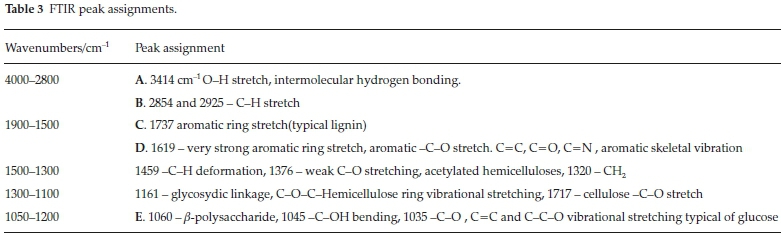
The two types of catalysts show the same FT-IR absorption bands, proving that they belong to the same MFI family. Absorptions for Si-O and AlO4/MO4 tetrahedral internal (where M = metal) and external symmetric vibrations are found at around 1060, 790 and 430 cm-1. The bands at around 650-540 cm-1 are assigned to the double rings of tetrahedra in the framework. The external asymmetrical stretching vibration of SiO2 is always shown by a strong band around 1220 cm-1. This is the band that confirms the ZSM-5 structure with 3D channel morphology.20-24 The purity and crystallinity of the prepared catalysts were confirmed by the optical density ratios which agree with the literature.20 All the catalysts show a value greater than 0.7 for the optical density ratio.19
The p-XRD patterns of the two sets of catalysts (Fig. 3 and Fig. 4) are similar, showing the fingerprint of the MFI material. The intensity of the peaks agrees with the FT-IR results, showing the crystalline nature of the catalysts. Importantly, for the Fe based catalysts, no haematite part shapes are observed at 38.7 and 41.6 ° 2θ.25,26
The FT-IR and the p-XRD results clearly show that incorporation of the metal into the framework of the zeolite does not alter the overall structure of the zeolite material. This is true for both the silicalite and the ZSM-5 zeolite. What makes these results even more interesting is that the two types of catalysts (silicalite and ZSM-5) have the active metals situated differently with respect to the framework of the material, because of the different synthesis procedures.
Table 1 shows the BET surface area measurements, the micropore volumes and the ICP-OES results of all the prepared catalysts. For all the catalysts, the targeted total weight percentage loading of the metals was two percent.
The ICP results show that the lowest metal loading was 1.6 % on 0.4Fe1.2V-ZSM-5(IE) and the highest loading was 1.9 % on the 1.1Fe0.8V-ZSM-5(IE) catalyst. For the ZSM-5 catalysts, the surface area decreased with an increasing amount of vanadium in the extra-framework region of the zeolite. This decrease in the surface area of the catalysts may be due to vanadium dispersed on the outer surface of the zeolite.27 The constant pore volumes for all the catalysts confirm that no major pore blockage took place from the introduction of vanadium to the Fe-ZSM-5 catalyst. These results are further supported by the p-XRD results which displayed only the MFI phase to be present in all synthesized and modified catalysts.
Table 1 also shows the BET surface area measurements and the micropore volumes for the silicalite catalysts. The surface areas of the catalysts decreased with an increasing amount of vanadium, which might be due to the vanadium migrating to the extra framework of the silicalite. The pore volumes of the three silicalites containing vanadium were similar, while the pore volume for Fe-silicalite was low compared to those of the other three catalysts. The decrease in the pore volume of the Fe-silicalite may be due to possible pore reduction resulting from the atomic radius of iron, which is higher than that of vanadium.
From the SEM analysis (Fig. 5) of the different sets of catalysts, all catalysts have similar shapes. The zeolite ZSM-5 catalysts have a more lath-like shape than the silicalite catalysts. This could be attributed to the different crystallinities that the catalysts have. According to Sang et al.,28 a high Si/Al ratio improves the crystallinity of the catalysts. Hence, silicalites with the higher Si/M ratio will have higher crystallinity as well as a less lath-like shape. The overall shape of all the catalysts, however, is of the typical MFI material (namely hexagonal). Another factor that can explain the difference in crystallinity is that for low silica zeolite samples, the crystallization time in the reactor was 36 h and for the high silica zeolite samples it was 48 to 60 h. The difference in times was because, as the molar ratio of SiO2/Al2O3 increases, the induction period becomes longer.
The presence of Na+ gives rise to the spheroidal crystals observed in the catalyst images.29 The TEM analyses (Fig. 6) confirm the SEM results and shows the hexagonal shapes expected of the MFI material for all the catalysts.
3.2. Catalyst Testing
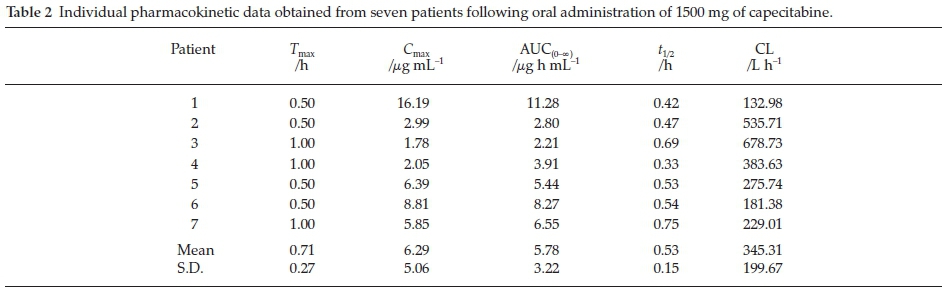
The results in Table 2, show how the introduction of vanadium as the second metal to Fe-ZSM-5 influences the conversion as well as the selectivity to terminal oxygenated products (1-octanol and octanal). It is clear from the table that the introduction of vanadium to the Fe-ZSM-5 catalyst via wet ion exchange enhanced the conversion, while the terminal selectivity is reduced. Thus, for the monometallic Fe-ZSM-5, the conversion was around 1.8 % and the terminal selectivity was around 31 %. Upon the introduction of vanadium, the conversion increased up to 5.1 % and the selectivity decreased to 17 % over 0.4Fe1.2V-ZSM-5(IE). The monometallic V-ZSM-5 showed poor terminal selectivity (12 %), but relatively high conversion (6.6 %). Due to the introduction of vanadium, a substantial adjustment in octanone(s)/octanol(s) ratio was detected, with upper amounts of octanones detected at the higher vanadium concentrations and, hence, higher conversions as shown in Table 2, for all the catalysts.
The trend in terms of C-1 selectivity for the above-discussed catalysts also applies when the reactions were compared at iso-conversion (Fig. 7). The high terminal selectivity seen in the presence of Fe in the catalysts may be due to the size and/or location of the iron compared to vanadium. This could result in having the n-octane approaching the active site with the primary carbon and, hence, the activation of primary carbon is favoured, while the vanadium counter ions are more accessible to the secondary carbon atoms of n-octane.
Comparing the catalytic results for the zeolites in Table 2 with the results for the silicalites in Table 3, it was observed that they were very different. Both sets of catalysts (Figs. 7 and 8) were tested under similar conditions. For the silicalite catalysts, no clear trend was observed between the introduction of the vanadium to Fe-silicalite and terminal selectivity, except that the monometallic silicalites showed better terminal selectivity than the bimetallic silicalites. The 1.8V-silicalite gave the highest terminal selectivity of 21 %. The irregular trend in the selectivity of the catalysts may suggest that the two metals in the bimetallic catalysts (0.9Fe0.8V-silicalite and 0.3Fe1.3V-silicalite) work independently and there is no synergy between the two metals.
The conversion between the catalysts also showed that there is little synergy between vanadium and iron in the silicalite catalysts. 1.6Fe-silicalite gave the highest conversion of 2.9 %, and decreasing the iron content in the catalysts and introducing vanadium lowered the conversion of the reaction. 0.3Fe1.3V-silicalite and 1.8V-silicalite gave the lowest conversion of about 1.5 ± 0.1 %.
Vanadium introduction to Fe-silicalite also showed a substantial variation in octanone(s)/octanol(s) ratio, with upper amounts of octanones observed at the lower or zero vanadium concentrations. These outcomes also advise that the catalyst initial yields octanols and then octanones (conversion effect). The differences observed in the catalysis results between the zeolite and the silicalite catalysts are likely due to the different environments that the transition metals are in within the two systems. For the zeolite, the metal ion is in extra-framework positions, while for the silicalite, the active metal (Fe) is contained inside the framework of the catalyst. These differences can lead to different chemistry.
The C-1 selectivity trend of the silicalite catalysts was also maintained at iso-conversion of 1.7 % (Fig. 8) using the average data obtained from four repeat reactions. Conversion plots, selectivity data for blank reactions and octanone(s)/octanol(s) ratios are provided in the Supplementary Information (Fig. S1, Fig. S2 and Table S1, respectively).
3.3. Catalyst Stability Test
Catalysts 0.9Fe0.8V-silicalite and 1.1Fe0.8V-ZSM-5(IE) were used to carry out catalyst solidity tests at the ideal temperature of 80 °C. The average of three catalytic reactions on one catalyst was carried out for each catalyst. No change was observed in both the used catalysts structure as shown by FT-IR, XRD and SEM analyses (Figs. 9, 10 and 11, respectively). It was further detected that the catalyst upheld constant activity at the conversion of about 1.9 % with no noticeable variation in product profile, suggesting that the silicalite catalyst is capable to be reused (Fig. 12).
4. Conclusions
Successful syntheses of the ZSM-5 zeolite and silicalite monometallic and bimetallic catalysts were confirmed by p-XRD and FT-IR. The BET surface areas for the zeolite catalysts decreased with the introduction of vanadium, while the pore volumes remained constant, suggesting little or no pore blocking by the metals. Reducing the concentration of Fe and introducing vanadium into the zeolite ZSM-5 catalysts improved the conversion while reducing the selectivity to primary oxygenated products (octanal and 1-octanol).
When using the silicalite catalysts, there was no correlation between the concentration of Fe and V in the catalysts with respect to the selectivity to terminal oxygenates, but reducing the Fe content leads to a decrease in the conversion of the reaction. At higher conversions more ketones were formed, compared to alcohols, suggesting that ketones are a result of secondary oxidation. The catalysts 0.9Fe0.8V-silicalite and 1.1Fe0.8V-ZSM-5(IE) were found to be stable over at least three cycles, under optimum conditions, with no change in conversions or selectivities.
Supplementary Material
Supplementary information is provided in the online supplement.
Conflicts of interest
There are no conflicts to declare.
ORCID iDs
M.N. Cele: orcid.org/0000-0002-9606-8383
H.B. Friedrich: orcid.org/0000-0002-1329-0815
Acknowledgements
We acknowledge support from c*change, NRF, University of KwaZulu-Natal as well as the EM unit (UKZN Westville campus).
References
- 1 M.N. Cele, H.B. Friedrich and M.D. Bala, Liquid phase oxidation of n-octane to C8 oxygenates over modified Fe-MOF-5 catalysts, Catal. Commun., 2014, 57, 102.
-
2 MN. Cele, HB. Friedrich and MD. Bala, Evaluation of silanization of Fe-silicate-1, Na-Fe-ZSM-5 and solvent concentration on the oxidation of n-octane to C8 oxygenates, J Porous Mater (2019). https://doi.org/10.1007/s10934-019-00731-z
» https://doi.org/10.1007/s10934-019-00731-z - 3 M.G. Clerici and O.A. Kholdeeva, Liquid Phase Oxidation via Heterogeneous Catalysis: Organic Synthesis and Industrial Applications, Wiley EBOOKS, 2013.
- 4 G. Ricchiardi, A. Damin, S. Bordiga, C. Lamberti, G. Spano, F. Rivetti and A. Zecchina, Vibrational structure of titanium silicate catalysts: a spectroscopic and theoretical study, J. Am. Chem. Soc. 123, 2001, 11419.
- 5 M.M. Forde, R.D. Armstrong, R. McVicker, P.P. Wells, N. Dimitratos, Q. He, L. Lu, R.L. Jenkins, C. Hammond, J.A. Lopez-Sanchez, C.J. Kiely and G.J. Hutchings, Light alkane oxidation using catalysis prepared by chemical vapour impregnation: tuning alcohol selectivity through catalyst pre-treatment, Chem. Sci., 2014, 5, 3616.
- 6 A. Jodaei, D. Salari, A. Niaei, M. Khatamian and N. Çaylak, Preparation of Ag-M (M: Fe, Co and Mn)-ZSM-5 bimetal catalysts with high performance for catalytic oxidation of ethyl acetate, Environ. Technol., 2011, 32, 406.
- 7 Y. Zhang, Y. Zhou, A. Qiu, Y. Wang, Y. Xu and P. Wu, Propane dehydrogenation on PtSn/ZSM-5 catalyst: effect of tin as a promoter, Catal. Commun. 2006, 7, 866.
- 8 L.R. Raddi de Araujo and M. Schmal, Pt-Cr/ZSM-5 catalysts for propane and cyclohexane conversions, Appl. Catal., A: 2002, 235, 147.
- 9 S.E. Maisuls, K. Seshan, S. Feast and J.A. Lercher, Selective catalytic reduction of NOx to nitrogen over Co-Pt/ZSM-5: Part A. Characterization and kinetic studies, Appl. Catal., B: Environ., 2001, 29, 81.
- 10 P. Nakhostin Panahi, D. Salari, A. Niaei and S.M. Mousavi, NO reduction over nanostructure M-Cu/ZSM-5 (M: Cr, Mn, Co and Fe) bimetallic catalysts and optimization of catalyst preparation by RSM, J. Ind. Eng. Chem., 2013, 19, 1799.
- 11 L. Li, F. Zhang, N. Guan, M. Richter and R. Fricke, Selective catalytic reduction of NO by propane in excess oxygen over IrCu-ZSM-5 catalyst, Catal. Commun., 2007, 8, 588.
- 12 A.Z. Abdullah, M.Z. Abu Bakar and S. Bhatia, Combustion of chlorinated volatile organic compounds (VOCs) using bimetallic chromium-copper supported on modified H-ZSM-5 catalyst, J. Hazard. Mater., 2006, B129, 49.
- 13 B. Izadkhah, S.R. Nabavi, A. Niaei, D. Salari, T. MahmuodiBadiki and N. Çaylak, Design and optimization of bi-metallic Ag-ZSM5 catalysts for catalytic oxidation of volatile organic compounds, J. Ind. Eng. Chem., 2012, 18, 2091.
- 14 S. Narayanan, A. Sultana, P. Meriaudeau, C. Naccache, A. Auroux and C. Viornery, Calorimetric measurements of acidity of template and non-templated HZSM-5 zeolites and their correlation with catalytic activity, Appl. Catal., A-Gen., 1996, 143, 342.
- 15 M.N. Cele, H.B. Friedrich and M.D. Bala, Peroxide oxidation of n-octane over Na-Fe-silicalite-1 and H-Fe-silicalite-1 catalysts, J. Mol. Catal A: Chem., 2017, 427, 44.
- 16 L.O. Öhmana, B. Ganemib, E. Björnbom, K. Rahkamaa, R.L. Keiski and J. Paul, Catalyst preparation through ion-exchange of zeolite Cu-, Ni-, Pd-, CuNi- and CuPd-ZSM-5, Mater. Chem. Phys., 2002, 73, 267.
- 17 L.L. Meritt and J.A. Dean, Instrumental Methods of Analysis, New York, USA, 1974.
- 18 B.Z. Zhan, B. Modén, J. Dakka, J.G. Santiesteban and E. Iglesia, Catalytic oxidation of n-hexane on Mn-exchanged zeolites: turnover rates, regioselectivity, and spatial constraints, J. Catal., 2007, 245, 316-325.
- 19 D. TopalogluYazc and C. Bilgic, Determining the surface acidic properties of solid catalysts by amine titration using Hammett indicators and FTIR-pyridine adsorption methods, Surf. Interface Anal., 2010, 42, 962.
- 20 G. Coudurier, C. Naccache and J.C. Vedrine, Uses of i.r. spectroscopy in identifying ZSM zeolite structure, J. Chem. Soc., Chem. Commun., 1982.
- 21 V.D. Gaag, ZSM-5 Type Zeolites: Synthesis and Use in Gas Phase Reaction with Ammonia, Technische Universiteit, Delft, 1987.
- 22 D.J. Kim, H.S. Chung, Synthesis and characterization of ZSM-5 zeolite from serpentine, App. Clay Sci., 2003, 24, 77.
- 23 K. Iwakai, T. Tago, H. Konno, Y. Nakasaka and T. Masuda, Preparation of nano-crystalline MFI zeolite via hydrothermal synthesis in water/surfactant/organic solvent using fumed silica as the Si source, Microporous Mesoporous Mater., 2011, 141, 174.
- 24 S. Barot and R. Bandyopadhyay, Nano-crystalline silicalite-1: synthesis, characterization and application in biofuel synthesis, Nanosci. Nanotech., 2016, 6(1A), 112.
- 25 M.A. Ali, B, Brisdon and W.J. Thomas, Synthesis, characterization and catalytic activity of ZSM-5 zeolites having variable silicon-to-aluminium ratios, Appl. Catal., A: 2003, 252, 162.
- 26 B. Michalkiewicz, Appl. Catal., A: 2004, 277, 147.
- 27 M. Mhamdi, S. Khaddar-Zine and A. Ghorbel, Influence of the method of ion exchange and cobalt loading on the physicochemical and catalytic properties of Co-ZSM-5 catalysts, React. Kinet. Catal. Lett., 2006, 88, 149.
- 28 S. Sang, F. Chang, Z. Liu, C. He, Y. He and L. Xu, Difference of ZSM-5 zeolites synthesized with various templates, Catal. Today, 2004, 73, 95.
Revised 8 July 2020
Accepted 31 July 2020