Lipidomic Profile of Rhodotorula toruloides by GC/MS and Antioxidant Capacity of the Oil by DPPH and TLC-Plate Methods
Abstract
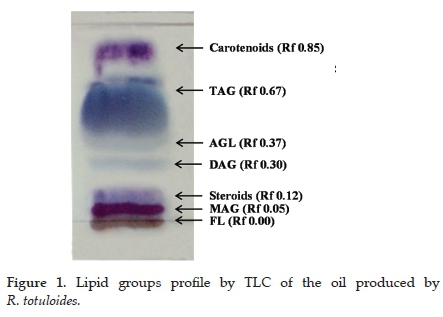
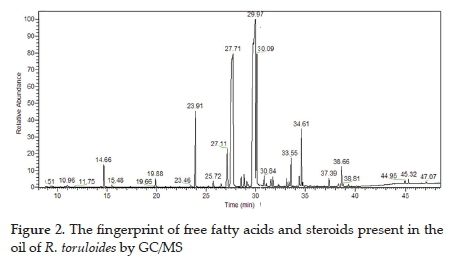
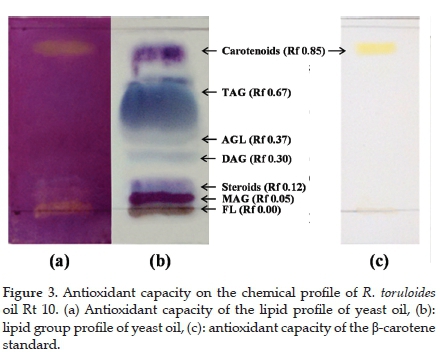
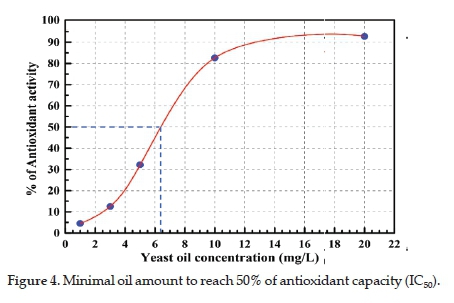
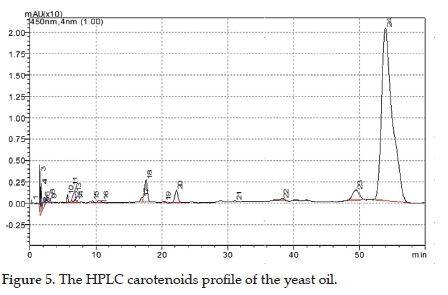
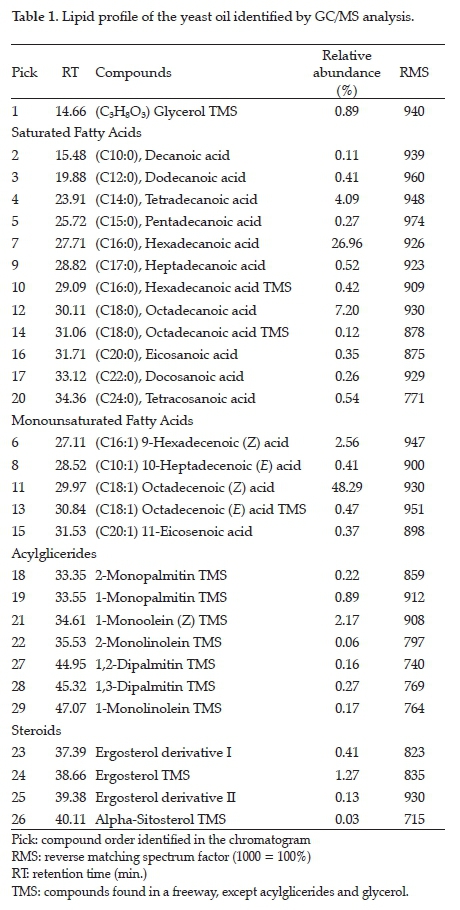
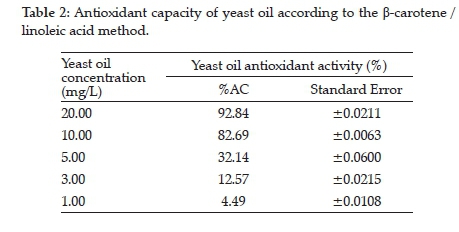
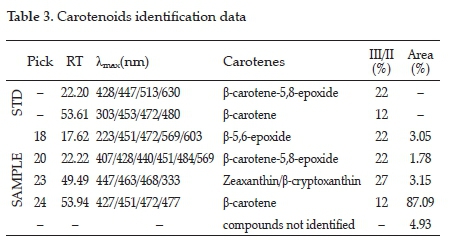
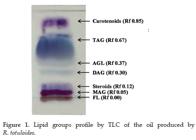
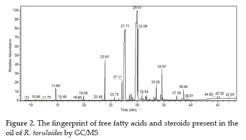
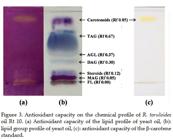
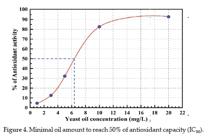
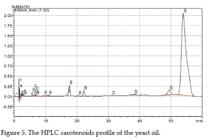
This work was undertaken to evaluate the antioxidant capacity of Rhodotorula toruloides lipid extract in TLC plate, using the (DPPH) (1,1-diphenyl-2-picril-hydrazine) method as an innovative way to visualise lipid groups that comprise this activity. Similarly, carotenoids and crude oil were analysed for antioxidant capacity by the DPPH and β-carotene/linoleic acid methods. The lipidomic profile extract analysis was performed by GC/MS and HPLC/DAD. The sample preparation for the GC/MS analysis was made by ultrasound-assisted transesterification. Free compounds were silylated with BSTFA (N,O-Bis (trimethylsilyl) trifluoracetamide) + 1% TMCS (Trimethylchlorosilane). The analysis of the lipid extract showed that in the saponifiable fraction saturated fatty acids (SFA) and monounsaturated fatty acids (MUFA) were present; and in the unsaponifiable fraction were steroids and carotenoids. The antioxidant capacity was expressed as IC50 reaching 6.4 mg/L that means relative efficiency. The oil profile, using TLC, shows the chemical groups: carotenoids, acylglycerols, free fatty acids and steroids. Similarly, the GC/ MS analysis shows the fatty acids and steroids. The HPLC analysis describes the carotenoids profile, highlighting b-carotene as the majority and the presence of ß-carotene-5,8-epoxide, zeaxanthin and b-cryptoxanthin, characterising the lipidomic study of this yeast.
DPPH-TLC; lipid metabolite classes; TLC-antioxidant system
 Thumbnail
 Thumbnail
 Thumbnail
 Thumbnail
 Thumbnail