Preparation of BiOCl from industrial waste salt and its photocatalytic performance
Abstract
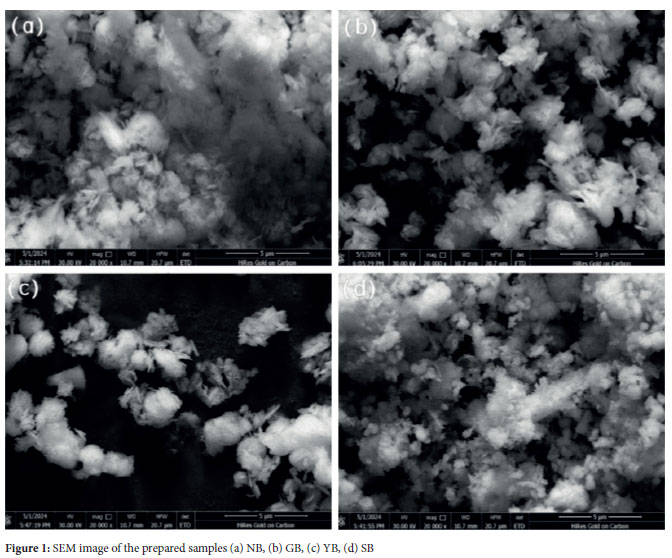
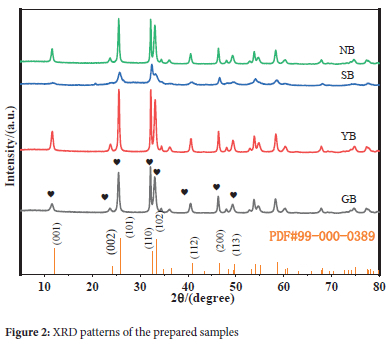
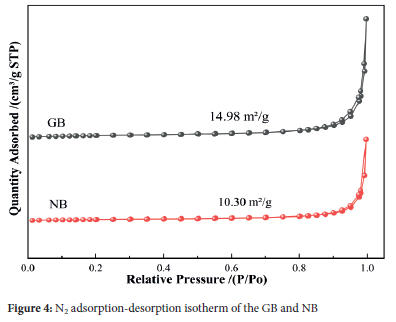
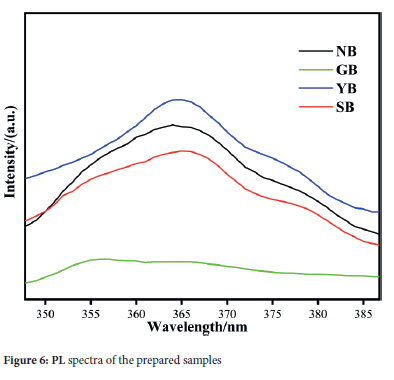
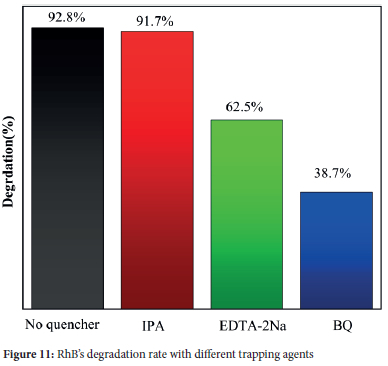
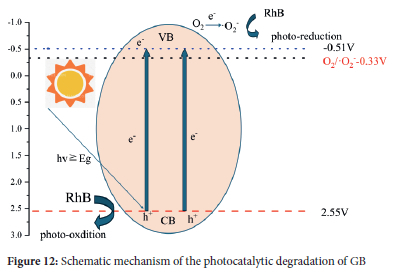
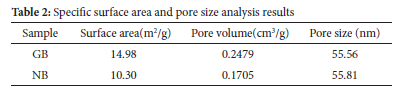
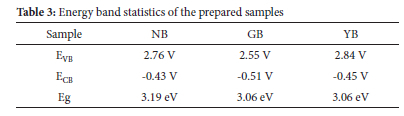
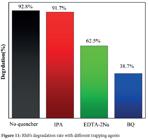
This study synthesized a high-performance BiOCl using a straightforward and efficient hydrolysis process, leveraging chlorine-containing industrial waste salt (IWS) as the primary raw material. The characterization of the as-materials was assessed using SEM, XRD, PL, XPS, UV-Vis DRS, EIS, etc. The BiOCl (GB) derived from IWS exhibited a significant number of oxygen vacancies, substantial exposure of (010) facets, an enlarged surface area, and enhanced absorption of visible light. Photocatalytic experiments revealed that GB could achieve a 92.8% degradation rate of rhodamine B(RhB) under 60 min of illumination, outperforming BiOCl synthesized from NaCl. These results suggest that hydrolysis method is a simple and effective but promising IWS preconditioning and resource utilization strategy.
BiOCl; Hydrolysis method; Photocatalysis; Industrial waste salt
 Thumbnail
 Thumbnail
 Thumbnail
 Thumbnail
 Thumbnail
 Thumbnail
 Thumbnail
 Thumbnail
 Thumbnail