Fabrication and antibacterial performance of nano-silver-doped monoliths by the sol-gel method
Abstract
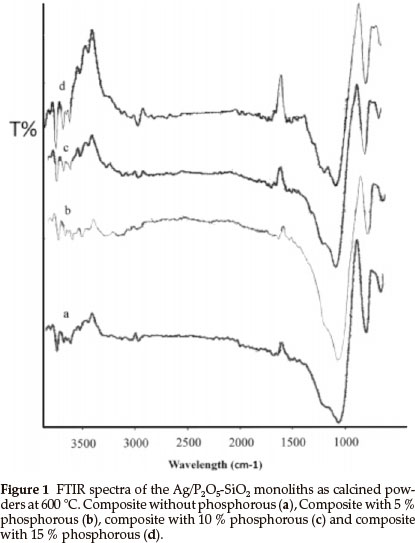
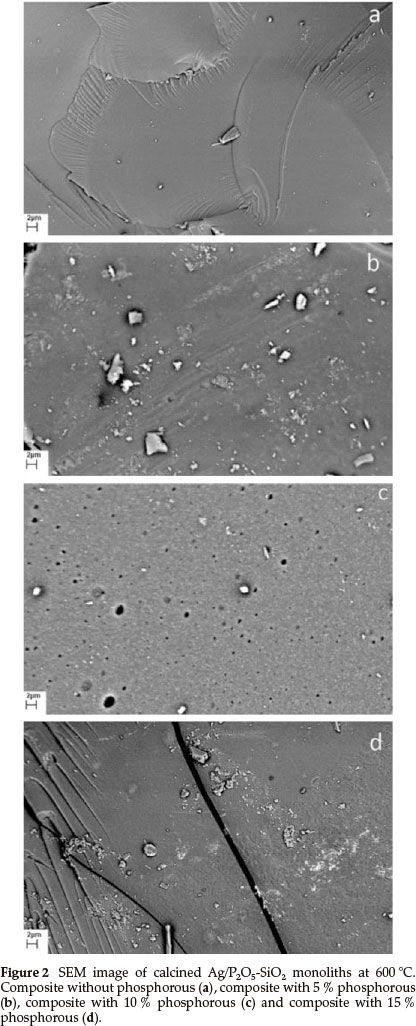
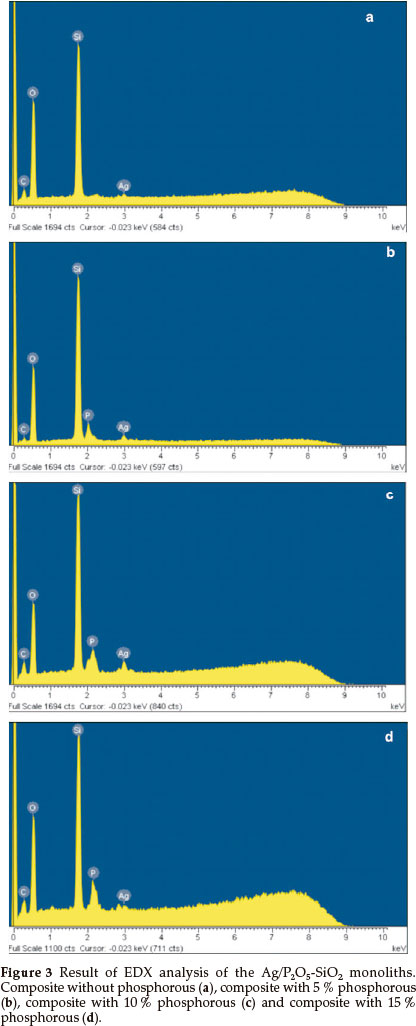
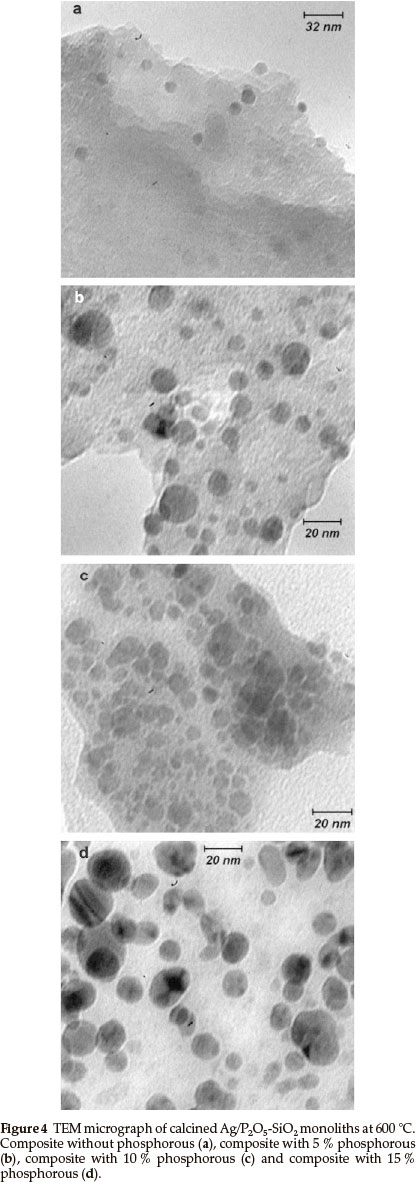
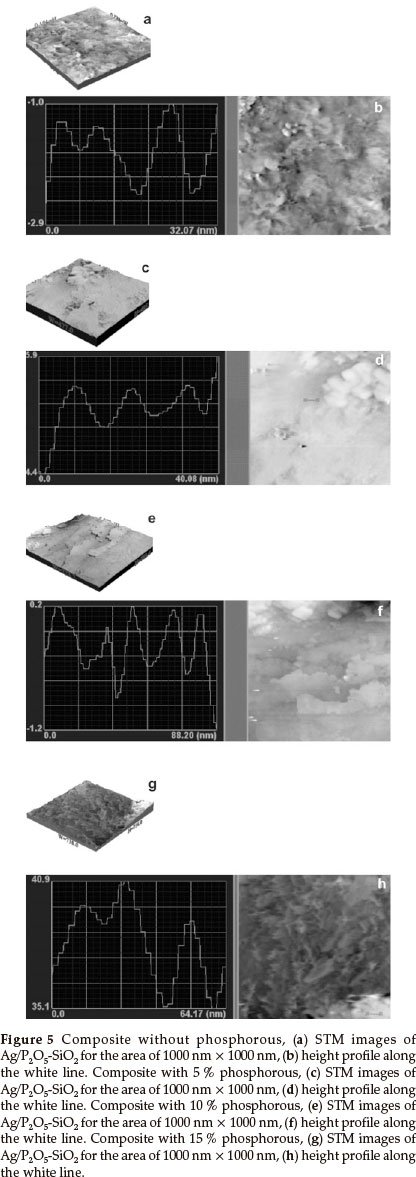
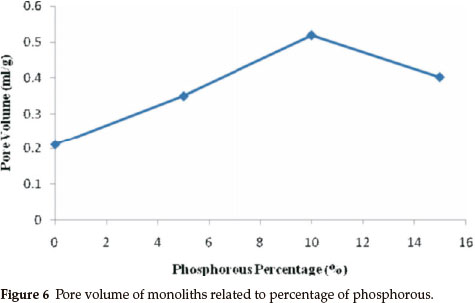
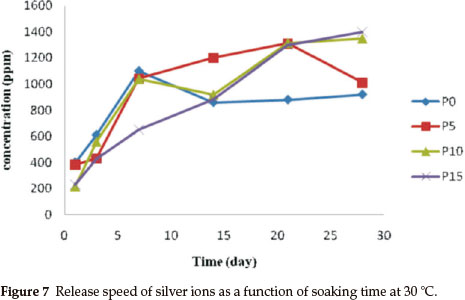
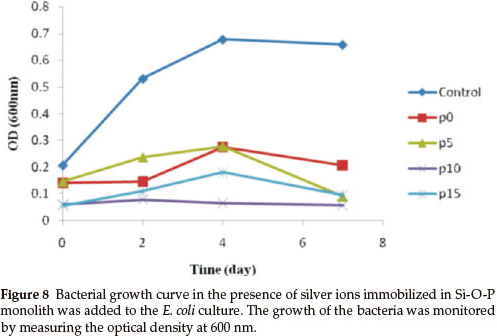
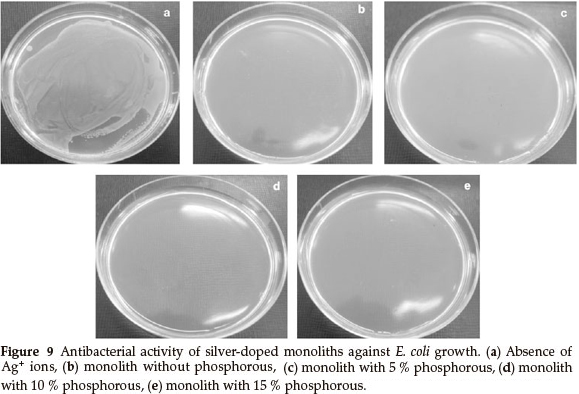
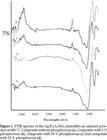
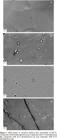
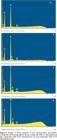
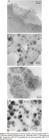
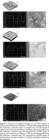
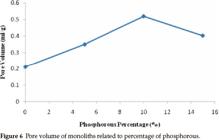
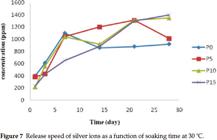
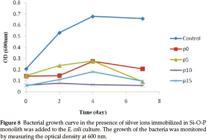
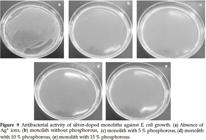
The organic-inorganic hybrids of glycine, tetraethylortho silicate (TEOS) and triethylphosphate (TEP) doped with silver ions were prepared by the sol-gel method. After moulding and heating at 600 °C to remove organic compound, porous Ag/P2O5-SiO2 monoliths were obtained. Scanning electron microscopy (SEM), energy dispersive X-ray (EDX) spectrum, transmission electron microscopy (TEM), infrared spectroscopy (FT-IR) and scanning tunnelling microscopy (STM) were used to structurally study monoliths. Surface area, pore volume and swelling degree of the samples were adjusted with different contents of TEP in the starting composition. Ag ions were stably released into the water at 30 °C for 28 days. Antibacterial experimentation revealed that such materials, treated at 600 °C, could restrain Escherichia coli effectively.
Antibacterial effect; nano-silver; phosphorous; organic-inorganic hybrid; sol-gel
 Thumbnail
 Thumbnail
 Thumbnail
 Thumbnail
 Thumbnail
 Thumbnail
 Thumbnail
 Thumbnail
 Thumbnail