An Investigation of the Synergistic Influence of Surface Pipeline Temperature and Water condensation Rate on top-of-the-line corrosion of X65 steel in a CO2 Vapour environment
Abstract
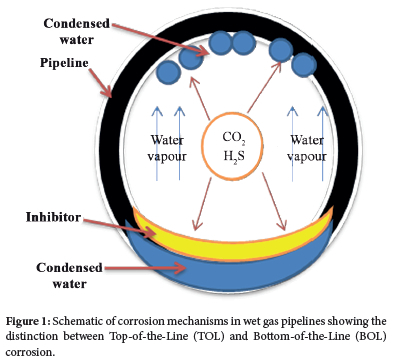
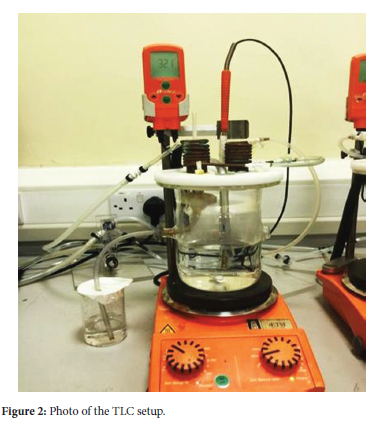
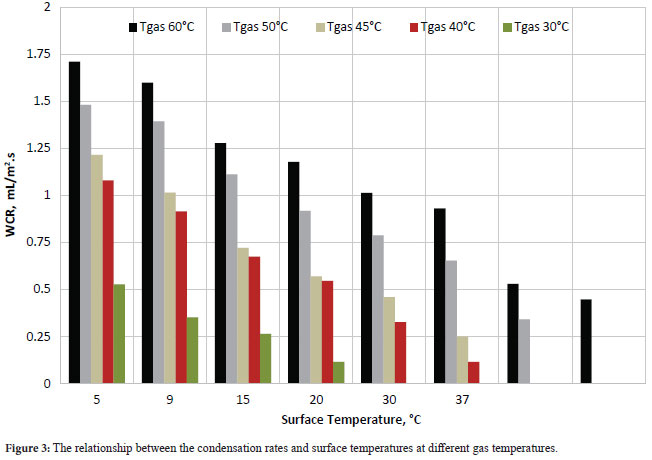
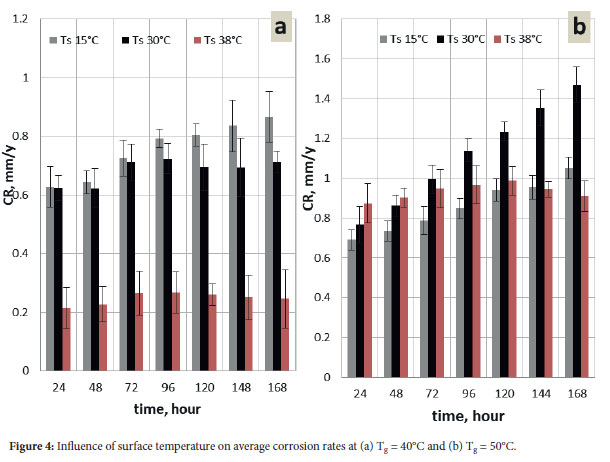
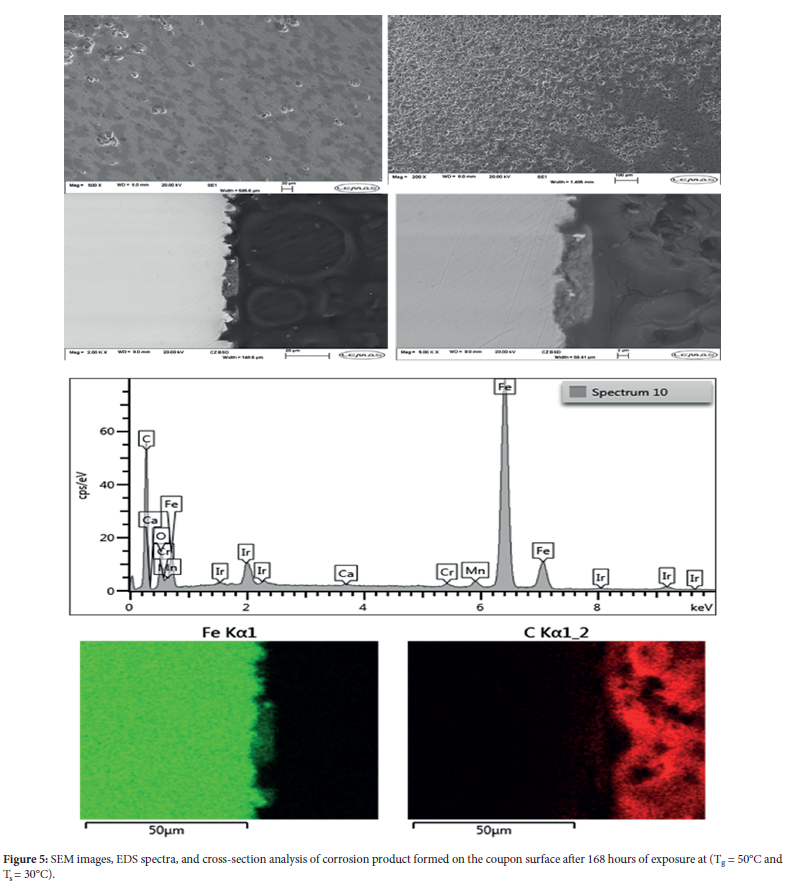
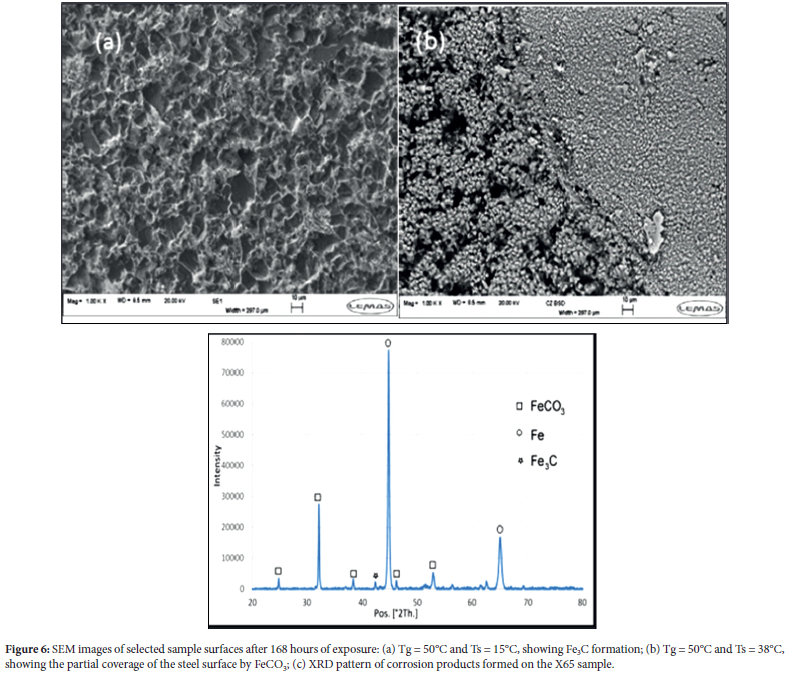
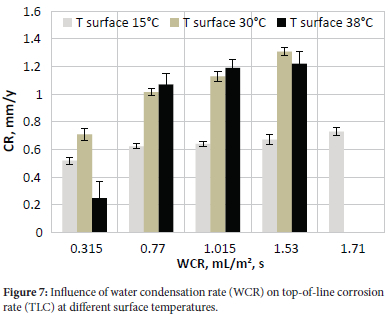
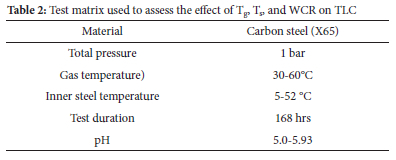
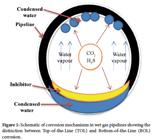
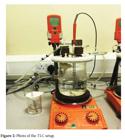
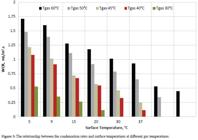
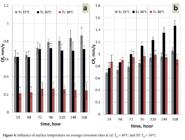
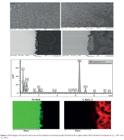
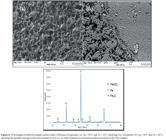
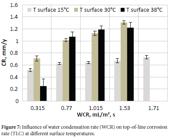
Wet gases are typically produced and transported through carbon steel pipeline systems. The combination of corrosive gases and transportation conditions creates highly aggressive environments, often leading to recurring incidents of pipeline corrosion failure. This study investigated the corrosion rate on the internal upper surface of the X65 carbon steel pipeline under static conditions, where gas flow is dominated by natural convection. To replicate realistic field conditions, a novel apparatus was designed to measure condensation rates, water droplet lifespan, and top-of-line corrosion (TLC) rates across a wide range of steel surfaces and gas temperatures. Surface morphology was characterized using SEM imaging to evaluate the corrosion morphology and identify the types of corrosion deposits. The findings reveal that when the surface temperature is at or below 30°C, TLC is primarily governed by the water condensation rate and surface temperature. However, at surface temperatures above 30°C, the condensation rate becomes the dominant controlling parameter. In the top of the line (TOL) scenario, the lifetime of the condensed water droplet plays a critical role in determining the corrosion rate. The results further demonstrate that the droplet lifespan affects the formation and precipitation of the FeCO3 film, which in turn influences corrosion behavior.
top of line corrosion; gas temperature; steel temperature; water condensation rate
 Thumbnail
 Thumbnail
 Thumbnail
 Thumbnail
 Thumbnail
 Thumbnail
 Thumbnail