The oxidation of dibenzothiophene using oxidovanadium(IV)-containing nanofibres as catalyst
Abstract
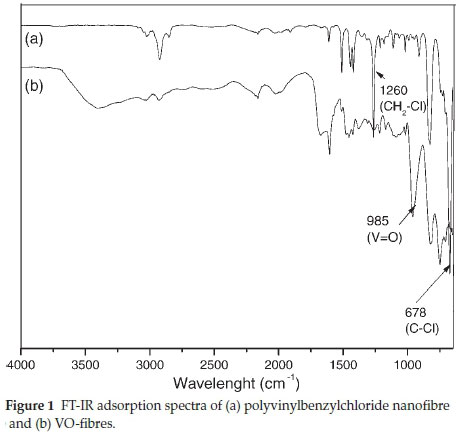
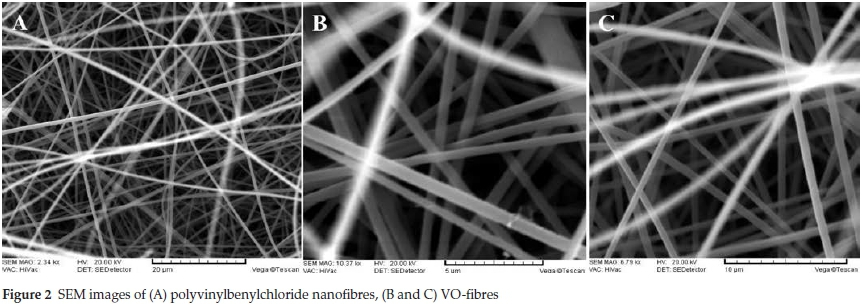
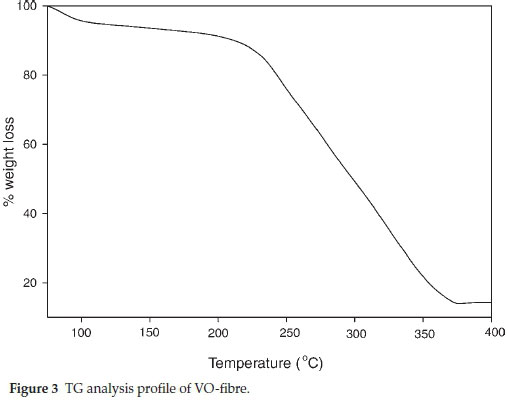
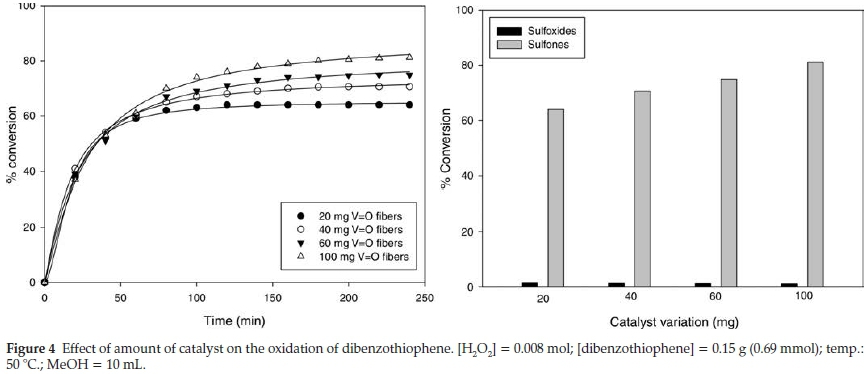
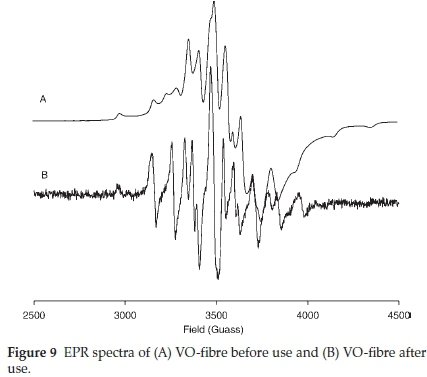
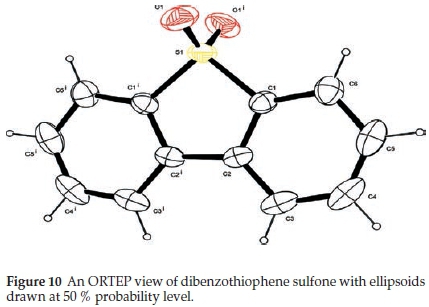
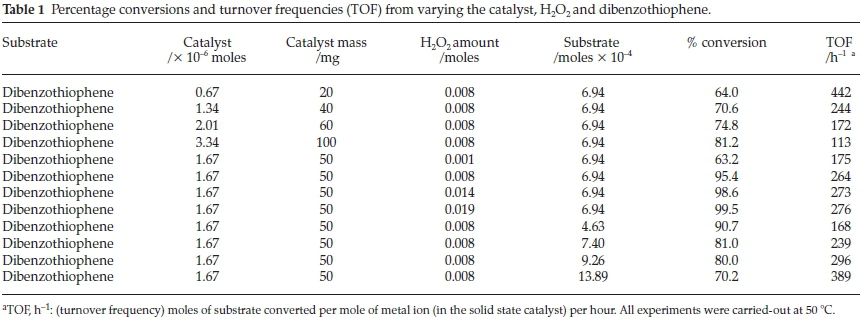
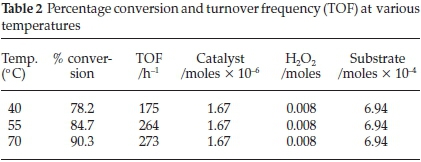
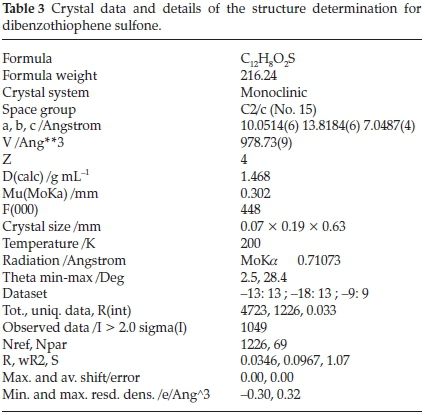
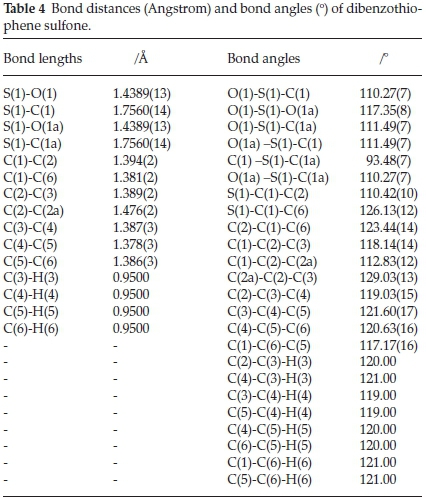
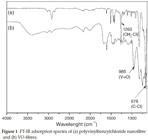
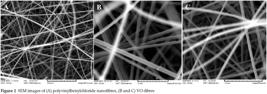
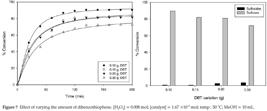
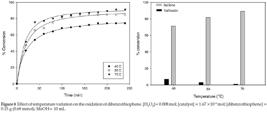
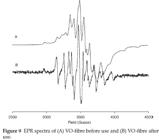
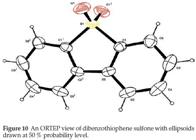
Polyvinylbenzylchloride nanofibres were fabricated by the electrospinning technique and subsequently functionalized with a tetradentate ligand, 2,2'-(1E',1'E)-(1,2-phenykenebis(azan-1-yl-1-ylidene))bis(methan-1-yl-1-ylidene)bis(4-aminophenol). VO2+ was then incorporated into the nanofibres to produce the catalyst VO-fibres. Microanalysis, TG and FT-IR were used for the characterization of VO-fibre, and EPR also confirmed the presence of oxidovanadium(IV) within the nanofibres. Oxidation of dibenzothiophene (DBT) was investigated by varying the catalyst amount, substrate amount, oxidant and temperature, and the progress of oxidation was followed with a gas chromatograph fitted with a flame ionization detector. An increase in the amount of oxidant caused an increase in the amount of dibenzothiophene sulfone (DBTO2), while a decrease in the quantity of dibenzothiophene resulted in an increase in the overall yield of dibenzothiophene sulfone under a constant temperature and oxidant (H2O2) concentration. Dibenzothiophene sulfone was confirmed as the oxidation product through 1H-NMR spectroscopy and single crystal X-ray diffraction.
Vanadium(IV) catalyst; nanofibres; dibenzothiophene; oxidation; hydrogen peroxide (H2O2)
 Thumbnail
 Thumbnail
 Thumbnail
 Thumbnail
 Thumbnail
 Thumbnail
 Thumbnail
 Thumbnail
 Thumbnail
 Thumbnail