Monitoring of Herbicides in Aquatic Environments using the Bubble-in-Drop Single Drop Micro-Extraction (BID-SDME) Method
Abstract
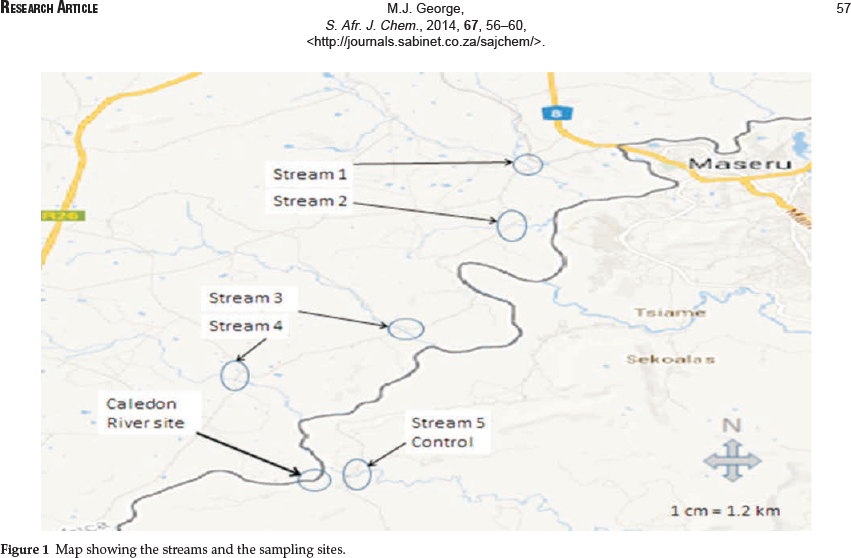
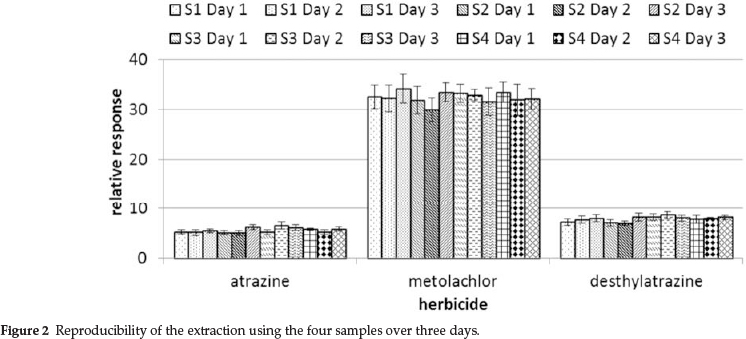
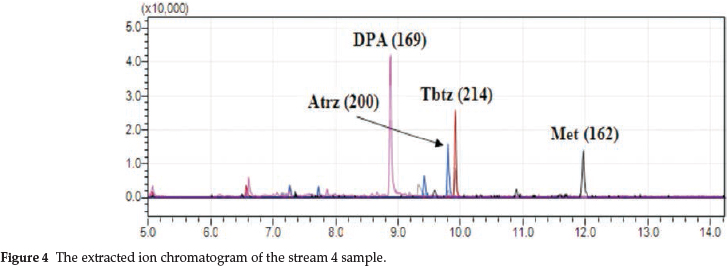
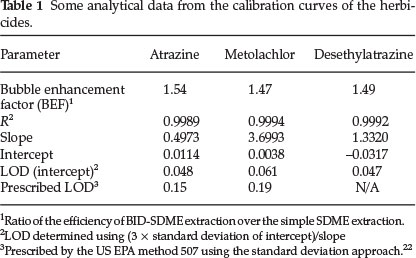
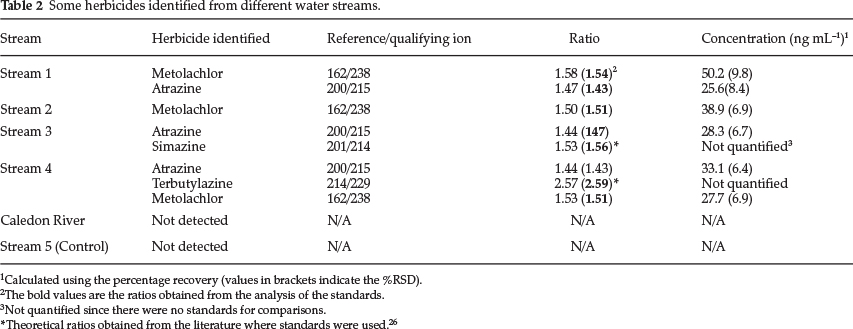
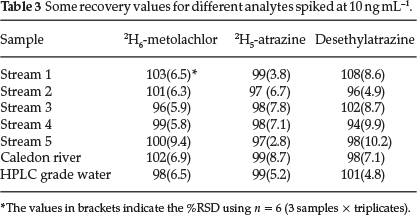
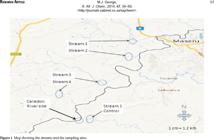
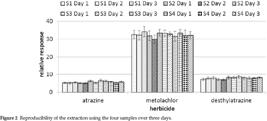
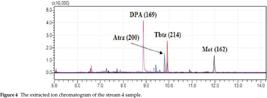
Environmental monitoring can be a costly exercise for the legislative bodies to enforce regulatory mechanisms since most herbicides are hazardous in the environment. This study reports on the potential application of a cheaper sample preparation method termed 'bubble-in-drop' single drop micro-extraction (BID-SDME) method for monitoring metolachlor and atrazine herbicides used in maize farming in South Africa. The method demonstrated excellent applicability for aqueous samples obtained from streams impacted by farming activities where concentrations ranging from 25 to 50 ng mL-1 were determined. The detection limits of the method were in the range of 0.047 to 0.061 ng mL-1, which are considerably lower than those prescribed by the EPA Method 507. Recovery studies using 10 ng mL-1 solutions demonstrate excellent recoveries ranging from 94 to 108 % for respective herbicides. However, the challenge remains the detection of the breakdown products since only the parent herbicides were detected in this study.
Bubble-in-drop micro-extraction; herbicides monitoring; farming areas; water streams
 Thumbnail
 Thumbnail
 Thumbnail
 Thumbnail
 Thumbnail