Inhibition effect of deanol on mild steel corrosion in dilute sulphuric acid
Abstract
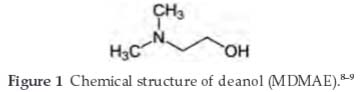
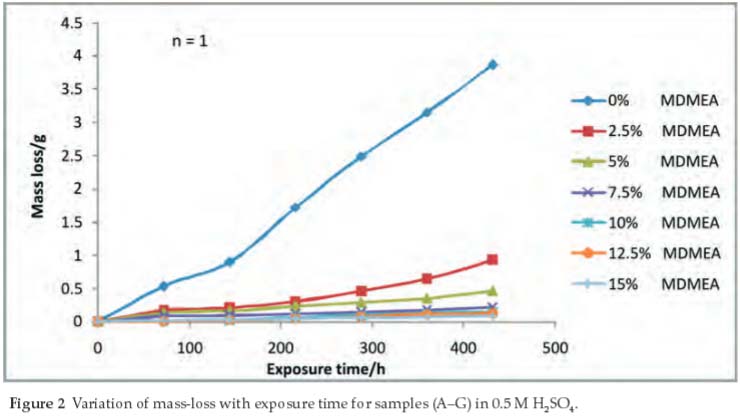
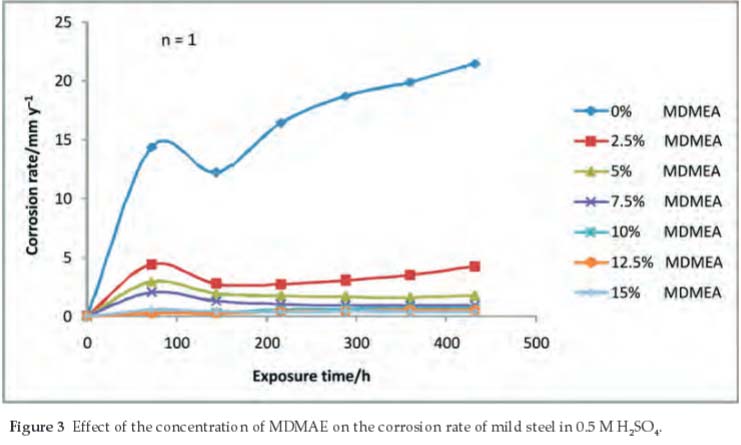
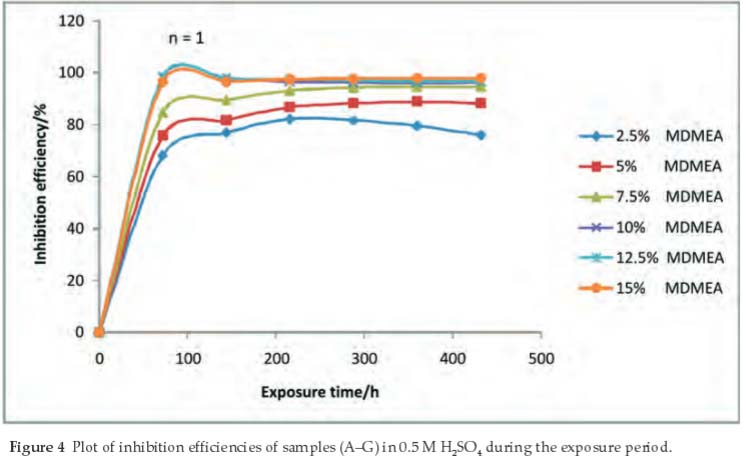
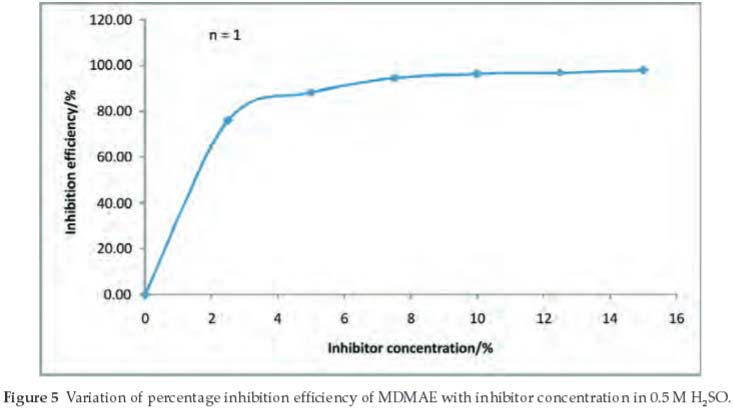
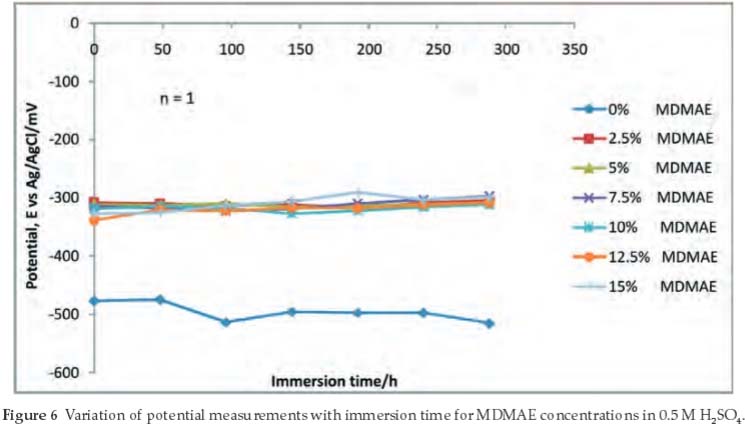
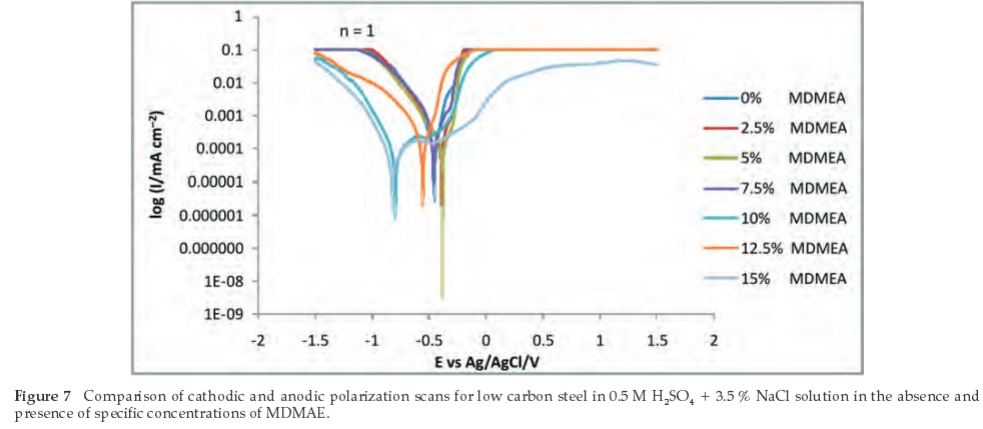
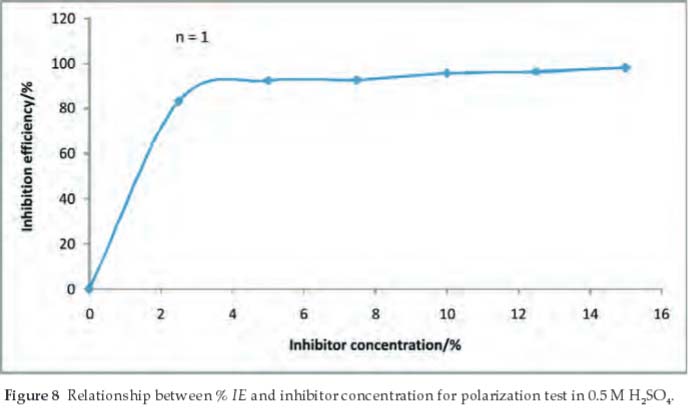
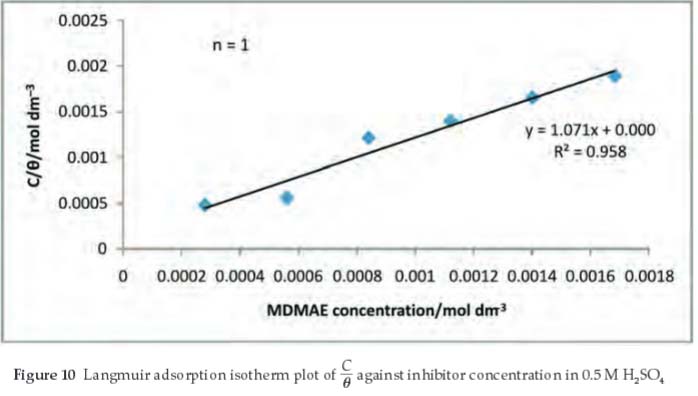
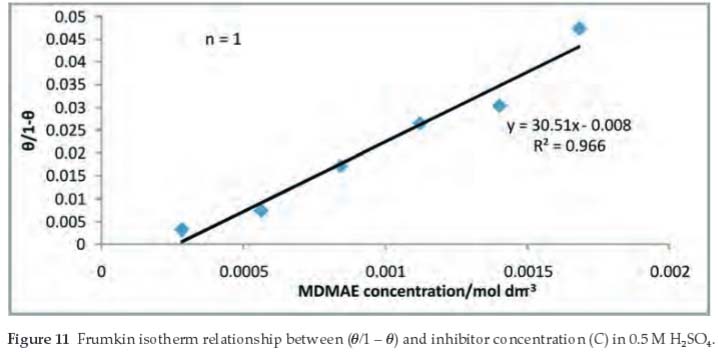
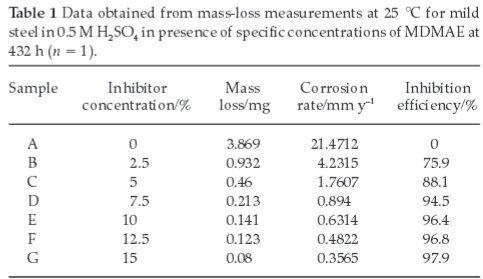
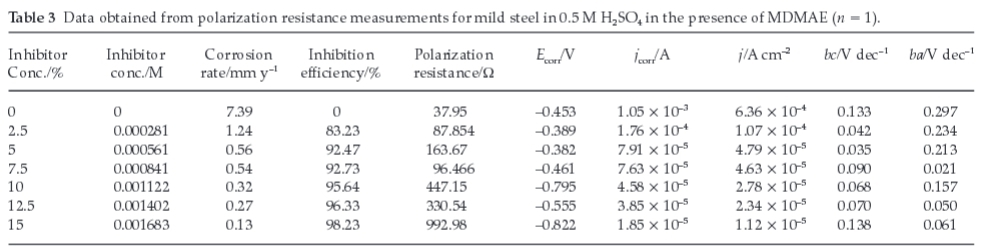
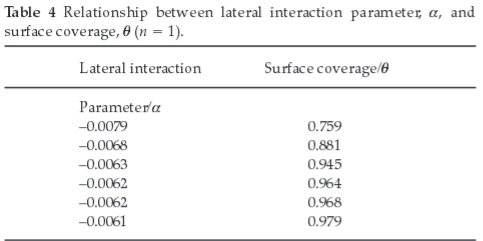
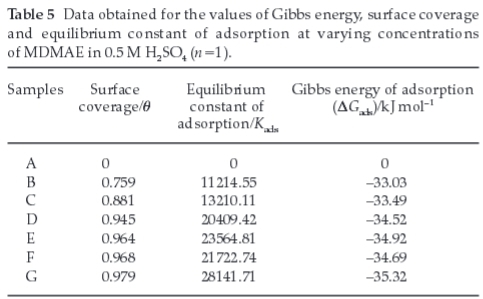
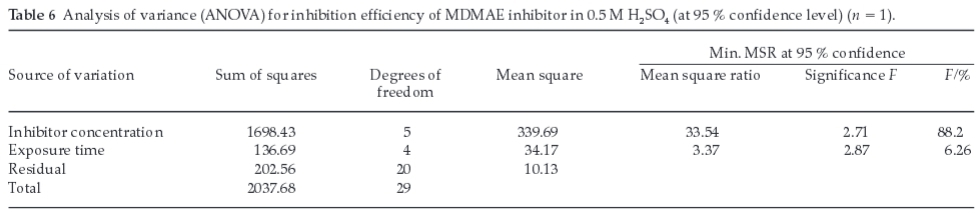
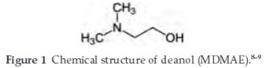
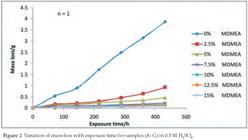
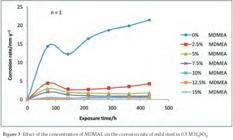
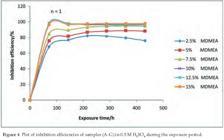
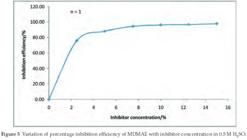
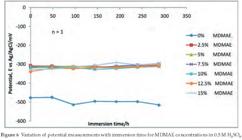
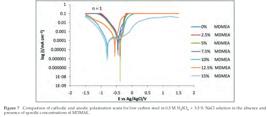
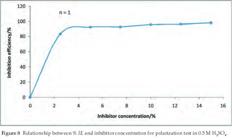
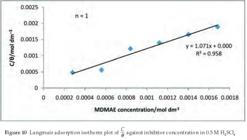
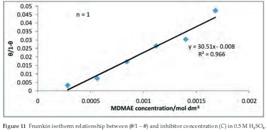
The influence of deanol on the corrosion behaviour of mild steel in dilute sulphuric acid with sodium chloride addition was studied by means of mass-loss, potentiodynamic polarization, electrode potential monitoring, scanning electron microscopy and statistical analysis. Results show that deanol performed excellently with a maximum inhibition efficiency of 97.9 % obtained from the mass loss technique and 98.23 % from the potentiodynamic polarization tests at the maximum deanol concentration evaluated. Polarization studies show that the amino alcohol is a cathodic type inhibitor. Adsorption of deanol on the steel surface was observed to obey the Langmuir and Frumkin adsorption isotherms. Scanning electron microscopy studies confirmed the corrosion protection property of deanol to be through adsorption on the mild steel surface while statistical evaluation showed the overwhelming influence and significance of inhibitor concentration on inhibition efficiency compared with exposure time.
Organic compounds; metals; deanol; corrosion; sulphuric acid; inhibitor
 Thumbnail
 Thumbnail
 Thumbnail
 Thumbnail
 Thumbnail
 Thumbnail
 Thumbnail
 Thumbnail
 Thumbnail
 Thumbnail