Comparative evaluation of metal content and health risk assessment of garcinia huillensis using acid digestion and hot-water extraction methods
Abstract
Metal composition and health risk assessment of Garcinia huillensis (Clusiaceae) were investigated. Root, stem, and leaf samples were analysed using two extraction methods: acid microwave digestion and hot water extraction, and the results were compared. ICP-OES was employed to determine the concentrations of metals present in the samples. Both extraction methods revealed high concentrations of essential nutritional metals. Acid digestion showed elevated levels of potassium (6628.64-15764.52 mg kg-1), calcium (5452.39-38158.925 mg kg-1), magnesium (424.86-2071.71 mg kg-1), and sulfur (736.86-2918.33 mg kg-1). Similarly, hot water extraction recorded potassium levels of 6709.11-14203.98 mg kg-1, calcium 705.19-2380.59 mg kg-1, magnesium 232.64-2213.93 mg kg-1, and sulfur 316.35-1897.01 mg kg-1. Heavy metal analysis indicated the presence of aluminium (Al), zinc (Zn), copper (Cu), and iron (Fe), whereas lead (Pb), manganese (Mn), lithium (Li), and vanadium (V) were not detected in the extracts. The acid digestion method generally produced higher metal concentration values compared to the hot water extraction method. Hot water extraction method was found to be safe for consumers, as all detected heavy metals had estimated daily intake (EDI) values of less than 1. These findings suggest that G. huillensis is safe for traditional medicinal use.
Health risk assessment; Heavy metal Content; Garcinia huillensis; Medicinal plant; Hot water extraction
INTRODUCTION
Interest in medicinal plants among scientists has steadily increased because of their therapeutic potential.1,2 Plant-based remedies have long been used to treat various ailments, particularly in rural areas where access to medical facilities is limited. In addition, the incorporation of plant remedies into modern healthcare practice has increased significantly. Owing to this growing interest in traditional medicine, the efficacy and safety of these remedies must be scientifically validated. Such validation can also provide evidence supporting their potential as sources of beneficial nutrients.1,2
Garcinia huillensis belongs to the Clusiaceae family, which comprises a wide variety of Garcinia species. The plant contains a broad range of natural compounds, including flavonoids, phenolics, terpenoids, and xanthones. Garcinia huillensis has traditionally been used to treat ailments such as diabetes, inflammation, and stomach disorders.3,4
Plants contain both nutritional and toxic elements, including heavy metals. Nutritional elements play essential roles in supporting human health and well-being. Elements such as calcium (Ca), magnesium (Mg), zinc (Zn), and potassium (K) are important for maintaining normal body functions.5,6 On the other hand, the presence of high concentrations of heavy metals such as cobalt (Co), aluminium (Al), and lead (Pb) poses significant risks to human health.7G. huillensis, only the microwave acid-digestion extraction method has been employed previously.8
The root, stem, and leaf extracts of G. huillensis (Clusiaceae) were analysed for the presence of nutritional elements and heavy metals. The plant samples were collected from Mufulira, a town predominantly associated with copper (Cu) mining activities, which are known sources of heavy metal contamination.91011,12 Other studies have also investigated heavy metal contamination in areas associated with mining activities.113-18 Owing to its extensive industrial and mining activities, there is a high likelihood of soil contamination with heavy metals, which may subsequently influence metal accumulation in plants.19
This study therefore aims to evaluate the metal content of G. huillensis by comparing two extraction methods, acid microwave extraction and hot water extraction, and to assess the safety of the hot-water extraction method traditionally used by healers, thereby providing valuable information on the plant's safety for use in traditional medicine and its potential incorporation into modern healthcare practices.
EXPERIMENTALPlant samples
The plant was identified and verified at the Herbarium of the Forest Department of the Ministry of Green Economy and Environment in Kitwe, Zambia. Fresh plant samples were collected in Mufulira town. The stems, roots, and leaves of G. huillensis were harvested, washed with ultra-pure water, and packed in UV-resistant brown envelopes. They were then dried in the shade. The materials were then pulverized using an electric motor into a fine powder for further analysis.
Chemicals
The chemicals used in this study were obtained from Merck, Johannesburg, South Africa. These included HPLC-grade acetonitrile (ACN, >99.9%), 65% HNO3, and H2O2. Ultra-pure water was obtained from the laboratory at the University of the Witwatersrand. A multi-element standard solution was used for the calibration of inductively coupled plasma optical emission spectroscopy (ICP-OES) (Spectro, Kleve, Germany) with concentrations ranging from 0.1 mg L-1 to 10 mg L-1. The standards were prepared from a 1000 mg L-1 stock solution dissolved in 5% HNO3. Ultra-high-purity argon gas was used during ICP-OES operation to ensure accurate measurements.20, 21
Metal extraction
Acid microwave digestion
The microwave acid-metal extraction of plant samples was done using the method by Thabit et al. with some modifications.223 and 3 mL of H2O2; the well-closed vessels were placed in the microwave 5000 digester (Anton Paar, Switzerland). The heating parameters of the microwave were set at 80 °C for 10 min, then increased to 180 °C and kept constant for 30 min. The digested samples were allowed to cool, then filtered using 0.22 μm PTFE filters and diluted to a final volume of 50 mL using ultra-pure water. Blank sample preparations followed the same protocol as the test samples. Triplicate samples were analysed in each case.
Hot-water extraction
The hot-water metal extraction was done by first measuring 2 g of powdered sample into heating beakers. Then, 40 mL of ultra-pure water was added and heated at a temperature between 90 and 95 °C and was left to boil for 10 min. The extract was cooled and centrifuged at 4000 rpm for 20 min to separate solids from the solution. A 0.22 μm PTFE filter was then used to filter the extract. Triplicate samples were analysed in each case.
Quality control and assurance
The glassware was carefully handled and cleaned to ensure accuracy and reliability of the results. Rinsing of glassware and dilution of reagents were done using ultra-pure water. To calibrate the instrument, blank analytes were used. To ensure accuracy and precision, the analysis was repeatedly checked. The validation of the method was done through the limits of detection (LOD) and the limit of quantification (LOQ), including the spike recovery test. The method as outlined by Chibuye et al. was used for the calculation of LOD, LOQ, and recoveries.23
Metal concentration determination
Measurement and Analysis of various concentrations of metals were done using the ICP-OES (Spectro, Kleve, Germany). The analysis was done for metals such as aluminium, calcium, cobalt, chromium, copper, iron, potassium, magnesium, sodium, nickel, lead, molybdenum, lithium, silicon, titanium, and vanadium. To identify and measure the metals, the method described by Chibuye et al. was used.23 -1 concentration were used to determine the level of each metal before calibration. The instrument's parameters were well set to achieve accuracy and precision. Metal analysis was done with the following parameters: nebulizer flow at 1.0 mL min-1, nebulizer pressure at 2.81 bar, plasma power at 1400 W, a pump speed of 2 rpm, a coolant flow at 14 mL min-1, a replicate read time was set at 10 s, a rinse time at 10 s, a sample uptake delay at 30 s, an auxiliary flow of 1.5 mL min-1, and an instrument stabilization time at 20 s. The tests were run in triplicate, and the results are reported as the average ± standard deviation (SD).
Assessment of human health risks of metals
Assessment of health risks was done by use of estimated daily intake (EDI) calculations of metals, the hazard indices (HI), and the hazard quotient (HQ). The EDI value was calculated using equation (1).23
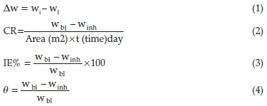
Cmetal is the concentration of metals (mg kg-1) as determined in the raw plant material. IR is the daily average consumption rate of raw material from a medicinal plant, estimated at 0.06 kg/day.23, 2423, 24
The hazard quotient (HQ) used to determine the health dangers of non-cancerous substances was evaluated using the formula in equation (2).23, 24

Where RfD represents the recommended daily intake of the metal amounts.
The hazard index (HI) used to evaluate the overall non-cancerous health risk is the sum of hazard quotients.
Carcinogen risk (CR) was evaluated using the formula given in equation (3).23, 24
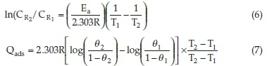
Where, CPSo is the oral slope factor.
Statistical analysis
Microsoft Excel was used to plot the graphs for the metal concentration. All measurements were done in triplicate and are expressed as a mean ± standard deviation (SD). Statistical significance differences were calculated using the t-test and one-way ANOVA, with p<0.05.
Toxicity analysis using ProTox-II
The toxicity prediction and analysis of toxic heavy metals was done using the online web tool ProTox-II (https://ox-new.charite.de/protox) accessed on 02/12/2025.
RESULTS AND DISCUSSION
In this study, we determined the metal content of the medicinal plant G. huillensis. Two extraction methods were employed: acid microwave digestion and hot-water extraction, and the results were compared. The findings showed that acid microwave digestion yielded higher metal concentrations, whereas hot-water extraction resulted in lower metal concentrations.
We also assessed the potential health risks associated with the medicinal use of the plant by calculating the estimated daily intake (EDI) of metals, as well as the hazard quotient (HQ) and hazard index (HI) for heavy metals. The results indicated that samples obtained through acid microwave digestion contained metal ions at high concentrations, with calculated values exceeding the recommended safe limits, suggesting potential health risks if consumed over a prolonged period. In contrast, the assessment of hot-water extracts showed that the calculated health risk values were within acceptable safe limits, indicating no significant danger when the extracts are used for medicinal purposes.
Quality assurance
The spike recovery results demonstrated acceptable analytical accuracy for most metal ions, having recoveries ranging between 90-110%. However, low recoveries has been seen for Na, Mo, Si, S, Mn, Ti, and K, which could suggest possible matrix interferences, incomplete digestion, ionization effects, and spectral overlaps.2526
Total metals in the plant biomass and comparison with hot water extraction
The evaluation of raw plant extracts of G. huillensis revealed the presence of various metal ions in different quantities across the stem, root, and leaf extracts. The metal ions detected in the stem, root, and leaf extracts are: K, Na, Ca, Mg, Al, Cr, Cu, Fe, Mn, Si, Ti, and Zn. The sample extracts were also evaluated for the presence of metals such as Co, Ni, Pb, Mo, Li, and V, which were not detected in the samples. Two extraction methods were explored in this study: acid digestion and hot water extraction. The results for the acid digestion method are presented in Table 2, while those for the hot water extraction method are presented in Table 3. Figure 1 compares the concentrations of the metal ions obtained by the two extraction methods. The results show the concentrations of the metal ions (mean ± SD, N = 3) together with the maximum and minimum values (mg kg-1) on a dry weight basis. The EDI, measured in mg/day, is presented in Table 4 for acid digestion and in Table 5 for hot water extraction. The HQ and hazard index are reported in Table 6 for acid digestion and in Table 7 for hot water extraction. Analysis of cancer risk (CR) associated with the prolonged consumption of these various parts of the G. huillensis plant is provided for acid digestion and hot water extraction.
Human health risk assessment
The evaluation of the plant extracts from the root, stem, and leaf of G. huillensis has revealed the presence of both nutritional metal ions and heavy metal ions (toxic metals). The nutritional ions identified are K, Na, Ca, Mg, and S. All these ions are important to human health. However, high metal concentrations can be harmful to the human body.27, 28Figure 1). For instance, among the nutritional metals, calcium was found to have the highest concentration in the root sample at 38180.3 ± 29.0 mg kg-1, whereas the same calcium had a concentration of 2380.7 ± 0.2 mg kg-1, which was the highest concentration recorded in the leaf sample using the hot water extraction method. This trend was observed across all the metal ions for the two extraction methods (Figure 1).
The observed high concentrations of these nutritional ions indicate that G. huillensis could be a good source of these nutrients. However, their concentrations should be closely monitored, as they are significantly higher than the recommended values. For instance, the recommended dietary allowance (RDA) for potassium is 3400 mg/ day, for calcium it is 1200 mg/day, while that of magnesium is 420 mg/day. These nutrients may contribute to the traditional therapeutic benefits of the plant; however, consumption patterns should remain moderate since the RDA values are lower than the plant's dry-weight concentration values.
Regarding the heavy metal concentration analysis in G. huillensis, it can also be observed that the acid digestion method recorded higher concentrations of these metals in the plant samples compared to the concentrations obtained using the hot water extraction method. For example, aluminium (Al) was found to have the highest concentration in the stem sample at 18059.6 ± 59.4 mg kg-1 (Table 2), compared to the highest concentration of 1141.8 ± 0.1 mg kg-1 for the same aluminium in the leaf sample using the hot water extraction method (Table 3). In general, the acid digestion method indicated higher concentrations of these metal ions in the sample extracts, whereas the hot water extraction method indicated lower concentrations of the metals (Figure 1).
Studies have reported the health risks associated with heavy metal contents in medicinal plants used traditionally, and most of these studies have been based on acid digestion method analyses. 23, 24, 29-31 The comparative analysis conducted in this study tends to suggest that such analyses may overestimate the risks associated with the consumption of these metal ions in medicinal plants. As demonstrated in this study, the hot water extraction method appears to be a moderate and effective method, as the metals extracted were within acceptable standard limits, posing minimal health risks associated with the consumption of these heavy metal ions when the plant is used traditionally as a medicinal remedy.
It should be noted that the low levels of metal concentrations recorded in the hot water extraction method can be attributed to the fact that many metals are insufficiently soluble in neutral water to be effectively extracted, especially when they are present in solid matrices. Acid digestion, on the other hand, is capable of breaking down solid materials and converting them into soluble ions, leading to high recovery rates and, consequently, higher extraction of metals.32
Estimated daily intake for heavy metals
The daily intake dose (EDI) is calculated to quantify the acceptable amounts of metal ions that should go into the body system of a person based on their body weight.
The hot water extraction method shows moderate concentrations of heavy metals in G. huillensis. The EDI of heavy metals in the root, stem, and leaf of G. huillensis is generally low and within the acceptable levels set by the world health organisation (WHO) for the hot water method of extraction. With acid digestion, aluminium (Al) is found to be 0.292 mg kg-1/day in leaf extract and 1.1 mg kg-1/day in root, which are within the acceptable levels, except for the stem sample, which is said to be 15.4 mg kg-1/day, far higher than the set limit of 1.0 mg kg-1/day. However, when compared to the values of the same aluminium metal in the hot water extraction method, it indicates that all three samples, leaf, root and stem had the EDI values below the limit value, giving the values of 0.978 mg kg-1/day for leaf, 0.359 mg kg-1/day for root, and 0.008 mg kg-1/day for the stem, which are all below the set limit of 1.0 mg kg-1/day. These results indicate that the sample extracts of G. huillensis pose no risk to the consumer, with no significant health risk associated with their consumption, showing that the heavy metals present in this plant are within acceptable levels to human health. The hot water extraction method further gives justification as to its safety when using the plant for medicinal purposes.
Hazard quotient
Tables 6 and 7 give the HQ values for acid digestion and hot water extraction methods, respectively. Most metals had HQ values less than 1, except in the acid digestion method, where Al had a higher value of 15.4 in the stem, Mn with 10.9 in the leaf sample, Cu with 3.6, and Fe with 5.2 in the stem, indicating that they could pose some health risk when consumed over time. However, the HQ for all the heavy metals in the hot water extracted samples indicated a minimal presence of these metals across all the sample extracts, with values that are less than 1, except for Co, which had a value of 6.6. These results indicated that these metals posed no significant health risks. The HQ is used to determine the health dangers of non-cancerous substances to humans, which may come from long-term consumption of heavy metals, as they may be found in medicinal plants. When the value of HQ equals 1, it gives an indication of high potential health risks that might come with long-term consumption of the metal. These acceptable daily intake amounts are a guideline to the maximum quantity of a metal that is considered safe to be consumed per kilogram per day, proportionate to the body weight. The RfD values for some metals are: copper (0.04 mg kg-1), aluminium (1.0 mg kg-1), zinc (0.3 mg kg-1), iron (0.7 mg kg-1), manganese (0.14 mg kg-1), lead (0.0035 mg kg-1), nickel (0.91 mg kg-1), silver (0.005 mg kg-1) and cobalt (0.0003 mg kg-1) per day. 33, 3424, 3536
Cancer risk
Carcinogen risk (CR) gives the potential of developing cancer because of consuming a carcinogenic substance for a prolonged period of time by an individual. Looking at the potential cancer risk for these heavy metals, the results indicated that there is low or no risk, as most metals give values that indicate a non-carcinogenic effect. This is seen especially for the hot water extraction method, except for the stem extract in acid digestion, which gave a 3.088 value, which is more than the recommended value of 1.0, showing that long-term consumption of the stem extract can result in the development of cancer. Additionally, evaluation of the total cancer risk (CR) for heavy metals exposure indicates that these metals pose no carcinogenic danger that could come from consuming the extracts of G. huillensis over time. It should also be noted that heavy metals present in this plant, such as Ti, Zn, Cu, and Si, are classified as non-carcinogenic substances, hence posing no risk of causing cancer.37, 38
Statistical analysis
Statistically significant differences in metal ion concentration among the plant parts were calculated using the t-test and one-way ANOVA, with p<0.05. Results are presented in Tables 8 and 9 for acid microwave digestion and hot water extraction, respectively.

The metal ions analysis revealed significant variations (p < 0.05) in the concentrations of nutritional and heavy metal ions among the leaf, root, and stem samples. In hot water extraction, potassium was the most abundant nutritional metal ion in the leaves (14207.97 ± 3.49 mg kg-1), followed by calcium and magnesium, indicating preferential accumulation of essential nutrients in foliar tissues. Leaves generally exhibited significantly higher concentrations of most nutritional metal ion compared to roots and stems.
Among the heavy metals, aluminum and silicon showed significantly higher accumulation in leaves than in other plant parts with concentrations of 1141.77 ± 0.15 and 1077.17 ± 9.75, respectively. Copper concentrations were significantly higher in stems than in roots, while titanium was significantly higher in roots than in stems. Metal ions such as cobalt, chromium, and iron were only detected in one plant organ.
Toxicity predictions of heavy metals
In this study, we predicted hepatotoxicity, neurotoxicity, nephrotoxicity, respiratory toxicity, cardiotoxicity, carcinogenicity, clinical toxicity, nutritional toxicity, and LD50 for the toxicity analysis of heavy metals. Table 10 shows the results of this analysis from G. huillensis.
The toxicity analysis of heavy metals present in G. huillensis shows both health and environmental implications. The hot water extraction method, which has proven to be the safer method of extraction, showed the presence of Al, Si, and Zn in root, stem, and leaf extracts, while Cu and Ti were present in root and stem extracts. All these heavy metals are predicted to be active for blood-brain barrier (BBB) penetration and ecotoxicity. Their ability to cross the blood-brain barrier increases their potential to cause neurological damage, leading to chronic health issues.39-1. However, its presence in G. huillensis should still be of concern due to its predicted neurotoxicity, BBB penetration, and ecotoxicity.
Zn has a predicted toxicity class of 4, with a predicted LD50 of 2000 mg kg-1. However, its activity for neurotoxicity, BBB penetration, and ecotoxicity suggests that it should be closely monitored. Si shows a similar trend to the other metals. Although it has low acute toxicity, with a predicted toxicity class of 5, its predicted activity for neurotoxicity, carcinogenicity, BBB penetration, and ecotoxicity means that it can be harmful to human health and may contribute to environmental pollution.40
It is important to emphasize that, while G. huillensis may offer medicinal benefits and the hot water extraction method has been shown to yield low concentrations of these heavy metal ions, their potential for neurotoxicity and ecotoxicity, as well as their ability to cross the blood-brain barrier, suggests that caution should be exercised when using the plant for medicinal purposes.
Implications as a traditional medicine
The analysis of the results of G. huillensis has highlighted the potential as well as the risks that might be associated with its use as a medicinal plant. Results from the two methods of extraction have indicated that the plant tissue has a high amount of nutritional ions such as K, Ca, Mg, and S, which are essential nutrients with positive contributions to the medicinal value of the plant and are good for human health.41
The presence of these high-value nutritional ions as well as the variety of phytochemicals such as Flavonoids, Phenols, Terpenoids and Xanthones could be attributed to its therapeutic potential as used traditionally in the treatment of diseases like diabetes, inflammations, and other metabolic disorders.
The evaluation of the toxic heavy metal ions present in this plant has indicated that overall, the metal ions present do not pose any risk to human health, especially when the hot water extraction method is used. This result, therefore, suggests that G. huillensis is safe to use traditionally as a medicinal plant. However, the presence of heavy metal ions in G. huillensis, together with their potential neurotoxicity, ecotoxicity, and ability to cross the blood-brain barrier, suggests the need for caution regarding its medicinal use. The limitation of these findings is that the study was done in a single geographical area. Furthermore, the concentrations of the metal ions are also influenced by the composition of the soil due to variation in geographical areas.
CONCLUSION
The metal content evaluation of G. huillensis revealed the presence of both nutritional and heavy metal ions in the plant extracts. The high levels of nutritional ions, such as potassium, calcium, magnesium, and sulfur, underscore the nutritional value of this plant, as well as their positive contribution to its effectiveness as a medicinal plant. These elements, together with the wide range of natural products found in G. huillensis, could contribute to its therapeutic use in the treatment of diseases such as diabetes and other metabolic disorders.
The evaluation of heavy metal content also showed that G. huillensis contains moderate amounts of heavy metal ions when the hot water extraction method is employed. The levels ofheavy metal ions detected were found to be mainly within acceptable standard limits, thereby posing no significant risk to human health that could arise from prolonged consumption of different parts of the plant. A comparison of the two extraction methods revealed that the hot water extraction method is the safer method when the plant is used for medicinal purposes. These findings provide insight into the potential dangers that these extracts might pose. The hot water extraction method demonstrated that the extracts from all three plant parts are safe for human health.
It can therefore be stated that the use of the acid digestion extraction method to evaluate the risks associated with metal content in medicinal plants may overestimate the dangers or risks linked to the medicinal use of the plant. In contrast, the method traditionally used by healers, namely hot water extraction, allows metal ions to be extracted in moderate concentrations that are considered safe and, according to these findings, pose no significant health risks.
However, this study had some limitations. The research was conducted in only one geographical area, which may have limited the range of detectable metal contents. In addition, bioavailability studies were not carried out. Further studies on G. huillensis should focus on several key areas to improve understanding of its medicinal properties. Toxicological studies should be conducted to provide robust evidence regarding the safety of the plant extract for medicinal use. For example, the toxicological effects of these metals on liver and kidney function should be evaluated. Comparative studies with other Garcinia species should also be carried out to identify unique or common trends. Additionally, both in vitro and in vivo studies should be conducted to validate the medicinal potential of the plant. Finally, this study should be replicated in other geographical areas in order to compare the metal content of the plant, as the concentrations of these metals are highly influenced by soil composition and environmental factors.
SUPPLEMENTARY INFORMATIONThere is no Supplementary Information for this article.
AUTHOR CONTRIBUTIONSChimuka Luke: Supervision, Methodology, Writing- review & editing. Monyai Mokgaetji: Visualisation, Methodology, Data acquisition. Singh S Indra: Methodology, Resources. Writing- review & editing, Supervision. Ngwenya Nkazimulo: Data acquisition, investigation, Methodology. Maseka K Kakoma: Supervision, Methodology. Chanshi Christopher: Resources, Data acquisition, software. Chibuye Bitwell: Methodology, Writing- review & editing. Mukuta Misheck: Methodology, Writing- Original draft, review & editing, Resources, Software, Analysis, Data acquisition, Project administration.
DECLARATION OF COMPETING/FINANCIAL INTERESTS
All authors declare not to have any known competing interests regarding this work.
DECLARATION OF GENERATIVE AI AND AI-ASSISTED TECHNOLOGIES
The authors wish to state that the AI tool (ChatGPT) was used to proofread the manuscript.
AUTHORS ORCIDSMisheck Mukuta: https://orcid.org/0009-0009-8219-3953
Indra S Singh: https://orcid.org/0000-0001-8062-7089
Luke Chimuka: https://orcid.org/0000-0002-8552-2478
Kakoma K Maseka: https://orcid.org/0000-0001-9515-2872
Mokgaetji Monyai: https://orcid.org/0000-0001-5465-1464
Christopher Chanshi: https://orcid.org/0009-0005-8450-1877
Nkazimulo Ngwenya: https://orcid.org/0000-0002-4159-8681
Bitwell Chibuye: https://orcid.org/0000-0002-6658-6695
ACKNOWLEDGEMENTS
We would like to thank the management of Copperbelt University and the University of Witwatersrand for the logistical support towards this project. This work received no formal grant but received logistical support from the Copperbelt University and the University of Witwatersrand.
REFERENCES
-
1. Willsky GR, Bussmann RW, Ganoza-Yupanqui ML, Malca-Garcia G, Castro I, Sharon D. Integrating traditional and modern medicine: perspectives from ethnobotany, medical anthropology, microbiology, and pharmacy. In: Smith K, Ram P. (editors), Transforming Global Health. Cham: Springer; 2020. pp 301-314. https://doi.org/10.1007/978-3-030-32112-3_19
» https://doi.org/10.1007/978-3-030-32112-3_19 -
2. Chibuye B, Singh IS, Chimuka L, Monyai M. Nutrients and toxic heavy metals in Strychnos cocculoides (Loranthaceae): Implications for traditional medicine. Toxicol Rep. 2025;14:102050. https://doi.org/10.1016/j.toxrep.2025.102050
» https://doi.org/10.1016/j.toxrep.2025.102050 -
3. Muya K, Kalonji M, Ilunga N, Maseho M, Kitambala M, Kalonda M, Ndoumba K, Byanga K, Wright CW, Häberli C, et al. Evaluation of 43 species of Congolese medicinal plants used traditionally for the treatment of schistosomiasis leading to the isolation of an anti-schistosomal phaeophytin from Pseudolachnostylis maprouneifolia. Pax. J Ethnopharmacol. 2023;315:116688. https://doi.org/10.1016/j.jep.2023.116688.
» https://doi.org/10.1016/j.jep.2023.116688 -
4. Tan WN, Azizi J, Omar NAC, Leong CR, Tong WY. Essential Oils of Garcinia spp. and Their Biological Activities. Malays J Med Health Sci. 2023;19(SUPP9):289-297. https://doi.org/10.47836/mjmhs.19.s9.39
» https://doi.org/10.47836/mjmhs.19.s9.39 -
5. Joshi A, Kaur S, Taneja SK, Mandal R. Review article on molecular mechanism of regulation of hypertension by macro-elements (Na, K, Ca and Mg), micro- elements/trace metals (Zn and Cu) and toxic elements (Pb and As). Biol Trace Elem Res. 2024;202(4):1477-1502. https://doi.org/10.1007/s12011-023-03784-z.
» https://doi.org/10.1007/s12011-023-03784-z -
6. J Jomova K, Makova M, Alomar SY, Alwasel SH, Nepovimova E, Kuca K, Rhodes CJ, Valko M. Essential metals in health and disease. Chem Biol Interact. 2022;367:110173. https://doi.org/10.1016/j.cbi.2022.110173.
» https://doi.org/10.1016/j.cbi.2022.110173 -
7. Adimula VO, Onianwa PC, Ilupeju O, Ayom E, Baba AA. Assessment of heavy metals in foods and adult dietary intake estimates. Afr J Sci Technol Innov Dev. 2019;11(2):261-268. https://doi.org/10.1080/20421338.2018.1556455.
» https://doi.org/10.1080/20421338.2018.1556455 -
8. Konieczynski P, Zarkov A, Viapiana A, Chrubczynska A, Mpandzo E, Wesolowski M. Studies on the chemical composition of plants used in traditional medicine in Congo. Open Chem. 2022;20(1):370-378. https://doi.org/10.1515/chem-2022-0148.
» https://doi.org/10.1515/chem-2022-0148 -
9. Kfíbek B, Nyambe I, Sracek O, Mihaljevic M, Knésl I; K'ríbek B. Nyambe I, Sracek O, Mihaljevic M, Kn'esl I. Impact of mining and ore processing on soil, drainage and vegetation in the Zambian copperbelt mining districts: a review. Minerals (Basel). 2023;13(3):384. https://doi.org/10.3390/min13030384.
» https://doi.org/10.3390/min13030384 -
10. Moghimi Dehkordi M, Pournuroz Nodeh Z, Soleimani Dehkordi K, Salmanvandi H, Rasouli Khorjestan R, Ghaffarzadeh M. Soil, air, and water pollution from mining and industrial activities: sources of pollution, environmental impacts, and prevention and control methods. Results Eng. 2024;23: 102729. https://doi.org/10.1016/j.rineng.2024.102729.
» https://doi.org/10.1016/j.rineng.2024.102729 -
11. Ugwu CE, Igbokwe AM, Suru SM, Dike CC, Mbachu AN, Maduka HCC. Evaluating the human health risks of heavy metal contamination in copper and steel factory effluents in Nnewi, Anambra State, Nigeria. Toxicol Rep. 2024;12:614-621. https://doi.org/10.1016/j.toxrep.2024.05.009.
» https://doi.org/10.1016/j.toxrep.2024.05.009 -
12. Eliaza NO, Malamla SB, Mabula YR, Ntarisa AV. Human health risk assessment of heavy metals in beer brands from Tanzania market. Toxicol Rep. 2024;13:101820. https://doi.org/10.1016/j.toxrep.2024.101820.
» https://doi.org/10.1016/j.toxrep.2024.101820 -
13. Ezemonye LI, Adebayo PO, Enuneku AA, Tongo I, Ogbomida E. Potential health risk consequences of heavy metal concentrations in surface water, shrimp (Macrobrachium macrobrachion) and fish (Brycinus longipinnis) from Benin River, Nigeria. Toxicol Rep. 2019;6:1-9. https://doi.org/10.1016/J.toxrep.2018.11.010.
» https://doi.org/10.1016/J.toxrep.2018.11.010 -
14. Kaninga B, Lark RM, Chishala BH, Maseka KK, Sakala GM, Young SD, Tye A, Hamilton EM, Watts MJ. Crop uptake of heavy metals in response to the environment and agronomic practices on land near mine tailings in the Zambian Copperbelt Province. Environ Geochem Health. 2021;43(9):3699-3713. https://doi.org/10.1007/s10653-021-00849-7.
» https://doi.org/10.1007/s10653-021-00849-7 -
15. Galli N, Chiarelli DD, D'Angelo M, Rulli MC. Socio-environmental impacts of diamond mining areas in the Democratic Republic of Congo. Sci Total Environ. 2022;810:152037. https://doi.org/10.1016/j.scitotenv.2021.152037.
» https://doi.org/10.1016/j.scitotenv.2021.152037 -
16. Pieters JN, Ndaba NS, Ngcobo S. Exploring prioritization of wellbeing and health impacts for mining communities during the mining life cycle within the sub-Saharan Africa context: a systematic review. BMC Public Health. 2025;25(1):1432. https://doi.org/10.1186/s12889-025-22691-7.
» https://doi.org/10.1186/s12889-025-22691-7 -
17. Pretty MM, Odeku KO. Harmful mining activities, environmental impacts and effects in the mining communities in South Africa: a critical perspective. Environ Ecol. 2017;8(4):14-24. https://doi.org/10.21511/ee.08(4).2017.02.
» https://doi.org/10.21511/ee.08(4).2017.02 -
18. Chen L, Zhou M, Wang J, Zhang Z, Duan C, Wang X, Zhao S, Bai X, Li Z, Li Z, et al. A global meta-analysis of heavy metal (loid) s pollution in soils near copper mines: evaluation of pollution level and probabilistic health risks. Sci Total Environ. 2022;835:155441. https://doi.org/10.1016/j.scitotenv.2022.155441.
» https://doi.org/10.1016/j.scitotenv.2022.155441 -
19. Adnan M, Xiao B, Ali MU, Xiao P, Zhao P, Wang H, Bibi S. Heavy metals pollution from smelting activities: a threat to soil and groundwater. Ecotoxicol Environ Saf. 2024;274:116189. https://doi.org/10.1016/j.ecoenv2024.116189.
» https://doi.org/10.1016/j.ecoenv2024.116189 -
20. Ali A, Ola BR, Mazahar F. Gas chromatography - mass spectrometry analysis, inductively coupled plasma mass spectrometry investigation, and antimicrobial screening of Caesalpinia Bonducella (l.) Roxb. seed kernel. Asian J Pharm Clin Res. 2019;12(4):315-319. https://doi.org/10.22159/ajpcr.2019.v12i4.32067.
» https://doi.org/10.22159/ajpcr.2019.v12i4.32067 -
21. Victório CP, dos Santos MS, de Mello MC, Bento JPSP, da Costa Souza M, Simas NK, do Carmo de Oliveira Arruda R. The presence of heavy metals in Avicennia schaueriana Stapf & Leechman Ex Moldenke leaf and epicuticular wax from different mangroves around Sepetiba Bay, Rio De Janeiro, Brazil. Environ Sci Pollut Res Int. 2020;27(19):23714-23729. https://doi.org/10.1007/s11356-020-08606-6.
» https://doi.org/10.1007/s11356-020-08606-6 -
22. Thabit TMAM, Elgeddawy DIH, Shokr SA. Determination of some common heavy metals and radionuclides in some medicinal herbs using ICP-MS/MS. J AOAC Int. 2020;103(5):1282-1287. https://doi.org/10.1093/jaoacint/qsaa037.
» https://doi.org/10.1093/jaoacint/qsaa037 -
23. Chibuye B, Singh IS, Chimuka L, Maseka KK. Metabolite profiling, phytochemical studies, heavy metal determination and health risk assessment of Entandrophragma delevoyi De Wild in Zambia. S Afr J Bot. 2024a;172:663-677. https://doi.org/10.1016/j.sajb.2024.07.053.
» https://doi.org/10.1016/j.sajb.2024.07.053 -
24. Chibuye B, Singh IS, Chimuka L, Mokgaetji M, Maseka KK. Determination of metals in Diplorhynchus condylocarpon (Müll.Arg.) Pichon (Apocynaceae) using ICP OES and health risk assessment. Toxicol Environ Chem. 2024b;106(1-10):72-97. https://doi.org/10.1080/02772248.2024.2419088.
» https://doi.org/10.1080/02772248.2024.2419088 -
25. Serrano R, Anticó E, Grindlay G, Gras L, Fontàs C. Determination of elemental bioavailability in soils and sediments by microwave-induced plasma optical emission spectrometry (MIP-OES): matrix effects and calibration strategies. Talanta. 2022;240:123166. https://doi.org/10.1016/j.talanta.2021.123166.
» https://doi.org/10.1016/j.talanta.2021.123166 -
26. Langenfeld NJ, Bugbee B. An improved digestion and analysis procedure for silicon in plant tissue. PLoS One. 2023;18(9):e0289151. https://doi.org/10.1371/journal.pone.0289151.
» https://doi.org/10.1371/journal.pone.0289151 -
27. Tiwari R, Aulakh RS, Bedi JS, Gill JPS, Kumar A. Occurrence and spatial distribution of metals and arsenic in groundwater sources of Punjab (India), and their health risk assessment. Toxicol Environ Chem. 2020;102(9):425-438. https://doi.org/10.1080/02772248.2020.1808895.
» https://doi.org/10.1080/02772248.2020.1808895 -
28. Chen YF, He MX, Feng HM, Liu Q, Chen JX, Li T. Health risk study of cadmium, chromium, lead and arsenic in reservoir water of Changzhou, China. Environ. Sci. Health A Tox Hazard Subst. J Environ Sci Health A Tox Hazard Subst Environ Eng. 2023;58(7):680-693. https://doi.org/10.1080/10934529.2023.2206772.
» https://doi.org/10.1080/10934529.2023.2206772 -
29. Guo C, Lv L, Liu Y, Ji M, Zang E, Liu Q, Zhang M, Li M. Applied analytical methods for detecting heavy metals in medicinal plants. Crit Rev Anal Chem. 2023;53(2):339-359. https://doi.org/10.1080/10408347.2021.1953371.
» https://doi.org/10.1080/10408347.2021.1953371 -
30. Al-Thani G, Ibrahim AE, Alomairi M, Salman BI, Hegazy MM, Al-Harrasi A, El Deeb S. Toxic elemental impurities in herbal weight loss supplements: a study using ICP-OES microwave-assisted digestion. Toxics. 2023;11(3):272. https://doi.org/10.3390/toxics11030272.
» https://doi.org/10.3390/toxics11030272 -
31. Chibuye B, Singh IS, Chimuka L, Monyai M. Nutrients and toxic heavy metals in Strychnos cocculoides (Loranthaceae): implications for traditional medicine. Toxicol Rep. 2025;14:102050. https://doi.org/10.1016/j.toxrep.2025.102050.
» https://doi.org/10.1016/j.toxrep.2025.102050 -
32. United States Environmental Protection Agency. (2015, December). Regional screening level (RSL) summary table [Data table], https://www.epa.gov/risk/regional-screening-levels-rsls-generic-tables
» https://www.epa.gov/risk/regional-screening-levels-rsls-generic-tables -
33. United States Environmental Protection Agency. (2021, November). Regional screening level (RSL) summary table [Data table], https://www.epa.gov/risk/regional-screening-levels-rsls-generic-tables
» https://www.epa.gov/risk/regional-screening-levels-rsls-generic-tables -
34. Ghouma A, Aydi A, Martin JAR, Gasmi M. Health risk assessment associated with heavy metal pollution levels in Mediterranean environment soils: a case study in the watershed of Sebkhet Ariana, Tunisia. Arab J Geosci. 2022;15(8):716. https://doi.org/10.1007/s12517-022-09877-8.
» https://doi.org/10.1007/s12517-022-09877-8 -
35. Fu Z, Xi S. The effects of heavy metals on human metabolism. Toxicol Mech Methods. 2020;30(3):167-176. https://doi.org/10.1080/15376516.2019.1701594.
» https://doi.org/10.1080/15376516.2019.1701594 -
36. Das S, Ting YP. Evaluation of wet digestion methods for quantification of metal content in electronic scrap material. Resources (Basel). 2017;6(4):64. https://doi.org/10.3390/resources6040064.
» https://doi.org/10.3390/resources6040064 -
37. Yang CM, Chien MY, Chao PC, Huang CM, Chen CH. Investigation of toxic heavy metals content and estimation of potential health risks in Chinese herbal medicine. J Hazard Mater. 2021;412:125142. https://doi.org/10.1016/j.jhazmat.2021.125142.
» https://doi.org/10.1016/j.jhazmat.2021.125142 -
38. Taylor AA, Tsuji J, McArdle ME, Adams WJ, Goodfellow WL Jr. Recommended Reference Values for Risk Assessment of Oral Exposure to Copper. Risk Anal. 2023;43(2):211-218. https://doi.org/10.1111/risa.13906.
» https://doi.org/10.1111/risa.13906 -
39. Wu D, Chen Q, Chen X, Han F, Chen Z, Wang Y. The blood-brain barrier: structure, regulation, and drug delivery. Signal Transduct Target Ther. 2023;8(1):217. https://doi.org/10.1038/s41392-023-01481-w.
» https://doi.org/10.1038/s41392-023-01481-w -
40. Dubey S, Shri M, Gupta A, Rani V, Chakrabarty D. V. Rani V, Chakrabarty D. Toxicity and detoxification of heavy metals during plant growth and metabolism. Environ Chem Lett. 2018;16(4):1169-1192. https://doi.org/10.1007/s10311-018-0741-8.
» https://doi.org/10.1007/s10311-018-0741-8 -
41. Nieder R, Benbi DK, Reichl FX. Macro- and secondary elements and their role in human health. In: Soil Components and Human Health. Dordrecht: Springer; 2018. pp 257-315. https://doi.org/10.1007/978-94-024-1222-2_6.
» https://doi.org/10.1007/978-94-024-1222-2_6
Revised: 26 May 2026
Accepted: 20 July 2026