Transitioning from High School to University in Lesotho: The Views and Experiences of First-Year students on chemistry Practical Work
Abstract
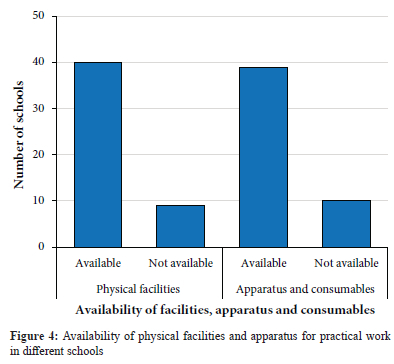
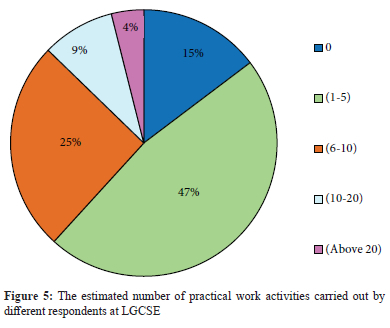
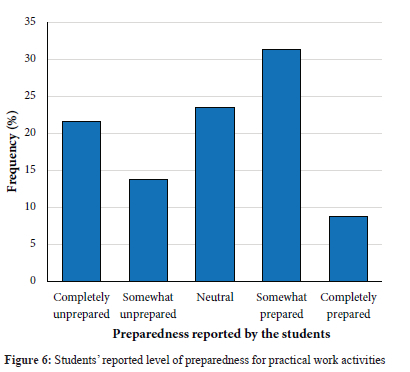
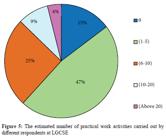
Practical work is a critical component of science education, fostering conceptual understanding, skills development, and scientific literacy. However, challenges like limited resources, time constraints, and poorly structured activities often hinder its effectiveness in high schools, particularly in the resource-constrained settings found in most Lesotho high schools. Employing a mixed methods approach, this study sought to explore students' pre-university and first year university experiences with chemistry practical work and their preparedness for university level practical work. A Google Docs questionnaire, containing both closed and open-ended questions, was uploaded to the learning management system, which then distributed email notifications to first-year science students at the National University of Lesotho. In total, 107 students completed the questionnaires. Quantitative and qualitative data were analysed through descriptive statistics and content analysis respectively. The findings revealed significant disparities in students' exposure to practical work during high school, with 16% reporting no practical work experience and 52% having conducted fewer than five practicals. Lack of functional laboratories, apparatus, and consumables as well as the prevalence of teacher demonstrations limit students' engagement with practicals. Digital tools are rarely used to supplement practical work due to lack of access to the internet and electricity, as well as some restrictive school policies. Students faced challenging practical work at university, with many of them feeling unprepared due to inadequate high school training, highlighting the need for improved infrastructure and teacher training. The study suggests priority issues to be addressed to improve chemistry practical work in high schools in Lesotho.
Chemistry education; Practical work; High school to university transition; Student preparedness; LGCSE curriculum
 Thumbnail
 Thumbnail
 Thumbnail
 Thumbnail
 Thumbnail
 Thumbnail