The electronic structure and physicochemical characteristics of chlorohydroquinone compounds using density functional theory and Hartree-Fock techniques
Abstract
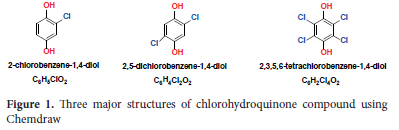
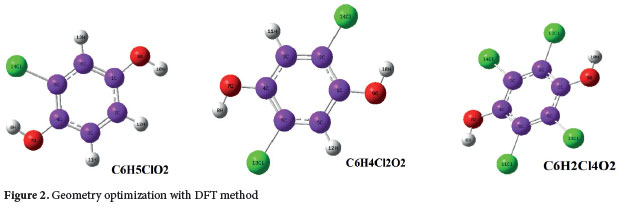
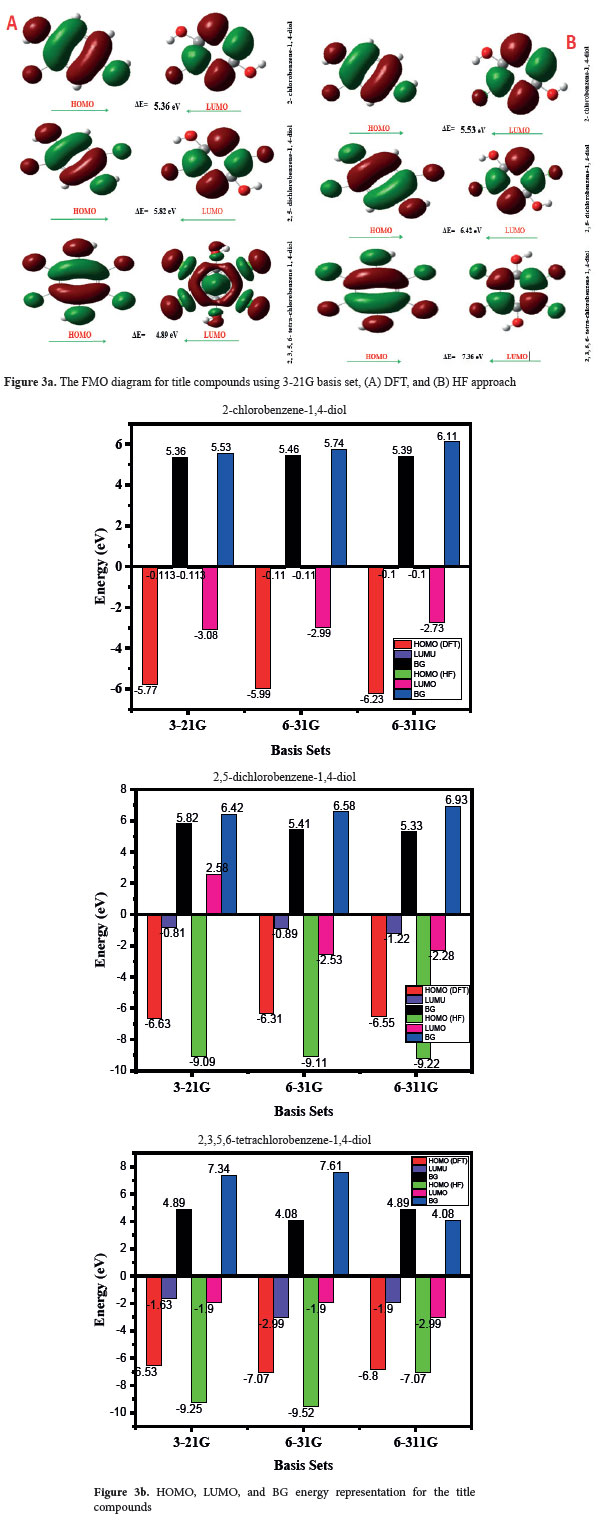
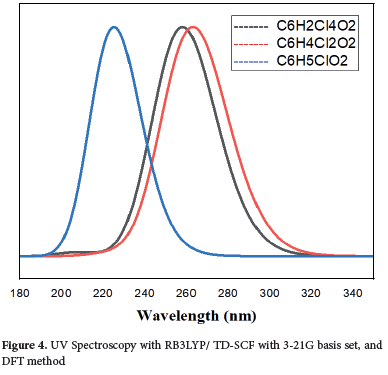
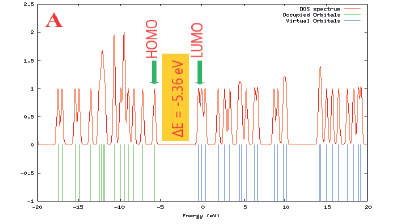
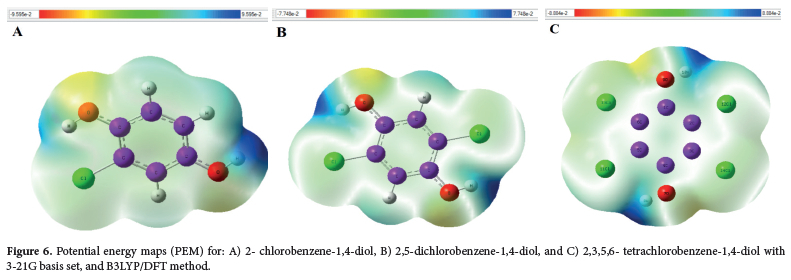
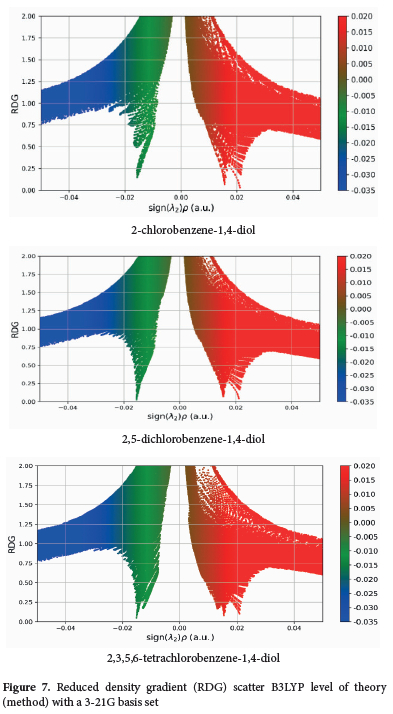
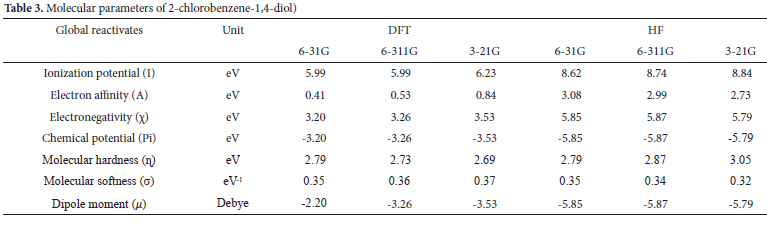
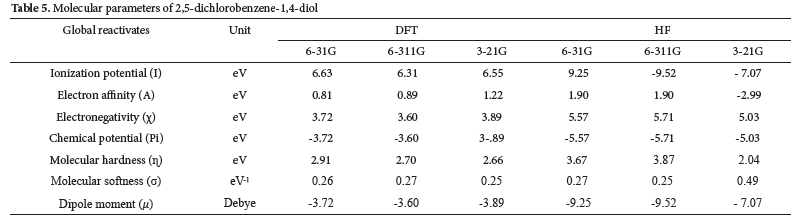
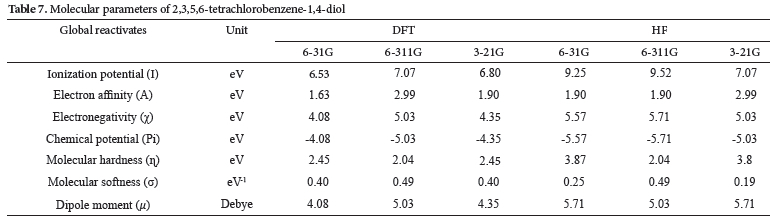
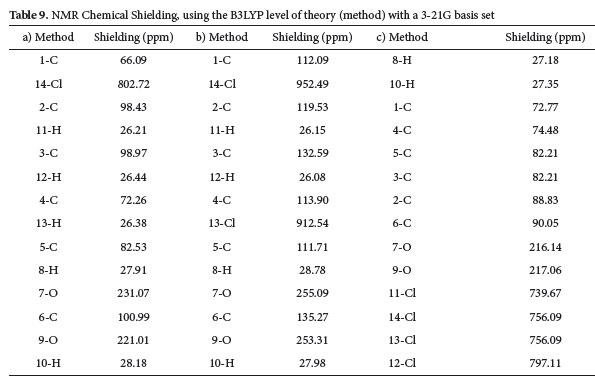
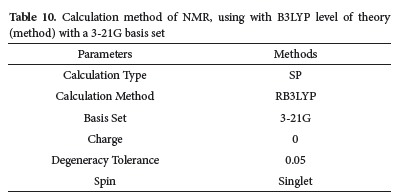
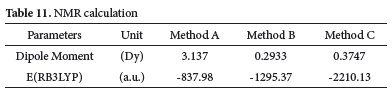
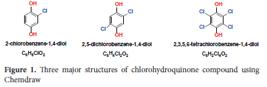
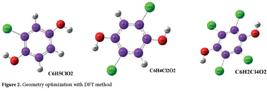
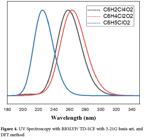
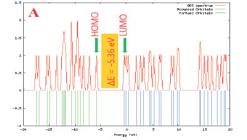
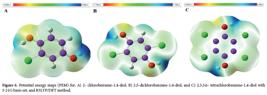
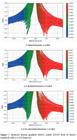
In the present research, the computer program Gaussian 5.0.9W was used to perform all calculations and physicochemical characteristics of 2-chlorobenzene-1,4-diol, 2,5-dichlorobenzene-1,4-diol, and 2,3,5,6-tetrachlorobenzene-1,4-diol molecules. The novelty of the work lies in the application of quantum computing analysis, specifically employing density functional theory (DFT) and Hartree-Fock (HF) techniques with a variety of basis sets (3-21G, 6-31G and 6-311G) to study the structure and characteristics of title compounds. In the current investigation, the influence of an increasing concentration of Cl compound on the electronegativity, dipole moment, and ionization potential was investigated. The following quantum chemical properties were derived: Ehomo-Elumo energy band gap (BG), energy ground state, ultraviolet (UV) spectroscopy, molecule electrostatic potential (MEP) on surfaces, density of states (DOS), reduced density gradient (RDG), nuclear magnetic resonance (NMR) including ground state energy E (B3LYP), thermodynamic parameters including thermal energy (E), entropy (S), molar heat capacity (Cv). Using a 6-31G basis set for DFT, the maximum amount of BG energy that can be transferred between HOMO and LUMO in a 2-chlorobenzene-1,4-diol molecule is 5.46 eV. Finally, based on our findings, the HF technique has a larger energy gap than the DFT approach. According to this, chlorohydroquinone compounds are less stable when using the DFT method, which suggests a higher degree of chemical reactivity.
Chlorohydroquinone; DFT; Hartree-Fock method; HOMO-LUMO; NMR shielding; UV spectroscopy
 Thumbnail
 Thumbnail
 Thumbnail
 Thumbnail
 Thumbnail
 Thumbnail
 Thumbnail