Anodized Edge-plane Pyrolytic Graphite for Electroanalysis of Pantoprazole in Tablet Dosage Forms and Human Urine Samples
Abstract
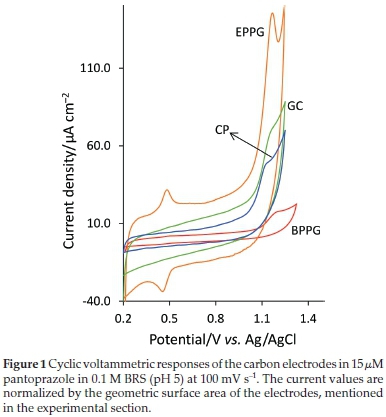
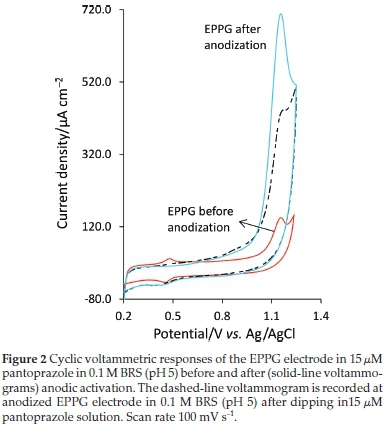
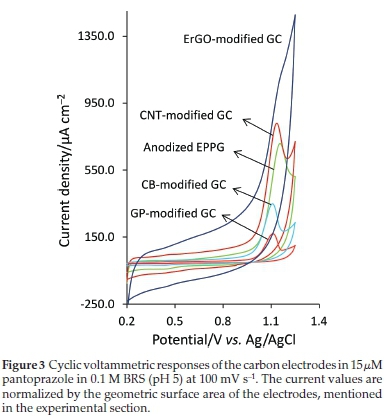
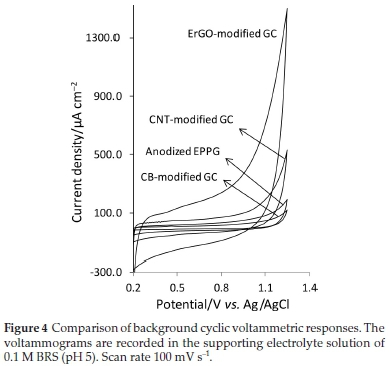
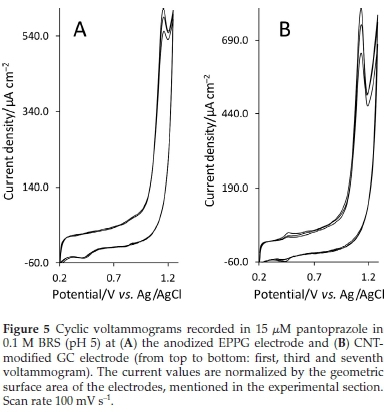
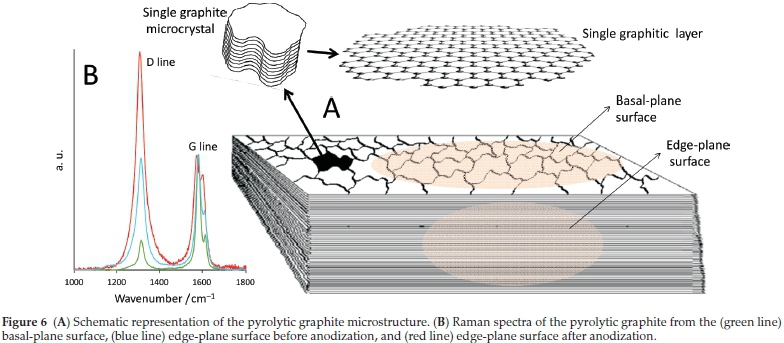
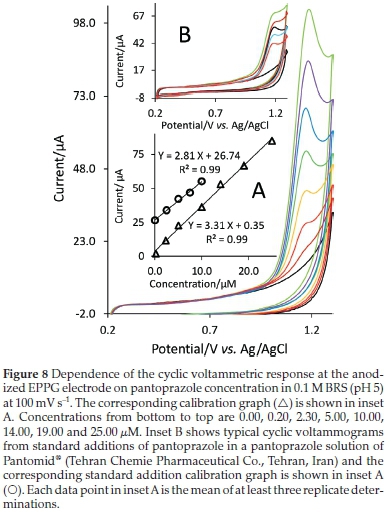
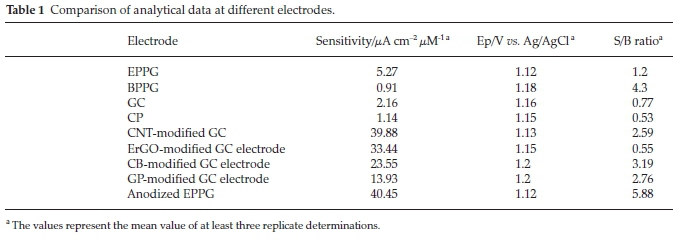
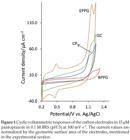
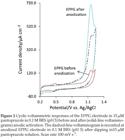
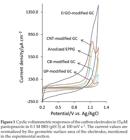
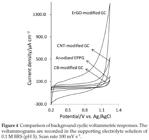
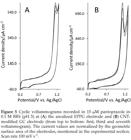
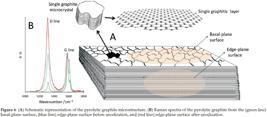
Electroanalytical parameters of different graphitic carbon-based electrode materials were compared to select the best one for the pantoprazole electroanalysis. Such parameters include sensitivity, repeatability, residual background current, and signal-to-background current ratio of the analytical response and such electrodes include conventional carbon-based electrodes such as glassy carbon (GC), carbon paste, edge-plane pyrolytic graphite (EPPG), and basal-plane pyrolytic graphite electrodes and film-coated modified GC electrodes with graphitic carbon-based materials such as carbon nanotube, nanographene, carbon black and graphite powder. The EPPG electrode, after applying a simple electrochemical anodization, showed more acceptable analytical performances compared with the other electrodes. Raman spectroscopy was employed to study the surface structural changes that occurred dring the anodic activation. Calibration plot with a good linearity was obtained in the concentration range of 0.2-25 and 0.02-8.5 μΜ, and the detection limit was estimated to be 0.055 and 0.0041 μΜ using cyclic voltammetry and differential pulse voltammetry techniques, respectively. Finally, the electrochemically activated EPPG electrode was used successfully for the determination of pantoprazole in tablet dosage forms and human urine samples with satisfactory results.
Edge-plane pyrolytic graphite; graphitic carbon-based electrodes; anodic activation; pantoprazole electroanalysis; nano-graphene; carbon nanotube
 Thumbnail
 Thumbnail
 Thumbnail
 Thumbnail
 Thumbnail
 Thumbnail
 Thumbnail
 Thumbnail
 Thumbnail
 Thumbnail