Combining Alkali and Peroxide for Pretreatment of Sugarcane Wastes, Bagasse and Trash, for Bioethanol Synthesis
Abstract
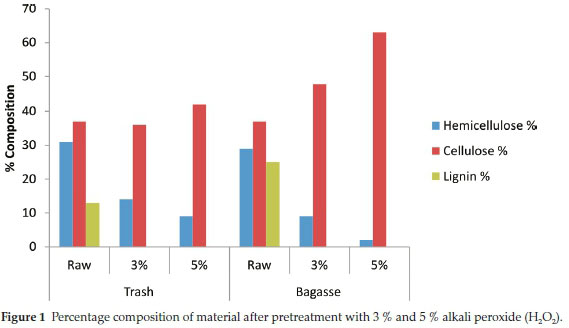
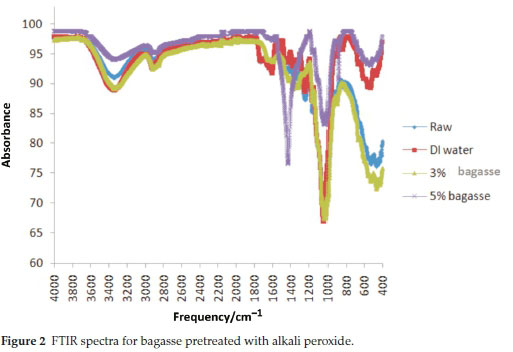
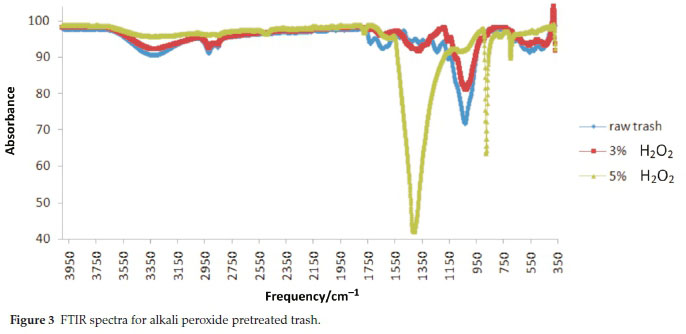
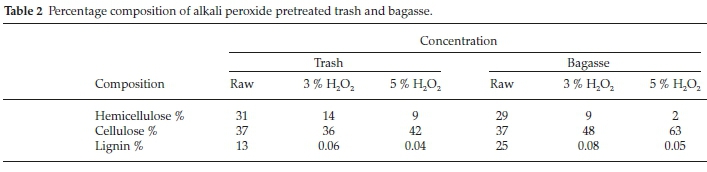
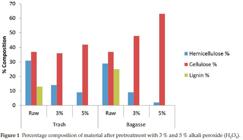
The use of agricultural waste material in the production of bioethanol can provide an alternative to fossil fuels that is renewable and readily available. This research sought to use a combination of chemical pretreatments to make available reducing sugars from sugarcane bagasse and trash for fermentation into bioethanol. A combination of alkali and peroxide was used. These results indicate that pretreatment with alkali peroxide is quite effective in reducing the levels of hemicellulose sugars and lignin in particular. The slight changes in cellulose quantities are an indication that alkali peroxide preatreatment conserves the quantities of cellulose and does not result in a loss in cellulose as compared to other pretreatment processes such as acid hydrolysis. The drawback is that this can also mean that the crystalline structure of the cellulose was not disturbed, which could slow down downstream processes of enzyme hydrolysis and subsequent fermentation. The pretreated bagasse contained significantly higher levels cellulose of 48 % and 63 % after pretreatment with 3 % and 5 % alkali peroxide, respectively. This represents a 28 % increase and a 70 % increase, respectively, in available exposed cellulose for use in further processes of enzyme hydrolysis and fermentation.
Pretreatment; bagasse; renewable energy; alkali peroxide
 Thumbnail
 Thumbnail
 Thumbnail
 Thumbnail
 Thumbnail
 Thumbnail