Effects of zinc precursor, basicity and temperature on the aqueous synthesis of ZnO nanocrystals
Abstract
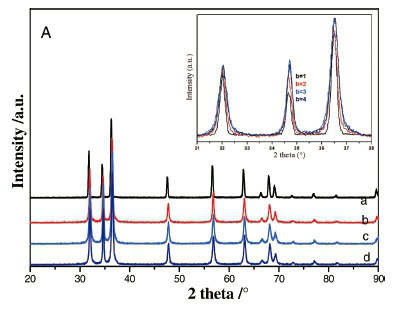
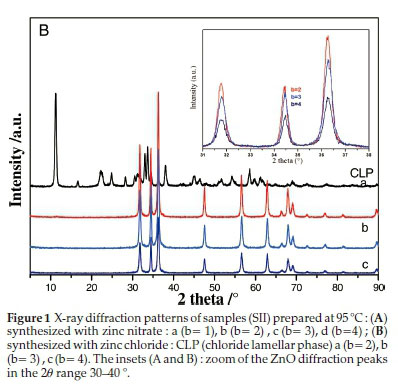
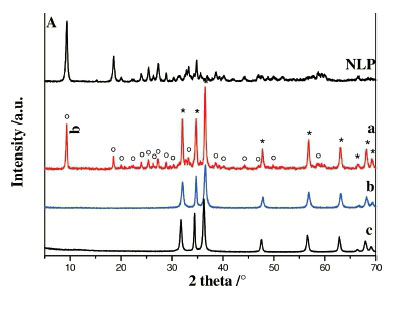
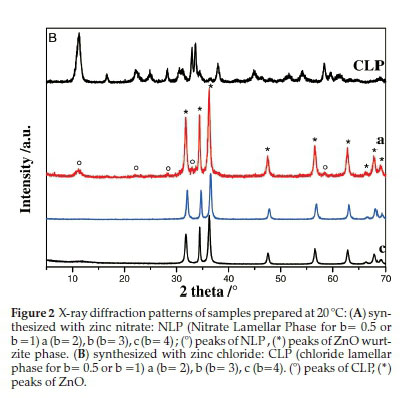
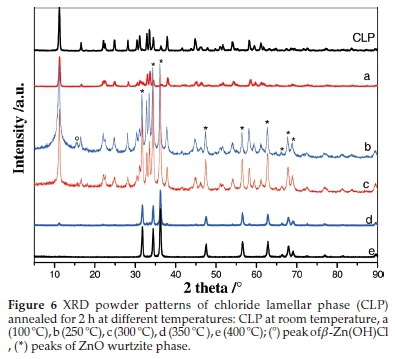
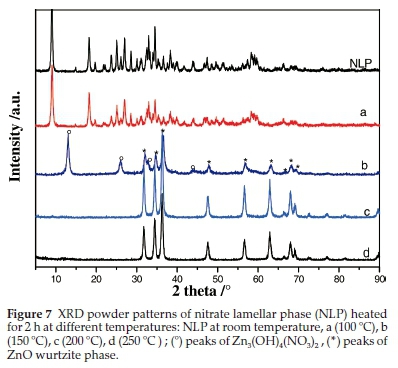
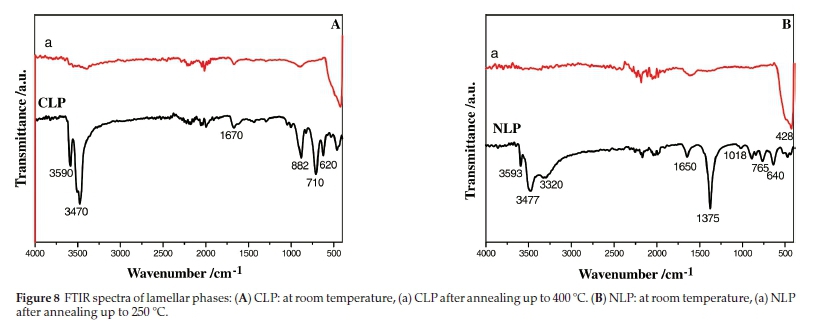
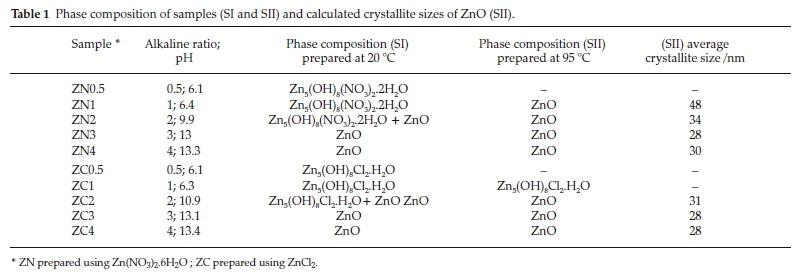
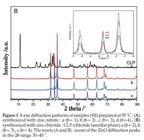
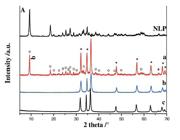
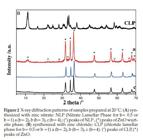
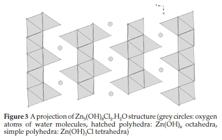
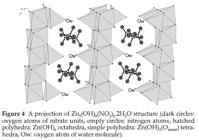
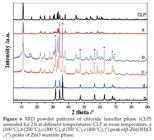
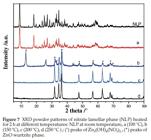
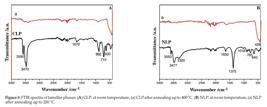
The effects of the zinc salt precursors, the reaction temperature and the alkaline ratio b (b = [OH-]/[Zn2+]) on the aqueous synthesis of ZnO nanocrystals were investigated. Depending on the type of the zinc precursor, Zn5(OH)8CL/H2Oor Zn5(OH)8(NO3)2.2H2O lamellar phases were obtained at room temperature (20 °C) when the alkaline ratio is lower (0.5 < b < 1, 6 < pH <£ 6.4). When the reaction temperature increased to 95 °C, zinc hydroxide chloride monohydrate was obtained in one case whereas zinc oxide was formed in the other, and no lamellar phase of Zn5(OH)8(NO3)2.2H2O was obtained. Thermal decomposition of the two lamellar phases was carried out and mainly showed that Zn5(OH)8(NO3)2.2H2O was completely decomposed to ZnO when the annealed temperature reached ~250 °C while Zn5(OH)8CL/H2O was totally transformed to ZnO at about 400 °C, a higher comparative temperature that confirms the better thermal stability of the zinc hydroxide chloride monohydrate.
Oxides; ZnO; chemical synthesis; X-ray diffraction; crystal structure; luminescence
 Thumbnail
 Thumbnail
 Thumbnail
 Thumbnail
 Thumbnail
 Thumbnail
 Thumbnail
 Thumbnail
 Thumbnail
 Thumbnail