In silico analysis of druggability, pharmacokinetics, and target identification of key molecules from Cassia angustifolia and Cassia acutifolia
Abstract
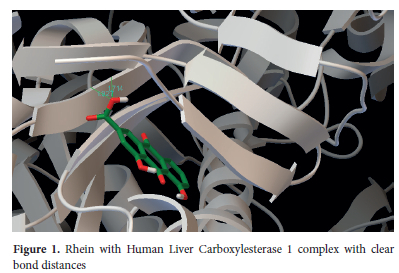
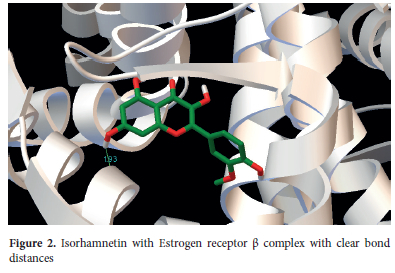
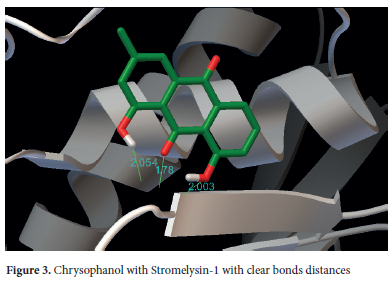
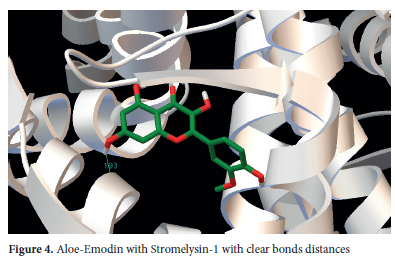
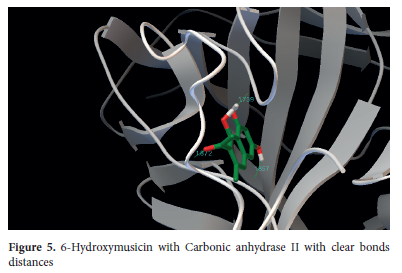
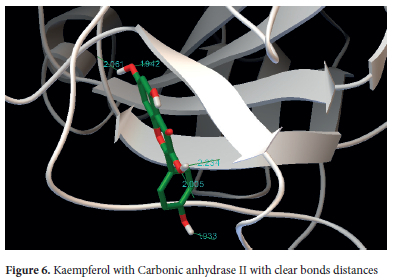
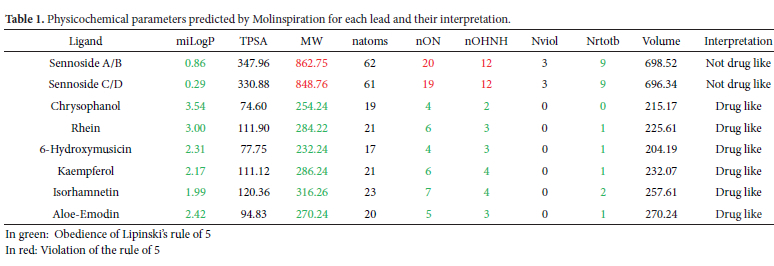
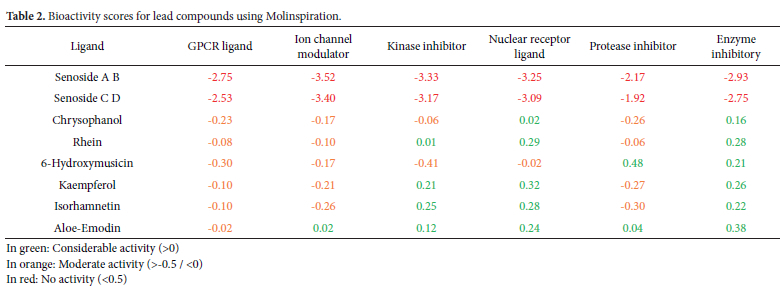
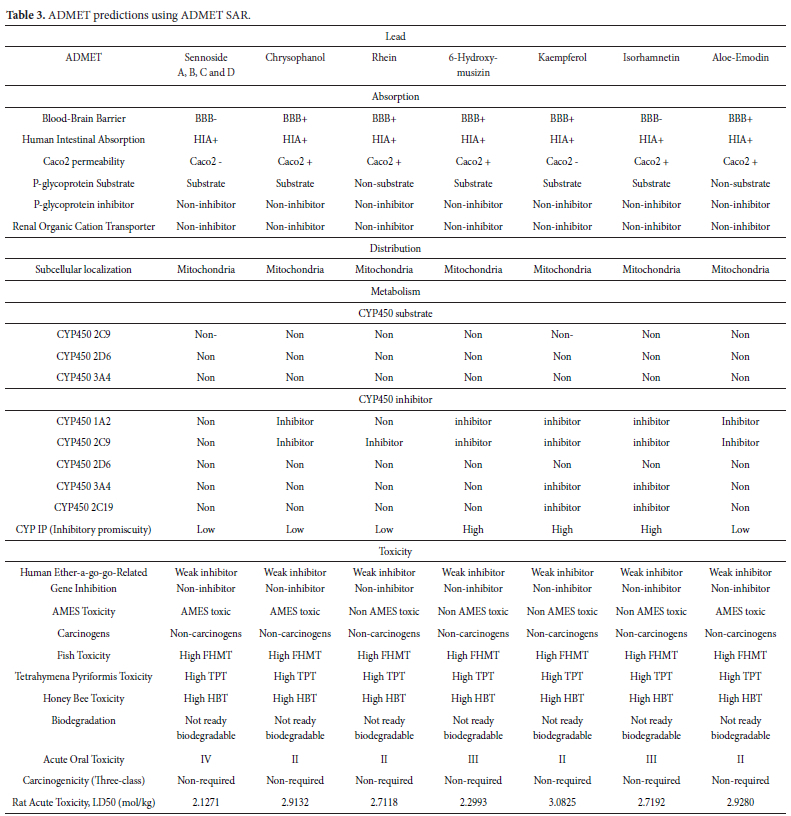
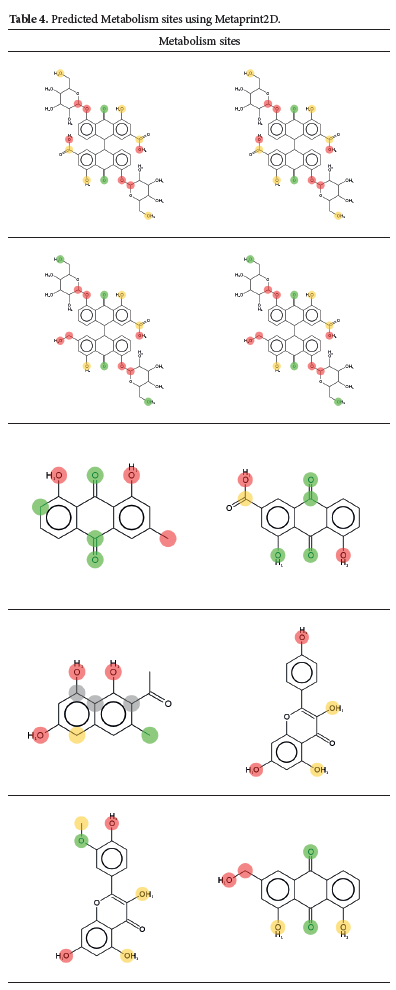
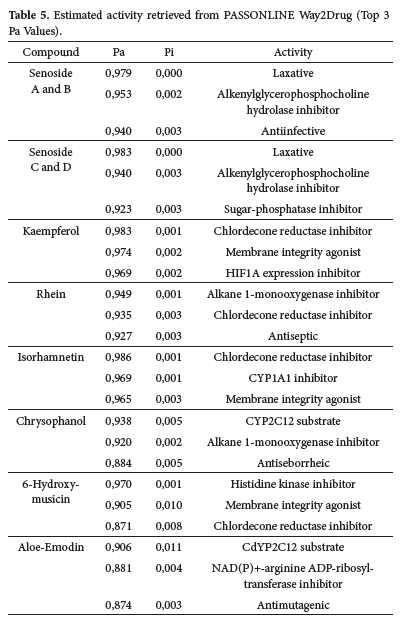
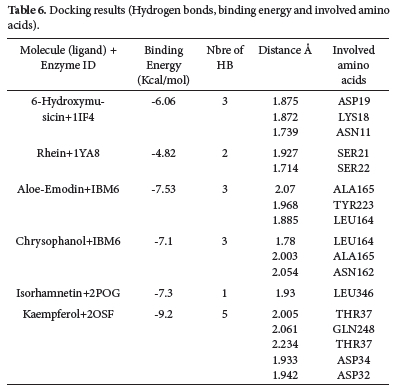
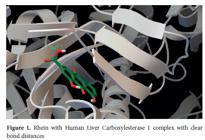
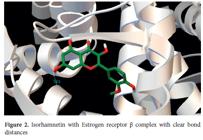
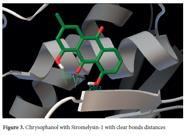
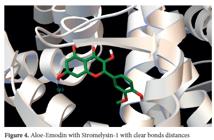
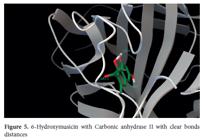
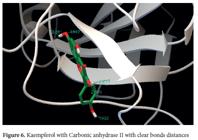
This study explores the therapeutic potential of Cassia angustifolia and Cassia acutifolia, commonly known in the market as Senna. In-silico tools were employed for druggability assessment of ten major molecules, namely Sennoside A, Sennoside B, Sennoside C, Sennoside D, Chrysophanol, Rhein, 6-Hydroxymusizin, Kaempferol, Isorhamnetin, and Aloe-Emodin. Structure-based virtual screening was carried out using PharmMapper, and molecular docking using AutoDock. Analysis of permeability properties revealed adherence to Lipinski's rule of five for six molecules, with blood-brain barrier penetrability observed in all except Isorhamnetin. Although Sennosides A, B, C, and D affirmed their laxative effects, they were not considered drug-like. In silico target prediction and molecular docking identified potential targets, with binding energies ranging from -9.2 to -4.82 kcal/mol, including Human Liver Carboxylesterase 1 (-4.82 kcal/mol), Estrogen receptor β (-7.3 kcal/mol), Carbonic anhydrase II (-6.06 kcal/mol and -9.2 kcal/mol), and Stromelysin-1 (-7.1 kcal/mol and -7.53 kcal/mol). Notably, Aloe-Emodin and Chrysophanol emerged as promising candidates with potential anticancer and anti-arthritis activities. Our findings suggest their utility in developing innovative therapeutic interventions, contributing to pharmaceutical advancements.
biological activities; drug targets; in silico pharmacokinetics; molecular docking; Senna
 Thumbnail
 Thumbnail
 Thumbnail
 Thumbnail
 Thumbnail
 Thumbnail