An initial assessment of naproxen, ibuprofen and diclofenac in Ladysmith water resources in South Africa using molecularly imprinted solid-phase extraction followed by high performance liquid chromatography-photodiode array detection
Abstract
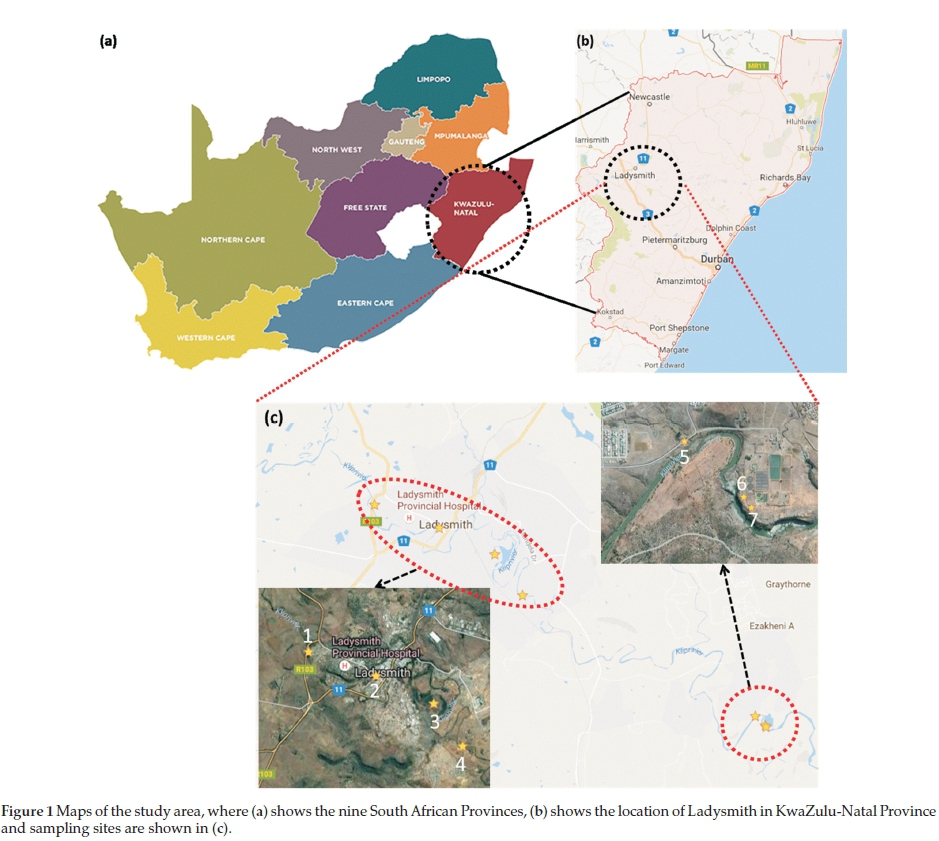
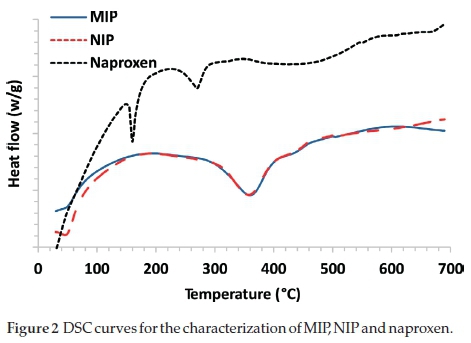
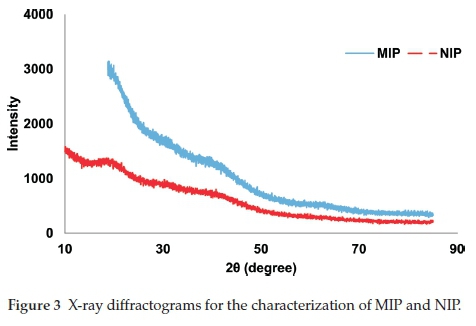
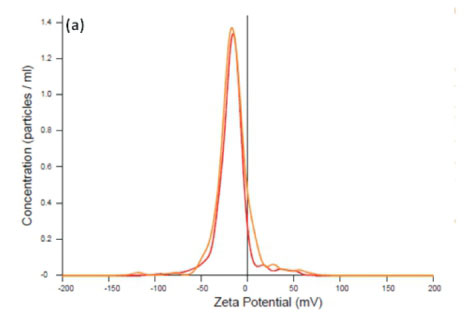
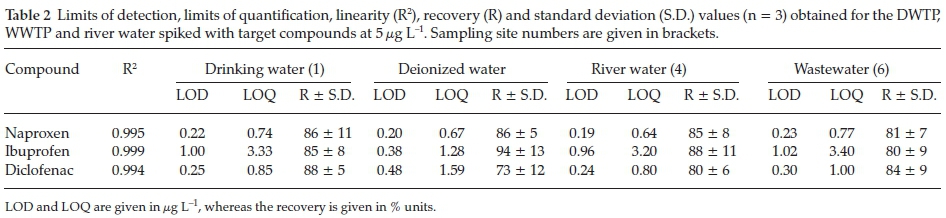
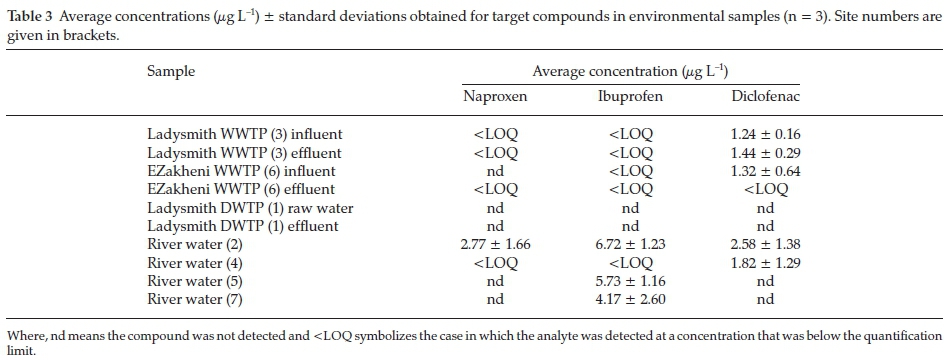
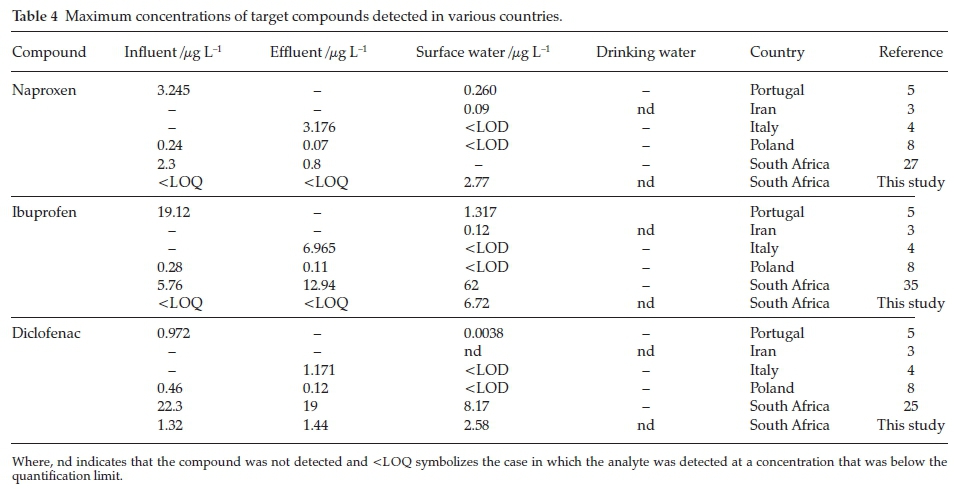
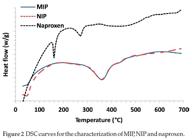
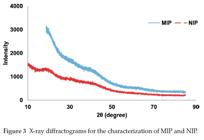
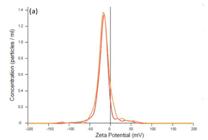
In this study, the extraction of naproxen, ibuprofen and diclofenac from Ladysmith water resources was conducted by means of a multi-template molecularly imprinted polymer (MIP) as selective sorbent in solid-phase extraction. Quantification was done using high performance liquid chromatography with photo diode array detection system. Bulk polymerization of MIP was carried out at 70 °C for 24 h and characterized with differential scanning calorimetry, X-ray diffraction and zeta potential. The analytical method detection limits for naproxen, ibuprofen and diclofenac in wastewater treatment plant effluent were 0.23,1.02 and 0.30 L-1, respectively. Recoveries obtained in wastewater, river water, deionized water and drinking water treatment plant (DWTP) samples spiked with 5 L-1 of target compounds and pre-concentrated using molecularly imprinted solid-phase extraction (MISPE) were greater than 80 %. All compounds were not detected in DWTP samples, whereas in river water the concentrations were generally higher in the upstream of wastewater treatment plants compared to downstream. The maximum concentrations detected in river water for naproxen, ibuprofen and diclofenac were 2.77, 6.72 and 2.58 /ig L-1, respectively. Only diclofenac was present in wastewater at concentrations above the limit of quantification. In conclusion, the high levels of naproxen, ibuprofen and diclofenac detected in river water could be attributed to poor sanitation in Ladysmith.
Molecularly imprinted polymer; pharmaceuticals; water resources; solid-phase extraction
 Thumbnail
 Thumbnail
 Thumbnail
 Thumbnail
 Thumbnail
 Thumbnail
 Thumbnail