Integrated Chemical and Spectroscopic Analysis of Mineral Release from Eggshell Waste under Different Soaking Media
Abstract
Eggshell waste is a promising calcium-rich biomaterial with potential agricultural applications. This study investigated the release of calcium and magnesium from eggshell powder under different soaking media, including fruit-based acids, fermentation systems, milk, and water. Mineral concentrations were quantified using atomic absorption spectroscopy, while chemical changes and elemental composition were characterized using FTIR and XRF, respectively. The results demonstrated that soaking media significantly influenced mineral mobilization, with the fermentation-based EM4 treatment producing the highest calcium and magnesium concentrations, whereas the water control exhibited minimal mineral release because of the low solubility of calcite under near-neutral conditions. FTIR spectra provided spectroscopic evidence of carbonate-containing material after soaking, consistent with the calcite-rich eggshell matrix. The combined chemical and spectroscopic analyses support the interpretation that the biochemical characteristics of the soaking media influence CaCO₃ dissolution and subsequent mineral release. These findings highlight the potential of fermentation-assisted processing as an effective and low-cost strategy for converting eggshell waste into a sustainable calcium-magnesium fertilizer for agricultural applications and support the valorization of eggshell waste within a circular economy framework.
eggshell waste; calcium carbonate; FTIR spectroscopy; calcite dissolution; mineral mobilization
INTRODUCTION
The transition toward sustainable agricultural practices has intensified the search for alternative nutrient sources derived from organic waste.1,2 Among essential secondary macronutrients, calcium (Ca) and magnesium (Mg) play pivotal roles in plant growth and development, including cell wall stabilization, membrane integrity, enzyme activation, and photosynthetic efficiency. Deficiencies of Ca and Mg are frequently reported in intensively used agricultural soils and hydroponic systems, leading to reduced crop productivity and compromised plant quality.3, 4
Eggshell waste is generated in large quantities from households, food industries, and poultry processing facilities, yet it remains underutilized and is commonly disposed of as organic waste.5, 6 Eggshells are natural biomineralized materials composed primarily of calcite (CaCO₃), while magnesium-bearing minerals and other trace elements are present only in small quantities. Owing to this mineral composition, eggshell waste represents an abundant, renewable, and low-cost source of calcium and magnesium that can be utilized for agricultural applications.7,8 However, the direct use of eggshells as fertilizers is constrained by the low solubility and high crystallinity of CaCO₃, particularly under neutral pH conditions, which limits nutrient availability to plants.9,10
To overcome these limitations, several strategies have been proposed to enhance CaCO₃ dissolution from eggshells, including acidification using organic acids, fermentation processes, and microbial activation. Fruit-based solutions such as starfruit and pineapple contain organic acids capable of promoting CaCO₃ dissolution through proton-mediated reactions.9, 11 Fermented media, including effective microorganisms (EM4) and fermented cassava, introduce complex biochemical environments enriched with organic acids, enzymes, and microbial metabolites that may further accelerate mineral dissolution through bio-activation mechanisms.12-14 In contrast, protein-rich solutions such as milk may influence Ca availability through complexation and buffering effects, potentially moderating mineral release dynamics. Casein, the dominant protein in milk, contains phosphorylated residues that have a strong capacity to bind divalent metal ions such as Ca2+, forming stable protein-mineral complexes within casein micelles and regulating calcium speciation in dairy systems.1516, 17
Despite growing interest in eggshell-based nutrient recovery, most previous studies have mainly focused on quantifying released minerals without clearly verifying their chemical origin. This has led to ambiguity regarding whether detected Ca and Mg originate from eggshell material itself or from the soaking solutions. Spectroscopic techniques, particularly Fourier Transform Infrared Spectroscopy (FTIR), offer a robust approach to address this issue by identifying functional groups and mineral phases, especially the characteristic carbonate bands associated with CaCO₃.18
Therefore, the objective of this study was to systematically evaluate the effects of different soaking treatments on the release of Ca and Mg from eggshell waste. Organic acid solutions, fermented media, a protein-based solution, and a water control were comparatively assessed. Mineral concentrations were quantified statistically, while FTIR analysis was employed to characterize chemical changes and provide spectroscopic evidence related to the mineral release process. By integrating quantitative mineral analysis with spectroscopic evidence, this study aims to elucidate the mechanisms governing CaCO₃ dissolution, clarify the role of biochemical complexity in mineral release, and provide a scientific basis for the development of sustainable Ca-Mg fertilizers derived from eggshell waste for agricultural systems.
The selected soaking media were chosen because they represent practical, low-cost, and environmentally sustainable alternatives to conventional mineral acids and synthetic chelating agents.
EXPERIMENTAL DESIGN
Materials and methods
Eggshell waste used in this study was collected from household sources and small-scale food vendors in West Lombok, West Nusa Tenggara (NTB), Indonesia. The eggshells originated from commonly consumed table eggs and were used as a representative form of domestic organic waste. The collected eggshells were thoroughly cleaned to remove residual impurities and then dried under direct sunlight until completely dry. Subsequently, the dried eggshells were ground and sieved to obtain particles passing through a 100-mesh sieve (particle size <149 µm). A uniform particle size was selected to minimize variability in mineral dissolution by providing a relatively consistent surface area for interaction with the soaking media. The drying process was carried out to reduce moisture content, improve grinding efficiency, and ensure sample stability during subsequent analyses.
Five different soaking media were employed to evaluate mineral release from eggshells, along with one control treatment. The soaking media consisted of: (P1) a starfruit soaking solution prepared from fresh starfruit (Averrhoa carambola L.); (P2) a pineapple soaking solution prepared from fresh pineapple (Ananas comosus L.); (P3) a fermented microbial solution prepared using a commercial Effective Microorganisms product (EM4); (P4) a fermented carbohydrate-based solution prepared from fermented cassava; and (P5) a protein-based soaking solution prepared from commercially packaged milk. The control treatment (P6) consisted of well water with an initial pH of 7.0 and represented a near-neutral soaking medium without added organic acids, microorganisms, or proteins.
The soaking media were deliberately selected to represent naturally available and environmentally friendly dissolution systems with distinct chemical characteristics. Starfruit (P1) and pineapple (P2) were chosen because they are rich in natural organic acids, which are known to enhance CaCO₃ dissolution through proton-mediated reactions. The EM4 solution (P3) and fermented cassava (P4) were included as biologically active fermentation systems capable of producing organic acids, enzymes, and microbial metabolites that may further promote mineral dissolution through microbial activity. Milk (P5) was selected as a protein-rich medium to evaluate the influence of protein-mineral interactions and calcium complexation on mineral release. Water (P6) served as the neutral control to represent dissolution under near-neutral conditions without the influence of acids or microbial metabolites. These media were selected because they are inexpensive, widely available, and environmentally benign, making them more suitable for sustainable agricultural applications than conventional mineral acids or synthetic chemical dissolution agents.
For all treatments, a fixed ratio of eggshell powder to soaking solution was applied, consisting of 32.2 g of eggshell powder immersed in 220 mL of the respective soaking medium. The eggshell powder was soaked in each medium for 14 days under ambient laboratory conditions. All treatments were maintained for the same soaking duration to ensure consistency among experimental replicates prior to AAS and FTIR analyses. This fixed solid-to-liquid ratio was maintained to standardize dissolution conditions across all treatments. Maintaining a constant ratio ensured that differences in calcium and magnesium release were attributable to the chemical characteristics of the soaking media rather than variations in sample loading. In addition, the selected ratio ensured complete immersion of the eggshell powder and provided sufficient solution volume for subsequent mineral determination by AAS and spectroscopic characterization using FTIR. The EM4 soaking medium (P3) consisted of a commercially available Effective Microorganisms (EM4) product used according to the manufacturer's recommendations, whereas the fermented cassava soaking medium (P4) consisted of a fermented cassava solution prepared from an already fermented cassava product. No chemical acids, synthetic chelating agents, or external mineral additives were introduced during soaking media preparation, ensuring that mineral release resulted solely from interactions between the eggshell material and the naturally derived soaking media.
General procedure
The experiment consisted of six soaking treatments arranged in triplicate, including five soaking media and one control treatment. The treatments were defined as follows: P1 (starfruit soaking solution), P2 (pineapple soaking solution), P3 (fermented microbial solution using EM4), P4 (fermented carbohydrate-based solution prepared from fermented cassava), P5 (protein-based soaking solution prepared from milk), and P6 (water as the control treatment).
Each treatment was replicated three times, resulting in a total of eighteen experimental units. The experimental units were randomly assigned to minimize bias and ensure the validity of statistical inference. The observed variables included the concentrations of released minerals in the soaking solutions, specifically calcium (Ca), magnesium (Mg), and zinc (Zn), which were quantified after the soaking process.
The data were subjected to one-way analysis of variance (ANOVA) to evaluate the effects of the six soaking treatments (P1-P6) on Ca and Mg concentrations. The soaking treatment was considered as a fixed factor, with three independent replicates per treatment. Statistical significance was assessed at α = 0.05. When a significant treatment effect was detected, treatment means were compared using Tukey's honestly significant difference (HSD) test at the 5% significance level. Results are presented as mean ± standard deviation (SD), and statistically homogeneous treatment groups are indicated by superscript letters in Table 2.
Analytical methods
Fourier Transform Infrared (FTIR) spectroscopy was used to identify functional groups and chemical bonds present in the raw eggshell powder and soaking solutions. The FTIR analysis was conducted in accordance with the ASTM E1252-98 (2021) standard. Measurements were performed using a BRUKER INVENIO-R spectrometer (Bruker Optics, Germany) in transmittance mode over the mid-infrared region (4000-400 cm-1). Instrumental parameters were set as follows: scanner status in idle mode, laser gain A set to 2, laser gain B set to 3, scanner block temperature maintained at 34.0 °C, and humidity in the interferometer compartment controlled at 3%. These conditions were applied consistently to ensure measurement stability and reproducibility.
X-ray Fluorescence (XRF) analysis was employed to determine the elemental and oxide composition of the raw eggshell powder. The analysis was conducted using a Panalytical Epsilon 3 XLE instrument at the National Research and Innovation Agency (BRIN), Indonesia, following the standardized procedure IP-BRIN-MMG-6.4-25 (X-Ray Fluorescence Method). The analysis was performed on one raw eggshell powder sample, and the elemental and oxide concentrations reported in Table 1 correspond to the instrument output for this sample.
Atomic Absorption Spectrophotometry (AAS) was used to quantify dissolved mineral concentrations in the soaking solutions. Measurements of calcium (Ca), magnesium (Mg), and zinc (Zn) were carried out using an Atomic Absorption Spectrophotometer (Shimadzu AA-7000, Shimadzu Corp., Japan). Sample preparation and dilution were performed according to standard analytical protocols, and all measurements were conducted in triplicate to ensure analytical reliability. The detection limit for Zn in the AAS analysis was approximately 0.01 mg L-1.
RESULTS AND DISCUSSION
FTIR and XRF characterization of raw eggshell powder
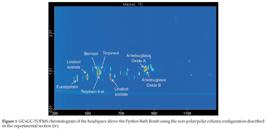
Fourier Transform Infrared (FTIR) analysis of raw eggshell powder prior to soaking treatments revealed distinct absorption bands characteristic of calcium carbonate (CaCO₃) in the calcite phase (Figure 1). A strong absorption band was observed at approximately 1415 cm-1, corresponding to the ν₃ asymmetric stretching vibration of carbonate ions (CO₃2-). Additional bands were detected at approximately 875 cm-1 (ν₂ out-of-plane bending) and 712 cm-1 (ν₄ in-plane bending), which are characteristic vibrational modes of calcite-type calcium carbonate.
No absorption bands related to phosphate, silicate, or other major organic functional groups were detected in the raw eggshell spectrum.
As shown in Table 1, XRF analysis of the raw eggshell powder showed that calcium (Ca) was the dominant elemental component, with a measured concentration of 99.495%, while calcium oxide (CaO) was the predominant oxide component at 99.339%. Other detected elements and oxides occurred at substantially lower concentrations. These results demonstrate the high calcium content of the raw eggshell powder used in the present study.
The high Ca and CaO contents are consistent with the calcium carbonate-rich nature of eggshell material reported in previous studies. However, XRF analysis alone does not establish the crystalline phase of the material 8,19-21; the identification of calcite is therefore supported by the complementary spectroscopic and mineralogical evidence presented below. The high calcium content of the raw material provides a common compositional basis for comparing mineral release among the different soaking media.
Effect of soaking treatments on Ca and Mg release
The soaking treatments significantly affected both Ca and Mg concentrations. One-way ANOVA showed significant treatment effects on Ca concentration (F(5,12) = 54.641, p < 0.001) and Mg concentration (F(5,12) = 131.963, p < 0.001). Tukey's HSD test further indicated distinct treatment groupings. For Ca, P1 and P6 formed the lowest homogeneous subset (a), P2, P4, and P5 formed an intermediate subset (b), and P3 formed a distinct highest subset (c). For Mg, P6 formed the lowest homogeneous subset (a), P1 overlapped between the lowest and intermediate subsets (ab), P2, P4, and P5 formed the intermediate subset (b), and P3 formed a distinct highest subset (c) (Table 2).
The magnitude of mineral release varied substantially among the soaking media. The EM4 treatment (P3) produced the highest Ca concentration (3530.04 ± 565.93 mg L-1) and Mg concentration (282.573 ± 28.253 mg L-1), whereas the water control (P6) showed the lowest Ca (119.41 ± 14.63 mg L-1) and Mg concentrations (19.723 ± 0.789 mg L-1). However, these statistical differences do not, by themselves, establish the specific chemical mechanism responsible for enhanced mineral dissolution.
The highest mineral release observed in the EM4 treatment suggests that biologically active soaking conditions may enhance mineral mobilization from eggshell material. Fruit-based treatments also produced higher Ca and Mg concentrations than the water control, consistent with the potential contribution of organic acids to CaCO₃ dissolution. However, the pH of the soaking media before and after eggshell addition was not measured in the present study. Therefore, the proposed dissolution mechanisms are inferred from the chemical characteristics of the soaking media, the observed mineral concentrations, FTIR results, and previous literature rather than directly verified experimentally.
Relatively high standard deviations were observed in the EM4 (P3) and milk (P5) treatments, indicating greater variability among replicates. In the fermentation-based treatment, this variability may be associated with differences in microbial metabolic activity and metabolite production. In the milk treatment, variability may reflect interactions between dissolved calcium and milk proteins and differences in solution chemistry.1122,23
Zinc (Zn) was not detected in any treatment, indicating concentrations below the AAS detection limit (approximately 0.01 mg L-1). This result is consistent with the XRF characterization showing that the eggshell material was dominated by calcium, with other elements occurring at substantially lower concentrations. Therefore, under the conditions tested, mineral release was primarily reflected by Ca and Mg, whereas Zn remained below the detection limit.
FTIR characteristics of soaking media before eggshell addition
FTIR spectra of soaking solutions prior to eggshell addition (P1-P6) were dominated by broad O-H stretching bands in the range of 3600-3200 cm-1 (Table 3). Fruit-based solutions (P1 and P2) exhibited carbonyl (C=O) stretching bands at approximately 1740-1700 cm-1, indicating the presence of organic acids. Fermentation-based solutions (P3 and P4) showed additional amide I and amide II absorptions at approximately 1650 cm-1 and 1540 cm-1, respectively, while the milk-based solution (P5) exhibited strong amide and carbonyl bands. The water control (P6) displayed only weak O-H stretching vibrations.
The presence of carbonyl (C=O) bands in fruit-based solutions is characteristic of organic acids commonly found in plant-derived materials.3031
Importantly, no carbonate-related absorption bands were detected in any soaking solution before the addition of eggshell powder. In FTIR analysis, calcite (CaCO₃) is characterized by distinct carbonate vibrational bands at approximately 1420 cm-1 (ν₃), 875 cm-1 (ν₂), and 712 cm-1 (ν₄). The absence of these characteristic peaks confirms that the soaking media themselves did not contain detectable CaCO₃ prior to treatment.
This observation is critical for interpreting the origin of dissolved minerals. Because carbonate bands were not detected in the soaking media before eggshell addition, the carbonate-related signals observed after soaking are consistent with carbonate-containing material derived from the eggshell matrix.32
Many previous studies investigating Ca release from eggshell systems have relied primarily on solution chemistry without confirming the mineral source. In contrast, the present FTIR analysis provides spectroscopic evidence consistent with the contribution of eggshell-derived carbonate material to the observed mineral release.33,34
While Table 3 provides a qualitative overview of the functional groups detected in each soaking medium, a more detailed comparison of the FTIR spectra was conducted by examining the characteristic absorption band positions before and after eggshell addition. The comparative peak assignments are presented in Table 4 to facilitate the evaluation of spectral changes associated with mineral dissolution and interactions between dissolved calcium species and functional groups in the soaking media.
As summarized in Table 4, the FTIR spectra exhibited treatment-dependent changes in characteristic absorption bands after eggshell addition. Most of the clearly resolved changes were relatively small. For example, the O-H stretching band in P1 shifted from 3288.4 to 3286.5 cm-1, while the amide I band in P5 shifted from 1633.6 to 1645.2 cm-1. In the EM4 treatment (P3), a distinct absorption feature was observed in the carbonyl region at approximately 1745.5 cm-1 after eggshell addition, whereas the corresponding region before treatment was broad and did not show a clearly resolved independent C=O peak. Therefore, this observation is interpreted as a treatment-dependent change in the carbonyl region rather than a definitive 44.4 cm-1 peak shift. The carbonate ν₃ bands appeared at approximately 1396-1420 cm-1, while the ν₂ bands were observed around 872-889 cm-1. The previously assigned ν₄ carbonate band at 690.5 cm-1 in P4 and P6 was not sufficiently resolved in the raw spectra and was therefore not retained as a peak assignment. The observed carbonate bands are broadly consistent with carbonate-containing material following eggshell addition; however, FTIR data alone are insufficient to establish a specific calcium carbonate polymorph.
The FTIR analysis was used primarily for qualitative identification and comparison of characteristic absorption bands. Changes in peak positions and relative spectral features before and after eggshell addition were compared to assess treatment-related spectral changes. No quantitative peak intensity ratios or calibration-based concentration estimates were performed.
The carbonate absorption bands observed after eggshell addition, particularly the ν₃ and ν₂ bands, provide spectroscopic evidence of carbonate-containing material in the treated soaking media. In fruit-based soaking media (P1 and P2), changes in the carbonyl region together with the emergence of carbonate bands may indicate interactions between dissolved Ca2+ and oxygen-containing functional groups associated with organic acids. However, these interactions are inferred from the combined FTIR and AAS results and are not directly demonstrated by FTIR alone. Fermentation-based treatments (P3 and P4) and the milk treatment (P5) retained amide I and amide II absorptions after eggshell addition, indicating the continued presence of protein- or organic-matter-related functional groups. In contrast, the water control (P6) showed carbonate-related absorptions with less interference from organic functional groups. These observations are consistent with the AAS results, which showed greater calcium and magnesium release in chemically and biologically active soaking media than in the water control.
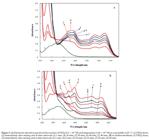
For P6, the after spectrum represents an independent FTIR measurement of the water + eggshell treatment following 14 days of soaking, whereas the raw eggshell spectrum was used separately as the reference material. Therefore, the P6 spectrum in Figure 2 represents the water-control treatment after soaking and is distinct from the raw eggshell reference spectrum shown in Figure 1.
Spectroscopic evidence of carbonate transformation after eggshell addition
Following eggshell addition, the FTIR spectra (Figure 2), together with the comparative peak assignments summarized in Table 4, provided spectroscopic evidence of carbonate-containing material in the treated soaking media. The emergence of carbonate absorption bands after eggshell addition provides spectroscopic evidence of carbonate-containing material in the treated soaking media and is consistent with the calcite-rich composition of the eggshell matrix. However, FTIR alone cannot establish a quantitative mass balance of dissolved Ca and Mg or exclude endogenous mineral contributions from the soaking media.30-34
The intensity of these carbonate bands varied among treatments. The water control (P6) exhibited the strongest and sharpest carbonate bands, indicating that the calcite structure remained largely intact under near-neutral conditions. In contrast, fruit-based treatments (P1 and P2) showed reduced carbonate band intensity, suggesting partial dissolution of the calcite structure. These qualitative differences in carbonate band intensity are consistent with the comparative peak assignments presented in Table 4.
Fermentation-based treatments (P3 and P4) exhibited weaker carbonate bands accompanied by persistent O-H and amide absorptions. These spectral features indicate enhanced interaction between microbial metabolites and the eggshell matrix. The minor shifts in O-H, carbonyl, and amide absorptions summarized in Table 4 further support chemical interactions between dissolved Ca2+ ions and fermentation-derived biomolecules. In particular, the EM4 fermentation treatment showed reduced carbonate band intensity, indicating enhanced calcite dissolution compared with the neutral water control. Variations in FTIR carbonate band intensity are commonly interpreted as indicators of structural changes or dissolution processes in carbonate minerals.35362+ and Mg2+ into the soaking solutions.3738
The milk-based treatment (P5) displayed carbonate bands together with strong amide I and amide II absorptions, suggesting interactions between dissolved calcium ions and milk proteins. Casein proteins in milk contain phosphorylated residues that can bind Ca2+ and form stable protein-mineral complexes within casein micelles.39Table 4. A further limitation concerns the absence of baseline elemental analyses of the soaking media before eggshell addition. Consequently, the individual contribution of endogenous minerals, particularly calcium naturally present in milk, could not be distinguished from calcium released by the eggshell. Future studies should therefore include blank elemental analyses of each soaking medium prior to treatment to enable more accurate quantification of eggshell-derived mineral release.
To facilitate interpretation of the observed mineral dissolution patterns, a conceptual illustration of the proposed dissolution and release mechanisms under different soaking environments is presented in Figure 3.
The proposed mechanism presented in Figure 3 suggests that acidic fruit solutions may promote proton-mediated calcite dissolution through interactions between H+ ions and carbonate minerals. This conceptual mechanism is consistent with the combined AAS results and the FTIR observations summarized in Table 4 and visualized in Figure 2. Such interactions are likely to facilitate the release of Ca2+ and Mg2+ ions into the soaking solution. Organic acids are known to enhance calcite dissolution by destabilizing carbonate surfaces and accelerating mineral solubilization processes.4011,22 Microorganisms have also been reported to influence carbonate dissolution through microbially mediated geochemical interactions that modify local pH and mineral surface chemistry.1338
In contrast, milk-based systems likely regulate calcium availability through protein-mineral complexation involving casein micelles, which can bind dissolved Ca2+ and partially stabilize calcium in solution. Similar Ca-carboxylate interactions have been reported to influence calcite dissolution and surface reactions in weakly acidic environments.4142
From an agronomic perspective, these results indicate that the chemical environment of soaking media can be manipulated to regulate the release behaviour of Ca and Mg from eggshell-derived materials. Fermentation-based systems may promote rapid mineral mobilization because microbial metabolism can produce organic acids and other metabolites that lower pH and enhance calcite dissolution, thereby increasing calcium availability.11, 43, 44 In contrast, neutral environments such as the water control tend to maintain the structural stability of eggshell calcite because calcium carbonate is only sparingly soluble under near-neutral conditions and dissolves more readily in acidic environments.10,37
The proposed soaking method demonstrates considerable potential for large-scale application because it employs simple processing conditions and utilizes naturally derived soaking media that are inexpensive, readily available, and environmentally friendly. Compared with conventional mineral extraction methods requiring strong acids, elevated temperatures, or specialized equipment, the present approach provides a safer and more sustainable alternative with lower infrastructure requirements.45,46,47 Nevertheless, pilot-scale validation and comprehensive techno-economic analyses are still required to identify the most suitable soaking medium for industrial-scale mineral recovery from eggshell waste.
The availability of eggshell waste is unlikely to be a limiting factor for the large-scale implementation of the proposed process. Globally, millions of tonnes of eggshell waste are generated annually by households, restaurants, bakeries, food-processing industries, and hatcheries, with most being discarded as landfill waste despite containing approximately 94-97% calcium carbonate.48,49,50 Therefore, the continuous generation of eggshell waste provides a sustainable and reliable source of raw material for large-scale mineral recovery, provided that effective collection and segregation systems are established. Furthermore, collaboration between food industries and municipal waste management programs would help ensure a consistent supply of eggshell waste while simultaneously reducing the environmental burden associated with its disposal.51, 52
From a cost-benefit perspective, the proposed soaking process combines low material requirements with efficient mineral recovery, making it a promising alternative to conventional chemical extraction methods. The process utilizes inexpensive raw materials, including eggshell waste and naturally derived soaking media, while operating under ambient conditions without requiring concentrated acids, elevated temperatures, or sophisticated equipment. These characteristics reduce processing costs, minimize environmental impacts, and simplify operational requirements, thereby improving the overall economic feasibility of the process. Although soaking media such as EM4 and milk involve higher material costs than water or fruit extracts, their enhanced mineral extraction efficiency may justify the additional investment depending on the intended application. Overall, the combination of low-cost raw materials, simple processing conditions, effective mineral recovery, and waste valorization provides both economic and environmental benefits.51,52,53 Nevertheless, comprehensive techno-economic analyses are still required to quantify production costs, economic returns, and process feasibility under large-scale operating conditions.
The concentrations of calcium and magnesium are reported in mg L-1 because the objective of this study was to compare mineral release among different soaking media under controlled laboratory conditions rather than to evaluate fertilizer application rates. Although these data provide a direct measure of mineral mobilization efficiency, conversion to equivalent field application rates (kg ha-1) would require additional information regarding application volume, soil properties, crop nutrient requirements, and management practices. Consequently, such conversion was beyond the scope of the present laboratory investigation. Future agronomic studies should evaluate field application rates under practical cultivation conditions to establish appropriate fertilizer recommendations for eggshell-derived calcium-magnesium products.
The present study evaluated mineral release after a single soaking period of 14 days to enable direct comparison of the effectiveness of different soaking media under standardized experimental conditions. Although this endpoint-based approach provides comparative information on mineral release among treatments, it does not describe the dissolution kinetics or temporal evolution of calcium and magnesium release. Future studies should investigate mineral release at multiple soaking intervals to better characterize dissolution kinetics and determine the optimum soaking duration for agricultural applications.
Although the proposed soaking method effectively enhanced mineral release under ambient conditions, alternative extraction techniques such as microwave-assisted extraction may further improve the efficiency of the dissolution process. Microwave-assisted extraction has been reported to accelerate mineral dissolution by enhancing heat and mass transfer, thereby increasing extraction efficiency while reducing processing time. However, these techniques generally require specialized equipment, higher energy consumption, and more controlled operating conditions than the soaking approach employed in the present study.54,55,56 Therefore, naturally derived soaking media were intentionally selected to develop a simple, environmentally friendly, and practically applicable mineral recovery process. Future studies should compare microwave-assisted extraction with the proposed soaking method to evaluate their relative extraction efficiency, energy requirements, and economic feasibility under pilot- and industrial-scale conditions.
While the present study successfully quantified mineral release and characterized the recovered minerals using AAS, XRF, and FTIR analyses, the chemical composition of the soaking media was not investigated. Advanced analytical techniques such as gas chromatography-mass spectrometry (GC-MS) and high-performance liquid chromatography (HPLC) could provide valuable information on the organic acids, microbial metabolites, proteins, and other bioactive compounds responsible for promoting calcium carbonate dissolution. Such complementary analyses would improve the understanding of the chemical and biochemical mechanisms underlying mineral release and help identify the specific compounds responsible for the enhanced extraction efficiency observed among different soaking media.57,58 Integrating chromatographic analyses with mineral characterization would provide a more comprehensive understanding of the relationships between soaking media composition, mineral release efficiency, and the underlying dissolution mechanisms.
CONCLUSIONS
This study demonstrates that eggshell waste is a calcium-rich material dominated by crystalline CaCO₃ with minor Mg content. Mineral release was strongly influenced by soaking media chemistry, with fermentation-based systems producing the highest Ca and Mg mobilization, acidic solutions showing moderate effects, and neutral water maintaining calcite stability. Protein-based media affected Ca availability through complexation mechanisms. The combined mineral and spectroscopic analyses provided evidence consistent with eggshell-derived carbonate dissolution and mineral mobilization. However, the study was limited to short-term laboratory conditions. Further research is needed to evaluate long-term dissolution, soil interactions, and plant uptake to support the application of eggshell-derived Ca-Mg as sustainable fertilizers. The proposed soaking method not only enhanced mineral release from eggshell waste but also demonstrated promising economic and environmental advantages through the use of inexpensive, locally available soaking media and low-energy processing conditions. Future studies should evaluate long-term dissolution, plant responses, and techno-economic feasibility under pilot- and industrial-scale conditions.
SUPPLEMENTARY INFORMATIONThe supporting information includes additional FTIR spectra, peak assignment tables, and complete raw spectral datasets for treatments P1-P6.
AUTHOR CONTRIBUTIONSSyarifinnur: Conceptualization, methodology, investigation, formal analysis, data curation, writing - original draft, visualization. Ahmad Suriadi: Supervision, validation, writing - review and editing. Lia Hadiawati: Methodology, laboratory analysis, validation. Baiq Nurul Hidayah: Investigation, data collection. Muji Rahayu: Investigation, data curation. Fitrahtunnisa: Visualization, data interpretation. Khaerana: Supervision, project administration, writing - review and editing.
DECLARATION OF COMPETING OR FINANCIAL INTERESTSThe authors declare that they have no known competing financial interests or personal relationships that could have appeared to influence the work reported in this paper.
DECLARATION OF GENERATIVE AI AND AI-ASSISTED TECHNOLOGIES
During the preparation of this manuscript, the authors used ChatGPT (OpenAI) solely to assist with English language editing, improvement of readability, manuscript organization, and the preparation of illustrative figures. The AI tool was not used to generate, interpret, or analyse scientific data, formulate scientific conclusions, or identify supporting references. All factual statements, data analyses, interpretations, and cited literature were independently verified by the authors. The authors carefully reviewed and edited all AI-assisted content and accept full responsibility for the accuracy and integrity of the published work.
AUTHOR ORCID IDSSyarifinnur https://orcid.org/0000-0002-9078-5360
Ahmad Suriadi https://orcid.org/0000-0002-7883-5038
Lia Hadiawati https://orcid.org/0009-0006-1778-4990
Baiq Nurul Hidayah https://orcid.org/0000-0002-2928-3900
Muji Rahayu https://orcid.org/0009-0006-4177-2121
Fitrahtunnisa https://orcid.org/0000-0002-7672-0907
ACKNOWLEDGEMENTS
The authors acknowledge the facilities as well as the scientific and technical support provided by the Laboratory of Materials and Structural Mechanics, Lampung, and the Mechanics of Materials and Structures Laboratory - Mechanics of Geomineral Materials, National Research and Innovation Agency (BRIN), through the E-Layanan Sains platform.
REFERENCES
-
1. Syarifinnur S, Suriadi A, Hadiawati L, Nugraha Y. Transforming organic waste into productive resources through vermicompost and hydroponics in rice agriculture: A review. Int J Recycl Org Waste Agric. 2024;13(3). https://doi.org/10.57647/j.ijrowa.2024.1303.25.
» https://doi.org/10.57647/j.ijrowa.2024.1303.25 -
2. Hidalgo D, Martín-Marroquín JM, Corona F, Verdugo F. Waste-derived fertilizers: conversion technologies, circular bioeconomy perspectives and agronomic value. Agronomy (Basel). 2025;15(9):2167. https://doi.org/10.3390/agronomy15092167.
» https://doi.org/10.3390/agronomy15092167 -
3. Tian XY, Cao HR, Li QR, Wu X, Liu BS, Guo ZL, Zhong XB, Chen ZC. Oscax1a-dependent Ca-Mg balance is required for optimal growth in rice. Rice (N Y). 2025;18(1):108. https://doi.org/10.1186/s12284-025-00863-8.
» https://doi.org/10.1186/s12284-025-00863-8 -
4. Vita F, Marqués-Gálvez JE, Sabbatini L, Vergine M, Palm ER, Guidi Nissim W, Sillo F, De Rose S, Azzarello E, Mancuso S, et al. Soil calcium deficiency in sorana bean (Phaseolus vulgaris l.) ecotype reveals adaptive strategies through differential physiological and yield responses. Plant Sci. 2026;362:112840. https://doi.org/10.1016/j.plantsci.2025.112840.
» https://doi.org/10.1016/j.plantsci.2025.112840 -
5. Waheed M, Yousaf M, Shehzad A, Inam-Ur-Raheem M, Khan MKI, Khan MR, Ahmad N, Abdullah, Aadil RM. Channelling eggshell waste to valuable and utilizable products: A comprehensive review. Trends Food Sci Technol. 2020;106:78-90. https://doi.org/10.1016/j.tifs.2020.10.009.
» https://doi.org/10.1016/j.tifs.2020.10.009 -
6. Awogbemi O, Von Kallon DV, Aigbodion VS. Pathways for sustainable utilization of waste chicken eggshell. J Renew Mater. 2022;10(8):2217-2246. https://doi.org/10.32604/jrm.2022.019152.
» https://doi.org/10.32604/jrm.2022.019152 -
7. Owuamanam S, Cree D. Progress of bio-calcium carbonate waste eggshell and seashell fillers in polymer composites: A review. J Compos Sci. 2020;4(2):70. https://doi.org/10.3390/jcs4020070.
» https://doi.org/10.3390/jcs4020070 -
8. Kalaycı T, Altuğ DT, Kınaytürk NK, Tunalı B; Kalaycı. Altuğ DT, Kınaytürk NK, Tunalı B. Characterization and potential usage of selected eggshell species. Sci Rep. 2025;15(1):6241. https://doi.org/10.1038/s41598-025-87786-y.
» https://doi.org/10.1038/s41598-025-87786-y -
9. Burezq H. Utilization of eggshell as valuable products for sustainable ecosystem and agriculture [review]. Poult. Sci. J. 2021;9(2):147-165. https://doi.org/10.22069/psj.2021.19210.1699.
» https://doi.org/10.22069/psj.2021.19210.1699 -
10. Sebonela LK, Elephant DE, Sithole NJ. Eggshells improve soil pH and P availability in sandy loam and sandy clay loamy soil. Agronomy (Basel). 2024;14(11):2539. https://doi.org/10.3390/agronomy14112539.
» https://doi.org/10.3390/agronomy14112539 -
11. Hambo CL, Shitindi MJ, Sibuga KP, Nzogela YB. Calcite-dissolving bacteria: promising approach as bio-fertilizer. Front Microbiol. 2025;16:1533127. https://doi.org/10.3389/fmicb.2025.1533127.
» https://doi.org/10.3389/fmicb.2025.1533127 -
12. Indasah I, Muhith A. Local microorganism from "tape" (fermented cassava) in composition and its effect on physical, chemical and biological quality in environmental. IOP Conf Ser Earth Environ Sci. 2020;519(1):012003. https://doi.org/10.1088/1755-1315/519/1/012003.
» https://doi.org/10.1088/1755-1315/519/1/012003 -
13. Ortiz-Castillo J, Mirazimi M, Mohammadi M, Dy E, Liu W. The role of microorganisms in the formation, dissolution, and transformation of secondary minerals in mine rock and drainage: A review. Minerals (Basel). 2021;11(12):1349. https://doi.org/10.3390/min11121349.
» https://doi.org/10.3390/min11121349 -
14. Bamidele OP. Effects of natural fermentation time on chemical composition, antioxidant activities, and phenolic profile of cassava root flour. Appl Sci (Basel). 2025;15(15):8494. https://doi.org/10.3390/app15158494.
» https://doi.org/10.3390/app15158494 -
15. Mekmene O, Gaucheron F. Determination of calcium-binding constants of caseins, phosphoserine, citrate and pyrophosphate: A modelling approach using free calcium measurement. Food Chem. 2011;127(2):676-682. https://doi.org/10.1016/j.foodchem.2010.12.121.
» https://doi.org/10.1016/j.foodchem.2010.12.121 -
16. Salaün F, Mietton B, Gaucheron F. Buffering capacity of dairy products. Int Dairy J. 2005;15(2):95-109. https://doi.org/10.1016/j.idairyj.2004.06.007.
» https://doi.org/10.1016/j.idairyj.2004.06.007 -
17. Shkembi B, Huppertz T. Calcium absorption from food products: food matrix effects. Nutrients. 2021;14(1):180. https://doi.org/10.3390/nu14010180.
» https://doi.org/10.3390/nu14010180 -
18. Sowińska-Baranowska A, Maciejewska M. Potential utilization of ground eggshells as a biofiller for natural rubber biocomposites. Materials (Basel). 2023;16(8):2988. https://doi.org/10.3390/ma16082988.
» https://doi.org/10.3390/ma16082988 -
19. Vagenas NV, Gatsouli A, Kontoyannis CG. Quantitative analysis of synthetic calcium carbonate polymorphs using FTIR spectroscopy. Talanta. 2003;59(4):831-836. https://doi.org/10.1016/S0039-9140(02)00638-0.
» https://doi.org/10.1016/S0039-9140(02)00638-0 -
20. Gunasekaran S, Anbalagan G. Spectroscopic characterization of natural calcite minerals. Spectrochim Acta A Mol Biomol Spectrosc. 2007;68(3):656-664. https://doi.org/10.1016/j.saa.2006.12.043.
» https://doi.org/10.1016/j.saa.2006.12.043 -
21. Rodríguez-Navarro AB, Marie P, Nys Y, Hincke MT, Gautron J. Amorphous calcium carbonate controls avian eggshell mineralization: A new paradigm for understanding rapid eggshell calcification. J Struct Biol. 2015;190(3):291-303. https://doi.org/10.1016/j.jsb.2015.04.014.
» https://doi.org/10.1016/j.jsb.2015.04.014 -
22. Jacobson AD, Wu L. Microbial dissolution of calcite at t=28°c and ambient pCO2. Geochim Cosmochim Acta. 2009;73(8):2314-2331. https://doi.org/10.1016/j.gca.2009.01.020.
» https://doi.org/10.1016/j.gca.2009.01.020 -
23. Hutchens E, Valsami-Jones E, Harouiya N, Chaïrat C, Oelkers EH, Mceldoney S. An experimental investigation of the effect of bacillus megaterium on apatite dissolution. Geomicrobiol J. 2006;23(3-4):177-182. https://doi.org/10.1080/01490450600599239.
» https://doi.org/10.1080/01490450600599239 - 24. Zhang J, Shao W, Jiang R, Ji Q, Yao Y. Study of the optimal production process and application of apple fruit (Malus domestica (L.) borkh) fermentation. Pak J Bot. 2015;47:279-286.
-
25. Ma C, Kang Z, Zhang L, Xuan H, Nong P, Pan S, Kong Q, Zhu Y, Zhu Z. Dissolution and precipitation of calcite in different water environments. Carsol Sin. 2023;42(1):29-39. https://doi.org/10.11932/karst20230102.
» https://doi.org/10.11932/karst20230102 -
26. Burns K, Wu YT, Grant CS. Mechanisms of calcite dissolution using environmentally benign polyaspartic acid: A rotating disk study. Langmuir. 2003;19(14):5669-5679. https://doi.org/10.1021/la020815g.
» https://doi.org/10.1021/la020815g -
27. Shang S, Wang H. Flame atomic absorption spectrometric determination of copper, zinc, calcium, magnesium and iron in fresh eggs using microvolume injection. Talanta. 1997;44(2):269-274. https://doi.org/10.1016/S0039-9140(96)02044-9.
» https://doi.org/10.1016/S0039-9140(96)02044-9 -
28. Hincke MT, Nys Y, Gautron J, Mann K, Rodriguez-Navarro AB, Mckee MD. The eggshell: Structure, composition and mineralization. Front Biosci. 2012;17(1):1266-1280. https://doi.org/10.2741/3985.
» https://doi.org/10.2741/3985 -
29. Rayan G, Fathi M. Ultrastructural changes in eggshell during incubation: mechanisms and implications. Poult Sci. 2026;105(2):106314-106314. https://doi.org/10.1016/j.psj.2025.106314.
» https://doi.org/10.1016/j.psj.2025.106314 -
30. Bayu A, Nandiyanto D. How to Read and Interpret FTIR Spectra for Materials: A Master Dataset with Step-by-Step Guided Peak-Correlation Analysis, Representative Examples, and a Foundation for Future Artificial Intelligence (AI)-Assisted Analysis. ASEAN J. Sci. Eng. Mater. 2026;5(2):323-356. https://ejournal.bumipublikasinusantara.id/index.php/ajsem/article/view/884.
» https://ejournal.bumipublikasinusantara.id/index.php/ajsem/article/view/884 -
31. Candoğan K, Altuntas EG, İğci N. Authentication and quality assessment of meat products by Fourier-Transform infrared (FTIR) spectroscopy. Food Eng Rev. 2021;13(1):66-91. https://doi.org/10.1007/s12393-020-09251-y.
» https://doi.org/10.1007/s12393-020-09251-y -
32. Toffolo MB. Infrared spectroscopy of archaeological sediments. Cambridge: Cambridge University Press; 2025. https://doi.org/10.1017/9781009387590.
» https://doi.org/10.1017/9781009387590 -
33. Kiryakova D, Kolchakova G. Preparation and characterization of eggshells powders treated with hydrochloric acid and sodium hydroxide. Adv. Eng. Lett. 2023;2(3):81-87. https://doi.org/10.46793/adeletters.2023.2.3.1.
» https://doi.org/10.46793/adeletters.2023.2.3.1 -
34. Mariyam M, Sunarintyas S, Yuliatun L, Khuzaimah I, Nuryono N. Fabrication of calcite calcium carbonate from eggshells biogenic waste through carbonation method. J. Kim. Val. 2025;11(1):9-17. https://doi.org/10.15408/jkv.v11i1.41914.
» https://doi.org/10.15408/jkv.v11i1.41914 -
35. Hospodarova V, Singovszka E, Stevulova N. Characterization of cellulosic fibers by FTIR spectroscopy for their further implementation to building materials. Am J Anal Chem. 2018;9(6):303-310. https://doi.org/10.4236/ajac.2018.96023.
» https://doi.org/10.4236/ajac.2018.96023 -
36. Jimoh OA, Otitoju TA, Hussin H, Ariffin KS, Baharun N. Understanding the precipitated calcium carbonate (PCC) production mechanism and its characteristics in the liquid-gas system using milk of lime (MOL) suspension. S Afr J Chem. 2017;70:1-7. https://doi.org/10.17159/0379-4350/2017/v70a1.
» https://doi.org/10.17159/0379-4350/2017/v70a1 -
37. Liu X, Laipan M, Zhang M, Zhang C, Guo J. Microbe-mineral interactions: mechanisms and immobilization effect toward heavy metals. Environ Chem. 2024;43(2):377-392. https://doi.org/10.7524/j.issn.0254-6108.2022080205.
» https://doi.org/10.7524/j.issn.0254-6108.2022080205 -
38. Kasirajan R, Bekele A, Girma E. Adsorption of lead (Pb-II) using CaO-NPs synthesized by solgel process from hen eggshell: response surface methodology for modeling, optimization and kinetic studies. S Afr J Chem Eng. 2022;40:209-229. https://doi.org/10.1016/j.sajce.2022.03.008.
» https://doi.org/10.1016/j.sajce.2022.03.008 -
39. Dyrda-Terniuk T, Pryshchepa O, Rafińska K, Kolankowski M, Gołębiowski A, Gloc M, Dobrucka R, Kurzydłowski K, Pomastowski P. Immobilization of silver ions onto casein. Colloids Surf A Physicochem Eng Asp. 2023;667:131390. https://doi.org/10.1016/j.colsurfa.2023.131390.
» https://doi.org/10.1016/j.colsurfa.2023.131390 -
40. Wu C, Wang X, Zhao K, Cao M, Xu H, Xia D, Lu JR. Molecular Modulation of Calcite Dissolution by Organic Acids. Cryst Growth Des. 2011;11(7):3153-3162. https://doi.org/10.1021/cg200403t.
» https://doi.org/10.1021/cg200403t -
41. Ryu M, Kim H, Lim M, You K, Ahn J. Comparison of Dissolution and Surface Reactions Between Calcite and Aragonite in L-Glutamic and L-Aspartic Acid Solutions. Molecules. 2010;15(1):258-269. https://doi.org/10.3390/molecules15010258.
» https://doi.org/10.3390/molecules15010258 -
42. Morse JW, Arvidson RS, Lüttge A. Calcium Carbonate Formation and Dissolution. Chem Rev. 2007;107(2):342-381. https://doi.org/10.1021/cr050358j.
» https://doi.org/10.1021/cr050358j -
43. Ahmed TAE, Wu L, Younes M, Hincke M. Biotechnological applications of eggshell: recent advances. Front Bioeng Biotechnol. 2021;9:675364. https://doi.org/10.3389/fbioe.2021.675364.
» https://doi.org/10.3389/fbioe.2021.675364 -
44. Ahmed NS, Kamil FH, Hasso AA, Abduljawaad AN, Saleh TF, Mahmood SK. Calcium carbonate nanoparticles of quail's egg shells: synthesis and characterizations. J Mech Behav Mater. 2022;31(1):1-7. https://doi.org/10.1515/jmbm-2022-0001.
» https://doi.org/10.1515/jmbm-2022-0001 -
45. Bordunova OG, Dolbanosova RV, Loboda VB, Samokhina YA, Kovalenko LM, Opara VO, Chernyavska TO, Stepanenko AO, Chivanov VD. A Simple Electrochemical and Ultrasound Technique for Obtaining Biocidal Antiviral, Antibacterial and Antifungal Nanoparticles of Calcium Carbonate From the Eggshell Waste. Proc. 2023 IEEE 13th Int. Conf. Nanomaterials: Applications and Properties (NAP), 2023. Pp. IMT061-IMT065. https://doi.org/10.1109/NAP59739.2023.10310831.
» https://doi.org/10.1109/NAP59739.2023.10310831 -
46. Khanmohammadi M, Khoshfetrat AB, Eskandarnezhad S, Sani NF, Ebrahimi S. Sequential optimization strategy for hyaluronic acid extraction from eggshell and its partial characterization. J Ind Eng Chem. 2014;20(6):4371-4376. https://doi.org/10.1016/j.jiec.2014.02.001.
» https://doi.org/10.1016/j.jiec.2014.02.001 -
47. Liu Y, Luo C, Liu L. Comparison of eggshell membrane protein extracted effects by different methods. Nongye Gongcheng Xuebao (Beijing). 2014;30:274-280. https://doi.org/10.3969/j.issn.1002-6819.2014.06.033.
» https://doi.org/10.3969/j.issn.1002-6819.2014.06.033 -
48. Brummer V, Bělohradský P, Máša V. Optimization of egg white removal from waste egg shells and membranes by design of experiments for their refinement. Chem Eng Trans. 2017;61:1459-1464. https://doi.org/10.3303/CET1761241.
» https://doi.org/10.3303/CET1761241 -
49. Saldanha RB, da Rocha CG, Caicedo AML, Consoli NC. Technical and environmental performance of eggshell lime for soil stabilization. Constr Build Mater. 2021;298:123648. https://doi.org/10.1016/j.conbuildmat.2021.123648.
» https://doi.org/10.1016/j.conbuildmat.2021.123648 -
50. Silva JKDO, Bittencourt C, Simões AZ, Alves APR. Determination of the Processing Route for Obtaining Calcium Acetate from Eggshell Waste. Sustainability (Basel). 2026;18(3):1448. https://doi.org/10.3390/su18031448.
» https://doi.org/10.3390/su18031448 -
51. Awogbemi O, Von Kallon DV, Aigbodion VS. Pathways for Sustainable Utilization of Waste Chicken Eggshell. J Renew Mater. 2022;10(8):2217-2246. https://doi.org/10.32604/jrm.2022.019152.
» https://doi.org/10.32604/jrm.2022.019152 -
52. Younas K, Afzaal M, Saeed F, Shankar A, Kumar Bishoyi A, Khare N, Imran A, Mahmood K, Amhed A, Asghar A, et al. A mini-review on egg waste valorization. J Sci Food Agric. 2025;105(5):2748-2754. https://doi.org/10.1002/jsfa.13953.
» https://doi.org/10.1002/jsfa.13953 -
53. Burezq HA. Utilization of Eggshell as Valuable Products for Sustainable Ecosystem and Agriculture [Review]. Poult. Sci. J. 2021;9:147-165. https://doi.org/10.22069/psj.2021.19210.1699.
» https://doi.org/10.22069/psj.2021.19210.1699 -
54. Delazar A, Nahar L, Hamedeyazdan S, Sarker SD. Microwave-assisted extraction in natural products isolation. Methods Mol Biol. 2012;864:89-115. https://doi.org/10.1007/978-1-61779-624-1_5.
» https://doi.org/10.1007/978-1-61779-624-1_5 -
55. Inamdar A, Bugadannavar P, Gurupadayya B, Mukherjee T, Mohanty S. Microwave-assisted extraction: fast and efficient. In: Sindhu RK, Singh S, Kumar D (editors), Handbook of Natural Bioactive Compounds. Extraction, Isolation and Identification. Berlin/Boston: Walter de Gruyter GmbH; 2026. pp. 135-154. https://doi.org/10.1515/9783111628240-007.
» https://doi.org/10.1515/9783111628240-007 -
56. Nithya S, Krishnan RR, Rao NR, Naik K, Praveen N, Vasantha VL. Microwave-assisted extraction of phytochemicals. In: Cruz JN (editor), Drug Discovery and Design Using Natural Products. Cham: Springer; 2023. pp. 209-238. https://doi.org/10.1007/978-3-031-35205-8_8.
» https://doi.org/10.1007/978-3-031-35205-8_8 -
57. Tan XY, Chin ZX, Chua SL, Lee KKM, Wu Y, Chan JSH. Determination of ethoxyquin by ultra-high performance liquid chromatography with tandem mass spectrometry and a Singapore survey of ethoxyquin residues in eggs, egg products and poultry. Food Addit Contam Part A Chem Anal Control Expo Risk Assess. 2024;41(3):261-270. https://doi.org/10.1080/19440049.2024.2308012.
» https://doi.org/10.1080/19440049.2024.2308012 -
58. Xiao C, Shen J, Zhu P, Zhao F, Guo W, Kang H, Yue Z. Determination of Nosiheptide Residues in Eggs by Dispersive Solid Phase Extraction Combined with High Performance Liquid Chromatography-Tandem Mass Spectrometry. Shipin Kexue. 2022;43:299-304. https://doi.org/10.7506/spkx1002-6630-20210223-242.
» https://doi.org/10.7506/spkx1002-6630-20210223-242
Revised: 6 August 2026
Accepted: 27 September 2026